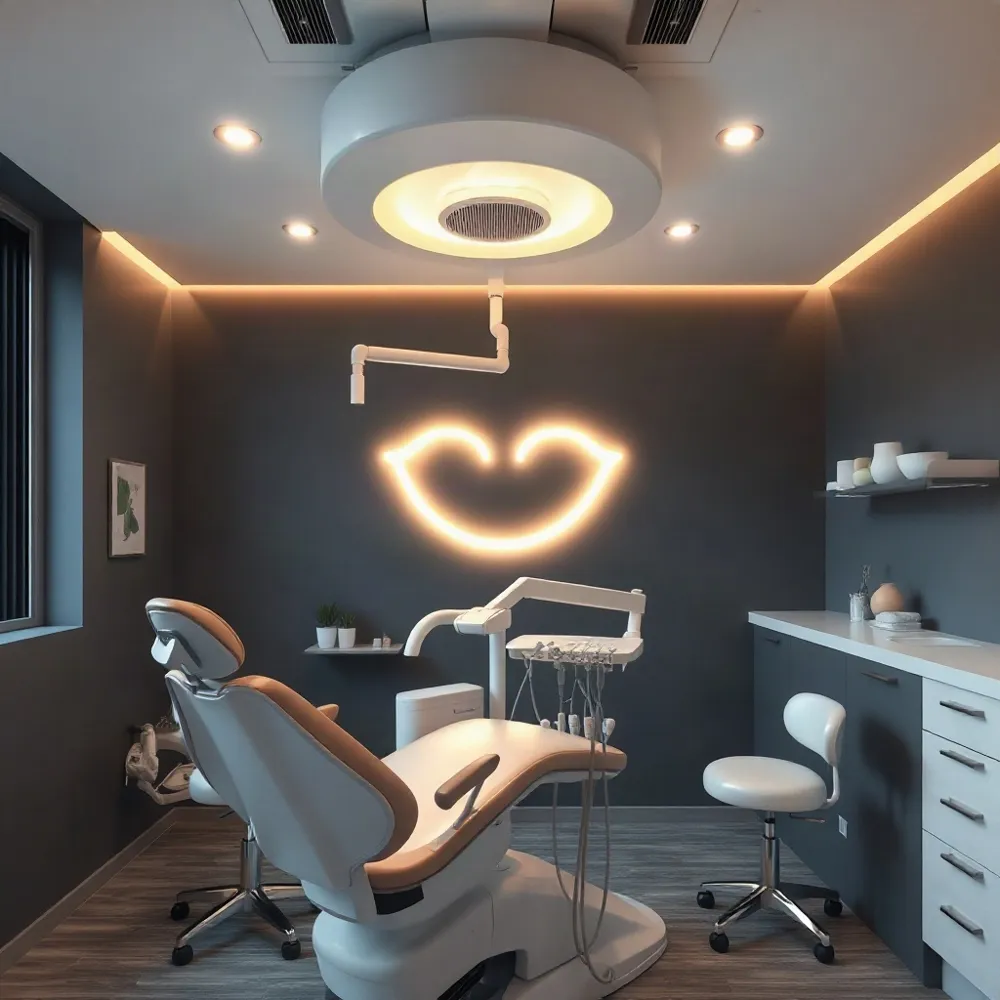
Welcome to Stress‑Free Dental Care
Sedation dentistry uses safe, monitored medications—nitrous oxide, oral benzodiazepines, or IV agents—to calm patients while they stay conscious, dramatically lowering the fear that often keeps people away from the dentist. At V Dental, cutting‑edge tools such as CBCT 3D imaging, digital X‑rays, intra‑oral cameras and iTero scanners streamline diagnosis and shorten chair time, which reduces the need for prolonged sedation and enhances comfort. Each patient receives a personalized plan that matches their anxiety level, medical history and procedure complexity, and the practice offers flexible financing and convenient scheduling so every family can access stress‑free oral care for a healthier smile.
Choosing the Right Sedation: Oral vs IV
Oral vs. IV Sedation Comparison
| Feature | Oral Sedation | IV Sedation |
|---|---|---|
| Onset | 30‑60 min after swallowing | Seconds (immediate) |
| Administration | Pill swallowed, needle‑free | IV line placed, needle required |
| Depth of Sedation | Mild‑to‑moderate (twilight) | Deeper conscious sedation |
| Typical Use | Routine cleanings, small fillings, mild‑to‑moderate anxiety | Severe anxiety, lengthy procedures (implants, oral surgery) |
| Cost | Lower (generally $150‑$500) | Higher (generally $250‑$1,000) |
| Pros | Easy, less invasive, less expensive | Rapid titration, adjustable dose, deeper sedation |
| Cons | Slower onset, cannot adjust dose, lingering drowsiness | More invasive, higher cost, requires continuous monitoring |
| Patient Considerations | Must have a driver for several hours post‑procedure | Requires fasting, IV access, and monitoring by trained staff |
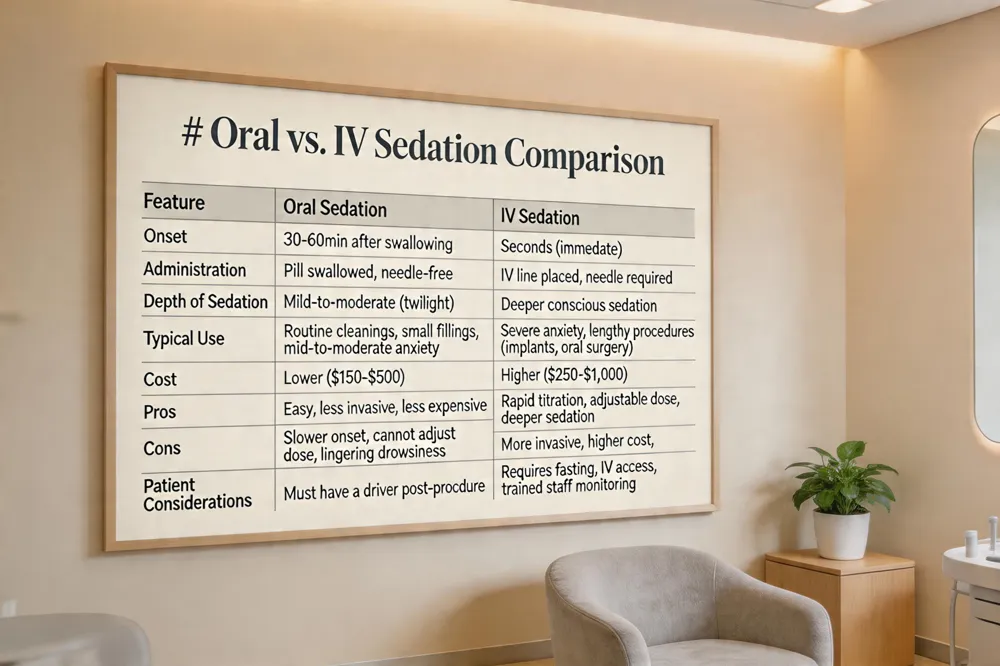 Sedation dentistry offers several pathways to calm a nervous patient, the two most common being oral and intravenous (IV) sedation. Oral sedation works by having the patient swallow a prescribed benzodiazepine pill (such as diazepam, lorazepam, or triazolam) roughly an hour before the appointment. The medication is absorbed through the gastrointestinal tract, producing a mild‑to‑moderate, twilight‑like state that keeps the patient conscious but relaxed. Advantages include ease of administration, needle‑free delivery, lower cost, and suitability for routine cleanings, small fillings, or patients with mild‑to‑moderate anxiety. The downside is a slower onset (30‑60 minutes), inability to titrate the dose once taken, and lingering drowsiness that may require a driver for several hours after the visit.
IV sedation delivers sedative agents (often midazolam or propofol) directly into the bloodstream via an IV line, providing rapid onset within seconds and allowing the dentist to adjust dosage in real time. This yields a deeper level of conscious sedation, ideal for severe anxiety, lengthy procedures such as implants or oral surgery, and patients who cannot tolerate oral pills. IV sedation is more invasive, carries a higher price tag, and necessitates continuous monitoring of vital signs by a trained professional.
When deciding between oral and IV sedation, patients should consider their anxiety level, the complexity and duration of the planned procedure, any medical conditions (e.g., sleep apnea, heart disease), and budget constraints. A thorough pre‑appointment consultation with the dentist will help match the appropriate sedation method to each individual’s needs.
Understanding Dental Sedation Medications
Common Dental Sedation Medications
| Medication | Route | Typical Indication | Duration of Effect | Key Notes |
|---|---|---|---|---|
| Midazolam | IV | Rapid anxiety relief, amnesia | 5‑15 min onset, 30‑60 min effect | Short‑acting, ideal for medium procedures |
| Propofol | IV | Deep conscious sedation | 30‑45 min effect, quick recovery | Precise titration, smooth wake‑up |
| Ketamine | IV | Analgesia + dissociative sedation, 45‑90 min effect | Preserves airway reflexes, useful for pain‑intensive cases | |
| Nitrous Oxide | Inhalation (nasal mask) | Mild sedation, anxiety reduction | Effects wear off within minutes after O₂ | Patients can drive home |
| Oral Benzodiazepines (e.g., diazepam, temazepam) | Oral pill | Twilight state for mild‑to‑moderate anxiety | 4‑6 hr effect, drowsiness may linger | Requires driver for several hours |
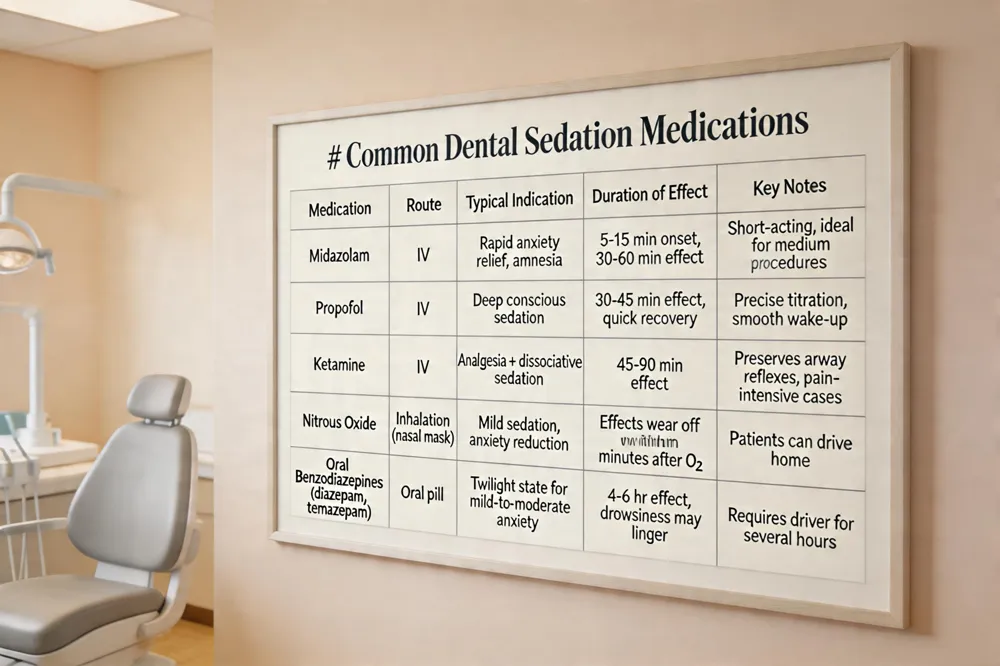 Dental sedation drugs help patients stay calm and comfortable while remaining conscious. The most common agents are:
- Midazolam (IV benzodiazepine): provides rapid anxiety relief, muscle relaxation, and amnesia; its effects wear off quickly, making it ideal for short to medium‑length procedures.
- Propofol (IV): produces deep, fast‑acting sedation with a smooth recovery; it allows precise titration and is useful when a higher level of relaxation is needed.
- Ketamine (IV): offers analgesia and dissociative sedation while preserving airway reflexes; it is chosen for patients who may have respiratory concerns or require extensive pain control.
- Nitrous oxide (inhaled “laughing gas”): delivers mild sedation through a nasal mask, takes effect in minutes, and clears within minutes after pure oxygen is given, allowing patients to drive home.
- Oral benzodiazepines (e.g., diazepam, temazepam): taken an hour before the appointment, they produce a twilight state and reduce anxiety for several hours; a driver is required for the post‑procedure period.
Safety and drug selection at V Dental – The team reviews each patient’s medical history, allergies, current medications, and anxiety level. They match the drug’s depth of sedation to the procedure’s complexity, monitor vital signs throughout, and follow fasting guidelines to minimize nausea. This personalized approach ensures effective anxiety relief while maintaining the highest safety standards.
Preparing Mentally and Physically for Your Visit
Preparation Checklist
| Aspect | Recommendation |
|---|---|
| Mental | Discuss fears openly with Dr. Villarreal; use hand‑signal to pause; practice slow diaphragmatic breathing (4‑4‑4) or grounding (5‑4‑3‑2‑1) |
| Physical | Fast 6‑8 hr before sedation; wear loose clothing (long sleeves helpful for IV line); arrange a trusted driver/home companion |
| Pre‑Appointment | Review fasting guidelines; bring headphones for music/podcast; schedule regular preventive visits to reduce fear |
| In‑Office Comfort | Utilize digital X‑rays, intra‑oral cameras, CBCT imaging to see procedures and feel in control |
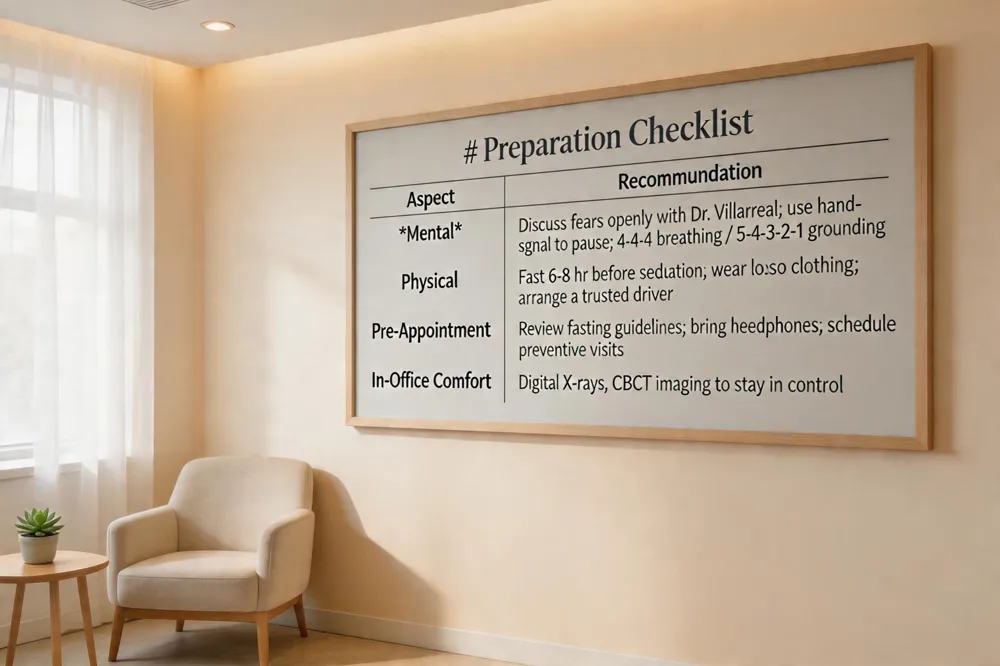 Start by speaking openly with Dr. Villarreal and the dental team. Share any past experiences, specific fears, or triggers; the staff will explain each step, offer a hand‑signal to pause treatment, and suggest the most appropriate sedation option.
Relaxation techniques are easy to practice before and during the appointment. Try slow diaphragmatic breathing – inhale for four counts, hold for four, exhale for four – or a grounding exercise such as naming five things you see, four you hear, three you feel, two you smell, and one you taste. Listening to calming music, a favorite podcast, or an audiobook through headphones can further distract you from the sound of drills and the scent of the office.
Pre‑appointment instructions help keep you comfortable and safe: fast for the recommended six‑ eight hours if oral or IV sedation is planned, wear loose, comfortable clothing (long sleeves are useful for an IV line), and arrange a trusted adult to drive you home and stay with you after the procedure.
How can I calm my anxiety before going to the dentist?
Talk openly with Dr. Villarreal and the team about your worries; they can explain the procedures, set up a signal for when you need a break, and discuss calming options such as mild sedation. Practice slow, deep breathing or a grounding technique (like counting to four on the inhale and exhale) right before you sit in the chair. Bring headphones and listen to music, a favorite podcast, or an audiobook to shift your focus away from dental sounds. Schedule regular preventive visits so that appointments stay routine and less intimidating, and avoid postponing care, which can increase fear. Finally, use the practice’s modern comforts—digital X‑rays, intra‑oral cameras, and CBCT imaging—to feel more in control and reassured during the visit.
Behavioral Strategies and CBT for Dental Fear
CBT & Behavioral Techniques
| Strategy | Description | When Used |
|---|---|---|
| Cognitive‑Behavioral Therapy (CBT) | Short‑term therapy to re‑frame negative thoughts, teach coping skills | Patients with high anxiety scores (DAS‑R ≥ 15, MDAS ≥ 19) |
| Tell‑Show‑Do | Explain procedure, demonstrate with instrument, then perform | First‑time or anxious patients |
| Desensitization (Exposure) | Gradual exposure to dental stimuli in a controlled setting | Patients with specific phobias |
| Relaxation Techniques | Deep breathing, progressive muscle relaxation, guided imagery | During procedures to maintain calm |
| Positive Self‑Talk | Repeating affirmations (e.g., “I am safe”) | As a mental cue before and during treatment |
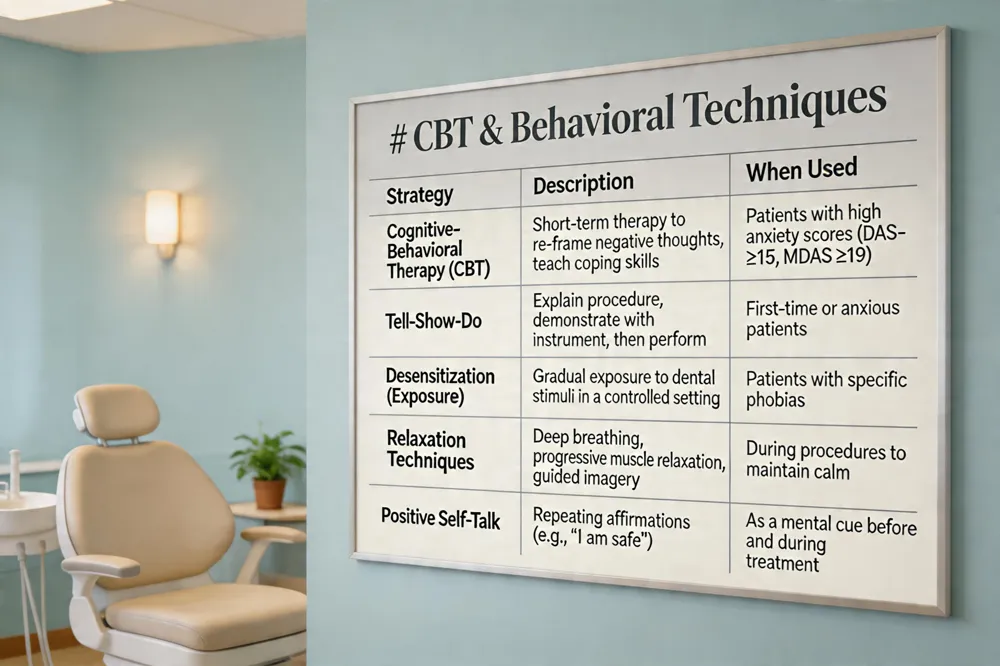 Cognitive‑behavioral therapy (CBT) is a short‑term, evidence‑based approach that helps patients recognize and modify the thoughts, feelings, and behaviors that fuel dental fear. By teaching coping skills such as relaxation techniques, exposure exercises, and positive self‑talk, CBT can lower anxiety enough to make routine care feel manageable without medication. Studies show results comparable to sedation, with lasting confidence for future appointments. V Dental can integrate brief CBT strategies into treatment planning or refer patients to a qualified therapist for a focused program.
Dental anxiety is measured with standardized questionnaires such as Corah’s Dental Anxiety Scale (DAS‑R), the Modified Dental Anxiety Scale (MDAS), the Dental Fear Survey (DFS), and the Index of Dental Anxiety and Fear (IDAF‑4C+). Scores of 15+ on DAS‑R, 19+ on MDAS, or 60+ on DFS indicate high fear. V Dental asks patients to complete one of these scales during intake to personalize treatment plans and decide if nitrous oxide or oral sedation is appropriate.
Clinical standards begin with a thorough assessment that distinguishes trait from state anxiety. Patients are placed into tier‑1 (non‑complex, ASA I/II) or tier‑2 (more complex) pathways. First‑line behavioral techniques—CBT, tell‑show‑do, desensitization—aim to reduce state anxiety; pharmacologic options (oral anxiolytics, nitrous oxide, oral or IV conscious sedation) are added when needed. If anxiety remains unmanageable, referral for general anesthesia is considered. All interventions are documented, individualized, and reviewed regularly to ensure safety and optimal oral‑health outcomes.
V Dental’s Commitment to Comfort and Safety
V Dental Comfort & Safety Overview
| Feature | Details |
|---|---|
| Sedation Options | Nitrous‑oxide ($50‑$100), oral benzodiazepines ($150‑$500), IV sedation ($250‑$1,000) |
| Monitoring | Continuous blood pressure, heart rate, O₂ saturation; trained anestheticist present for IV cases |
| Technology | Digital X‑rays, intra‑oral cameras, CBCT 3‑D imaging, iTero 3‑D scanning – reduces chair time and patient stress |
| Safety Protocols | Pre‑appointment medical review, fasting guidelines, emergency equipment on‑site |
| Financing & Insurance | Works with most insurers; flexible payment plans available |
| Patient Outcomes | Low‑risk sedation for healthy patients; extra precautions for respiratory or cardiac conditions |
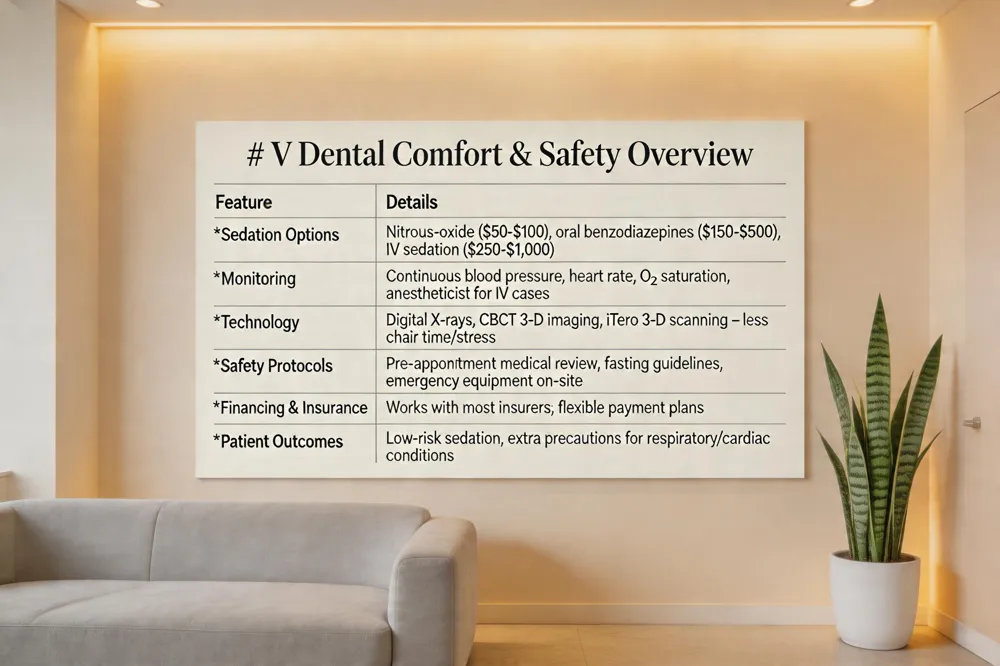 V Dental in Live Oak, TX offers a full range of sedation options to ease dental anxiety. Patients can choose nitrous‑oxide “laughing gas” for rapid, short‑acting relief; oral conscious sedation pills such as diazepam for moderate anxiety; or IV sedation (midazolam, propofol, or ketamine) for deeper, twilight‑sleep states during lengthy procedures. Throughout every appointment, the dental team monitors blood pressure, heart rate, and oxygen saturation to ensure safety, and a trained anestheticist is present for IV cases. Modern technology—including digital X‑rays, intraoral cameras, CBCT 3‑D imaging, and iTero 3‑D scanning—shortens procedure time and reduces patient stress by providing clear visual explanations and precise treatment planning. V Dental works with most insurances and offers flexible financing, making sedation affordable and convenient.
Dental anxiety dentist near me – V Dental specializes in caring for nervous patients with personalized sedation plans and a calming office environment.
Dental anxiety medication – Options range from nitrous‑oxide to oral benzodiazepines and IV agents, all tailored to health history.
Dental sedation cost – Nitrous‑oxide $50‑$100, oral sedatives $150‑$500, IV sedation $250‑$1,000; financing and insurance assistance are available.
Is dental sedation dangerous – When administered by qualified professionals with thorough screening and continuous monitoring, sedation is low‑risk for healthy patients, though those with serious respiratory or cardiac conditions require extra precautions.
Take the First Step Today
Sedation dentistry, when paired with thorough preparation and a caring team, can transform a frightening appointment into a calm experience. By discussing your anxiety, medical history, and preferred sedation method during a pre‑visit consultation, V Dental tailors a plan that minimizes stress while ensuring safety. The practice’s modern tools—CBCT 3D imaging, digital X‑rays, intraoral cameras—speed up treatment and reduce time in the chair. Financing options are flexible, making necessary care affordable for families. Take the first step today: schedule a friendly consultation at V Dental and discover how a stress‑free visit is within reach and a brighter smile for life.