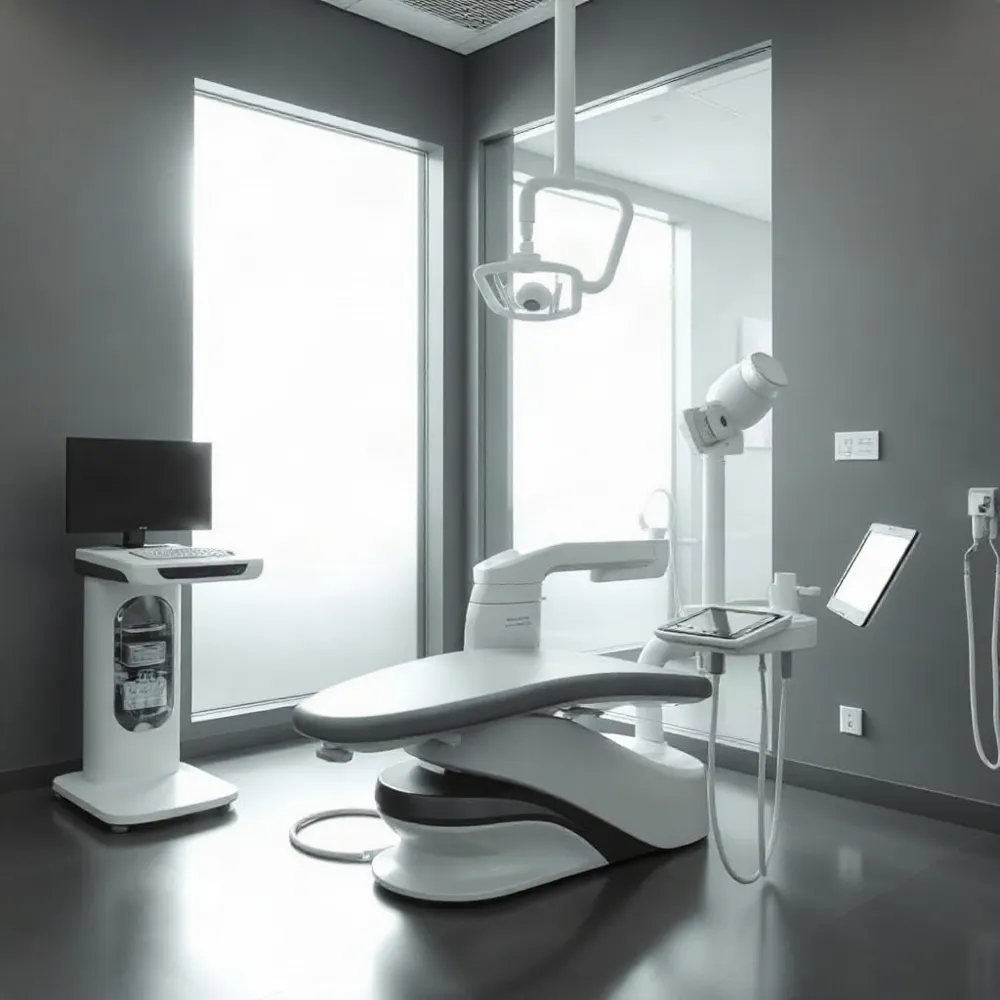
A Missing Tooth and Its Options
A missing tooth can affect more than a smile. It may change how you chew or speak, and tooth loss can contribute to changes in the jawbone. Replacing the gap may help restore function and appearance, but the right approach depends on your oral health and goals.
A dental implant is a surgically placed post in the jaw that supports a crown, bridge, or denture. It is one option among several, and candidacy, treatment steps, and healing time vary from person to person. A dental professional can review the benefits and risks with you and assess whether an implant suits your situation, as the FDA explains.
At V Dental in Live Oak, treatment planning can include CBCT 3D imaging and a personalized review of your needs. This article explains how implants replace teeth, who may be a candidate, and what treatment and recovery can involve. Bring questions about your health, available options, costs, and expected timeline to your dental appointment.
How Implants Replace Missing Teeth
 A dental implant replaces a tooth root with a small post placed in the jawbone. An abutment connects the post to the visible restoration, which may be a crown, bridge, or denture. The FDA’s overview of dental implant systems explains these parts and how they work together.
The most common type, an endosteal implant, sits in the jawbone. If there is not enough supporting bone, a dentist may consider a bone graft before or during implant treatment. V Dental uses CBCT 3D imaging and digital X-rays as part of its dental technology, which can inform an individualized assessment of the jaw.
An implant may replace one tooth, support a bridge for several teeth, or help hold a full arch of replacement teeth. Implant-supported dentures may be fixed in place or designed to be removed for cleaning. The appropriate arrangement depends on the patient’s anatomy, bone, bite, oral health, and goals, as described in Mayo Clinic’s guide to implant surgery.
The phrase “3/2 rule” is sometimes used for a three-tooth bridge anchored by two implants, but the term is not used consistently and can also refer to placement measurements. It is not a universal formula. A dentist determines the number and position of implants according to the available bone, spacing, anatomy, and bite.
Implants can restore chewing and appearance, support a replacement without relying on neighboring teeth, and may help limit jawbone shrinkage after tooth loss. These benefits are not guaranteed, and a dental evaluation is needed to discuss what an implant plan may achieve for an individual.
Who May Be a Candidate
A missing tooth alone does not determine whether an implant is suitable. V Dental uses CBCT 3D imaging as part of its dental care, which can help assess jaw structure; a dentist must also review oral health, medical history, and treatment goals before recommending a plan.
In general, candidates have completed jaw growth, healthy oral tissues, and enough bone to support an implant. If bone is too thin or soft, grafting may be considered. Candidacy also depends on overall health, the ability to heal, and willingness to maintain daily oral hygiene and attend follow-up visits. Mayo Clinic’s overview of implant surgery describes these factors as part of an individualized assessment.
Active gum disease, uncontrolled diabetes, smoking, some immune or healing conditions, and certain cancer treatments or medications may increase complications or delay healing. These factors do not automatically rule out every patient, but they may call for treatment or coordination with a medical provider before implant surgery. The FDA’s dental implant guidance notes that overall health can affect candidacy and healing.
Tell the dental team about medical conditions and all medicines or supplements you take. Ask whether gum treatment, a bone graft, or other preparation is needed, and how your health may affect the plan. A clinical evaluation, rather than age alone or a single health factor, helps determine whether implant treatment is appropriate.
Planning and Treatment Stages
 Treatment begins with an examination and a review of your health history, medicines, and goals. Your dentist may take X-rays or 3D images to assess the jawbone and nearby structures, then shape a plan around the teeth being replaced and the condition of your remaining teeth. At V Dental, CBCT 3D imaging and digital X-rays can support this planning process.
A plan may include removing a damaged tooth, adding a bone graft if the jaw cannot adequately support an implant, and placing the implant post. Once it is in place, the jawbone needs time to grow around and bond with the post, a process called osseointegration. After that healing period, the dentist attaches an abutment, followed by the final crown, bridge, or other restoration. Not every patient needs each step, and some stages may be combined.
The bone-healing period often lasts several months, so the full process commonly takes about three to nine months, though individual timelines vary. An extraction, bone graft, or other procedure may add healing time. Your dentist can estimate the schedule after evaluating your needs. The Mayo Clinic’s overview of dental implant surgery explains the possible stages and why healing between them takes time.
Anesthesia may be local, sedation, or general, depending on the procedure and your circumstances. Ask which option is planned and follow the instructions about eating and drinking beforehand. If you receive sedation or general anesthesia, arrange a ride home and plan to rest afterward. Discuss questions about the sequence, expected appointments, and recovery with your dental team before treatment.
Cost and Coverage Questions
How much do dental implants cost, and what factors affect the price? There is no single price that applies to every case. The total can depend on how many teeth need replacement, whether the restoration is a crown, bridge, or denture, the materials selected, and whether extra treatment such as a bone graft is needed. Exams, imaging, surgery, laboratory work, and follow-up care may also affect the estimate. Because treatment plans differ, ask for an itemized estimate showing what is included and which stages may create additional charges. V Dental prepares personalized treatment plans and offers flexible financing, so patients can ask the practice how those options apply to their proposed care.
What makes dental implants medically necessary, and may insurance cover them? An implant may be considered to restore function when tooth loss affects chewing or speech, but whether treatment is medically necessary depends on the individual circumstances and the insurer’s rules. Some plans may contribute to implant treatment, while others exclude it or classify some care as cosmetic. Tufts Health & Nutrition Letter notes that private dental coverage varies by plan.
Before scheduling, contact your dental and medical insurers directly to ask about coverage, deductibles, waiting periods, exclusions, annual limits, and preauthorization. Request written confirmation where available. Ask the dental team to provide records that support the proposed treatment, such as examination findings and imaging. If a graft is part of the plan, Mayo Clinic’s overview of implant surgery explains that grafting may be needed when the jawbone cannot adequately support an implant.
Preparing for Implant Surgery
How should patients prepare for dental implant surgery? Start by reviewing the treatment plan with your dentist and sharing your health history, including medical conditions, medicines, supplements, allergies, and any recent illness. At V Dental, treatment planning can include CBCT 3D imaging, with care tailored to the patient’s health and dental needs.
Ask your clinician which medicines to take or pause, and do not change a prescription without their guidance. Follow the dental team’s specific eating and drinking instructions, especially if sedation or general anesthesia is planned. Mayo Clinic notes that anesthesia choice and related instructions depend on the patient and procedure, and that patients receiving sedation or general anesthesia should arrange a ride home and rest afterward (dental implant surgery guidance).
Avoid tobacco as directed, wear comfortable clothing, and plan a quiet period to recover. Prepare soft foods and any prescribed medicines in advance, but take medication only as instructed. Your clinician’s personalized directions take precedence, since preparation can vary with your health, treatment, and anesthesia plan.
Recovery, Food, and Aftercare
What should patients expect during recovery from dental implant surgery?
Swelling, bruising, soreness around the implant site, and minor bleeding can occur after surgery. These effects should generally ease as healing progresses. Rest and follow your dentist’s instructions for medication, cold packs, cleaning, and activity, since recommendations depend on the procedure and your health. Mayo Clinic advises contacting the surgeon if swelling, soreness, or another problem worsens in the days after surgery. V Dental creates personalized treatment plans, so ask your dental team what to expect in your specific case. Mayo Clinic’s dental implant surgery guidance also describes common short-term effects and when to seek follow-up.
What foods can patients eat after dental implant surgery, and when can they return to a normal diet?
Start with soft foods that need little chewing, such as yogurt, eggs, oatmeal, mashed potatoes, soft pasta, or puréed soup. Let hot foods cool, and avoid putting pressure on the surgical area. Your dentist may advise against straws or certain foods while the site heals. Gradually add firmer textures as comfort improves and your clinician approves. There is no single diet schedule for every procedure, so check before chewing directly over the implant or trying hard, crunchy, sticky, or chewy foods.
How can patients care for dental implants after surgery and support healing?
Initial soreness settling down does not mean the implant has finished healing. Bone may take several months to join with the implant, a process called osseointegration. Keep the implant and nearby teeth clean as directed, and attend follow-up visits so your dentist can monitor healing. The FDA’s dental implant guidance recommends regular cleaning and dental visits, and advises patients to promptly report an implant that feels loose or painful. Contact your dental team about worsening symptoms or any concern rather than changing your care routine on your own.
Reducing the Risk of Implant Failure
Implant problems can occur soon after placement or much later. An implant may fail to integrate if the jawbone does not bond securely with it. Later, infection and damage to the supporting bone and gums can lead to looseness or loss. The FDA’s guidance on dental implant complications explains that some failures require another procedure.
Smoking can delay healing, while uncontrolled diabetes may raise the risk of infection. Untreated gum disease and poor cleaning can also harm the tissues around an implant. Excessive pressure during healing or ongoing teeth grinding may place added stress on the implant or its restoration. At V Dental, CBCT 3D imaging can help assess jaw anatomy as part of treatment planning, while the dentist reviews health history and individual risks.
Before treatment, tell your dentist about medical conditions and all medicines you take. Follow instructions before and after surgery, avoid tobacco, brush and clean between teeth daily, and attend regular checkups. If you grind your teeth, ask whether a night guard or other steps may help protect the implant. Your dentist can also determine whether gum treatment or a bone graft is needed before placement.
Seek prompt dental advice if pain or swelling increases, bleeding persists, gums become swollen or tender, or an implant feels loose. These signs need assessment rather than watchful waiting. The Mayo Clinic’s implant care guidance also recommends contacting the surgeon if symptoms worsen after surgery.
Materials, Records, and Imaging
Implant systems are commonly made from titanium or zirconium oxide. The FDA says manufacturers must show that a system is as safe and effective as devices already on the U.S. market before they can sell it. This review does not guarantee a particular result or suitability for every patient.
Ask your dentist which brand and model is planned, and keep those details with your dental records. At V Dental, CBCT 3D imaging and digital X-rays support treatment planning, while the specific implant system should be discussed directly with your dentist. The FDA’s dental implant guidance also recommends keeping the device information for future reference.
Before an MRI or X-ray, tell health care providers and imaging technicians that you have a dental implant. The implant may distort or interfere with images, so staff can take that information into account. The FDA reports it was not aware of adverse events involving MRI or X-ray procedures in patients with dental implants, but disclosure remains useful.
Make the Decision With Your Dentist
Dental implants can restore chewing function and appearance for some people, but they are not the right choice for everyone. Overall health, jawbone condition, treatment needs, healing time, and possible risks all affect whether implants make sense. The FDA’s patient guidance recommends discussing benefits and risks with a dental provider before deciding.
Ask about alternatives such as a bridge or denture, the stages of treatment, expected healing, and the care required afterward. Costs and insurance benefits also depend on the treatment plan and individual policy, so request an estimate and confirm coverage with your insurer.
An examination can help clarify your options. At V Dental, CBCT 3D imaging and personalized treatment planning support an assessment of your jaw and dental needs, but no result or timeline can be guaranteed. A dentist can use those findings to discuss a plan suited to your circumstances.