From Gooey Trays to High‑Tech Scans – An Overview
An Overview of Traditional and Digital Impressions
Traditional dental impressions rely on filling a tray with a thick, putty-like material that patients must bite into for several minutes. This process can be messy, uncomfortable, and often triggers a gag reflex or feelings of anxiety. The resulting physical mold is then shipped to a lab, adding days or weeks to the treatment timeline, and is prone to distortions from human error or material shrinkage.
Digital impressions use a small, handheld intraoral scanner that captures thousands of precise 3D images of the teeth and gums in minutes. The process is quick, non-invasive, and eliminates the unpleasant taste and gagging associated with traditional molds. Digital files are transmitted instantly to the lab, dramatically reducing turnaround times and enhancing overall workflow efficiency. This high level of accuracy leads to better-fitting restorations and fewer repeat appointments.
V Dental already employs the advanced iTero 3D scanning system, allowing their patients to benefit from the comfort, speed, and precision of modern digital dentistry. This technology is fully integrated with their other digital tools, such as CBCT 3D imaging and intraoral cameras, ensuring a streamlined and patient-friendly experience.
Why Digital Impressions Lead the Way
Speed of Capture
A full-arch digital scan using an intraoral scanner like iTero typically takes less than 90 seconds, while a single arch can be scanned in under 30 seconds. In contrast, traditional alginate molds require 2–5 minutes for the material to set, a period during which the patient must remain perfectly still. This efficiency dramatically reduces chair time.
Comfort vs. Traditional Trays
Many patients find digital scans more comfortable because the small wand eliminates the gag-inducing sensation of bulky trays and gooey material. Studies consistently show that nearly all patients (100% in one survey) prefer digital impressions due to the lack of unpleasant taste, smell, and gagging. The scan is non-invasive and allows normal breathing throughout the procedure.
Accuracy of Digital Models
Digital scans produce high-resolution 3D models with near-perfect accuracy, reducing distortions caused by material shrinkage, air bubbles, or patient movement common in traditional molds. This precision means fewer remakes and better-fitting restorations, crowns, and aligners.
Impact on Treatment Timelines
Digital files are transmitted instantly to dental labs, eliminating shipping delays of days or weeks. This speeds up treatment delivery for everything from a single crown to complex orthodontic cases, often reducing the number of patient visits required.
Patient Satisfaction
Patients overwhelmingly report higher satisfaction with digital impressions, citing less pain, anxiety, and gagging. The ability to see their 3D model on a screen in real time improves communication and trust in the proposed treatment plan, leading to a positive overall experience.
Micron Precision: Accuracy of Modern Intraoral Scanners
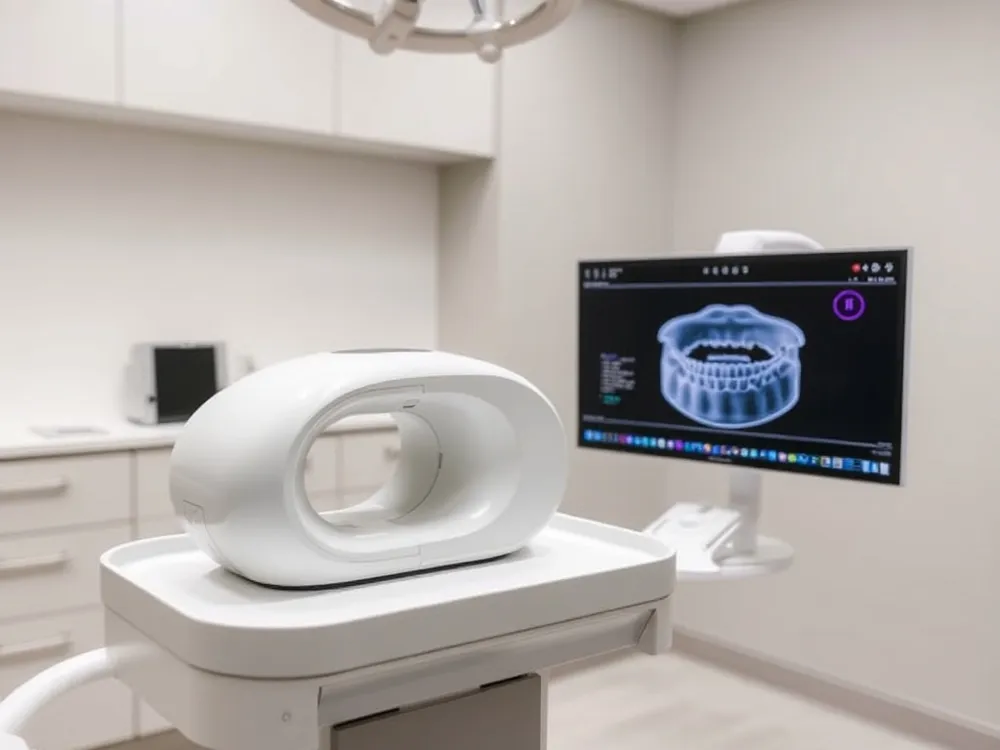
What is the accuracy of intraoral scanners?
Modern intraoral scanners deliver highly reliable, sub‑millimeter accuracy. Systematic reviews confirm their trueness values consistently fall between 10 and 50 micrometers, with precision often below 20 micrometers for full‑arch scans. This measurement discrepancy is well within the clinically accepted threshold of ≤0.5 mm for dental arch and tooth dimensions.
Sub‑Millimeter Trueness and Precision
Recent comparative studies highlight the remarkable consistency of modern systems. For leading scanners like TRIOS 3 and iTero Element 5D, different scanning strategies produce trueness values in the 8–12 µm range, showing minimal variation regardless of protocol. Precision data further underscores reliability, with systems like the Medit i700 achieving precision as high as 46.1 µm.
Influence of Acquisition Technology
Accuracy is heavily influenced by the underlying acquisition technology. Newer systems using advanced multi‑direct capture (MDC technology) can outperform traditional confocal and structured‑light models. For instance, the iTero scanner, which uses parallel confocal imaging, demonstrated superior comfort and speed in patient studies while maintaining high precision.
Clinical Relevance for Crowns, Bridges, and Aligners
This micron‑level precision ensures highly reliable impressions for complex applications. In restorative dentistry, digital scans create crowns, bridges, and veneers that fit more accurately, reducing the need for adjustments. For orthodontics, the precise 3D data streamlines the design of clear aligners and retainers. The consistent accuracy across full‑arch scans is also critical for precise implant placement in implantology, lowering surgical complications and improving success rates.
| Scanner | Trueness (µm) | Precision (µm) | Key Technology |
|---|---|---|---|
| iTero Element 5D | ~11–12 | ~30–44 | Parallel Confocal Laser Scanning |
| TRIOS 3 | ~9–12 | ~22–32 | Telecentric Confocal System |
| Medit i700 | ~7–16 | ~29–46 | Ultra‑fast Optical Scanning |
| Conventional (Silicone) | ~40 | ~51 | Physical Mold |
The Gold Standard: Most Accurate Traditional Impression Materials
What is the most accurate dental impression material?
Polyvinyl siloxane (PVS) and polyether elastomers are widely regarded as the most accurate conventional dental impression materials. These synthetic rubbers exhibit exceptional surface detail and long-term dimensional stability, serving as the clinical gold standard for fabricating precise crowns, bridges, and dental implants. Their properties minimize shrinkage and distortion during setting and storage, which is critical for complex restorative and implant cases.
Elastomer Properties and Dimensional Stability
PVS offers high tear strength and flexibility, while polyether provides excellent rigidity and hydrophilicity. Both materials demonstrate superior dimensional stability, meaning the impression maintains its precise shape for extended periods before being poured. This stability is crucial when a physical model must be shipped to a dental lab.
Clinical Scenarios Where Elastomers Excel
Traditional elastomers still hold advantages in specific clinical situations. They are preferred for complete denture cases requiring functional border capture, and for scenarios with excessive moisture, heavy bleeding, or deep subgingival margins, where intraoral scanners may struggle.
| Material | Key Property | Dimensional Stability | Best Clinical Use |
|---|---|---|---|
| Polyvinyl Siloxane (PVS) | High tear strength, flexible | Excellent | Crowns, bridges, implant impressions |
| Polyether | Rigid, hydrophilic | Excellent | Subgingival margins, single-tooth impressions |
| Alginate | Low cost, easy to mix | Poor (must pour quickly) | Diagnostic models, study casts |
However, maximum precision relies less on the material alone and more on proper execution, including meticulous moisture control, correct tray selection, and disciplined handling to prevent deformation. Advanced digital intraoral scanning has also emerged as a highly accurate alternative, capturing precise optical records that eliminate physical settling while improving workflow efficiency. Ultimately, whether using premium elastomers or digital capture, selecting the optimal method depends on the specific case requirements and the practice’s available technology.
Alginate’s Achilles Heel: Dimensional Instability
Alginate’s Achilles Heel: Dimensional Instability
What is the primary disadvantage of using alginate impression material?
Alginate’s main drawback is poor dimensional stability. Once set, the material rapidly loses water through syneresis and absorbs moisture through imbibition. These mechanisms cause shrinking or swelling, visibly distorting the recorded anatomy.
To minimize changes, clinicians must follow strict time-sensitive pour requirements. Stone models should be cast immediately or stored in humidity-controlled environments. Delayed pouring yields inaccurate casts that compromise subsequent steps.
Due to these fluctuations, alginate has significant limitations for definitive restorations. It cannot capture the fine margins required for crowns, veneers, or implants. Lower tear strength also risks damage during tray removal.
Despite constraints, alginate remains cost-effective for preliminary work. It is standard for study models, opposing arch records, and orthodontic planning. Proper handling makes it an affordable diagnostic choice when precision is secondary.
| Mechanism | Clinical Impact | Management Strategy |
|---|---|---|
| Syneresis | Moisture loss shrinks model | Prompt pouring |
| Imbibition | Water absorption swells model | Dry storage |
| Tear Strength | Low resistance to ripping | Gentle removal |
| Detail Reproduction | Insufficient for margins | Diagnostic use only |
Designing a Perfect Smile: The 50‑40‑30 Rule
What is the 50‑40‑30 rule in dentistry?
The 50‑40‑30 rule is a foundational aesthetic guideline in cosmetic dentistry, used to create a balanced, harmonious smile. This principle dictates the proportional relationship of the upper front teeth when viewed from the front. Specifically, the visible width of the two central incisors should represent about 50% of the total smile display, the lateral incisors roughly 40%, and the canines approximately 30%. These ratios help ensure that restorations look natural and complement the patient's unique facial structure.
Application to Veneers and Bonding
At V Dental, Dr. Brandon Villarreal applies the 50‑40‑30 rule when designing veneers and composite bonding. This guideline ensures that each tooth is scaled correctly to its neighbor, creating a progressive and pleasing visual rhythm across the smile. When combined with digital precision, this manual rule is translated into predictable, natural-looking outcomes.
Integration with iTero 3D Data
The 50‑40‑30 principle is seamlessly integrated with iTero 3D scanning data. The high-resolution scan captures exact tooth dimensions, which are then digitally analyzed against the rule’s targets. This process allows for precise adjustments before any restoration is fabricated, eliminating guesswork and ensuring the final result meets the aesthetic standard.
Enhancing Patient Communication
Using the 50‑40‑30 rule alongside the digital model provides a powerful tool for patient communication. Dr. Villarreal can visually demonstrate how the planned restorations will create symmetry and balance. This transparent, evidence-based approach helps patients in Live Oak understand the design choices, building trust and confidence in their personalized smile makeover.
Digital Dentures: Worth the Investment?
Are digital dentures worth the money? Yes, digital dentures are a worthwhile investment. They are fabricated using a modern digital workflow that starts with a painless intraoral scan, replacing the messy putty impressions of conventional methods. The scan data is sent to a lab where the denture is designed with CAD/CAM software and then milled from a single, high-density puck of acrylic. This monolithic construction makes them up to eight times stronger than traditional acrylic dentures, which are hand-crafted and can have internal voids. The non-porous material also resists bacteria, stains, and odors, promoting better oral hygiene. This precision fit and strength translate directly into long-term value. Patients require far fewer appointments—typically just two or three visits compared to five or more for traditional dentures—saving time and reducing frustration. Minimal post-placement adjustments are needed because the fit is accurate from the start. Additionally, the dentist stores your digital file permanently. If your denture is lost or damaged, a perfect replica can be fabricated quickly without needing new impressions. While the upfront cost ($5,000-$8,500 in 2026) is higher than for conventional dentures ($3,500-$4,500), the combination of superior comfort, exceptional durability (lasting 7-10+ years), and dramatically reduced chair time provides better overall value. For patients seeking a secure, long-lasting, and hassle-free solution, digital dentures are a smart choice.
Conventional vs. Digital Impressions: Core Differences
What is the difference between conventional impressions and digital impressions?
The core difference lies in the medium. Conventional impressions use materials like alginate or polyvinyl siloxane placed in a tray to create a physical mold. This material can shrink as it sets or distort during storage and shipping, leading to inaccuracies that may require remakes. Digital impressions use a handheld wand scanner to capture a precise 3D image, eliminating material-related errors.
Digital impressions provide immediate digital visualization on a screen. This allows the dentist to verify the scan’s completeness and correct any missed areas while the patient is still in the chair, a benefit impossible with traditional molds.
Digital files are transmitted instantly to the lab, cutting turnaround times from days to hours. Traditional molds must be physically shipped, adding days to the process.
While both methods are used for crowns, bridges, and orthodontics, traditional molds may still be preferred for specific cases, such as complete dentures where functional border capture is critical. Digital impressions are especially advantageous for single-tooth restorations and implant planning due to their precision.
Patient Comfort: Scanners vs. Trays
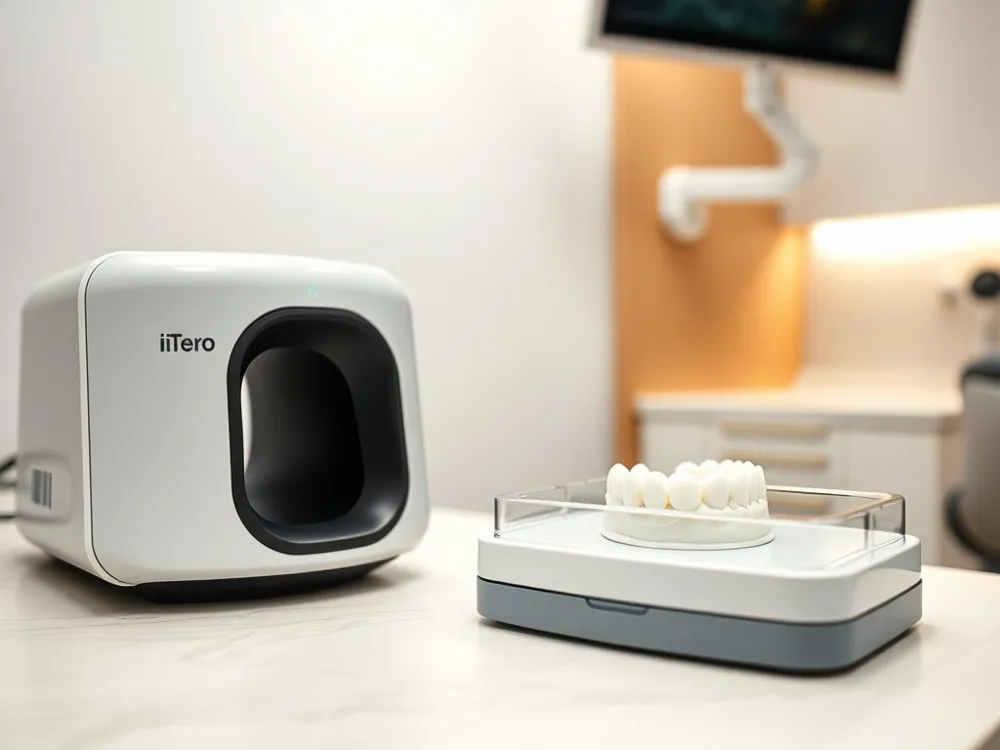
Is an intraoral scanner a more comfortable means of taking impressions? First and foremost, intraoral scanners increase patient comfort. Traditional impressions often involve messy materials that patients have to hold in their mouths for extended periods, which can cause discomfort and anxiety. The evidence overwhelmingly shows that patients prefer the digital method.
Gag Reflex Reduction
Digital scans drastically reduce gagging by replacing bulky trays and gooey material with a small, quick wand that moves easily around the mouth. In a 2024 study of geriatric patients, digital scanning was rated superior for reduced gag reflex and better breathing comfort (P < 0.001). Similarly, a 2024 meta-analysis of children found gag reflex was significantly less pronounced with digital scanners (mean difference 38.07 mm on a VAS scale).
Taste and Smell Elimination
Patients consistently report that digital impressions are far more pleasant because they eliminate the unpleasant taste and smell of traditional impression materials. A cross-sectional survey found that 64–76% of participants favored digital scanning for taste and smell over polyvinyl siloxane. In a geriatric patient study, satisfaction with sensory factors (smell and taste) was significantly higher for digital impressions (P < 0.001).
Chair‑Side Time Comparison
While patients sometimes perceive digital scans as taking longer, actual time savings are substantial. A systematic review measured digital impression time at 248 ± 23 seconds versus 605 ± 24 seconds for conventional impressions—a reduction of over 50%. For children, digital scanning was significantly faster, with a pooled mean difference of 165.48 seconds per full‑arch impression.
Clinical Trial Patient‑Preference Data
Clinical trial data strongly supports patient preference. In a study of 30 orthodontic patients, 100% preferred the digital method for a repeat procedure and comfort. A VAS showed digital impressions scored 90.5 ± 6.2 for comfort versus 52.5 ± 9.3 for conventional. Children are over four times more likely to prefer digital scanning, and 89% of all patients prefer digital impressions over traditional molds, with only 11% favoring the conventional approach. Many patients today would change dentists for a same‑day treatment enabled by this powerful, patient‑friendly technology.
iTero Scanner Performance: How Accurate Is It?
How accurate is the iTero scanner?
Scanner choice directly impacts full-arch accuracy. The iTero Lumina has demonstrated the lowest linear relative errors for trueness at 0.04%, outperforming the i700 (0.071%), AS260 (0.074%), CS3800 (0.089%), and TRIOS5 (0.14%). It also achieved the best precision at 0.032%.
Comparison With Competing Brands
This data confirms that scanner type matters. While many modern scanners are clinically acceptable, the iTero Lumina leads in trueness—the closeness of a measurement to the actual value. In contrast, the TRIOS5 showed the highest relative error among tested models.
Clinical Relevance for Full‑Arch Cases
For complex or full‑arch restorations, such as multiple crowns or implant-supported bridges, the iTero’s high accuracy reduces the risk of misfit. This precision translates to fewer chair‑side adjustments and higher restoration success rates.
Implications for V Dental Patients
V Dental’s use of iTero scanners means your treatment benefits from top‑tier accuracy. The result is a more predictable fit for your new smile, with fewer remakes and faster overall care.
Environmental and Workflow Benefits of Going Digital
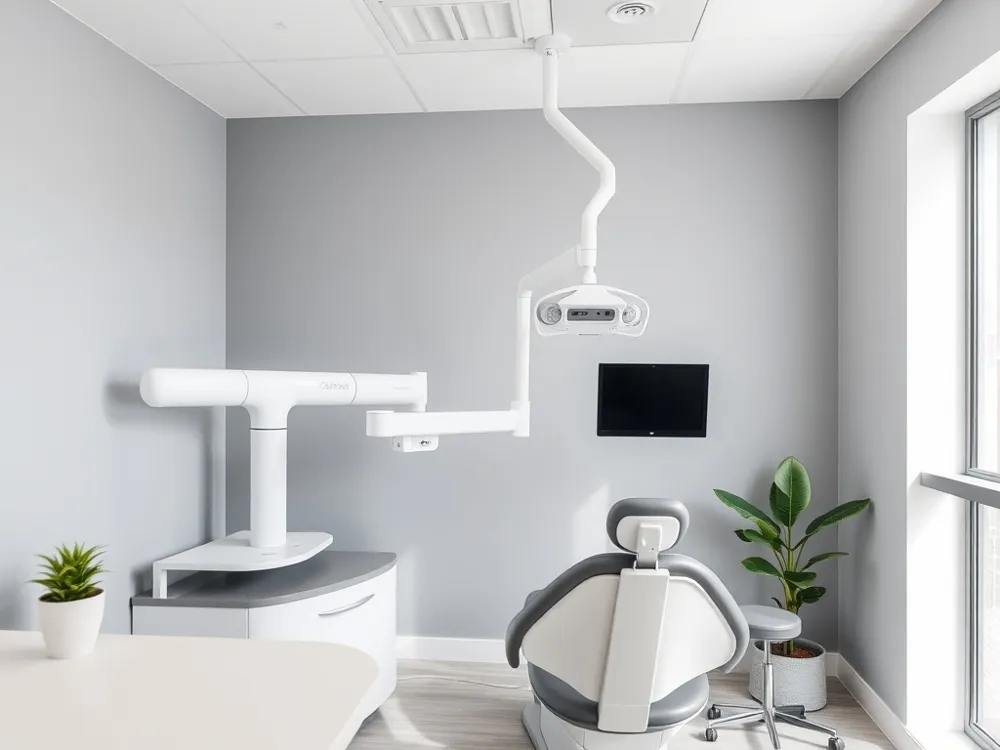
Waste Reduction (No Trays, No Material)
Digital impressions eliminate disposable trays, impression gels, and the logistics of shipping physical models. This significantly cuts dental waste, as no impression material, putty, or plastic trays are used. The process offers an environmentally friendly alternative that reduces the need for manufacturing, storing, and disposing of these single-use items.
Carbon-Footprint Impact
By removing the need for shipping physical molds to laboratories, digital impressions lower the carbon footprint associated with dental care. The instant digital file transfer replaces courier services for heavy plaster models, reducing transportation emissions.
Practice Cost Savings on Materials and Shipping
Practices realize a strong financial return on investment through reduced material expenses, eliminated shipping costs for physical models, and fewer remakes of restorations. Digital workflows cut active working time and total treatment time, leading to lower labor costs.
Ease of Storage and Retrieval
Digital scans are stored securely in the cloud, avoiding the degradation and storage challenges of physical molds. They can be easily retrieved for future reference or treatment planning, eliminating the need for physical storage space.
Implementing Digital Impressions at V Dental: Practical Steps
Staff Training and Protocol Development
Successful adoption of digital impressions requires dedicated staff training and the development of standardized scanning protocols. A single experienced examiner who has performed over 100 scans achieves noticeably better accuracy, and scanning times decrease as proficiency grows. The iTero interface provides step-by-step visual and voice guidance, making it straightforward for dental staff to perform full-arch scans without extensive training. Practices should invest in ongoing support and ensure that all team members are comfortable operating the scanner, understanding software functions, and troubleshooting common issues.
Integration with Existing CAD/CAM and Lab Partners
iTero’s Restorative Digital Ecosystem can export generic or custom STL files to any dental laboratory, supporting third-party workflows and ensuring seamless integration with external lab services. The scanner captures precise measurements of hard and soft tissues, even when pre-existing metal, polymer, or ceramic restorations are present. Many modern labs have stopped accepting physical molds altogether, opting to provide scanners to clients, which highlights the industry shift toward fully digital impression pipelines. When evaluating how the technology fits into existing CAD/CAM workflows, practices should assess whether to fabricate restorations in-office or outsource to a lab.
Patient Education and Marketing Tactics
Patient testimonials frequently highlight the comfort and speed of digital scanning; one reviewer described the experience as "quick and easy" and "so much better than the traditional molds." Marketing the availability of digital impressions can attract tech-savvy patients and differentiate a dental practice in competitive markets. Clinicians can show patients a realistic preview of their anticipated results, improving patient understanding and confidence in the proposed treatment plan. The Invisalign Outcome Simulator utilizes iTero digital impressions to let patients visualize their anticipated treatment results, enhancing patient communication and case acceptance.
ROI Considerations for the Live Oak Practice
Although the upfront cost of a digital impression system can be high, practices realize a strong financial ROI through reduced material expenses, eliminated shipping costs, higher case acceptance rates, and fewer remakes of restorations. Digital impressions eliminate the need to purchase, store, and handle physical trays, impression materials, and mixing supplies, saving time and reducing material expenses. Automation in digital labs can reduce labor costs by up to 30%, improving practice profitability. Overall workflow capacity can increase by as much as 50% when digital solutions are fully integrated, allowing practices to treat more patients in the same schedule.
Putting It All Together – The Clear Winner for Modern Dentistry
The evidence is clear: digital impressions surpass traditional molds in nearly every meaningful metric. They offer superior accuracy, reduce treatment time, and provide a far more comfortable experience for patients. The process is faster, less wasteful, and more sustainable by eliminating disposable trays and material waste.
V Dental is committed to delivering this modern standard of care. Our investment in advanced iTero 3D scanning technology means we can offer you a precise, comfortable, and efficient alternative to messy traditional molds.
Experience the digital difference for yourself.
Schedule your appointment today and discover a new standard of dental care. Enjoy a faster, more comfortable scan and see your results instantly. We look forward to welcoming you.