The Digital Revolution in Smile Makeovers
A New Era of Predictability in Cosmetic Dentistry
Digital Smile Design (DSD) is a modern, non-invasive planning tool that transforms how smiles are created. It allows patients to see a realistic preview of their future smile before any dental work begins. By using high-resolution photographs, video, and digital scans, DSD software builds a virtual model that shows exactly how proposed changes will look. This eliminates guesswork and puts you in control of the design process.
Advanced Technology at V Dental
V Dental in Live Oak, led by Dr. Brandon Villarreal, offers this personalized preview. The practice uses advanced technology like iTero 3D scanning and CBCT imaging to capture precise digital records. These tools create a detailed blueprint of your teeth, gums, and facial structure, ensuring the new smile is designed to harmonize with your unique features. The digital workflow replaces messy traditional impressions with a comfortable, accurate scan.
Bridging Expectations and Reality
DSD bridges the gap between patient expectations and clinical reality, making cosmetic dentistry more predictable and collaborative. You can see your options—from veneers to Invisalign to full smile makeovers—and provide feedback on shape, size, and color before any irreversible treatment. This shared vision improves communication between you, your dentist, and the laboratory, leading to higher satisfaction and results that closely match the digital preview.
What Is Digital Smile Design? A Blueprint for Your Dream Smile
Defining Digital Smile Design
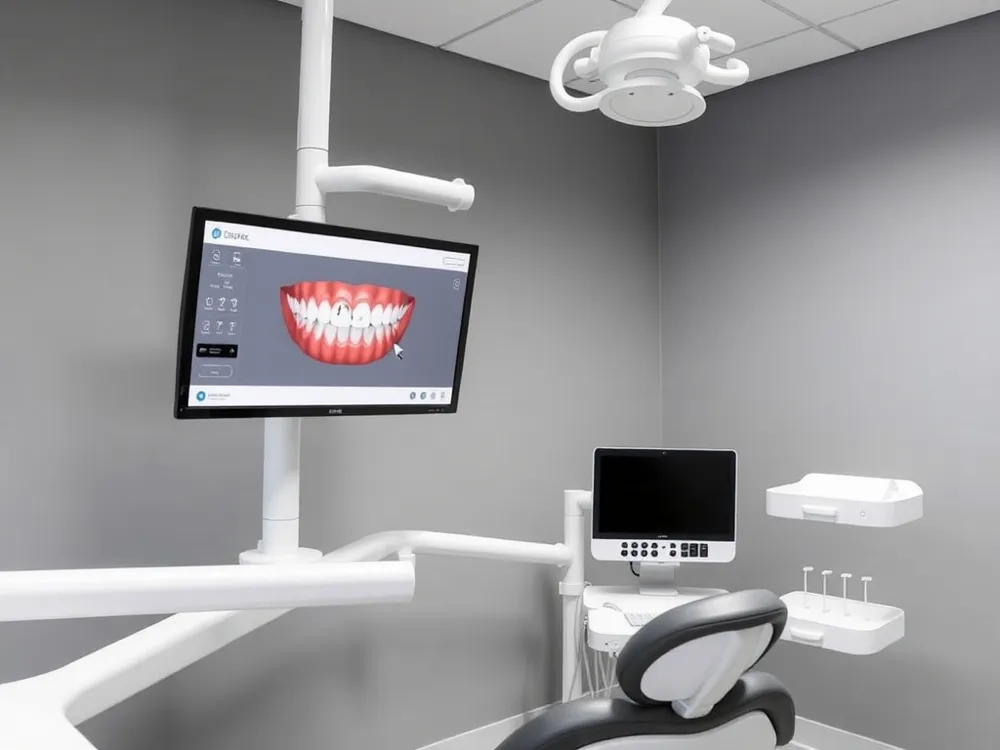
Digital Smile Design (DSD) is a modern cosmetic dentistry planning process. It uses digital tools like 3D imaging, intraoral cameras, and specialized software to simulate and design your ideal smile before any treatment begins. Think of it as a virtual preview that allows you and your dentist to collaborate on the final look.
The Origins of DSD
The concept was pioneered by Brazilian dentist Dr. Christian Coachman in 2007. His goal was to improve communication and predictability in cosmetic dentistry, moving away from guesswork and toward a more precise, data-driven approach.
Your Role in the Design
With DSD, you can see and approve proposed changes—such as tooth shape, color, and alignment—before any irreversible treatment begins. This collaborative process helps build your confidence and trust in the planned outcome.
What DSD Is (and Isn't)
It’s important to understand that DSD itself is not a permanent treatment. It is a visualization tool that serves as a blueprint for procedures like veneers, crowns, implants, or Invisalign. The longevity of your final smile depends on the actual dental treatments performed and your ongoing oral care. | Aspect | What It Is | What It Is Not | | --- | --- | --- | | Primary Purpose | A digital planning and visualization tool | A permanent dental treatment or restoration | | Role in Treatment | Creates a blueprint for procedures like veneers, crowns, or implants | Does not alter your teeth or gums directly | | Patient Involvement | Allows you to preview and approve the final look | Cannot guarantee 100% identical results in every case | | Outcome Owner | The planned design guides the final aesthetic | The longevity depends on the actual treatment and maintenance |
From Art to Science: The Principles and Evolution of DSD
Tracing the History of Smile Design: From Manual Drawings to 4D Simulation
Smile design has evolved through six distinct generations. Initially, it relied on manual hand drawings, then progressed to digital drawings in programs like Microsoft Office. The third generation linked these 2D drawings to physical analog models for wax-ups. The fourth generation introduced algorithm-based 2D drawings enabling facial 3D analysis. The fifth generation brought intraoral cameras for accurate digital impressions. Today, the sixth generation uses 4D technology with MODJAW software and CAD/CAM to simulate jaw movement, drastically reducing the need for later adjustments.
Core Principles: Facial Harmony and Precision
The central principle of Digital Smile Design (DSD) is a facially-driven approach. Designers use the interpupillary line as a digital facebow to establish a horizontal reference. Ideal tooth proportions are critical, with maxillary central incisors aiming for a width-to-length ratio of about 4:5. The design also evaluates facial symmetry, ensuring the smile harmonizes with features like the lips and gums rather than existing in isolation.
The 4-8-10 Rule and Aesthetic Guidelines
The 4-8-10 rule is a practical guideline for veneers, recommending treatment on four, eight, or ten front teeth to create a balanced, natural-looking result. This framework helps dentists and patients decide on the scope of the cosmetic case, ensuring the final outcome integrates well with the patient’s overall smile goals.
Integrating Algorithms and the Golden Proportion
Modern DSD relies on algorithms to analyze facial proportions and apply established aesthetic rules, such as the golden proportion. By using digital tools to measure every angle and dimension, DSD transforms smile design from a subjective art into a predictable science, delivering more objective and consistent results than traditional methods alone.
| Principle | Description | Example in DSD |
|---|---|---|
| Facially-Driven Design | Smile must harmonize with lips, gums, and overall face. | Using interpupillary line as a horizontal reference. |
| Tooth Proportions | Specific ratios ensure a natural look. | Central incisor width-to-length ratio is 4:5. |
| 4-8-10 Rule | Guide for number of veneers to achieve balance. | Veneers on 4, 8, or 10 front teeth. |
| Golden Proportion | Mathematical ratio for aesthetic harmony. | Algorithms check tooth widths against this ratio. |
| 4D Simulation | Movement simulation to predict functional results. | MODJAW software mimics jaw motion to reduce adjustments. |
Step by Step: The Digital Smile Design Workflow at V Dental
The Initial Consultation and Digital Records
The journey at V Dental begins with a conversation. Dr. Brandon Villarreal first discusses your smile goals and oral health. High-resolution photographs and videos are taken of your face and smile from multiple angles, capturing dynamic expressions like smiling and laughing. A comprehensive oral exam checks for cavities or gum disease that could affect the design.
Next, an iTero intraoral scanner creates an extremely accurate digital 3D model of your teeth and gums. This painless scan replaces traditional messy impressions and provides the foundation for the design.
Facial Analysis and Custom Smile Design
Using specialized software like the DSD App or Medit Smile Design, we analyze your facial features. Factors like facial symmetry, lip dynamics, and gum lines are carefully evaluated. The software considers aesthetic principles such as the golden ratio to ensure the new smile enhances your unique face.
We then create a virtual smile mock-up. We can adjust tooth shape, size, alignment, and color right on the screen, simulating everything from subtle changes to a full smile makeover.
The Digital Preview and Your Feedback
Before any tooth is touched, you are presented with a virtual preview of your potential new smile. This side-by-side comparison with your current smile allows you to see the expected outcome. Most importantly, you can provide immediate feedback. Do you want slightly longer teeth? A softer edge? A different shade? We can make real-time adjustments.
This collaborative step builds confidence and ensures the final design truly reflects your personal vision. This trial period helps align expectations and increases satisfaction with the final result.
Creating and Testing the Mock-Up
Once the digital design is approved, a physical mock-up is created to test the look and feel in your mouth. This mock-up is often produced using 3D printing technology, which V Dental integrates for enhanced precision.
A transparent silicone index is fabricated from the 3D-printed model. This index is placed over your existing teeth, and a bis-acryl resin is injected to create the temporary mock-up. This lets you “test drive” your new smile for a few days or weeks, evaluating its aesthetics, comfort, and function in real life. If adjustments are needed, we can refine the design before proceeding.
The Final Treatment Phase: Precision Execution
For many cases, the treatment plan may involve several steps to achieve the final result.
| Procedure | Example Application | Preparation Needed |
|---|---|---|
| Tooth Preparation | Reshaping teeth for veneers or crowns | Minimal, often using a depth reduction guide from the digital plan |
| Trial Restorations | Placing the mock-up to preview final result | A non-invasive step before any permanent changes |
| Invisalign | Correcting alignment or bite issues first | A clear aligner series based on the digital plan |
| Cosmetic Bonding | Direct composite to correct minor chips or gaps | May require shaping and layering flow composite |
The digital blueprint guides every step. If the plan includes tooth preparation, a depth reduction guide is 3D-printed to ensure enamel preservation. This is an ultraconservative approach.
Placement of Permanent Restorations
When the final design is perfected, the permanent restorations are fabricated. V Dental integrates DSD with CBCT imaging and 3D printing for precise implant placement or guiding surgical procedures. Lab technicians use the digital plan to create veneers, crowns, or implant abutments that match the approved design within precise specifications.
On placement day, the permanent restorations are bonded into place using a detailed cementation protocol for long-lasting results. The final result closely mirrors the digital preview, often with more than 95% accuracy.
Follow-Up: Ensuring Function and Longevity
Your satisfaction and the restoration's long-term health are our final priority. At a follow-up visit, we check:
- Fit: Ensure a seamless bond and no gaps.
- Occlusion (Bite): Ensure proper alignment and function.
- Interproximal Contacts: Ensure dental floss passes through correctly.
- Comfort: A smooth, natural feel with no sharp edges.
We provide aftercare instructions for cleaning and regular check-ups to maintain your smile. This step guarantees not just a beautiful smile, but one that functions correctly and lasts. V Dental’s commitment to personalized care and modern technology ensures a smooth, predictable, and rewarding experience from start to finish.
Software and Tools Behind the Smile
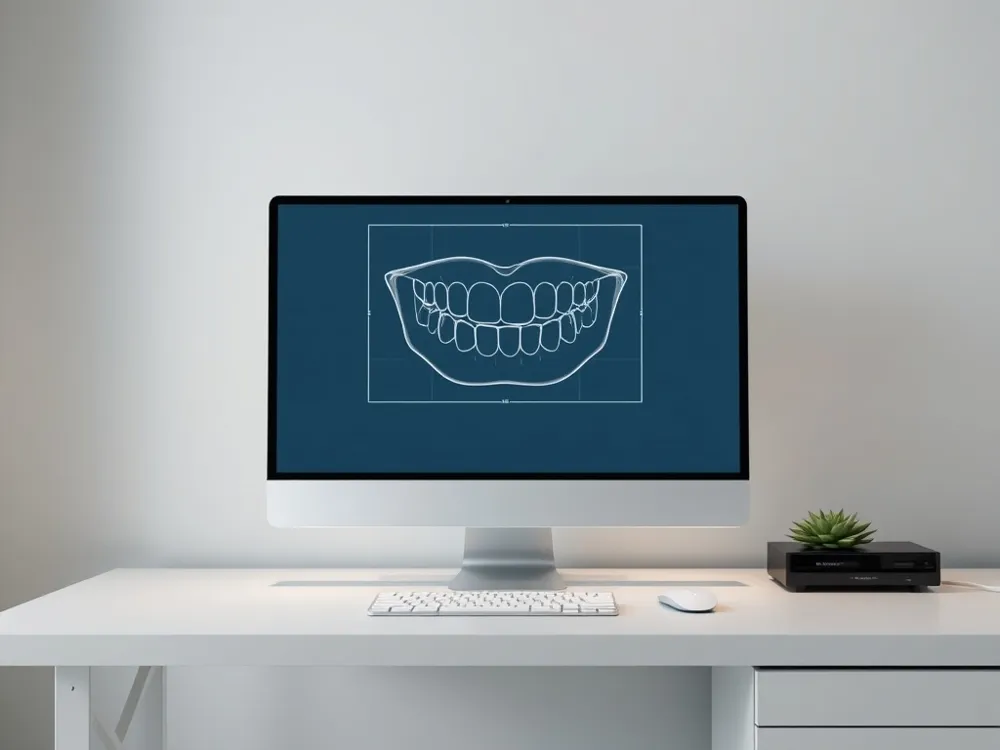 A successful digital smile makeover relies on sophisticated software that translates artistic vision into a precise, treatment-ready plan. At V Dental, these tools are central to the process, ensuring your new smile is designed with micron-level accuracy before any work begins.
Popular DSD Software and Their Roles
Several professional-grade applications lead the field of digital smile design, each with unique strengths:
| Software | Key Features | Typical Use Case |
|---|---|---|
| Medit Smile Design | Free-to-use, integrates with intraoral scanners, creates digital wax-ups | Generating fast, chairside previews and 3D treatment plans |
| DSD App | 2D smile simulations for iPad, powerful patient communication tools | Presenting design concepts and gathering patient feedback |
| Smile Design Pro | Advanced facial analysis, detailed customization of tooth morphology | Complex cases requiring precise aesthetic and functional planning |
| iTero Built-in Tools | Direct simulation from intraoral scans, side-by-side comparisons | Providing immediate, chairside visualizations of potential outcomes |
These platforms give your dentist complete control to adjust tooth shape, size, color, and alignment. They can simulate the effects of different treatments—from subtle tooth whitening to a full set of veneers—allowing you to compare options and finalize a look that feels authentically yours.
Free vs. Professional-Grade Tools
While free online smile design tools like iSmile Simulation can offer a basic preview, they lack the precision needed for clinical application. Professional software like Medit Smile Design or the DSD App provides the detailed data required to fabricate restorations. At V Dental, the integration of iTero scanning and CBCT imaging with these design tools ensures your final smile matches the digital preview with exceptional accuracy, minimizing the need for adjustments and making the entire process more predictable.
Real-Life Results: Eating, Care, and What to Expect
Testing Your Smile Before Commitment: The Mock-Up Experience
A unique advantage of DSD is the ability to "test drive" your new smile before any permanent work begins. After the digital design is finalized, a 3D-printed mock-up is placed directly in your mouth. This physical trial allows you to evaluate the fit, feel, and appearance of your future smile, ensuring you are completely satisfied before moving forward with final restorations like veneers or crowns.
Eating with Your New Smile
The digital smile simulation itself is a planning tool, not an appliance, so you cannot eat with it. However, after your permanent restorations are placed, normal eating is possible with sensible precautions. To protect your new smile, dentists recommend avoiding hard or sticky foods, cutting food into small pieces, and chewing primarily with your back teeth. With this care, you can enjoy most meals without major restrictions.
Minimally Invasive Procedures and Satisfaction
DSD treatments are designed to be minimally invasive, preserving more of your natural tooth structure. Maintaining your results is straightforward—regular brushing, flossing, and routine dental check-ups are all that is required. This patient-centered approach leads to high satisfaction. Studies report that DSD patients experience up to 45% higher satisfaction compared to traditional methods, and the precision of the digital planning significantly reduces the need for costly revisions.
| Aspect | Traditional Cosmetic Dentistry | Digital Smile Design (DSD) | Key Difference |
|---|---|---|---|
| Planning & Preview | Relied on verbal descriptions & dentist's artistic vision | Provides a virtual preview and physical mock-up for patient approval | Patient Involvement is central in DSD |
| Tooth Preparation | Can be more invasive | Minimally invasive, preserving natural tooth structure | Conservation of healthy enamel is higher with DSD |
| Patient Satisfaction | Varies; often requires adjustments post-treatment | Up to 45% higher satisfaction; fewer revisions needed | Predictability of DSD leads to better outcomes |
| Post-Treatment Eating | Similar precautions required | Same precautions—avoid hard/sticky foods, use back teeth | Care remains essential regardless of technique |
The Deep Benefits: Predictability, Precision, and Patient Satisfaction
Remarkable Accuracy and Efficiency
Digital Smile Design (DSD) transforms cosmetic dentistry from an art into a predictable science. Clinical data shows a 95% accuracy rate between the digital preview and the final result, with an error margin below 0.1mm. This precision drastically reduces the need for adjustments. The digital workflow also slashes traditional treatment timelines by 40-50%, cutting patient visits from 5-6 down to just 2-3, saving you significant time.
A Universal Language for Your Smile
DSD eliminates guesswork and miscommunication. It acts as a "universal language" that allows you, your dentist, and the lab technician to see the exact same vision of your final smile. This shared understanding reduces the risk of misunderstandings and costly mistakes, while creating clear documentation that helps avoid potential medico-legal issues.
Minimally Invasive, Maximally Preserved
Because the outcome is planned in advance, Dr. Villarreal can use a minimally invasive approach. This technique preserves more of your natural, healthy tooth structure. The precise digital blueprint integrates seamlessly with V Dental's advanced technology—like iTero scanning and CBCT imaging—and CAD/CAM systems to fabricate stunning, perfectly fitting restorations like veneers and crowns. The result is a beautiful, healthy smile achieved with maximum conservation.
| Benefit | Traditional Method | DSD (Digital Smile Design) | Impact on You |
|---|---|---|---|
| Accuracy | High risk of human error | 95% match to digital plan | Predictable results you’ll love |
| Precision | Variable, within 0.3-0.5mm | Below 0.1mm error margin | Less need for adjustments |
| Treatment Time | 5-6+ appointments | 2-3 appointments | Saves weeks of chair time |
| Communication | Verbal descriptions & guesswork | Shared 3D visual "language" | Confident, informed decisions |
| Tooth Preservation | Can be more aggressive | Minimal, structure-sparing | Healthier teeth long-term |
| Key Tech Used | Physical impressions | iTero scans & CBCT imaging | Comfort & precision from day one |
Is DSD Right for You? Who Can Benefit Most
Ideal Candidates for Digital Smile Design
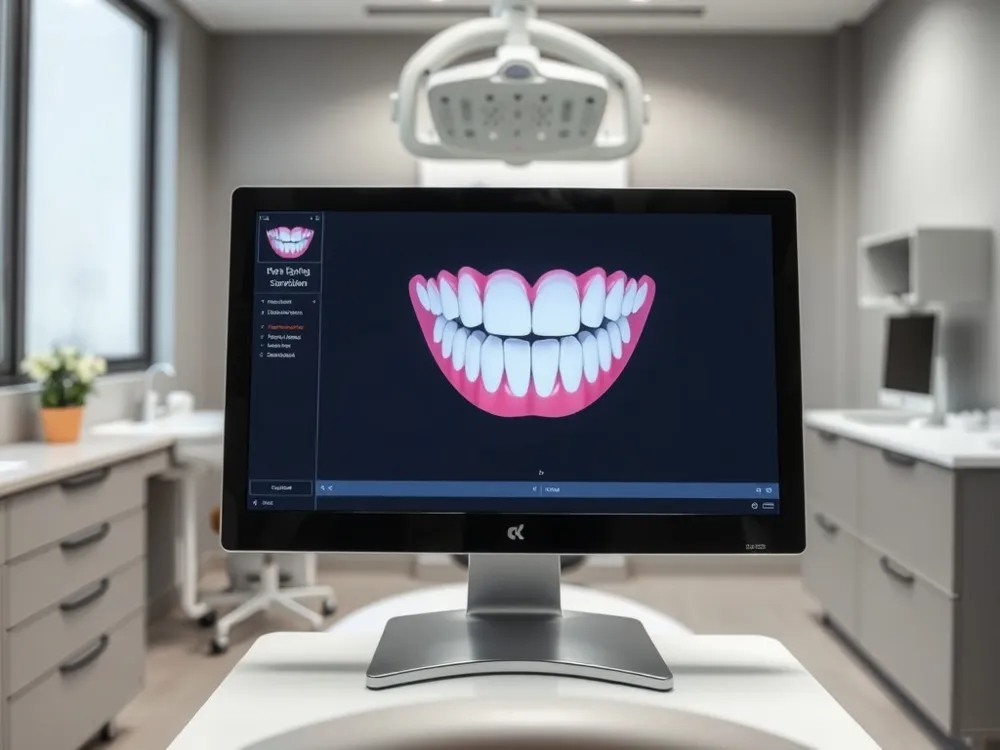
Digital Smile Design is an excellent tool for anyone considering cosmetic or restorative dentistry. Ideal candidates include those planning veneers, crowns, Invisalign, dental implants, or a full smile makeover. It is also perfect for patients who feel uncertain about treatment or want to be actively involved in designing their new smile.
DSD for Complex and Functional Cases
DSD is particularly valuable for complex cases. When a treatment plan involves multiple disciplines, such as restorative, orthodontic, or surgical work, DSD provides a shared digital blueprint for the entire team. It is also highly beneficial for patients with bite issues or worn-down teeth, as the digital design can improve both aesthetics and functionality.
Understanding the Limitations
While powerful, DSD has limitations. The upfront cost is often 30–40% higher than traditional methods due to the advanced equipment and training required. In about 15–20% of cases, severe anatomical conditions like advanced bone loss can make it difficult to achieve a result that perfectly matches the digital design. Patient expectations need to be managed accordingly.
Take the First Step at V Dental
Ready to see if DSD is right for you? Schedule a consultation at V Dental to discuss your smile goals. Dr. Villarreal and his team use advanced technology, including iTero scanners and CBCT imaging, to offer a personalized approach. They will help you understand how DSD can craft your perfect smile, starting with a virtual preview before any treatment begins.
| Candidate Profile | Key Benefit of DSD | Common Applications |
|---|---|---|
| Aesthetic Concerns | Preview and customize the final result | Veneers, crowns, whitening |
| Orthodontic Needs | Simulate tooth movement and final alignment | Invisalign, braces |
| Complex Cases | Coordinate multi-specialty teams | Full-mouth rehabilitation |
| Functional Issues | Design for both beauty and bite | Worn or misaligned teeth |
Your Smile, Designed Before You Start
A Predictable Path to Your Perfect Smile
Digital Smile Design (DSD) transforms cosmetic dentistry from an art reliant on guesswork into a precise, predictable science. Instead of hoping for the best, you become an active partner in creating your new smile. The process begins with your unique facial features, dental anatomy, and personal preferences, translating them into a clear, digital blueprint. This collaborative approach ensures the final result is not only beautiful but also natural-looking and perfectly suited to you. It turns a leap of faith into a confident, step-by-step journey.
Art and Technology at V Dental
At V Dental in Live Oak, Dr. Brandon Villarreal combines this advanced digital planning with his artistic vision. Using state-of-the-art technology like the iTero 3D scanner and CBCT imaging, he captures every detail needed to design your smile. This powerful combination allows for minimally invasive procedures, shorter treatment times, and results that enhance your natural beauty. You are not just a patient; you are a collaborator in crafting a smile that exceeds your expectations.
Experience Your New Smile Today
Ready to see the future of your smile? Take the first step toward a more confident you. Book a DSD consultation at V Dental to preview your personalized design before any treatment begins. Discover how predictable, collaborative, and transformative cosmetic dentistry can be.