Recognizing the Urgency: Why Some Dental Problems Cannot Wait
Defining a Dental Emergency and the Role of Emergency Extraction
Not every toothache is an emergency. However, when a tooth causes intense, persistent pain that over-the-counter medication cannot touch, or when an abscess leads to significant facial swelling and fever, the situation becomes urgent. The source of the problem—whether it is deep decay, an infection that has reached the root, or a fracture that extends below the gum line—has likely damaged the tooth beyond repair. An emergency tooth extraction is the procedure that provides immediate relief from this severe pain and halts the spread of the infection to other parts of the body, acting as a critical intervention to protect your overall health.
Acting Fast: The Signs That Cannot Be Ignored
Time is of the essence in a dental emergency. Ignoring symptoms like throbbing, unrelenting pain, swelling that spreads to the face or neck, a fever, or a loose adult tooth can allow a local infection to escalate into a systemic threat. In advanced gum disease or after traumatic injury, a loose tooth signals that the supporting bone and tissues have been compromised. Delaying treatment increases the risk of the infection entering the bloodstream (sepsis) and worsens damage to neighboring teeth. For a knocked-out tooth, the window for successful reimplantation is just 30 to 60 minutes. Recognizing these signs and acting fast can mean the difference between saving your health and facing a more complex medical emergency.
Trusted Emergency Care in Live Oak
When an urgent dental problem cannot wait, having a trusted provider nearby is essential. V Dental, located in Live Oak, Texas, and led by Dr. Brandon Villarreal, is well-equipped to handle these situations. The practice offers same-day emergency care and utilizes modern tools like CBCT 3D imaging and digital X-rays to diagnose the issue quickly and accurately. For patients experiencing anxiety, V Dental provides sedation options to ensure a calm, pain-free experience during the extraction. By combining advanced diagnostics with a patient-centered approach, V Dental ensures that you receive the prompt, effective treatment needed to stop pain and prevent further complications.
| Sign | Risk of Delay | Available Care at V Dental |
|---|---|---|
| Severe, unrelenting pain | Infection spread, damage to adjacent teeth | Same-day extractions, sedation for comfort |
| Facial swelling & fever | Abscess, sepsis, difficulty breathing | Immediate exam, digital X-rays, antibiotic therapy |
| Loose adult tooth (trauma/gum disease) | Permanent tooth loss, bone loss | Evaluation of stability, extraction if needed, implant planning |
| Dental abscess (pus, foul taste) | Systemic infection, life-threatening condition | Drainage, extraction, infection control |
| Impacted wisdom tooth (pain, limited opening) | Damage to neighboring teeth, cyst formation | Surgical extraction with IV sedation options |
Six Clear Signs You Need an Emergency Extraction—and Why Prompt Action Matters
Severe, Unrelenting Tooth Pain That Won't Quit
Persistent, throbbing tooth pain that doesn't respond to over-the-counter pain relievers is often a sign of advanced decay reaching the pulp or a cracked tooth extending to the root. This level of pain indicates that the tooth’s nerve is compromised, and extraction may be the only way to stop the suffering and prevent the infection from spreading.
Swelling: A Clear Red Flag for Dental Abscess
Swelling in the gums, jaw, or face can signal a dental abscess—a pocket of pus caused by a bacterial infection. If the swelling spreads to your neck or is accompanied by difficulty breathing or swallowing, it's a medical emergency requiring immediate extraction to prevent serious complications like sepsis.
A Loose or Shifting Adult Tooth
An adult tooth that feels loose or has shifted position without recent trauma often points to advanced gum disease (periodontitis) or significant bone loss. Extraction is often necessary to protect neighboring teeth and stabilize your bite, preventing further oral health deterioration.
Persistent Infection Despite Antibiotics
When a tooth infection persists or recurs even after a course of antibiotics, especially in patients with a compromised immune system, extraction is often required. Delaying treatment can lead to an abscess or a life-threatening systemic infection.
Wisdom Tooth Complications
Impacted wisdom teeth or those growing at odd angles can cause intense pain, swelling, and difficulty opening the mouth. These complications often require urgent surgical extraction to relieve pressure and prevent damage to adjacent teeth.
Tooth Damaged Beyond Repair from Trauma
If a tooth is severely broken or fractured from a sports injury, fall, or car accident, and restorations like crowns or fillings cannot fix the structural damage, extraction becomes the only viable option. This prevents further complications and paves the way for a replacement.
How Do You Know if You Need an Emergency Tooth Extraction?
You may need an emergency extraction if you experience severe tooth pain that persists, swelling in your face or jaw (especially with a pimple-like bump on your gums), or uncontrollable bleeding from a tooth. A loose or shifting tooth without injury, or a cracked tooth exposing nerves, also warrants urgent care. If a toothache is paired with fever or general illness, the infection may have entered your bloodstream, making prompt extraction critical.
What Are the Signs of Sepsis from a Tooth Infection?
Recognizing the symptoms of dental sepsis is crucial. Look for persistent, throbbing tooth, jaw, or face pain; noticeable facial swelling; fever; swollen lymph nodes; foul-tasting discharge from the gums; or difficulty swallowing. These signs indicate a severe infection that requires immediate medical intervention.
| Sign | What It Indicates | Urgency Level |
|---|---|---|
| Severe, unrelenting tooth pain not helped by OTC meds | Deep decay, infection, or nerve damage | Immediate extraction often needed |
| Facial or jaw swelling | Dental abscess or severe infection | Can be a medical emergency if spreading |
| Loose or shifting adult tooth | Advanced gum disease or bone loss | Extraction may protect nearby teeth |
| Persistent infection despite antibiotics | Root-level infection or compromised immunity | High risk of sepsis; extraction required |
| Painful, impacted wisdom tooth | Impaction, infection, or misalignment | Often requires urgent surgical removal |
| Tooth broken beyond repair | Trauma from accident or injury | Extraction needed; cannot be restored |
Cost, Insurance, and Payment Options: Making Emergency Extraction Affordable

How much does a tooth extraction cost, and are there options for emergency extraction with no insurance?
The cost of a tooth extraction depends heavily on its complexity. A simple extraction for a visible tooth typically ranges from $70 to $250. In contrast, a surgical extraction, needed for broken or impacted teeth, can run from $180 to $650 per tooth. Additional fees for X-rays, sedation, and anesthesia can double the total expense. For emergency extractions without insurance, costs start higher, generally between $150 and $650.
Many practices, including V Dental in Live Oak, help make care accessible. They offer flexible financing and payment plans for patients without insurance. Always request a full, upfront cost estimate that includes all potential fees to avoid surprises. Prompt treatment can prevent more costly and serious health issues down the road.
Does Medicaid cover emergency tooth extraction?
Medicaid coverage for emergency tooth extraction varies by state. For adults, most states, including Texas, provide at least emergency dental services, such as extractions, to relieve pain or treat infection. In Texas, adult benefits are limited, but emergency extractions are typically covered when deemed medically necessary.
For children under 21, Medicaid generally has broader coverage. The Early and Periodic Screening, Diagnostic, and Treatment (EPSDT) benefit mandates coverage of dental services, including emergency extractions. To confirm your specific coverage and any annual limits, check with your Medicaid plan or a local provider like V Dental for guidance.
| Procedure Type | Typical Cost Range (without insurance) | Common Additional Fees |
|---|---|---|
| Simple Extraction | $70 – $250 | X-rays, exam, anesthesia |
| Surgical Extraction | $180 – $650 per tooth | X-rays, sedation, incision |
| Wisdom Tooth Removal | $200 – $1,000 per tooth | Anesthesia, follow-up care |
| Emergency Exam & X-ray | $49 – $150 (promotional rates available) | Consultation, diagnosis |
What to Expect During an Emergency Extraction: Step by Step
Initial Examination and Advanced Imaging
Your emergency appointment begins with a thorough examination. To plan a safe extraction, the dentist uses digital X-rays or CBCT 3D imaging. These advanced tools provide a detailed view of the tooth, its roots, and the surrounding bone structure. This critical assessment helps identify any potential complications, ensuring a precise and effective procedure.
Ensuring a Pain-Free Experience
To guarantee your comfort, local anesthesia is administered to completely numb the area. For more complex cases or anxious patients, sedation options are available. These range from oral sedation to IV sedation, allowing you to remain relaxed and pain-free throughout the entire process.
The Extraction Procedure
The extraction method depends on the tooth's condition. A simple extraction is performed on visible teeth. The dentist uses a specialized tool called an elevator to gently loosen the tooth, then removes it in one piece with forceps. For a tooth that is broken, impacted, or below the gumline, a surgical extraction is necessary. This involves making a small incision in the gum and sometimes cutting the tooth into sections for easier removal. The procedure itself is efficient, typically lasting between 20 and 40 minutes.
Post-Extraction Care and Recovery
After the tooth is removed, the dentist cleans the empty socket. Stitches may be placed to promote healing, and you will bite down on sterile gauze to stop bleeding and form a protective blood clot. Before you leave, you will receive detailed aftercare instructions. These will cover pain management, a soft-food diet, activity restrictions, and warning signs to monitor, such as persistent fever or pus.
| Topic | What to Expect | Key Action |
|---|---|---|
| Diagnosis | Digital X-rays or CBCT 3D imaging assess tooth and bone. | Accurate planning for safe removal. |
| Anesthesia | Local anesthesia or sedation (IV, oral) ensures no pain. | Communicate any anxiety with dentist. |
| Procedure | Simple extraction for visible teeth; surgical for impacted. | Procedure takes 20–40 minutes. |
| Aftercare | Bite on gauze, use cold packs, eat soft foods, avoid straws. | Follow all dentist-provided instructions. |
Recovery and Aftercare: Your Guide to Healing Without Complications

What should I expect during the first night after a tooth extraction?
During the first night after a tooth extraction, expect some bleeding, swelling, and discomfort. Your body is working to form a protective blood clot at the extraction site. Keep your head elevated on pillows to help reduce swelling. Apply ice packs for 15–20 minutes at a time, 20 minutes on and 20 minutes off. Avoid spitting, rinsing, or using a straw to protect the vital blood clot. Take any prescribed pain medication before the numbness fully wears off to stay ahead of discomfort. Remove any gauze before sleeping to prevent choking. It is normal to see some light oozing or pink-tinged saliva throughout the night. Rest with your head propped up to support healing and minimize complications.
What things should I avoid after tooth extraction?
After a tooth extraction, avoid actions that can dislodge the protective blood clot, including using a straw, smoking, and spitting vigorously. These can lead to a painful dry socket. Steer clear of very hot foods and drinks, as well as hard, crunchy, sticky, or chewy items like nuts, popcorn, chips, and gum. Spicy and acidic foods, such as citrus, tomatoes, and soda, can irritate the wound and slow healing. Avoid alcohol for at least 48 hours as it interferes with recovery. Refrain from strenuous activity or heavy lifting, which can increase bleeding or swelling. Stick to soft, cool, mild foods and stay hydrated with water to support a smooth recovery.
What is the 3-3-3 rule for toothache?
The 3-3-3 rule for toothache is a temporary pain management strategy. It involves taking 3 ibuprofen (600 mg total) every 3 hours, then switching to 3 acetaminophen (1000 mg total) every 3 hours, alternating between these medications. This approach provides short-term relief but is not a substitute for professional dental care. The rule is only a stopgap measure and should not be followed for more than one day. If pain persists, it may indicate a serious condition like an abscess or decay that requires immediate treatment. Contact a dentist like Dr. Villarreal at V Dental for a proper diagnosis.
First Night and 24-Hour Recovery
After 24 hours, gently rinse your mouth with warm salt water to promote healing. Do not brush directly over the extraction site for several days, or until your dentist clears it. Stick to soft foods like yogurt, applesauce, and smoothies. Avoid hard or crunchy foods for at least a week. The day after the procedure, you can often return to light daily activities. Full healing of the gums can take a couple of weeks, while the jawbone may take several months to fully mend. The third day after an extraction is often when pain peaks, but this is normal and manageable with medication and rest.
What are the disadvantages of tooth extraction?
Tooth extraction can lead to short-term side effects like pain, swelling, bleeding, and infection, which usually resolve with proper care. More serious risks include nerve injury, which may cause temporary numbness or tingling in the lips and gums. Long-term disadvantages include bone loss in the jaw due to missing tooth roots, shifting of adjacent teeth, and bite misalignment that can affect chewing and jaw comfort. Over time, unsupported facial structures can lead to a sunken appearance. Replacing an extracted tooth with an implant, bridge, or partial denture often involves significant cost and ongoing maintenance. Discuss these replacement options promptly with your dentist to preserve jaw structure and oral health.
| Recovery Phase | Key Actions | Foods to Avoid | Signs to Call a Dentist |
|---|---|---|---|
| First 24 hours | Keep head elevated; apply ice packs 20 mins on/off; take prescribed pain relievers before numbness wears off | Straws, smoking, spitting, hot foods, alcohol, hard/sticky foods (nuts, chips, gum) | Fever of 100.4°F or higher, excessive bleeding not stopping, severe pain unmanageable by medication |
| Days 2-3 | Gently rinse with warm salt water after 24 hours; do not brush extraction site; stick to soft, cool foods | Spicy or acidic foods, crunchy items, chewing near extraction site | Pus drainage, foul taste, swelling increasing after 48 hours |
| Week 1 | Gradually introduce soft, easy-to-chew foods; avoid strenuous activity; rest with head elevated | Hard shell foods (popcorn), chewy meats, sticky candies | Pain that worsens after day 3, visible dry socket (exposed bone), signs of infection |
| Long-term (weeks to months) | Discuss tooth replacement (implant, bridge, denture); maintain gentle oral hygiene away from site | Avoid biting directly on healing area until cleared | Shifting of adjacent teeth, bite changes, continued pain or sensitivity after full healing |
When to Seek Professional Help
Contact your dentist immediately if you experience a fever of 100.4°F or higher, pus drainage from the site, or severe pain that does not improve with medication. Any sign of infection—such as increased swelling after the first 48 hours or a foul taste—requires professional evaluation. If you cannot reach your dentist, visit the nearest emergency room for infection management, though remember that ERs typically cannot perform extractions. For patients in Live Oak, Texas, V Dental offers same-day emergency services and follow-up care to ensure a smooth recovery.
For personalized recovery guidance and to discuss tooth replacement options, contact Dr. Brandon Villarreal at V Dental.
Ready to prioritize your oral health? Contact V Dental in Live Oak, TX today to schedule your appointment or emergency consultation.
Wisdom Teeth and Challenging Extractions: What to Know
Why Impacted Lower Wisdom Teeth Are the Most Difficult Extractions
The most challenging tooth to extract is typically an impacted lower wisdom tooth. These teeth are trapped beneath the mandible, which is the densest bone in the body. They often grow at awkward angles, and their roots frequently curve around the inferior alveolar nerve, making removal extremely complex. Surgeons may need to cut the tooth into pieces and remove bone just to access it. Upper first molars with multiple spreading roots are also notoriously difficult, but lower wisdom teeth consistently rank as the hardest due to their position, bone density, and the high risk of nerve complications.
Surgical Extraction and Sedation at V Dental
For deeply impacted teeth, a surgical extraction by an oral surgeon is standard. This procedure involves making an incision in the gum and possibly sectioning the tooth before removal. V Dental offers sedation options to help manage anxiety and ensure patient comfort during these complex extractions. Sedation can range from nitrous oxide to IV sedation, minimizing discomfort and fear during the procedure.
Simple vs. Surgical Extraction: Cost and Procedure
Simple extractions are performed on fully erupted, visible teeth. The dentist gently loosens the tooth and removes it with forceps, a quicker and less invasive process. Surgical extractions are required for broken, impacted, or below‑gumline teeth and involve an incision or bone removal.
The cost varies significantly. Simple extractions typically range from $130 to $250 per tooth, while surgical extractions can cost between $200 and $1,000 per tooth, depending on complexity. These fees often do not include the cost of an initial exam, X‑rays, or anesthesia.
| Tooth Type | Extraction Method | Typical Cost Range | Description |
|---|---|---|---|
| Fully erupted, visible tooth | Simple extraction | $130 – $250 | Quick removal with forceps; minimal invasiveness |
| Impacted or broken tooth | Surgical extraction | $200 – $1,000 | Involves gum incision, bone removal, or sectioning the tooth |
| Impacted lower wisdom tooth | Surgical extraction | $200 – $1,000+ | Often the most complex; requires careful nerve avoidance |
Finding Emergency Care in Live Oak, Texas: Your Questions Answered
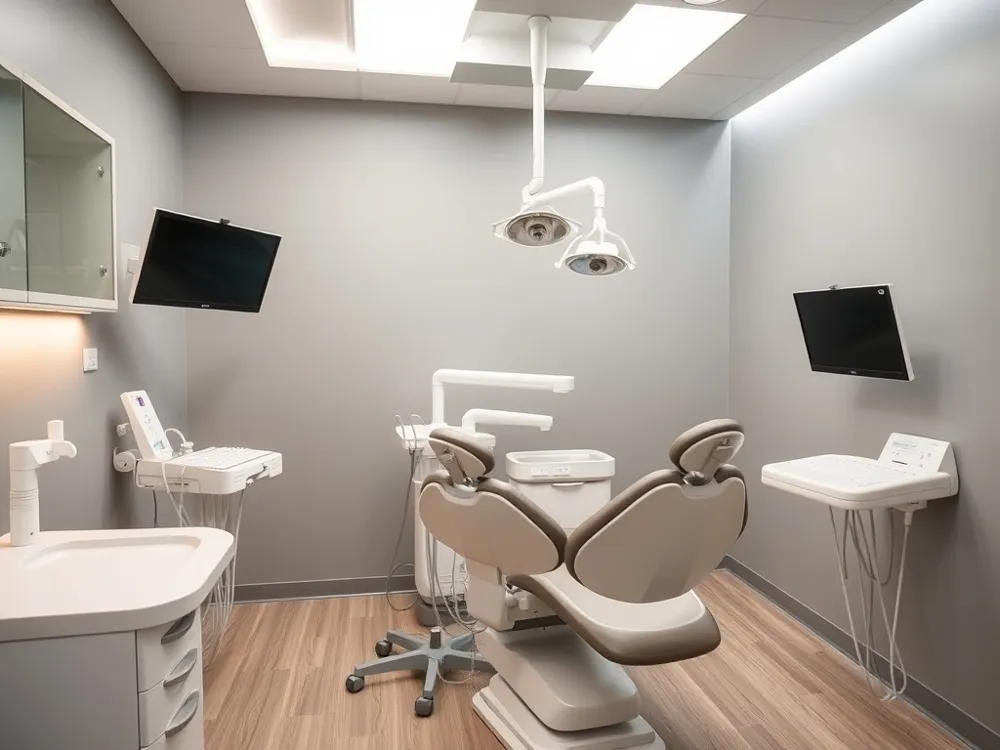
Can I get a 24-hour emergency dental extraction in Live Oak, Texas?
Yes, several dental practices in Live Oak, including V Dental and Olympia Hills Family Dental, offer emergency tooth extractions, often on a same-day basis. However, '24-hour' emergency service is not guaranteed at every clinic; most offices have specific hours and may be closed overnight or on weekends. If you are experiencing severe pain, it is best to call V Dental or other local emergency dentists directly to ask about current availability and after-hours care.
What should I expect during an emergency visit?
Always call ahead to confirm availability. Many practices prioritize urgent cases and can schedule you quickly, even squeezing in walk-ins when possible. For true 24-hour care, you may need to contact a hospital emergency room or a 24-hour dental service in the surrounding area.
How does V Dental ensure a pain-free experience?
V Dental uses advanced technology like CBCT 3D imaging and digital X-rays for precise diagnosis, and offers sedation options to ensure a pain-free experience. Dr. Brandon Villarreal emphasizes personalized treatment, flexible financing, and convenient appointments for patients in Live Oak and nearby communities.
| Practice | Emergency Service | Key Features |
|---|---|---|
| V Dental | Same-day emergency extractions | CBCT 3D imaging, sedation, flexible financing |
| Olympia Hills Family Dental | Emergency extractions & other urgent care | IV sedation, prompt scheduling for trauma/pain |
| Hospital ER | Pain management, antibiotics (no extraction) | 24-hour care |