Why Early Dental Care Sets the Stage for Lifelong Health
The Prevalence of Childhood Cavities
Tooth decay is the most common chronic disease of childhood in the United States, affecting more than half of children ages 6 to 8 and over half of adolescents ages 12 to 19. Without treatment, cavities can cause pain, infections, and problems with eating, speaking, and learning. This high prevalence underscores that prevention must start early, as nearly one in four children ages 2 to 5 have already developed cavities in their baby teeth.
Benefits of Establishing a Dental Home by Age 1
The American Academy of Pediatric Dentistry and the American Academy of Pediatrics recommend that every child establish a "dental home" by their first birthday or within six months of their first tooth erupting. This early, ongoing relationship with a dentist provides a foundation for preventive care, including regular exams, fluoride varnish applications, and dental sealants. Children with an early dental home are more likely to have positive dental experiences, reducing future anxiety and the need for emergency care. Early visits also allow dentists to detect problems before they become serious and to educate families on proper oral hygiene, diet, and habits like pacifier use.
How Early Habits Influence Future Oral and Overall Health
Oral hygiene habits formed in early childhood—such as brushing twice daily with fluoride toothpaste, flossing, and limiting sugary snacks—directly affect a child's risk of cavities and gum disease throughout life. Healthy baby teeth are essential for proper chewing, speech development, and holding space for permanent teeth. Untreated oral infections can also contribute to systemic health problems, including heart disease and diabetes, in adulthood. By teaching children the importance of dental care and modeling good habits, parents set the stage for a lifetime of healthier teeth and gums. Early preventive care is not only less costly than treating advanced decay but also supports a child's overall well-being, confidence, and ability to eat, speak, and smile without pain.
Foundations of Pediatric Oral Care
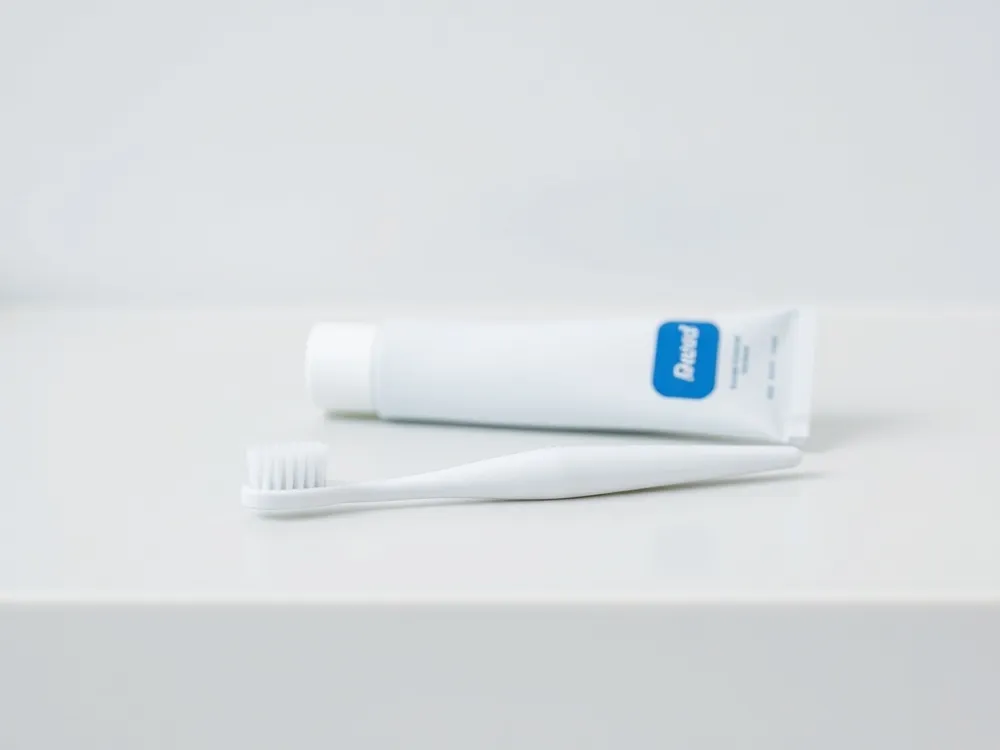
Brushing Technique and Frequency for Infants and Toddlers
Oral care should begin even before the first tooth appears. For infants, gently wipe the gums with a soft, damp cloth after each feeding and before bedtime to remove bacteria and sugars. Once the first tooth erupts, typically around six months, switch to a small, soft-bristled toothbrush. For children under three years old, use a “smear” of fluoride toothpaste (the size of a grain of rice). Children aged three and older can use a pea-sized amount. Brush twice daily for two minutes, supervising children under six to ensure they spit out the toothpaste and do not swallow it. Parental assistance is recommended until children develop the dexterity to brush effectively on their own, usually around age eight to ten.
Introducing Flossing and Child-Friendly Flossers
Flossing should begin as soon as two teeth touch each other, which can happen as early as 12 to 18 months of age. This daily practice removes plaque and food debris from between teeth where a toothbrush cannot reach. For young children, child-friendly flossing tools, such as hand-held flossers or floss picks, can make the process easier and less intimidating. Parents should assist with flossing until the child can manage independently, typically by age eight to ten. The goal is to floss once a day, ideally before bedtime, to help prevent cavities between teeth and maintain healthy gums.
The Role of Fluoride Toothpaste and Rinses
Fluoride is a mineral that strengthens tooth enamel and is a cornerstone of cavity prevention. Using fluoride toothpaste twice a day, with the correct amount for the child’s age, is highly effective at reducing decay. Parents should not rinse the child’s mouth after brushing to maximize fluoride contact with the teeth. For children over six years old who can reliably spit, a dentist might recommend a daily fluoride mouth rinse for added protection. It is also important to ensure children drink fluoridated tap water, as community water fluoridation is a proven method to reduce cavities across the population.
Why Regular Dental Visits Matter
Regular dental check-ups are essential for early detection and prevention of problems. Children should have their first dental visit by their first birthday or within six months of their first tooth erupting. These early visits help familiarize children with the dental office, reducing future anxiety, and allow the dentist to monitor growth and development. At routine appointments, typically every six months, a hygienist performs a professional cleaning to remove tartar, and the dentist examines for cavities, applies protective fluoride varnish, and may recommend dental sealants for back teeth. Consistent visits also provide an opportunity for parents to receive tailored guidance on diet, habits, and oral hygiene, reinforcing lifelong healthy routines.
Nutrition, Lifestyle, and the Right Oral‑Care Products
What are effective ways to improve children’s teeth health?
A child's diet plays a massive role in tooth health. Sugar feeds the bacteria in plaque, which produce acid that attacks enamel. Limiting sticky, sugary snacks and drinks—including fruit juice, soda, and sports drinks—is one of the most effective ways to prevent cavities. When sweets are consumed, offering them at mealtimes rather than between meals helps reduce the frequency of acid attacks. Water, especially fluoridated tap water, is the best drink between meals as it helps rinse away food particles and bacteria while providing fluoride to strengthen enamel.
Fluoride is a cornerstone of cavity prevention. Community water fluoridation is a safe and effective way to reduce decay. For children in areas without fluoridated water, a dentist or pediatrician can prescribe fluoride supplements. Professional fluoride varnish applied to teeth during dental visits can reverse early damage and prevent about one-third of cavities in baby teeth. These treatments are often covered by insurance and should be discussed at every checkup.
Pacifier use and nighttime bottle habits require careful management. Never dip a pacifier in sugar, honey, or any sweet substance. To prevent early childhood caries, avoid putting a child to bed with a bottle containing anything other than water. Prolonged exposure to milk, formula, or juice while sleeping allows sugars to linger on teeth, dramatically increasing decay risk. Weaning from the bottle by age one is recommended.
What oral care products are recommended for children?
Using the right tools makes daily oral care effective and more enjoyable for children. Here is a guide to age-appropriate products:
| Age Group | Toothbrush | Toothpaste | Flossing | Other Products |
|---|---|---|---|---|
| 0-3 years | Soft-bristled, child-sized brush | Smear (grain-of-rice size) of fluoride toothpaste | N/A until teeth touch | Clean gums with soft cloth before teeth erupt |
| 3-6 years | Soft-bristled, small-head brush (manual or electric) | Pea-sized amount of fluoride toothpaste (1000 ppm fluoride) | Introduce floss picks or pre-threaded flossers when teeth touch | Fun timer or 2-minute song to ensure brushing time |
| 6-12 years | Soft-bristled brush; electric with timer can be helpful | Pea-sized amount of fluoride toothpaste (1000-1450 ppm fluoride) | Regular floss or interdental brushes; parental help still needed | Alcohol-free mouthwash (after age 6, if child can spit); dental sealants at checkups |
| 12+ years | Standard soft-bristled brush | Pea-sized amount of fluoride toothpaste | Independent flossing | Continue mouthwash if desired; maintain regular dental visits |
Direct parental supervision of brushing is crucial until a child has good manual dexterity, typically around age 7-8. For children who dislike the taste of fluoride toothpaste, flavor-free or natural options like nano-hydroxyapatite can be effective alternatives, especially for toddlers. Incorporating a two-minute song or a brushing app can turn the routine into a fun game, encouraging consistent and thorough cleaning.
Making Oral Hygiene Fun for Preschoolers and Celebrating Dental Health Month
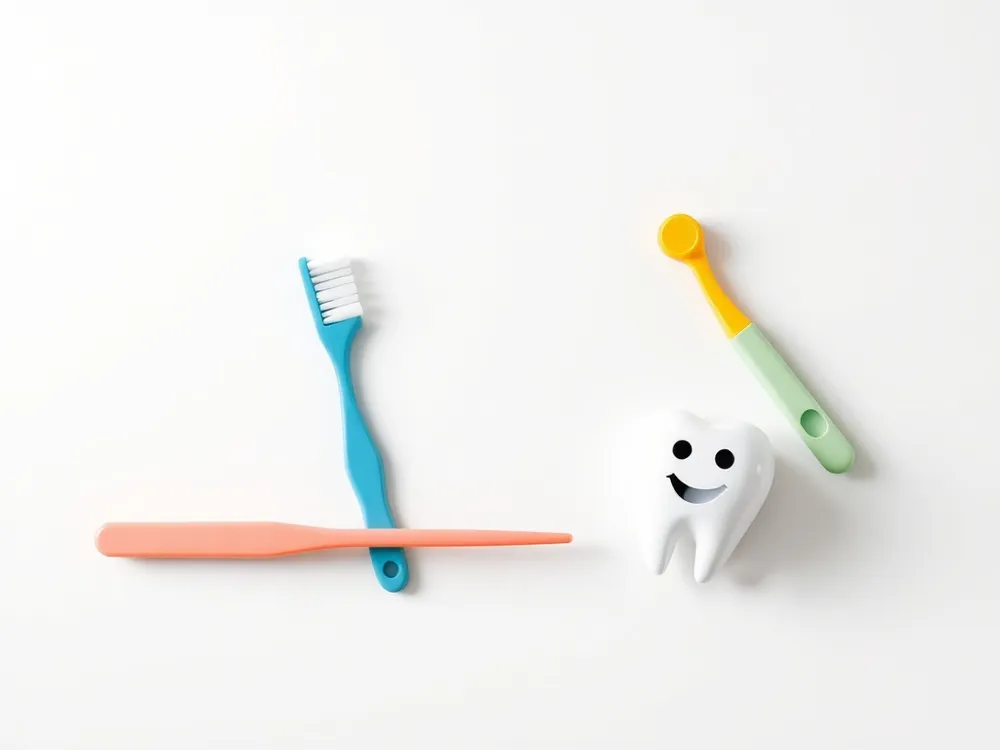 Preschoolers learn best through interactive play, making themed two‑minute songs, sand‑timers, and reward charts highly effective for daily routines. Letting children choose a character toothbrush or playing a favourite song during brushing turns the task into a game. A sticker chart where kids earn a small prize after a week of consistent brushing provides positive reinforcement and builds lasting habits.
Hands‑on crafts that teach plaque and decay
Creative activities like building teeth with play‑dough or marshmallows help children understand tooth structure. An “eraser brushing” drawing—where kids use a pencil eraser to remove brown crayon “plaque” from a paper tooth—visually demonstrates how brushing works. Soaking an egg in soda illustrates how sugary drinks stain and weaken enamel, introducing the concept of decay in a memorable, age‑appropriate way.
Games and challenges that reinforce flossing skills
A floss challenge using Lego blocks or marshmallows teaches proper technique by letting children pick out play‑dough or food trapped between “teeth”. Happy‑versus‑sad food sorting games reinforce which snacks protect teeth (cheese, apples) and which cause cavities (candy, soda). Dentist dramatic play kits and oral health storybooks further normalise dental visits and healthy habits.
Ideas for school‑wide Dental Health Month celebrations
Schools can host a themed assembly featuring the tooth‑fairy puppet show or a “sugar bug” science station where children observe yeast and sugar reacting. A school‑wide brushing chart tracks daily participation, and classrooms can enter a poster contest illustrating healthy smiles. Providing take‑home bags with a toothbrush, flosser, and tip sheet empowers families to continue the celebration at home, reinforcing that oral health is both fun and essential.
| Fun Activity | Learning Objective | Materials Needed |
|---|---|---|
| Egg enamel experiment | Shows how acids stain and weaken tooth enamel | Hard‑boiled eggs, soda, toothbrush, toothpaste |
| Lego block flossing | Teaches proper flossing technique between teeth | Lego bricks, play‑dough, floss |
| Happy vs. sad food sorting | Identifies tooth‑friendly vs. cavity‑causing foods | Pictures of foods, two baskets or trays |
| Sticker reward chart | Motivates twice‑daily brushing for a full week | Chart, stickers, small prizes |
| Dentist dramatic play kit | Reduces dental anxiety by role‑playing a check‑up | Toy dentist tools, mirror, chair, stuffed animal patient |
Preventive Visits, Protective Treatments, and Key Pediatric Dental Rules
How Often Should Children See the Dentist and What Happens During a Visit?
The American Academy of Pediatric Dentistry recommends that every child establish a dental home by age one or within six months of the first tooth erupting. After that initial visit, most children should have a check‑up every six months. During a routine appointment, a hygienist performs a thorough cleaning to remove plaque and tartar, and the dentist conducts an exam to check for cavities, gum disease, and proper development. Depending on the child’s risk level, the dentist may also take X‑rays, apply fluoride varnish, or place dental sealants. Regular six‑month visits help catch problems early, reduce dental anxiety, and reinforce good oral‑hygiene habits.
What Professional Treatments Protect Children’s Teeth?
Fluoride varnish is a quick‑drying coating that a dentist or pediatrician paints onto a child’s teeth. According to the CDC, applying fluoride varnish can prevent about one‑third (33%) of cavities in primary teeth. It is recommended every three to six months, starting as soon as the first tooth appears. Dental sealants are thin plastic coatings applied to the chewing surfaces of back molars. The CDC reports that sealants can prevent up to 80% of cavities in those teeth. Professional cleanings (oral prophylaxis) remove plaque, staining, and calculus that daily brushing cannot reach, using scalers, ultrasonic devices, and rotary polishing cups. Together, these treatments form a powerful defense against childhood tooth decay.
What Is the 7‑4 Rule in Pediatric Dentistry?
The 7‑4 rule is a simple guideline to estimate how many primary teeth a child should have based on their age in months. Under this rule, infants typically get their first four teeth at about seven months old. After that, new teeth generally emerge every four months. To estimate the expected number of teeth, simply subtract four from the child’s age in months. For example, an 11‑month‑old would have about seven teeth (11 – 4 = 7). This rule is a useful benchmark for tracking normal development, but it is only an estimate since every child grows at a different pace. Regular dental visits provide the most accurate way to monitor eruption milestones.
Understanding the 3‑3‑3 Rule for Managing Dental Pain
The 3‑3‑3 rule is a common guideline for managing dental pain in children. It advises taking three tablets of ibuprofen (200 mg each) every three hours for a maximum of three days. This dosing schedule targets the inflammation that often causes tooth pain, providing relief while limiting overuse. However, parents should always follow the specific guidance of their child’s dentist or pediatrician and never exceed the recommended dose or duration. If pain persists beyond three days, a dental appointment is necessary to address the underlying cause.
What Early Signs Indicate Unhealthy Teeth in Kids?
Parents should be alert to several early warning signs of dental problems. Dull white or chalky spots on the enamel, especially near the gum line, often signal the start of decay. As the condition worsens, these areas may turn yellow, brown, or black, and visible holes or pitting can develop. Children with unhealthy teeth frequently experience localized pain, sensitivity to hot or cold foods, or persistent bad breath that brushing does not resolve. Physical changes such as difficulty chewing, avoiding certain textures, or swollen and bleeding gums are also red flags. Because young children’s enamel is thinner and more vulnerable to cavity‑causing acids, these signs should prompt a dental visit promptly.
| Topic | Key Recommendation | Evidence/Details |
|---|---|---|
| Check‑up frequency | Every six months after age 1 | AAPD guideline; visits include cleaning, exam, possible X‑rays, fluoride, or sealants |
| Fluoride varnish | Applied every 3–6 months starting with first tooth | CDC: prevents 33% of cavities in primary teeth |
| Dental sealants | Applied to permanent molars (ages 6–12) | CDC: prevents 80% of cavities in sealed teeth |
| Professional cleaning | Removes plaque, staining, and calculus | Needed twice yearly; home hygiene essential between visits |
| 7‑4 rule | Estimate teeth = age in months – 4 | First 4 teeth at ~7 months, then one every 4 months |
| 3‑3‑3 pain rule | 3 ibuprofen (200 mg) every 3 hours for 3 days max | Controls inflammation; follow dentist guidance |
| Unhealthy teeth signs | White spots, discoloration, holes, pain, bad breath, bleeding gums | Early detection prevents extensive treatment |
Choosing a Family‑Focused Dental Partner in Live Oak
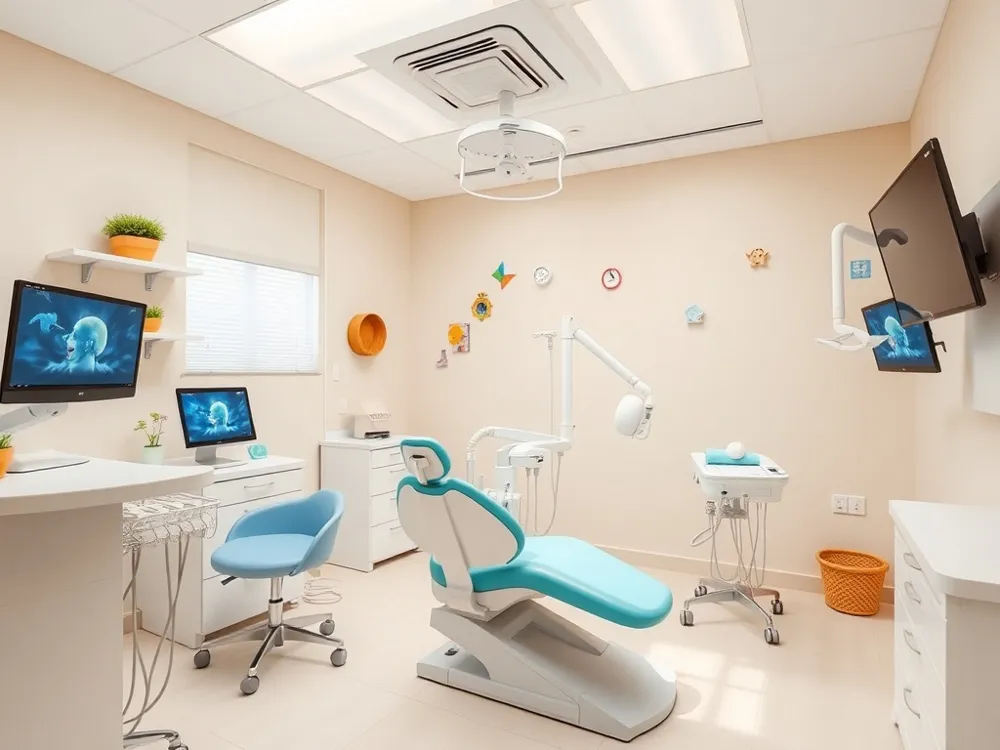
Why a dental home matters for kids
A dental home provides coordinated, ongoing care beginning by a child’s first birthday or when the first tooth erupts. Children who visit the same practice regularly grow comfortable with the environment, reducing anxiety and making future visits easier. Pediatric dentists use this relationship to monitor development, catch cavities early, and reinforce healthy habits. Establishing a dental home early means families are not scrambling to find a provider during an emergency. The American Academy of Pediatric Dentistry recommends this approach because it lowers the risk of untreated decay, helps children eat and speak properly, and preserves space for permanent teeth.
V Dental’s technology and how it benefits children
Modern diagnostic tools at V Dental make preventive care less intimidating and more precise for young patients. Cone beam CT (CBCT) scans create detailed 3D images of teeth and jaws, helping dentists spot hidden decay, assess tooth eruption patterns, and plan orthodontic care with high accuracy. Digital X‑rays reduce radiation exposure compared to traditional film, which is especially important for developing children. The iTero intraoral scanner replaces messy impressions—kids simply bite on a small wand that captures a digital model of their mouth. This technology allows for same‑day sealant placement, better fitting of mouthguards, and clear visualization of the child’s oral health during education sessions.
Flexible financing and convenient appointments
Family‑friendly dental practices recognize that scheduling multiple appointments can be challenging for working parents. V Dental offers extended hours and early‑morning or late‑afternoon slots to fit around school and work commitments. For families managing multiple children, block appointments can be arranged to combine visits. Flexible payment plans and acceptance of major insurance plans—including Medicaid and CHIP—help reduce out‑of‑pocket costs. The practice also provides transparent cost estimates before treatment, so there are no surprises. This approach ensures that preventive care remains accessible and that financial concerns do not delay necessary treatments.
Personalized preventive plans: sealants, fluoride, and orthodontic screening
| Every child’s risk for cavities differs, which is why V Dental tailors preventive plans based on age, diet, oral hygiene habits, and previous decay history. High‑risk children may receive fluoride varnish applications every three months, while low‑risk children receive it twice yearly. Dental sealants are a core preventive service: they block about 80% of cavities in back teeth and are applied painlessly to permanent molars as soon as they erupt. Orthodontic screening begins around age seven, allowing early detection of bite issues, crowding, or jaw growth problems. When caught early, many issues can be corrected with simpler, shorter treatment. The practice uses these screenings to provide anticipatory guidance and referrals if needed. Combined with consistent brushing, flossing, and a healthy diet, these interventions create a comprehensive strategy for lifelong oral health. | Topic | Key Elements | Benefit for Children |
|---|---|---|---|
| Dental home | First visit by age 1, regular 6‑month check‑ups | Reduced anxiety, early detection, habit formation | |
| CBCT, digital X‑rays, iTero | 3D imaging, low radiation, no‑goop scanning | Accurate diagnosis, less discomfort, child‑friendly | |
| Financing & scheduling | Extended hours, multi‑child appointments, sliding fees | Lower stress for parents, no care delays | |
| Preventive plans | Fluoride varnish every 3–6 months, sealants, early ortho screening | Fewer cavities, simpler orthodontic treatment, stronger enamel |
Building Smiles That Last a Lifetime
Essential Daily Habits for Lasting Smiles
The foundation of lifelong oral health is built on simple, consistent habits. Children should brush twice daily for two minutes with a fluoride toothpaste. For infants under three, use a grain-of-rice-sized smear; for older kids, a pea-sized amount works. Flossing should begin as soon as two teeth touch. Parents must supervise brushing until the child has good motor skills, typically around age eight or ten.
The Power of Early Preventive Care
Early preventive care has a profound, lasting impact. It drastically reduces the risk of cavities, the most common chronic childhood disease. Professional treatments, like fluoride varnish applied every six months or dental sealants on molars, provide robust protection. These visits help children become comfortable with the dentist, making future checkups easier and less stressful.
Start Your Child’s Journey at V Dental
At V Dental, we understand that every child deserves a healthy, confident smile. We invite you to schedule your child’s first dental visit by their first birthday or as soon as their first tooth appears. Our caring team provides personalized preventive care in a welcoming environment, helping you establish a dental home that supports a lifetime of healthy smiles. Contact us today to book an appointment.
Preventive Care at a Glance
| Habit/Treatment | Recommended Age/Frequency | Key Benefit |
|---|---|---|
| Brushing with fluoride toothpaste | Twice daily | Removes plaque, strengthens enamel |
| Flossing | Once daily (when teeth touch) | Prevents cavities between teeth |
| First dental visit | By age 1 or first tooth | Establishes dental home, detects early issues |
| Dental check-up | Every 6 months | Professional cleaning, risk assessment |
| Fluoride varnish | Every 3–6 months | 33% cavity reduction in baby teeth |
| Dental sealants | On molars after eruption (ages 6–12) | 80% cavity reduction on chewing surfaces |