Understanding the Urgency of Dental Trauma
A knocked-out permanent tooth represents a serious medical event that demands swift, decisive action. When a tooth is fully dislodged from its socket, known clinically as an avulsion, the supporting tissues and nerve supply are instantly severed. Medical consensus dictates that the best window of opportunity for success is within 30 to 60 minutes of the initial injury.
Time acts as the most critical factor in preserving the periodontal ligament cells required for reattachment. If these cells remain viable, professional replantation often leads to a successful outcome. Research indicates that over five million teeth are lost annually in both adults and children, many of which can be saved if emergency intervention is prioritized immediately.
While the situation is naturally alarming, remaining calm is essential for effective triage. At V Dental, we understand how overwhelming a dental injury can be, which is why our approach emphasizes rapid, personalized care to stabilize trauma cases. Whether you are dealing with a dislodged tooth or a structural fracture, prompt communication with a dental professional ensures that you receive the necessary guidance before permanent bone degradation or infection sets in.
Immediate First Aid Steps for a Knocked Out Permanent Tooth
 Yes, having a permanent adult tooth knocked out is a critical dental emergency that requires immediate professional attention. Per Mayo Clinic guidelines, the primary goal of emergency care is to stabilize the tooth as quickly as possible. The probability of saving an avulsed tooth diminishes significantly if the root surface remains dry for more than 30 to 60 minutes, as stated in StatPearls.
How should you handle the tooth in an emergency?
When you handle a knocked-out tooth, only grasp it by the crown, which is the visible chewing surface. You must avoid touching the root, as this area contains delicate periodontal ligament cells necessary for successful reattachment. Never scrub, scrape, or wrap the tooth in cloth or tissue, as these actions can permanently damage the sensitive surface.
If the tooth is dirty, avoid tap water, as its chemical composition can kill the cells on the root surface. The NHS recommends rinsing the tooth gently with milk, saline, or saliva instead. If you can, gently place the tooth back into its socket and hold it in position by biting down softly on gauze while traveling to a dentist. If reinsertion is not possible, keep the tooth moist in a container of cold milk until you reach your appointment. At V Dental, we prioritize emergency cases to stabilize your smile and provide the specific care required following trauma.
The Vital Role of Milk in Tooth Preservation
 When a permanent tooth is knocked out, keeping the delicate periodontal ligament cells on its root surface alive is your top priority. If immediate reimplantation into the socket is impossible, selecting the right storage medium is the most important factor in preserving viability. Milk is widely recommended by dental professionals as the preferred transport medium because it mimics the natural physiological environment of the mouth.
Why is milk recommended for preserving a knocked-out tooth?
Milk acts as an ideal buffer because its pH level and osmolality are conducive to maintaining cellular health. Unlike tap water, which has a low osmolality that can cause vital root cells to swell and burst upon contact, milk provides a balanced environment that keeps cells stable. It serves as a protective reservoir, offering necessary proteins and sugars while simultaneously providing natural antimicrobial properties to shield the root during the trip to the office.
| Medium | Recommended | Reasoning |
|---|---|---|
| Milk | Yes | Maintains vital pH and cell health |
| Saliva | Yes | Matches physiological conditions |
| Tap Water | No | Damages cells via low osmolality |
For patients in Live Oak, Texas, Dr. Brandon Villarreal and the team at V Dental recommend prioritizing cold milk if you cannot reinsert the tooth. If you are ever uncertain about your next step, reaching out for emergency guidance immediately is vital. While saliva is a functional, readily available alternative, it often contains bacteria that make it less hygienic than milk for long-term transport. Avoid wrapping the tooth in dry tissue or paper towels, as these materials desiccate the root and irreparably damage the sensitive surface cells.
Distinguishing Between Baby Teeth and Permanent Teeth
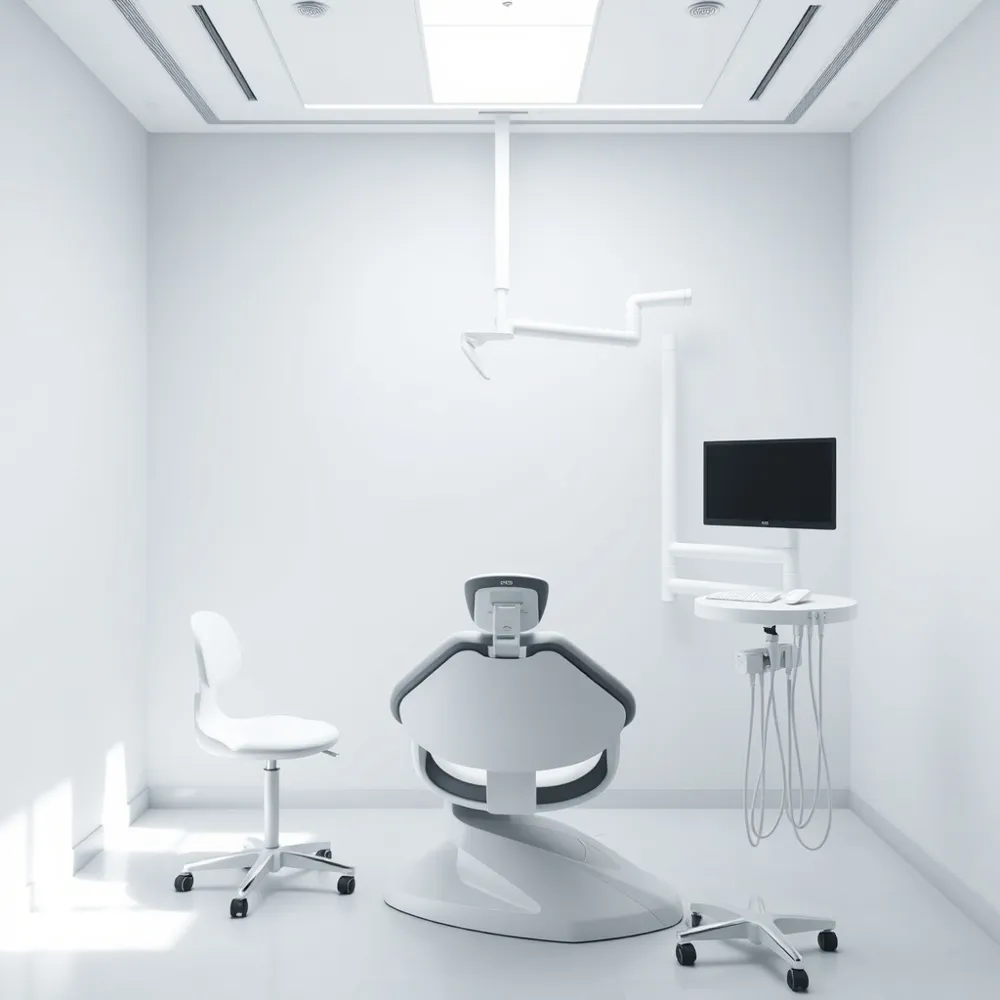 When a child experiences a dental injury, knowing how to react depends entirely on the type of tooth involved. A knocked-out permanent tooth is a medical urgency that requires immediate preservation and dental intervention to improve the odds of successful replantation.
What is the difference between a knocked-out baby tooth and a permanent tooth?
The primary difference lies in the emergency treatment: a knocked-out permanent tooth should be preserved and taken to the dentist immediately for potential reimplantation, whereas a baby tooth should never be reinserted. Reinserting a baby tooth can cause serious damage to the underlying permanent tooth developing inside the jawbone.
While permanent teeth typically feature longer roots and a slightly yellow hue, baby teeth are generally smaller, whiter, and smoother. Our team at V Dental understands that determining the tooth type during a high-stress accident can be difficult. If you are unsure whether the lost tooth is primary or permanent, it is best to err on the side of caution. Save the tooth and contact our office for professional guidance.
- Recover the tooth and call for an emergency consultation immediately.
- Avoid scrubbing or cleaning baby teeth with soap, as they are not candidates for reinsertion.
- Ask our staff about space maintainers if your child loses a primary tooth prematurely to prevent future crowding.
Addressing Tooth Loss Due to Decay or Structural Failure
When a tooth falls out due to advanced decay or structural failure, the situation requires a different strategy than an avulsed tooth caused by impact. While trauma-related loss is an acute emergency, decay-related loss typically signals long-standing structural degradation including extensive cavities, periodontal disease, or bone loss. You should safely store any fragments to show your dental team, but because the structure is often compromised or infected, it generally cannot be safely reimplanted.
Can a dentist repair a tooth that has fallen out due to decay?
The short answer is no; a tooth lost to decay is structurally compromised and usually carries underlying infection that precludes reinsertion. At V Dental, we emphasize that preventing the spread of infection to adjacent teeth or gum tissue is the priority after such an event. If you experience persistent bleeding for more than 15 minutes, apply gentle pressure with sterile gauze and contact our clinical team in Live Oak immediately.
During your evaluation, Dr. Brandon Villarreal will utilize advanced diagnostic tools like CBCT 3D imaging to assess your underlying bone health and the extent of the damage. Unlike a simple reinsertion, this process focuses on stabilizing the socket and managing the oral environment. We provide personalized treatment plans that may include dental implants, bridges, or other modern restorative options to replace the lost structure and protect your long-term dental function. Keeping the site clean with warm salt water rinses is a helpful temporary measure while waiting for your appointment, but avoiding alcohol-based mouthwashes is essential to prevent tissue irritation.
Professional Restoration and Long-term Recovery
When a permanent tooth is knocked out, the immediate priority is professional intervention, ideally within 30 to 60 minutes after the accident. Per NCBI research, this rapid window is vital for preventing the death of periodontal ligament cells on the tooth root. If you arrive at an office such as V Dental, the procedure typically involves clearing the socket of any debris and carefully realigning the natural tooth. To foster stable healing, dentists often use a process called splinting, which fixes the traumatized tooth to the adjacent ones using a flexible, semi-rigid device for approximately two weeks.
Because an avulsed tooth has its blood supply and nerve severed during the impact, post-replantation health requires vigilance. Many patients require a root canal procedure after the initial stabilization to remove non-vital pulp and prevent localized infection. For cases where the damage is too severe for natural tooth survival, modern dentistry offers long-term aesthetic and functional solutions. Depending on the remaining bone structure and the specific site, clinicians at V Dental may recommend dental implants, bridges, or veneers to restore the patient's bite and oral architecture.
How does a dentist reattach or replace a lost tooth?
Prevention remains the most effective strategy for preserving oral health. Dentists strongly recommend wearing a fitted mouthguard during contact sports and high-impact activities to mitigate the risk of future trauma. Maintaining a strict oral hygiene regimen following an injury is also crucial, as plaque accumulation near a newly splinted root can trigger inflammation. At V Dental, we provide comprehensive guidance on proper care, from brushing with soft-bristled tools to managing a soft-food diet during the initial weeks of recovery to ensure you return to full function as quickly as possible.
Contacting V Dental During Your Emergency
When a dental emergency strikes, every second matters for long-term health. Keep the contact information for V Dental accessible so you can communicate with our team immediately after an injury. Quick outreach allows our staff in Live Oak, Texas, to prepare for your arrival, ensuring that we can provide essential services like CBCT 3D imaging to assess the damage rapidly.
Preparation makes a significant difference in saving a knocked-out permanent tooth. Whether you are arriving for a repositioning procedure or require dental implants to restore your smile, our focus remains on providing personalized treatment plans. Contacting us early helps our team arrange for any necessary splinting or restorative work.
- Call our offices immediately to report the nature of your injury and your estimated arrival time.
- Follow first-aid instructions regarding tooth moisture and handling while you transit to our location.
- Prepare to provide your medical history, as it informs the care required for your specific recovery process.
- Prioritize soft-food diets and diligent oral hygiene as part of your post-treatment stabilizing routine.