Why Family Dentistry Matters
Family dentistry is a comprehensive approach that provides preventive, restorative, orthodontic, and cosmetic care for patients from infancy through senior years, all within one practice. By offering routine cleanings, exams, sealants, fluoride treatments, and advanced procedures such as Invisalign, dental implants, and digital imaging, a single‑stop dental home simplifies scheduling, ensures continuity of records, and allows the dentist to monitor oral health trends across generations. For families in Live Oak, Texas, V Dental embodies this model by delivering personalized preventive plans, flexible financing, and extended hours that accommodate school, work, and senior needs. The practice’s community outreach—school screenings, oral‑health workshops, and emergency‑care availability—reinforces its commitment to keeping the entire Oak population healthy. Modern tools like CBCT 3D scans, intraoral cameras, and iTero scanning enhance diagnostic accuracy, while the team’s focus on education empowers parents and children to adopt lifelong hygiene habits for a brighter future and overall well‑being.
Comprehensive Preventive Care for All Ages
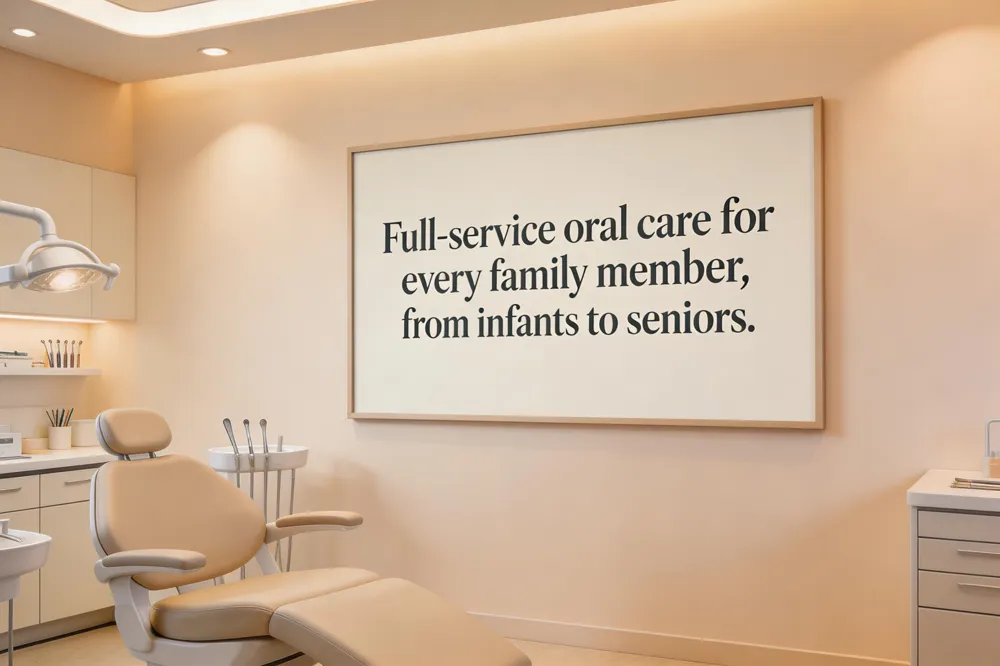 A family dental practice is a single office that delivers full‑service oral care for every member of the household—from infants to seniors. By keeping all ages under one roof, the practice can coordinate preventive, restorative, and cosmetic treatments, offer flexible scheduling, and use modern tools such as digital X‑rays, intra‑oral cameras, and CBCT 3D imaging for accurate, comfortable diagnostics.
Preventive dental treatment consists of routine exams, professional cleanings, bitewing X‑rays every six months, and personalized education on brushing, flossing, nutrition, and fluoride use. Early detection of decay, gum disease, or oral cancer reduces the need for invasive, costly procedures and supports overall health.
Early dental visits should occur within six months of the first tooth erupting or by the child’s first birthday. Sealants and fluoride applications protect the chewing surfaces of school‑age molars, preventing up to 80% of cavities. Daily oral hygiene—brushing twice with a pea‑sized amount of fluoride toothpaste, flossing once, and a diet low in sugary snacks—reinforces these protections.
Parents play a critical role by modeling proper technique, supervising brushing until children master it, and scheduling regular six‑month check‑ups. Consistent family‑wide habits build a lifelong foundation of oral health, keeping smiles bright and bodies healthy.
Modern Technology Enhances Diagnosis and Comfort
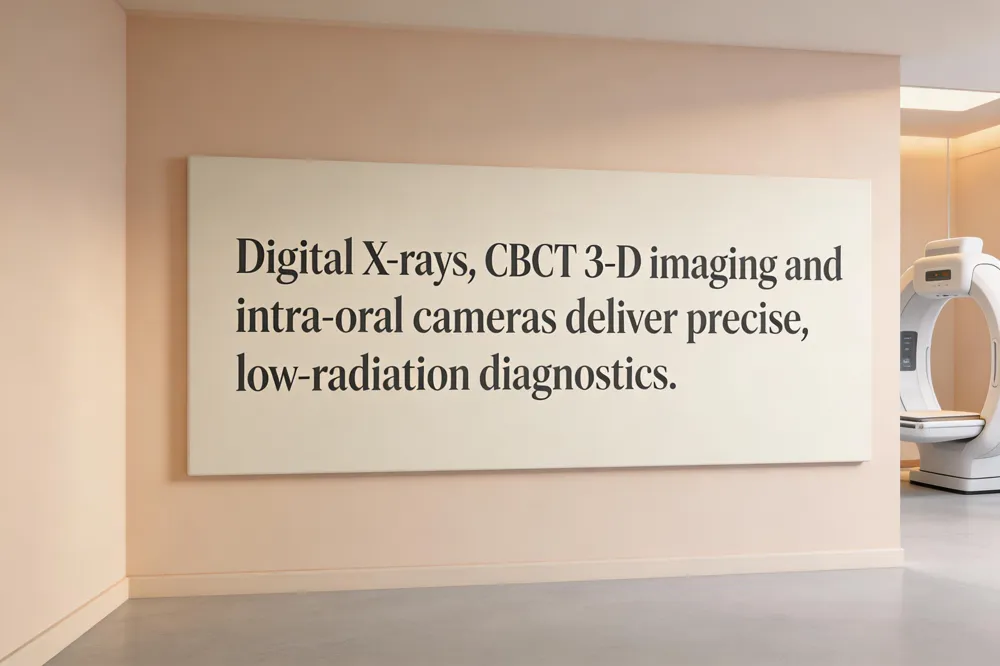 Digital X‑rays provide crystal‑clear images with up to 90% less radiation than traditional film, allowing dentists to spot early decay and bone loss while keeping patients safe. CBCT 3‑D imaging takes this a step further, delivering volumetric scans that map teeth, nerves, and sinus structures for precise treatment planning—essential for implants, orthodontics, and complex extractions. Intra‑oral cameras and iTero 3‑D scanners capture real‑time visuals of the mouth, giving families a clear view of problems and helping clinicians explain procedures, which boosts cooperation and adherence to home care. Laser treatments and other minimally invasive options reduce tissue trauma, shorten healing time, and often eliminate the need for sutures, making procedures like gum reshaping or cavity removal faster and more comfortable. For pediatric patients, the combination of low‑radiation imaging, visual feedback from cameras, and gentle laser work lowers fear and anxiety, turning dental visits into a positive experience.
What is the difference between preventative and basic dental care? Preventive dental care focuses on keeping your mouth healthy and stopping problems before they start, and includes routine exams, professional cleanings, X‑rays, oral‑cancer screens and gum‑health evaluations. Basic dental care, by contrast, addresses issues that have already begun, such as filling cavities, treating early gum disease or performing simple repairs. Preventive services are usually covered by insurance with little or no out‑of‑pocket cost, while basic services often require a co‑pay or higher percentage of the fee. By staying on schedule with preventive visits, you can catch problems early and reduce the need for basic (and eventually major) treatments. At V Dental, we use modern imaging and personalized treatment plans to make both preventive and basic care efficient and affordable.
Is family dentistry the same as general dentistry? Family dentistry and general dentistry are not exactly the same, although both providers receive the same extensive education and training. A general dentist may concentrate on a specific age group—such as children or seniors—while a family dentist treats patients of all ages within one practice. This broader focus allows a family dentist to offer the full range of preventive, restorative, and cosmetic services to every family member, from routine cleanings for toddlers to dentures for older adults. Because they serve all ages, family dentists also provide convenient scheduling, centralized records, and consistent care throughout a patient’s life. In short, family dentistry is a type of general dentistry that emphasizes care for the entire family rather than a single age cohort.
Personalized Treatment Plans and Flexible Financing
 Customized Preventive and Restorative Plans
At V Dental each family member receives a tailored oral‑health roadmap. Children get sealants and fluoride on schedule, teens may start Invisalign, while adults benefit from crowns, implants, or cosmetic bonding as needed. This individualized approach ensures treatments target specific risk factors, reducing unnecessary procedures.
Flexible Payment Options, Insurance Coordination, and Financing
The practice works with a wide range of insurers and offers in‑house financing, sliding‑scale fees, and payment plans. By handling paperwork and offering low‑interest options, V Dental makes routine cleanings, fillings, and more complex care affordable for every household.
Sedation Dentistry and Nitrous Oxide
For anxious patients, nitrous oxide and light oral sedation are available, creating a calm experience that encourages regular visits and early intervention, which is far less costly than emergency care.
Emergency Care Availability and Same‑Day Scheduling
Urgent issues—broken teeth, severe pain, or infections—are treated promptly with same‑day appointments, preventing complications that could lead to extensive, expensive procedures.
How V Dental’s Approach Reduces Overall Cost
Early detection through digital X‑rays, CBCT imaging, and intra‑oral cameras catches problems before they require major work. Combined with preventive services and flexible financing, families often spend less annually than they would at larger corporate chains.
Is family dentistry more expensive?
Family dentistry is generally less expensive than corporate or large‑chain practices because smaller offices have lower overhead costs and can pass those savings on to patients. Flexible payment plans and broad insurance acceptance further lower routine‑care costs, making V Dental a cost‑effective choice.
List of preventive dental services
Preventive services include oral examinations, digital X‑rays, professional cleanings, fluoride treatments, dental sealants, patient education on brushing, flossing, nutrition, and tobacco cessation, plus space maintainers and preventive resin restorations for high‑risk children.
Specialized Services for Children and Teens
 The cornerstone of pediatric oral health is a timely first dental visit—ideally within six months of the first tooth erupting or by the child’s first birthday, whichever comes first. Early exams allow the dentist to assess growth, provide parental education, and set the stage for preventive care. For school‑age children, the application of dental sealants on the chewing surfaces of molars dramatically reduces cavity risk, while fluoride treatments and daily use of fluoride toothpaste strengthen enamel and further protect against decay.
Orthodontic needs are addressed with clear‑aligner therapy such as Invisalign, which offers discreet, removable appliances that correct bite issues without the aesthetic concerns of traditional braces. Nutrition counseling is integrated into every visit, emphasizing a diet rich in fruits, vegetables, lean proteins, and whole grains while limiting sugary snacks and beverages that feed harmful oral bacteria.
V Dental's commitment to community health extends beyond the clinic through school outreach and oral‑health education programs, where dental professionals perform screenings, teach proper brushing and flossing techniques, and distribute educational materials to students and parents.
What is the 3‑3‑3 rule for teeth? The “3‑3‑3 rule” is a non‑clinical guideline suggesting brushing three times a day for three minutes each and avoiding food or drink for three hours before sleep. It is not endorsed by dental associations. Most dentists, including those at V Dental, recommend the evidence‑based practice of brushing twice daily for two minutes with a soft‑bristled brush, flossing daily, and attending regular check‑ups for optimal plaque control and cavity prevention.
Maintaining Oral Health Throughout Life
 For seniors, routine dental check‑ups every six months remain essential for early detection of decay, gum disease, and oral cancer, and they provide an opportunity to assess denture fit and oral health. Modern imaging tools such as CBCT 3D scans and digital X‑rays used by practices like V Dental in Live Oak, Texas enable clinicians to spot hidden bone loss or lesions with minimal radiation, guiding precise treatment plans for older adults. When teeth are missing, dental implants and All‑on‑4/6 solutions restore function, preserve jawbone density, and improve nutrition, which is vital for maintaining overall health. Persistent gum disease has been linked to systemic conditions, including heart disease, diabetes, and stroke, underscoring the importance of diligent plaque control and professional cleanings. Oral cancer screenings during regular exams, combined with a diet rich in calcium, vitamin C, and low in sugary foods, further reduce risk. Preventive dental care cost: a typical exam, cleaning, and X‑rays averages $203 nationwide, ranging $50‑$350; in Texas the average is about $227 per visit, with basic cleanings $75‑$200 and full exams $200‑$250. Many insurance plans cover these services at 100%, making preventive care an affordable cornerstone of lifelong oral health.
Putting It All Together
Keeping the whole family healthy starts with six proven habits: start dental visits by age one, brush twice daily with fluoride toothpaste, floss each day, apply sealants for children’s molars, attend six‑month check‑ups, and choose a diet low in sugary snacks while rich in fruits, vegetables, and dairy. V Dental in Live Oak embraces every step—using digital X‑rays, CBCT 3D imaging, and intra‑oral cameras for early detection, offering on‑site sealant placement, providing fluoride treatments, and delivering personalized hygiene coaching for parents and kids. Their flexible financing and extended hours make routine care easy for busy households. Call or book online now to schedule your preventive visit and protect smiles for life. Early prevention also reduces dental costs and supports overall health for families.