Prioritizing Prevention for Long-Term Health and Vitality
Preventive care represents a proactive approach to well-being, focusing on the maintenance of health rather than reacting to symptoms of disease. Per MedlinePlus data, routine screenings allow providers to identify asymptomatic conditions like high blood pressure or diabetes, ensuring patients address health risks before they evolve into chronic issues. By prioritizing these preventive checkups, individuals can achieve significantly improved long-term outcomes.
Achieving optimal results requires a commitment to consistent daily habits. Maintaining a balanced diet and regular hygiene routines serves as the foundation for both oral and systemic wellness. At V Dental, patients receive personalized treatment plans tailored to their specific health history and needs. Unlike generic care, this approach integrates modern diagnostic tools like CBCT 3D imaging to monitor health markers accurately. Partnering with a professional team ensures that early warning signs of decay or oral pathology are detected, preventing the need for complex, costly interventions later in life.
Core Dental Hygiene and Preventive Care Standards
- Brush your teeth twice daily for two minutes using fluoride toothpaste.
- Use a soft-bristled toothbrush at a 45-degree angle toward the gumline.
- Replace your toothbrush every 3 to 4 months or when bristles fray.
- Interdental cleaning addresses the 40 percent of tooth surfaces brushing misses.
- Hardened tartar can only be removed by a dental professional.
- Sugary and starchy foods fuel bacteria that produce enamel-eroding acids.
- Professional dental cleanings should occur at least every six months.
- Oral hygiene impacts systemic health, including cardiovascular disease and diabetes.
- Digital X-rays and iTero 3D scanning improve early detection of decay.
- Signs like bleeding gums or persistent bad breath require professional evaluation.
1. Mastering Your Twice Daily Brushing Routine
 What are the fundamental daily habits for maintaining healthy teeth and gums? Maintaining healthy teeth and gums starts with brushing your teeth twice daily for two minutes using fluoride toothpaste and a soft-bristled toothbrush. The American Dental Association recommends this duration because data shows it is associated with significantly greater plaque reduction compared to one-minute sessions. Timers or dedicated apps can help you ensure your technique hits the necessary mark.
Effective technique requires positioning your brush at a 45-degree angle toward the gumline. Use gentle, small, circular motions instead of harsh back-and-forth scrubbing to protect your enamel and delicate tissue. Brushing the tongue is also essential, as it harbors bacteria that contribute to bad breath and oral health decline per National Institute of Dental and Craniofacial Research guidelines.
Consistency extends to the tools you use. Replace your toothbrush every 3 to 4 months, or sooner if the bristles become frayed, to ensure effective plaque removal. At V Dental, we emphasize that these daily habits form the foundation of your long-term health. While manual brushes are common, patients requiring extra support for limited dexterity may find power brushes especially effective. Scheduling regular dental exams and cleanings ensures your routine remains on track and provides an opportunity for us to offer personalized preventative care.
2. The Critical Role of Daily Interdental Cleaning
Even the most thorough brushing routine leaves approximately 40 percent of tooth surfaces untouched. Brushing alone is insufficient for total oral hygiene because bristles cannot reach the tight spaces between teeth where plaque and food particles accumulate. Left undisturbed, this bacteria-rich biofilm can harden into tartar, which National Institute of Dental and Craniofacial Research notes can only be removed by a dental professional. Daily cleaning in these hard-to-reach areas is a necessary defense against gingivitis and tooth decay.
Selecting the right tool for interdental cleaning is more important than sticking to one specific method. The American Dental Association emphasizes that the most effective tool is the one a patient uses consistently. Traditional floss, when curved into a C-shape around each tooth, remains a gold standard for removing debris. For those who prefer alternatives or require easier handling, interdental brushes and oral irrigators are effective additions to a home care routine. While water flossers are excellent for flushing out food debris, they do not replace traditional floss for removing stubborn biofilm from tooth surfaces.
Adapting techniques for those with mobility issues is essential to maintaining long-term oral health. Patients struggling with arthritis or limited manual dexterity may find success using floss holders, floss threaders, or powered interdental aids. At V Dental, personalized treatment plans are developed to ensure every patient can execute these daily habits comfortably and effectively. If you are uncertain which method fits your unique dental needs, discussing these options during your next checkup ensures your approach remains both sustainable and protective.
3. Maintaining a Balanced Diet for Dental Health
 Your dietary choices directly influence the longevity of your enamel and the overall health of your mouth. A balanced diet serves as a foundation for preventing decay, particularly when you consciously limit sugary beverages and starchy snacks. Carbohydrates found in chips and crackers often break down into sugars that stick to tooth surfaces, providing a fuel source for harmful bacteria that produce enamel-eroding acids.
What are the primary factors that most significantly damage tooth enamel and health?
The primary factors damaging tooth enamel and oral health include frequent consumption of sugary and starchy foods, which fuel bacteria to produce harmful acids, and the intake of acidic beverages like soda, juice, and coffee. Sticky foods that linger on teeth, along with hard substances like ice or even fingernails, can cause significant decay, erosion, or even physical fractures. Additionally, habits such as inadequate brushing and flossing allow plaque to accumulate, leading to cavities and long-term health issues. Excessive alcohol consumption can further degrade oral health by causing dehydration and reducing saliva flow. Protecting your smile requires limiting these harmful habits, maintaining a consistent cleaning routine, and scheduling regular checkups at V Dental.
Incorporating tooth-healthy foods can actively support your oral hygiene. Crunchy vegetables, such as carrots or celery, act as natural cleaners by stimulating saliva production, which helps rinse away food particles and neutralize acids. Drinking fluoridated water throughout the day provides ongoing protection by strengthening enamel against potential acid attacks. For patients concerned about specific dietary effects on their dental work or enamel strength, the team at V Dental provides personalized nutritional guidance to ensure your habits align with your long-term wellness goals.
4. Scheduling Consistent Professional Dental Checkups
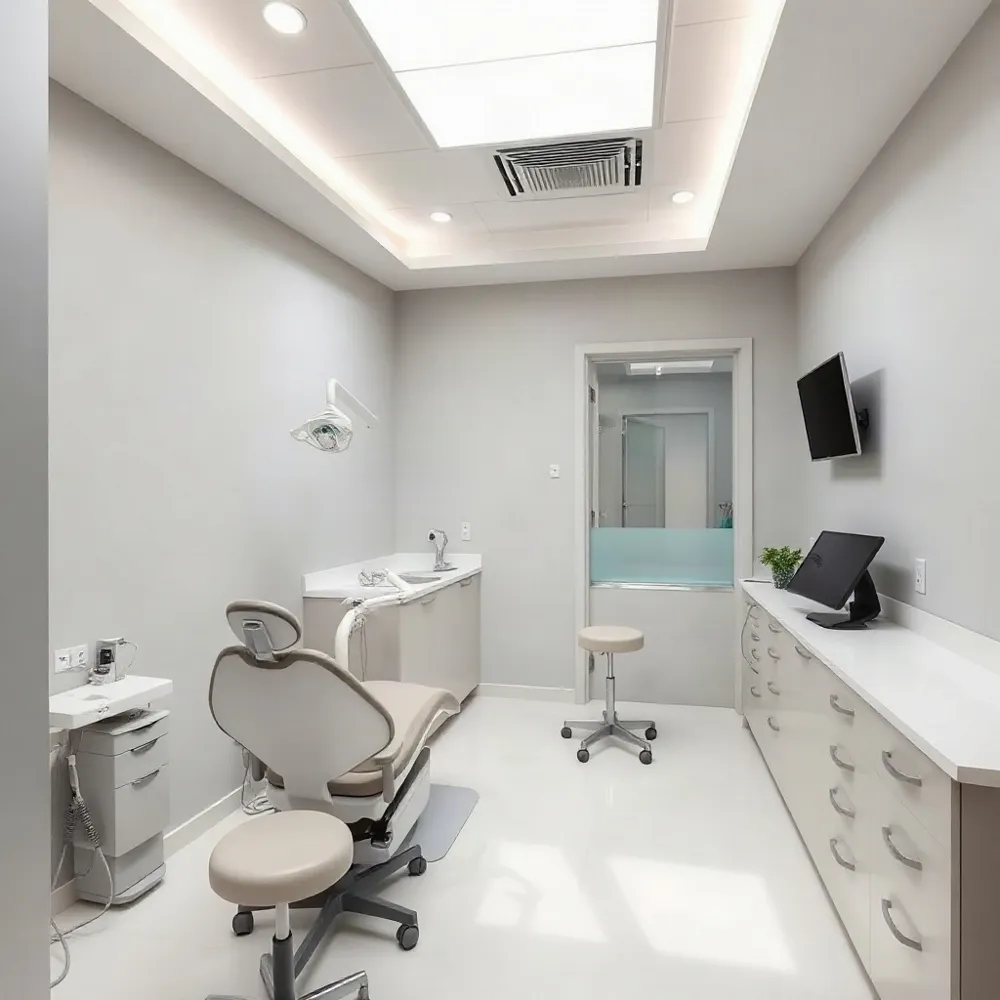 Regular professional examinations serve as the bedrock of preventive care. While daily at-home maintenance is crucial, these clinical visits provide access to tools and expertise that ensure potential issues are identified before they escalate into serious, costly, or painful concerns.
What is the recommended frequency for professional dental cleanings?
The general recommendation for maintaining optimal oral health is to schedule a professional dental cleaning at least twice per year, or every six months. These regular visits are essential for removing plaque and tartar buildup that cannot be effectively addressed through daily brushing and flossing alone. While six months is the standard interval for most adults and children, your specific needs may vary based on your individual oral health status. Patients who have a history of or are at an increased risk for periodontal disease may require more frequent cleanings. During your visit, Dr. Villarreal and our team at V Dental will evaluate your unique situation to determine the ideal preventive care schedule for you.
Beyond routine cleaning, these sessions facilitate the early detection of hidden decay, abnormal tooth wear, and systemic warning signs. Professional oversight allows for oral cancer screenings, which involve quick, painless checks of the neck, gums, and tongue. By catching these issues in their initial stages, patients avoid the more invasive procedures often required once symptoms manifest. Always share an updated medical history during your checkup, as recent illnesses or changes in medication can directly impact your ongoing oral health strategy.
5. Understanding the Connection Between Mouth and Body
Your oral cavity functions as a significant gateway to your digestive and respiratory tracts, making the health of your teeth and gums a window into your overall health. When you allow bacteria to accumulate, these germs can enter the bloodstream and travel to other systems, potentially influencing your risk for complex medical conditions. At V Dental, we emphasize that proactive oral care serves as more than just a means to prevent cavities, as it is a fundamental pillar for reducing systemic inflammation.
Why is maintaining good oral hygiene important for your overall health?
Maintaining good oral hygiene is essential because oral health is fundamentally integrated with your overall physical well-being. Chronic conditions like periodontitis can lead to persistent inflammation, which may increase the systemic burden of disease throughout your body. Furthermore, your oral cavity can act as a reservoir for bacteria that may enter the bloodstream, potentially contributing to systemic health issues such as cardiovascular disease and diabetes. By preventing oral health problems, you can help lower the risk of these complications and improve your long-term health outcomes. Ultimately, prioritizing your dental care at V Dental is a vital step in safeguarding your general health and enhancing your overall quality of life.
Managing gum health is specifically tied to controlling systemic markers of inflammation. Research indicates that serious systemic conditions such as endocarditis, stroke, and pneumonia are frequently associated with poor oral health. If you manage a chronic condition like diabetes, it is even more important to maintain a strict home care routine, as high blood sugar can make your gums more susceptible to infection while also making it more difficult to fight off disease.
Communication with your dental care provider is a vital component of this relationship. You should inform your dentist about your complete medical history, including any recent illnesses, current medications, or long-term diagnoses. Certain medications, such as antihistamines or decongestants, can reduce saliva flow, which increases your risk of decay. By providing this information, the team at V Dental can create a personalized plan that manages your oral health while accounting for the unique demands your systemic health may place on your mouth.
6. Utilizing Protective Gear and Preventive Technology
Preventive dental care includes services designed to maintain oral health and identify potential issues before they become serious. At the core of this classification are regular oral exams, which are typically scheduled every six months. Professional teeth cleanings are also a standard preventive service to remove plaque and tartar buildup. Additionally, routine X-rays are commonly included to allow dentists to monitor the health of your teeth and jawbone beneath the surface. By staying consistent with these visits at V Dental, you can help prevent cavities, gum disease, and other dental problems.
Beyond routine cleanings, protecting your smile requires proactive measures against physical wear and trauma. Custom-fitted athletic mouthguards are essential for preventing fractures during sports, while specialized night guards protect teeth from the structural damage caused by clenching or grinding. For added defense, fluoride treatments strengthen enamel, and dental sealants create a smooth barrier on back teeth to block decay-causing bacteria.
Modern dental technology acts as a force multiplier for early detection. Utilizing advanced tools like digital X-rays and iTero 3D scanning, providers can identify issues that remain invisible to the naked eye. At V Dental, this technology allows for highly accurate, personalized treatment plans that prioritize long-term preservation over emergency repair.
While the convenience of direct-to-consumer options might seem appealing, the American Dental Association strongly discourages at-home or DIY orthodontic treatments. These kits lack the clinical oversight and diagnostic imaging necessary to ensure safety. Without professional supervision, patients risk improper tooth alignment, irreversible gum damage, and potential tooth loss, whereas supervised care ensures your bite remains both healthy and functional.
7. Identifying Early Warning Signs for Professional Care
Your mouth often serves as the first indicator of underlying dental conditions. Recognizing subtle changes early is the most effective way to prevent minor irritations from evolving into complex issues. Common signs of poor oral hygiene include persistent bad breath, bleeding or sore gums, and increased tooth sensitivity to hot or cold temperatures. You should also watch for visible plaque or tartar buildup, swollen or red gums, and a receding gum line, which can indicate more advanced issues like periodontal disease, as noted by the Cleveland Clinic.
What are the common signs of poor oral hygiene that require professional attention?
Monitoring your own health involves checking for shifts in tooth alignment or movement, which may suggest loss of structural support. Additionally, experiencing loose teeth, mouth sores that do not heal within a week, or sudden toothaches requires prompt professional evaluation. These symptoms are often early warning signals that, if left unaddressed, can lead to extensive tooth decay or more severe health complications. While home care is vital, certain conditions such as hardened tartar require the precision tools available at clinics like V Dental.
If you notice any of these red flags, it is important to contact our team for a comprehensive examination and personalized treatment plan. Proactive care is consistently more cost-effective than managing advanced damage. Delaying a visit can allow infections to progress, potentially impacting your systemic health. If you experience persistent discomfort, swelling of the jaw, or any of the indicators mentioned, schedule a consultation so we can assess your needs and restore your oral wellness.
Taking Proactive Steps Toward Your Healthier Future
Preventive dental care is a lifelong commitment that effectively bridges the gap between daily oral hygiene habits and lasting systemic wellness. By prioritizing routine checkups, you can catch issues like gum disease or enamel erosion before they require costly, invasive interventions. Consistently protecting your smile helps minimize risks associated with heart disease and diabetes.
At our practice in Live Oak, we leverage modern technology like 3D imaging to create personalized treatment plans tailored to your specific health needs. Whether you are due for a cleaning or interested in cosmetic options, our team is ready to assist you. Visit www.vdentaltx.com today to learn more about our comprehensive services and schedule your next professional exam.