The New Era of Personalized Aesthetic Dentistry
The field of cosmetic dentistry is undergoing a significant transformation in 2026, shifting away from purely aesthetic fixes toward a holistic, patient-centered approach. Modern dental care now balances visual enhancements with long-term functional health, ensuring that a beautiful smile is also a strong one. At V Dental, this philosophy is at the foundation of every treatment plan, emphasizing the long-term harmony of the entire oral system over isolated procedures.
Digital integration plays a major role in this evolution. Practices that prioritize high-tech diagnostic tools, such as the CBCT 3D imaging and intraoral cameras used at V Dental, offer a higher level of predictability than clinics relying on outdated analog methods. These systems allow for a seamless workflow, giving patients clearer insights into their treatment process from the first consultation. By aligning advanced technology with personalized care, modern practitioners can deliver results that complement both a patient's natural bite and their overall facial features.
This focus on integration marks a departure from traditional, disjointed dental services. Patients now benefit from coordinated plans where procedures like clear aligners, restorative implants, and whitening work in tandem to support oral wellness. By choosing a practice that combines digital precision with a comprehensive understanding of facial balance, you ensure an aesthetic outcome that is as durable as it is pleasing.
Advancements in Modern Digital Dental Technology
- AI-powered 3D scanning and facial analysis create personalized, symmetric smile design frameworks.
- Ultra-thin veneer designs minimize enamel removal by measuring only 0.3mm to 0.5mm in thickness.
- On-site CAD/CAM systems facilitate same-day fabrication of ceramic restorations like crowns and veneers.
- Modern teeth whitening uses pH-balanced peroxide gels and light-activated systems to maximize enamel safety.
- Adult patients accounted for 70% of new aligner cases globally in 2026.
- Laser gum contouring uses light-based instruments to reduce bleeding and shorten recovery compared to scalpels.
- Modern workflows replace messy physical impression trays with high-resolution digital intraoral scanning.
- Biocompatible advanced ceramics and nanocomposites are replacing traditional metal-based dental restorations.
- Computer-guided surgery using 3D templates improves dental implant precision, depth, and safety.
- Regenerative dentistry research is exploring stem cell applications to regrow natural tooth enamel and bone.
1. Artificial Intelligence in Digital Smile Design
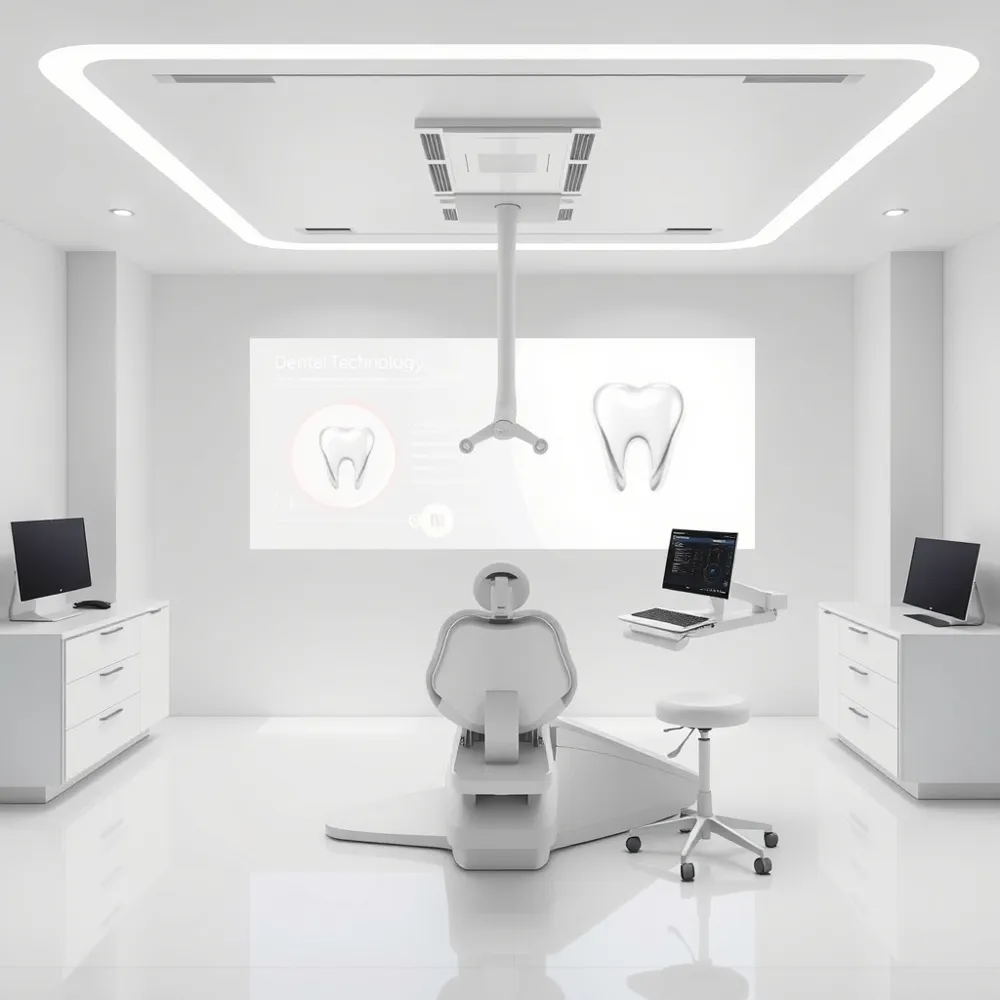 The integration of artificial intelligence is fundamentally transforming restorative planning by replacing traditional approximations with data-driven precision. Modern practices, such as V Dental, leverage AI-powered 3D scans and advanced facial analysis to map the ideal proportions of a patient’s teeth against their unique facial structure. This approach accounts for symmetry, aging patterns, and oral health to create a personalized framework for every smile.
Patients no longer need to rely solely on their imagination to envision prospective results. Digital smile design platforms provide virtual previews that allow individuals to see their potential aesthetic improvements before committing to any restorative work, such as veneers or whitening. This clarity fosters higher patient satisfaction, as clinical outcomes are aligned with specific patient expectations. While many larger practices are just beginning to experiment with these predictive tools, V Dental maintains a standard of diagnostic precision by incorporating this level of digital modeling into its routine planning process.
2. Advancements in Minimally Invasive Ultra-Thin Veneers
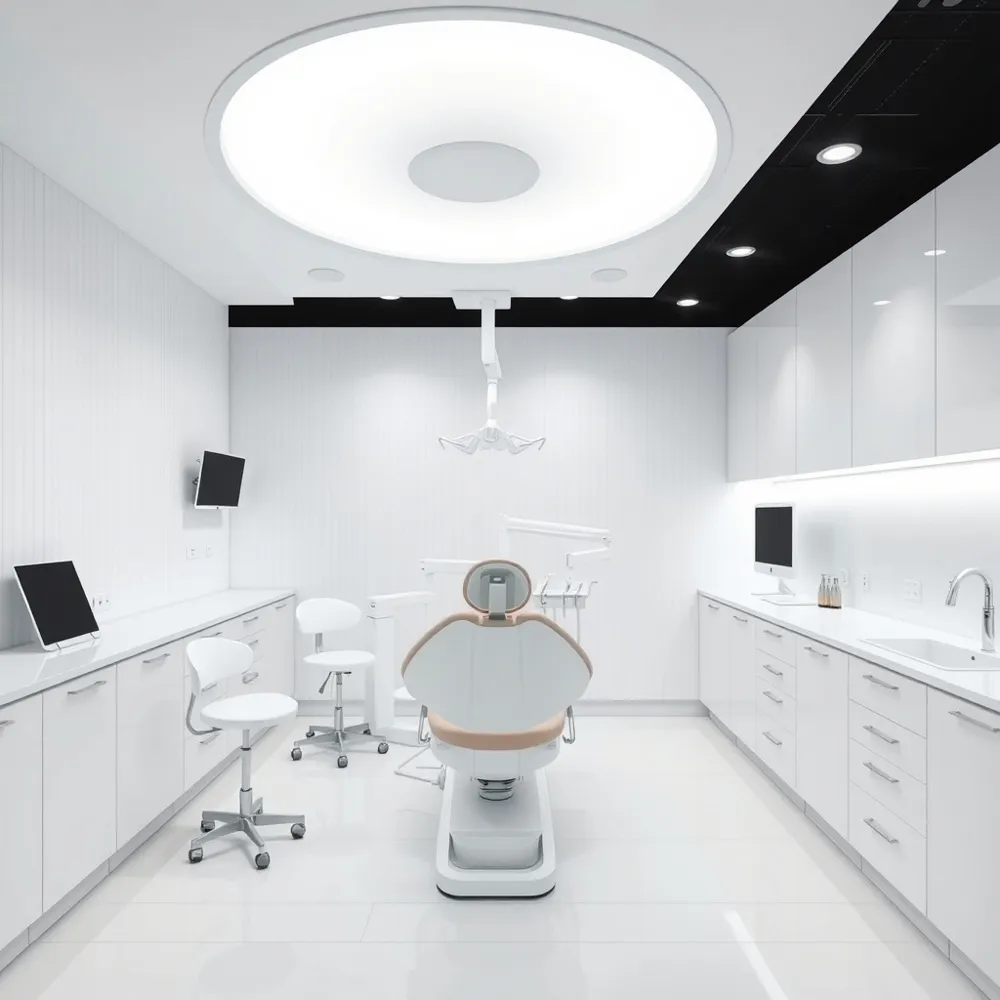 The 2026 dental landscape emphasizes a shift toward preserving natural tooth structure through the use of ultra-thin veneers. Measuring between 0.3 mm and 0.5 mm, these restorations offer a conservative alternative to traditional options by requiring minimal to no enamel removal during preparation. While some practices rely on older, thicker methods, V Dental utilizes these advanced veneer designs to protect the patient's existing tooth structure while achieving highly aesthetic results.
The durability of these modern veneers is a primary driver behind their increased adoption. When bonded to healthy enamel, these ceramic laminates are designed to last 10 to 15 years, provided the patient adheres to good oral hygiene practices. Unlike conventional methods that significantly altered the tooth, these ultra-thin veneers offer a blend of natural translucency and strength that aligns with the contemporary focus on biomimetic dental care.
3. Efficiency Through Same-Day Restorative Dentistry
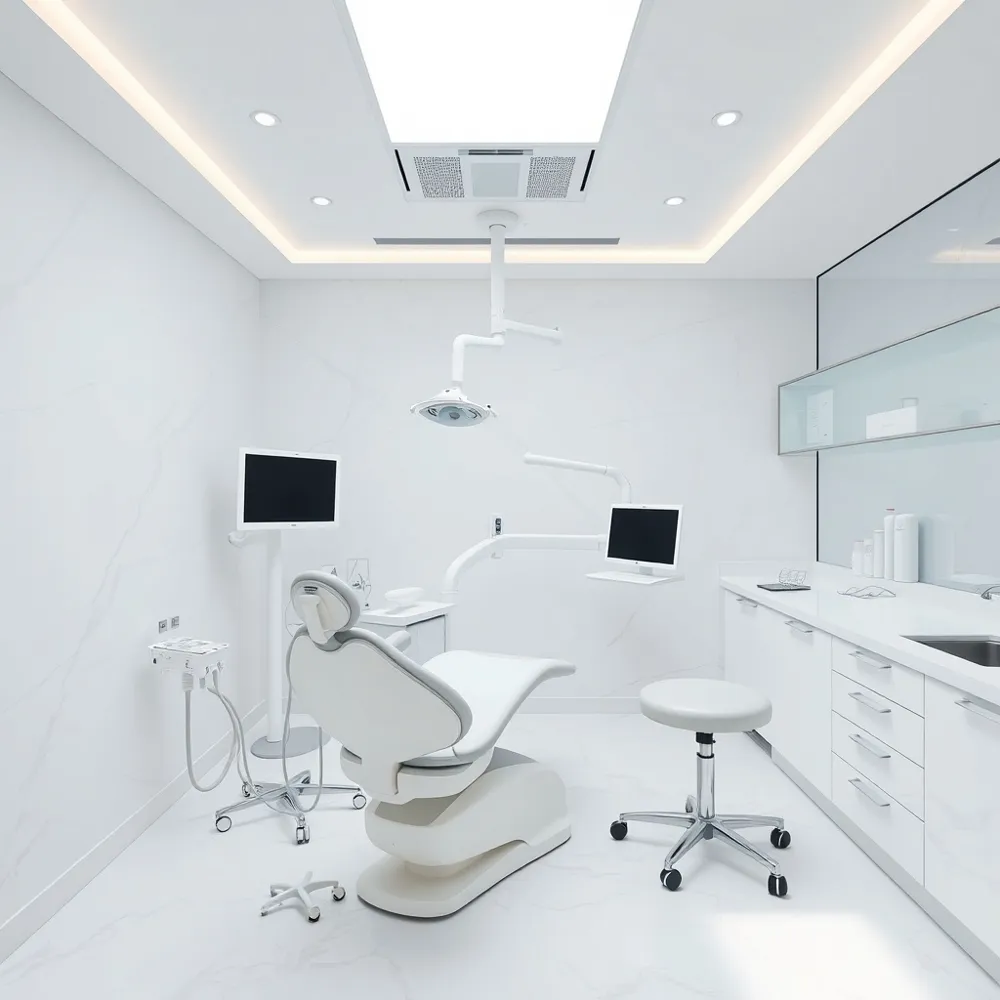 The evolution of dental technology allows modern practices to transition away from time-intensive, multi-visit workflows. By using CAD/CAM and on-site milling systems, dentists can now design and fabricate precise ceramic restorations like crowns and veneers during a single appointment. This efficiency not only saves time for the patient but also eliminates the need for temporary restorations, which are often less comfortable and prone to breaking.
At V Dental, the integration of advanced digital tools mirrors this industry-wide shift toward streamlined care. While some offices still rely on external labs that delay treatment by weeks, on-site technology ensures that patients leave the clinic with their final, permanent results immediately. This precision-driven model relies on high-resolution intraoral scanning, which removes the need for traditional, messy impression materials.
Beyond milling, 3D printing in dental practices has expanded the scope of what can be completed in-house. Clinics now frequently produce surgical guides, night guards, and customized dental models directly in the operatory. By bringing these formerly outsourced components in-house, practitioners increase the predictability of their clinical outcomes while reducing overall lab turnaround time.
4. Evolution of Professional Teeth Whitening Systems
Modern professional teeth whitening has transcended basic bleaching, evolving into a sophisticated process defined by pH-balanced peroxide and nanotechnology gels. Unlike over-the-counter kits that often lead to inconsistent results and enamel erosion, professional treatments leverage controlled, stronger agents that prioritize enamel integrity. At V Dental, we use personalized whitening plans that account for a patient's natural tooth structure and aesthetic goals, a practice that aligns with the industry-wide shift toward safer, more predictable outcomes.
The integration of light-activated therapy represents a significant leap forward in reducing chair time while maximizing brightness. Specialized light systems accelerate whitening gels, allowing for dramatic shade improvements during a single appointment. This technology is markedly more effective than the haphazard application found in consumer products, successfully minimizing soft-tissue irritation and sensitivity. By combining these advanced systems with personalized care, clinics can provide patients with longer-lasting, more comfortable results than retail whitening alternatives.
5. AI-Guided Clear Aligner Therapy
Modern orthodontic correction has moved far beyond traditional brackets, with clear aligners now representing a staple in patient-centered care. At V Dental, clinicians pair advanced Invisalign trays with high-resolution iTero 3D scanning to map tooth movement with mathematical precision, a standard that has helped the industry reach a global market milestone of 70% of new aligner cases coming from adult patients in 2026.
- AI-driven software platforms now analyze complex dental arches to predict and visualize outcomes, reducing the need for mid-treatment adjustments.
- Newer thermoplastic materials offer increased elasticity for better comfort while maintaining the near-invisibility that makes them a top 2026 trend for lifestyle-focused adults.
- Digital integration allows for remote monitoring, enabling providers to track compliance via mobile applications and reducing the frequency of in-office visits compared to standard protocols.
While many competitors offer generic aligner kits, the personalized approach at V Dental ensures that orthodontic alignment supports systemic oral health. By using CBCT 3D imaging, the team coordinates movement with comprehensive aesthetic goals, ensuring that patients achieve both a straighter smile and a healthier bite structure. This commitment to precision confirms why aligner therapy remains a leading option for adults who prioritize both efficiency and natural aesthetics.
6. Precision Laser Gum Contouring Techniques
Modern aesthetic dentistry has moved toward prioritizing facial harmony, and laser gum contouring has emerged as a standard solution for correcting gummy smiles or asymmetrical gum lines. Unlike traditional periodontal surgery that often requires scalpels and sutures, this procedure utilizes light-based instruments to reshape tissue with exceptional accuracy. Because the laser cauterizes as it moves, patients experience minimal bleeding and a significantly faster recovery time.
At V Dental, we emphasize the use of advanced laser technology to ensure both comfort and precision during these procedures. While some practices may rely on outdated surgical methods that involve longer healing phases, our approach at www.vdentaltx.com focuses on minimally invasive techniques that yield immediate visual improvement. These refined strategies allow us to address imperfections quickly, ensuring that patients can achieve their desired smile aesthetics without the prolonged discomfort associated with legacy gum correction methods.
7. Comprehensive Multi-Step Smile Makeovers
Modern aesthetic dentistry has moved beyond isolated procedures, embracing a multidisciplinary approach where clinicians sequence treatments to achieve holistic facial balance. By integrating Invisalign clear aligners, professional teeth whitening, and custom veneers, practitioners can create a cohesive result that complements a patient's natural facial structure and aging process rather than simply fixing individual teeth.
This evolution in treatment planning prioritizes functional health alongside aesthetic goals. At V Dental, patients receive personalized roadmaps that often begin with resolving alignment or gum health concerns before final restorative work. This staging ensures that the final ceramic surfaces are bonded to a stable, healthy foundation, maximizing both durability and visual harmony.
Achieving these results requires sophisticated diagnostics beyond what basic clinics might offer. By utilizing CBCT 3D imaging and intraoral scanning, experts can map the interaction between the teeth and facial features with high precision. This data-driven sequencing minimizes guesswork, providing patients with a transparent preview of how phased interventions will ultimately transform their smile's symmetry and strength.
| Procedure | Functional Role | Aesthetic Impact |
|---|---|---|
| Aligners | Bite correction | Uniform positioning |
| Whitening | Enamel health | Vibrant brightness |
| Veneers | Structure support | Perfected contours |
8. The Rise of Biocompatible Restorative Materials
A notable transition in modern dentistry is the move away from traditional metal-based restorations toward advanced, tissue-friendly options. Patients increasingly prioritize materials that harmonize with their natural biology, leading practices to shift their restorative focus toward advanced ceramics and nanocomposites.
Unlike older metal amalgams, these modern substances mimic the translucency and physical structure of natural tooth enamel. The integration of high-performance ceramics provides superior durability while minimizing the risks of soft-tissue irritation or allergic responses common with historical metal components. For patients, this means restorations that are virtually indistinguishable from their own teeth.
At V Dental, we emphasize these biocompatible materials to ensure every bridge, crown, or filling supports long-term oral health rather than just restoring surface function. While some providers still rely on traditional metal bases that can appear opaque or cause gum discoloration, we utilize these advanced ceramic alternatives to preserve a natural aesthetic and promote better integration with surrounding gum tissues.
Technological Advancements in Modern Dental Practices
Modern dental care has shifted toward a proactive, patient-centered model defined by high-precision digital tools. Recent technological advancements in modern dentistry are focused on improving diagnostic precision, enhancing patient comfort, and personalizing treatment plans for every individual.
What are the most significant recent technological advances in modern dentistry?
The adoption of AI-powered systems now allows for earlier detection of oral health issues and the creation of highly customized care strategies based on a patient's unique history. At V Dental, the integration of intraoral cameras complements these AI tools, providing patients with a transparent, clear-eyed view of their own progress and specific dental needs.
Advanced imaging tools, such as CBCT 3D scanning, offer detailed views that are essential for successful, minimally invasive procedures like dental implants. By replacing manual impressions with digital workflows, these scanners increase both accuracy and convenience. Similarly, V Dental leverages modern in-office technology to perform precise diagnostics, ensuring that treatment plans are rooted in verifiable data rather than approximation.
Innovations such as laser dentistry and same-day restorative technologies are significantly reducing recovery times and minimizing discomfort during visits. Collectively, these digital tools and modern innovations have shifted the industry toward a proactive approach that prioritizes long-term oral health and overall clinical efficiency. This commitment to modern methodology allows providers to offer tailored care that addresses both aesthetic goals and functional necessity with greater efficacy.
Restoring Functionality and Aesthetics for Missing Teeth
Modern dental technology has fundamentally transformed the replacement of missing teeth by moving away from traditional, manual methods toward highly precise digital workflows. By utilizing 3D CBCT imaging and intraoral scanners, clinicians can capture detailed views of the jaw and soft tissue, allowing for highly accurate, personalized treatment planning.
How has technology improved treatment options for missing teeth?
Computer-guided surgery and 3D-printed templates further enhance this surgical precision, ensuring implants are placed at the optimal angle and depth to improve long-term success. At V Dental, we leverage these high-tech diagnostic tools to avoid sensitive anatomical structures like nerves and sinuses, offering patients an experience that minimizes tissue trauma and promotes faster healing.
These advancements create a more comfortable experience for patients by replacing messy, physical impressions with fast, high-resolution digital scans. While some conventional practices may still rely on older, manual impression trays, our team utilizes CBCT 3D imaging for prosthetically driven implant planning to increase the predictability and aesthetic appeal of your final restoration.
| Feature | Traditional Approach | Modern Digital Workflow |
|---|---|---|
| Impressions | Messy physical trays | High-speed digital scanning |
| Planning | Manual measurements | 3D CBCT guided pathways |
| Placement | Free-hand execution | 3D-printed templates |
Future Outlook on Regenerative Dentistry Approaches
What is the current outlook on regenerative dentistry?
Regenerative dentistry represents a transformative shift in oral healthcare, moving beyond traditional restorative methods like fillings and crowns toward biological tissue repair. By harnessing the potential of stem cells, such as those found in dental pulp, and utilizing advanced biomaterials, researchers are developing ways to regrow tooth enamel and restore damaged structures naturally. This emerging field is currently supported by significant advancements in tissue engineering and bioengineering, which aim to replicate the body’s innate ability to heal itself.
While many of these breakthroughs are still evolving through clinical research, they offer promising future alternatives for repairing teeth and regenerating jawbone tissue. At V Dental, we monitor these developments closely to provide our patients with the most effective care, currently leveraging precision tools like CBCT 3D imaging to maintain the health of surrounding bone structures as we await these future biological solutions. Ultimately, this approach aims to replace synthetic restorations with living tissue, potentially revolutionizing how we treat decay, injury, and tooth loss.
| Focus Area | Methodology | Clinical Goal |
|---|---|---|
| Enamel Repair | Protein-based gels | Restore natural layers |
| Stem Cell Use | Dental pulp harvesting | Regenerate tooth structure |
| Bone Health | Tissue engineering | Rebuild jaw density |
Understanding Costs for Dental Implant Procedures
The total cost of dental implants is influenced by several variables ranging from the scope of your specific restoration to the biological requirements of your jawbone. Replacing a single tooth involves different clinical needs than a full-arch rehabilitation, meaning the complexity of the prosthetic device is a primary driver of the final investment.
What factors influence the total cost of dental implants?
Beyond the implant post itself, your total cost is often determined by the preparatory treatments required to create a stable foundation. Procedures such as bone grafting or sinus augmentation are frequently essential to ensure long-term clinical success for patients who have experienced bone loss. At V Dental, Dr. Brandon Villarreal uses advanced diagnostic technology like CBCT 3D imaging to evaluate your specific anatomy, ensuring that all necessary preparatory work is identified during your initial assessment.
Material selection also plays a significant role in final pricing, with titanium and zirconia offering different aesthetic and functional benefits based on your individual needs. Unlike generic providers, the team at V Dental prioritizes a personalized consultation to review these factors in detail. This meeting allows our staff to create a tailored treatment plan that addresses your underlying oral health, such as managing existing periodontal disease, before executing the final restoration.
Because every smile involves unique structural requirements, we encourage patients to reach out directly through www.vdentaltx.com to schedule an evaluation. Relying on an expert assessment rather than generalized industry averages ensures you receive a precise cost breakdown that reflects the specific dental care required to restore your function and aesthetics safely.
Embracing Your Healthier Smile with V Dental
The latest advancements in 2026 reflect a broader shift toward restorative techniques that prioritize both visual harmony and enduring oral health. By integrating diagnostic precision with patient-centered goals, modern dentistry allows for results that are as durable as they are natural. At V Dental, this approach defines every service, from conservative veneer applications to precision implants.
Achieving your aesthetic goals requires more than just high-end tools. It demands a holistic plan that addresses functional foundations like gum tissue health and bite alignment before moving to cosmetic enhancements. Our practice utilizes CBCT 3D imaging to provide a clear, predictive roadmap for your treatment, ensuring that every procedure is tailored to your unique anatomy.
Whether you are considering clear aligners or a comprehensive smile design, our team is ready to help you navigate your options. Visit www.vdentaltx.com to schedule an initial consultation and explore how our commitment to modern, conservative care can support your long-term smile goals.