Understanding Essential Urgent Dental Care
Prompt professional intervention serves as the most important factor in saving natural teeth and preventing systemic health complications during a dental crisis. Per American Dental Association guidelines, a true emergency involves conditions that require immediate treatment to stop uncontrollable bleeding, alleviate severe pain, or manage infections. While minor issues like dull discomfort or small chips can often wait for a standard office appointment, life-threatening symptoms such as difficulty breathing or extreme facial swelling necessitate a visit to an emergency room instead.
At V Dental, patients across Live Oak and surrounding communities receive personalized treatment plans tailored to handle unexpected orofacial trauma effectively. Dr. Brandon Villarreal and his team utilize advanced diagnostics like CBCT 3D imaging and digital X-rays to assess injuries accurately on the same day when possible. By emphasizing swift evaluation and targeted care, the practice helps patients avoid the long-term damage often associated with delayed treatment. If you experience persistent, throbbing pain or signs of an abscess, contacting a professional immediately is the best way to secure your oral health outcomes.
Emergency Dental Care and Protocol Guidelines
- Knocked-out teeth have a 60-minute golden hour for successful replantation.
- Always handle an avulsed tooth by the crown to preserve root tissues.
- Store a knocked-out tooth in milk or saline if immediate placement fails.
- Severe dental abscesses with airway obstruction require an emergency room visit.
- Never drain a dental abscess or apply aspirin directly to gum tissue.
- Persistent bleeding can be managed with a moistened caffeinated tea bag.
- Do not use household adhesives like super glue for dental repairs.
- Persistent jaw clicking or locking necessitates a professional structural assessment.
- Hospital emergency rooms generally lack tools for restorative dental procedures.
- V Dental uses CBCT 3D imaging to diagnose complex oral infections.
1. Immediate Care for Knocked Out Teeth
 A knocked-out or avulsed tooth represents a time-sensitive emergency that requires decisive action to maximize the possibility of successful replantation. According to research from the American Dental Association, the probability of saving the tooth decreases significantly if it is not returned to its socket within 60 minutes. This critical window, often referred to as the golden hour, dictates the urgency of your response.
Correct handling of the tooth is essential for preservation. Always hold the tooth strictly by the crown, never by the root, to protect the delicate tissues that must integrate back into the alveolar bone. If the tooth is dirty, rinse it gently with water or milk without scrubbing or removing any attached tissue fragments. If immediate reimplantation is not possible, keep the tooth moist by storing it in a small container of milk or a professional cell growth medium like Save-a-Tooth.
V Dental manages these traumatic incidents by offering prompt diagnostics and treatment planning. While some practices may delay care, we utilize CBCT 3D imaging and digital radiography to treat injuries effectively. If you experience this type of trauma in Live Oak, contact us immediately for guidance on how to preserve the tooth structure while traveling to our office.
2. Managing Severe Dental Abscesses and Infections
 A dental abscess is a serious infection that causes facial or jaw swelling, often appearing as a pocket of pus near the root of a tooth. These infections can trigger fever and intense discomfort, serving as clear indicators that you require immediate professional intervention. If left untreated, these infections can spread to other parts of the body, potentially resulting in systemic health complications per American Dental Association clinical guidance.
At V Dental, our team diagnoses these complex issues using advanced tools like CBCT 3D imaging to pinpoint the source of the infection. While some general practitioners might simply refer patients elsewhere, we focus on providing personalized treatment plans that often involve professional incision and drainage procedures to remove the infection safely. This clinical approach helps alleviate the immediate pressure and pain associated with the condition.
Never attempt to drain or pop an abscess at home, as this can worsen the infection or cause secondary tissue damage. If you experience difficulty breathing, trouble swallowing, or extreme swelling that may affect your airway, you should bypass the dentist and seek assistance at an emergency room or call 911 immediately as recommended for urgent dental care.
3. Repairing Fractured or Chipped Teeth
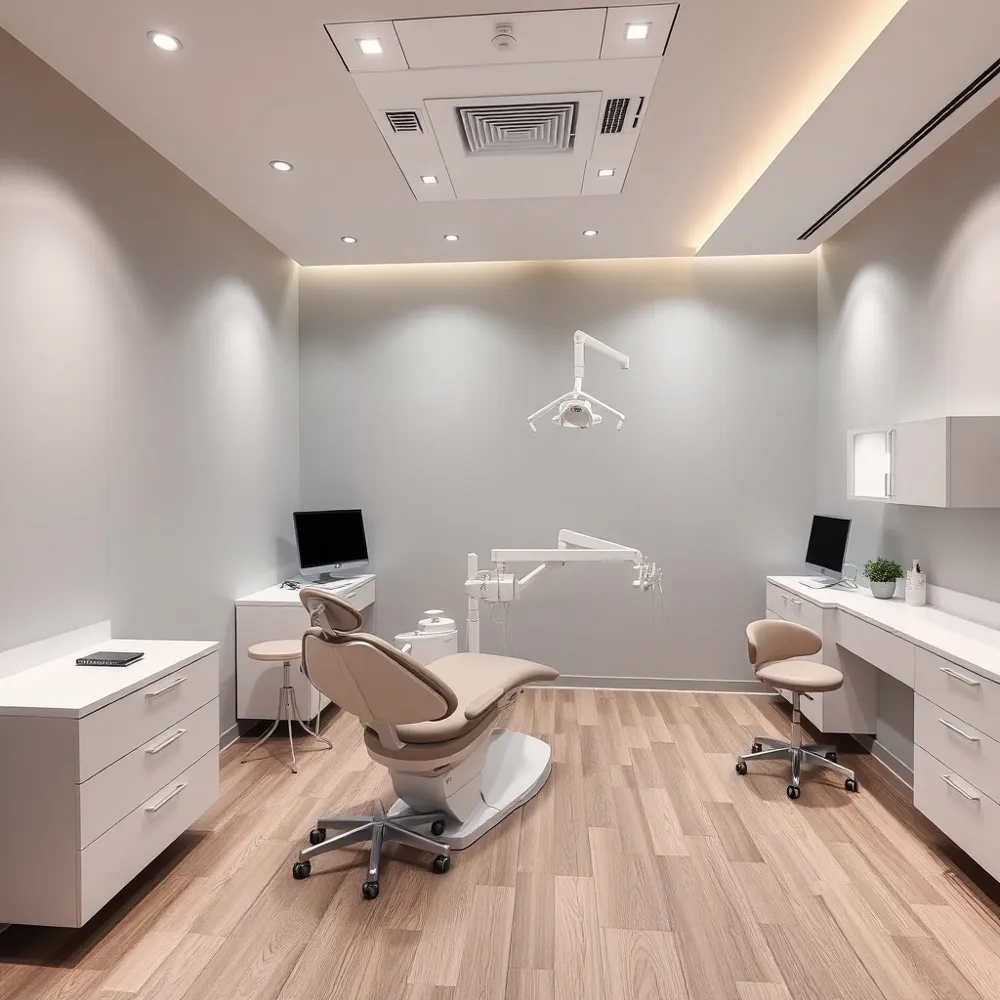 A fractured or chipped tooth requires swift professional assessment, especially if the injury exposes internal nerve tissue or creates sharp, jagged edges that tear oral soft tissues. At V Dental, patients benefit from rapid diagnostic capabilities using digital X-rays to determine the depth of the fracture and verify structural integrity.
If you experience a dental break, locate any tooth fragments and store them in a container of saline or milk to bring to your appointment. While professional repair of cracked teeth may involve cosmetic bonding or a restorative crown, you should avoid attempting to fix broken pieces with household adhesives, which can cause permanent damage.
The American Dental Association emphasizes that prompt intervention prevents further decay or total failure of the tooth structure. Unlike general urgent care facilities that offer only painkillers, V Dental provides the specialized restorative bonding and crowns necessary to stabilize the affected tooth and restore its natural function during the same week of the injury.
4. Relieving Unbearable Pulpal Toothache Pain
Deep, radiating tooth pain often originates from the tooth pulp, where inflammation or infection puts intense pressure on delicate nerve tissues. This throbbing sensation typically signifies a serious underlying condition such as pulpitis or a deep abscess. At V Dental, we utilize CBCT 3D imaging and intraoral cameras to pinpoint the source of this agony instantly, allowing for a precise diagnosis that generic pain management cannot provide.
When attempting to manage this pain at home, patients must avoid placing aspirin or other medications directly against gum tissue. This common mistake causes painful chemical burns that complicate the healing process, according to the Cleveland Clinic. While over-the-counter anti-inflammatories are safer, they only mask symptoms rather than treating the infection.
For true relief, professional intervention is necessary to stabilize the tooth. Our team provides sedative fillings or other urgent therapeutic measures designed to calm irritated nerves and remove the source of infection. Unlike general hospital emergency rooms that only offer temporary medical analgesics, our office in Live Oak focuses on restorative care to resolve the issue at its root.
5. Stabilizing Lost Crowns and Dental Restorations
Losing a dental crown or a bridge can cause significant sensitivity or discomfort as the exposed tooth structure is left vulnerable to temperature changes and decay. At V Dental in Live Oak, Texas, we emphasize that these situations require prompt evaluation to prevent further structural damage. Unlike practices that might suggest temporary fixes without a clear path to definitive care, we prioritize creating a personalized treatment plan during your urgent visit to quickly secure your restoration.
When you lose a restoration, keep all detached pieces and contact your dentist for guidance. Never attempt to use super glue to reattach a crown or bridge, as the chemicals can cause permanent damage to your tooth and soft tissues. Instead, visit a pharmacy for temporary over-the-counter dental cement, or use a small amount of toothpaste or denture adhesive to protect the area while you await your appointment per American Dental Association guidelines.
Our team uses advanced technology, including iTero 3D scanning and digital X-rays, to ensure a precise, comfortable fit when replacing your restoration. While some dental offices may only offer basic support, we combine clinical expertise with modern diagnostic tools to ensure your smile remains functional and healthy. Please save any fragments and bring them with you to your visit so our team can determine the best method for securing your dental work.
6. First Aid for Orofacial Soft Tissue Injuries
Injuries to the lips, cheeks, or tongue often involve significant bleeding due to the high density of blood vessels in the mouth. When such a dental emergency occurs, immediate action focuses on controlling the hemorrhage. A highly effective method involves applying firm, steady pressure to the site using a moistened, caffeinated tea bag. The tannic acid present in the tea aids in the coagulation process by helping to shrink blood vessels, providing a practical solution until professional help is available.
For lacerations and cuts, start by gently cleaning the area with a wet, soft cloth to remove debris. Applying a cold compress to the outside of the cheek or lip for 15 to 20 minutes can help manage associated swelling and minimize discomfort. While these steps are appropriate for initial management, persistent bleeding that does not subside after controlled pressure should prompt an immediate trip to a hospital emergency room, per the American Dental Association clinical guidance.
At V Dental in Live Oak, Texas, Dr. Brandon Villarreal and his team emphasize that severe trauma, particularly when it compromises the airway or is accompanied by possible facial fractures, requires urgent hospital attention. For non-life-threatening lacerations, our practice provides rapid assessment using current diagnostic technology to ensure proper healing and prevent infection, ensuring patients throughout the community receive timely intervention when accidents occur.
7. Urgent Orthodontic Wire and Appliance Relief
Orthodontic wires that shift or break can cause significant irritation by cutting into the inner cheeks, lips, or tongue. At V Dental, Dr. Brandon Villarreal recommends that patients experiencing active discomfort from a protruding wire use a clean pencil eraser to gently tuck the wire away from sensitive tissues. Applying a small amount of non-toxic orthodontic wax over the sharp end provides an immediate barrier, which protects the oral mucosa until a professional adjustment can be performed.
While some minor wire issues are managed at home, failing to address a persistent, sharp appliance can lead to painful ulcerations. Unlike general clinics that may lack specific alignment tools, V Dental utilizes modern diagnostic technology to assess appliance integrity and make swift, comfortable repairs. Regular check-ups are the best defense against hardware failure, as these visits allow for the early detection of worn components before they disrupt your daily routine.
- Cover jagged metal ends with a pea-sized amount of orthodontic wax.
- Avoid eating crunchy, chewy, or sticky foods that increase the risk of bracket displacement or wire snapping.
- Use a protective mouthguard during physical activity to shield hardware from impact.
- Maintain excellent oral hygiene to prevent inflammation that makes gum tissue even more sensitive to metal edges.
8. Emergency Extractions for Unsaveable Teeth
When a tooth is severely compromised, an extraction may be required to prevent further health complications. A dental provider determines a tooth is unsaveable based on factors such as extensive decay, structural fractures that extend below the gum line, or advanced periodontal disease where supporting bone is no longer present, as noted by the American Dental Association. At V Dental in Live Oak, Texas, Dr. Brandon Villarreal uses advanced diagnostic tools like CBCT 3D imaging to evaluate the viability of the tooth before recommending any surgical removal.
To mitigate acute discomfort during an emergency extraction, clinical teams prioritize pain management. Sedation options are often available to help patients manage anxiety and stress during the procedure. While an emergency room can provide antibiotics or basic pain relievers for infections, as described by the National Institutes of Health, these settings are not equipped for restorative or surgical procedures, making a dental office the appropriate venue for definitive care.
Following the extraction, proper post-operative care is essential to ensure healthy healing and prevent complications like dry socket. V Dental provides patients with detailed guidance on managing the site so that patients can return to their daily routines. Consulting with the practice on bridge or dental implant placement afterward is also important to maintain oral function and prevent the shifting of adjacent teeth.
9. Jaw Joint and Orofacial Pain Assessment
Acute pain originating from the jaw joints or facial muscles often requires an urgent clinical evaluation to determine if the condition is muscular, structural, or related to the temporomandibular joint (TMJ). While some discomfort may arise from routine muscle fatigue, persistent locking, clicking, or inability to fully open the mouth can indicate a significant dysfunction that necessitates professional intervention. At V Dental, practitioners conduct comprehensive initial examinations to pinpoint the source of these symptoms, ensuring that patients receive targeted care rather than just temporary symptom management.
Correct diagnosis of complex jaw issues requires high-precision imaging rather than relying on standard diagnostics alone. V Dental utilizes advanced technology such as CBCT 3D imaging and digital X-rays to visualize the internal structures of the jaw joint, allowing for a precise understanding of the patient's condition. These tools are often more effective than traditional methods at revealing the root cause of clicking or locking sensations. By combining these modern diagnostic capabilities with personalized treatment plans, the practice ensures that patients dealing with orofacial pain receive the exact care required for lasting relief.
Navigating the Emergency Room vs Dentist
Understanding where to seek help during a dental crisis is vital for receiving efficient treatment. While hospital emergency rooms provide essential care, they are typically limited in their scope regarding oral health. Per American Dental Association guidelines, hospitals are equipped to address life-threatening medical concerns, such as trauma to facial bones that compromises the airway or bleeding that remains uncontrolled after applying direct pressure.
Should I go to the emergency room for a dental emergency?
Most hospital emergency departments do not have dentists on staff to perform restorative dental procedures like fillings, root canals, or extractions, according to the Cleveland Clinic. While an ER doctor can provide temporary relief through antibiotics or systemic pain medication, they cannot resolve the underlying structural damage to your teeth. Leaving a dental infection untreated while only addressing systemic symptoms can allow the issue to progress, potentially leading to greater health complications.
For localized dental emergencies, including sharp toothaches, avulsed teeth, or abscesses, contacting a dedicated professional is the most effective path toward recovery. V Dental utilizes modern diagnostic equipment such as CBCT 3D imaging to identify the precise source of pain and deliver targeted interventions. By choosing a specialized dental practice, you ensure that you receive definitive treatment rather than just stabilization. The team at V Dental is prepared to manage urgent oral health needs promptly to protect your natural teeth and prevent future restoration costs.
Handling Costs and Out-of-Hours Emergencies
How can I manage dental care costs during an emergency?
If you are concerned about the cost of urgent dental treatment, V Dental is committed to helping you manage expenses through flexible financing options. We accept various solutions, such as healthcare credit cards, which often feature low monthly payments and quick approval processes to help you receive care without delay. It is best to discuss these available payment plans with our office staff when you call to schedule your emergency appointment. By exploring these options, you can secure the necessary treatment while choosing a budget-friendly way to cover the costs over time. We encourage you to reach out to our team directly so we can help identify the best path for your unique situation.
What steps should I take if I face a dental emergency on a weekend or at night?
If you experience a dental emergency after hours, first assess your symptoms to determine the urgency of your condition. For severe issues like uncontrollable bleeding, jaw trauma, or signs of a serious dental abscess such as fever and facial swelling, proceed immediately to the nearest emergency room or call 911. If the situation is urgent but not life-threatening, you should attempt to contact your dentist or a local after-hours emergency practice for guidance on symptom management.
In the interim, you can use cold compresses to minimize swelling or dental wax to cover sharp edges on broken teeth. Regardless of the time, timely professional intervention is critical to preventing permanent damage, so be sure to reach out to V Dental as soon as our office reopens to schedule an immediate assessment.
Prioritizing Oral Health and Emergency Preparedness
Consistency serves as the strongest defense against the unpredictability of dental trauma. Maintaining a proactive oral hygiene routine significantly reduces the likelihood of encountering a late-night emergency and ensures your teeth remain resilient against structural failure.
- Brush for two minutes, twice per day, using fluoride toothpaste.
- Floss daily to remove plaque from between teeth and along the gumline.
- Schedule biannual professional cleanings to catch hidden decay or structural weaknesses early.
Regular checkups at V Dental facilitate the early detection of issues like hairline fractures or early-stage infections before they evolve into urgent conditions. Advanced diagnostic tools like CBCT 3D imaging allow our team to map your oral health with precision, creating personalized treatment plans that prioritize the preservation of your natural tooth structure.
Emergencies rarely provide advance notice, but professional readiness does. If you live in Live Oak or the surrounding areas, we invite you to anchor your oral health in a consistent care plan. Visit our practice to establish your baseline records and discuss how our digital X-rays and preventative services keep your smile secure. Taking these steps today prevents more significant, costly complications later, ensuring that your dental health remains stable and protected throughout the year.