When Dental Problems Cannot Wait
Severe tooth pain, bleeding that will not stop, signs of infection, or an injured tooth may need prompt professional assessment. Timely care can help address the immediate problem and limit further damage. A dental emergency can include a knocked-out or displaced tooth, a serious crack, an abscess, or a deep cut in the mouth.
The right place to seek help depends on the symptoms. Call a dentist for guidance; hospital care may be needed for uncontrolled bleeding, serious facial injury, or trouble breathing. Most tooth injuries can be assessed by a dental professional, but available treatments and appointment timing vary by practice. Cleveland Clinic’s emergency dental guidance explains when dental or hospital care may be appropriate.
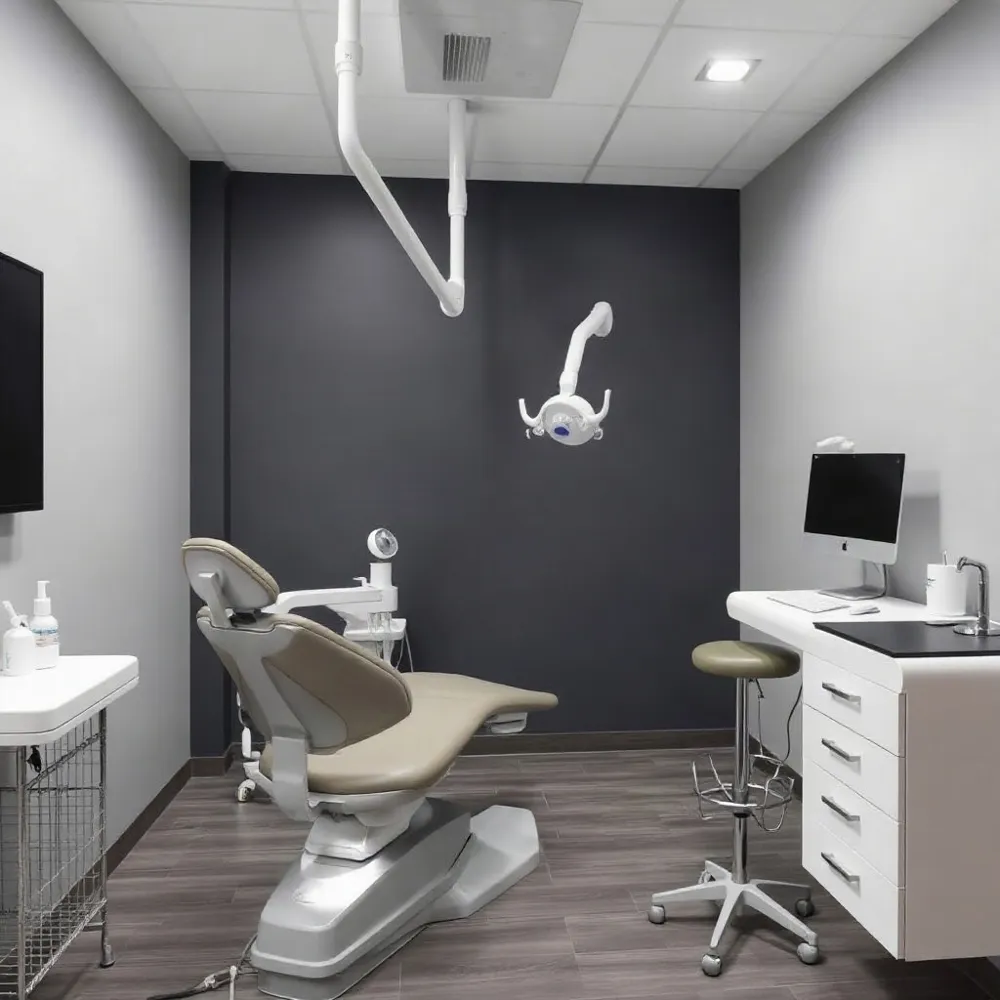
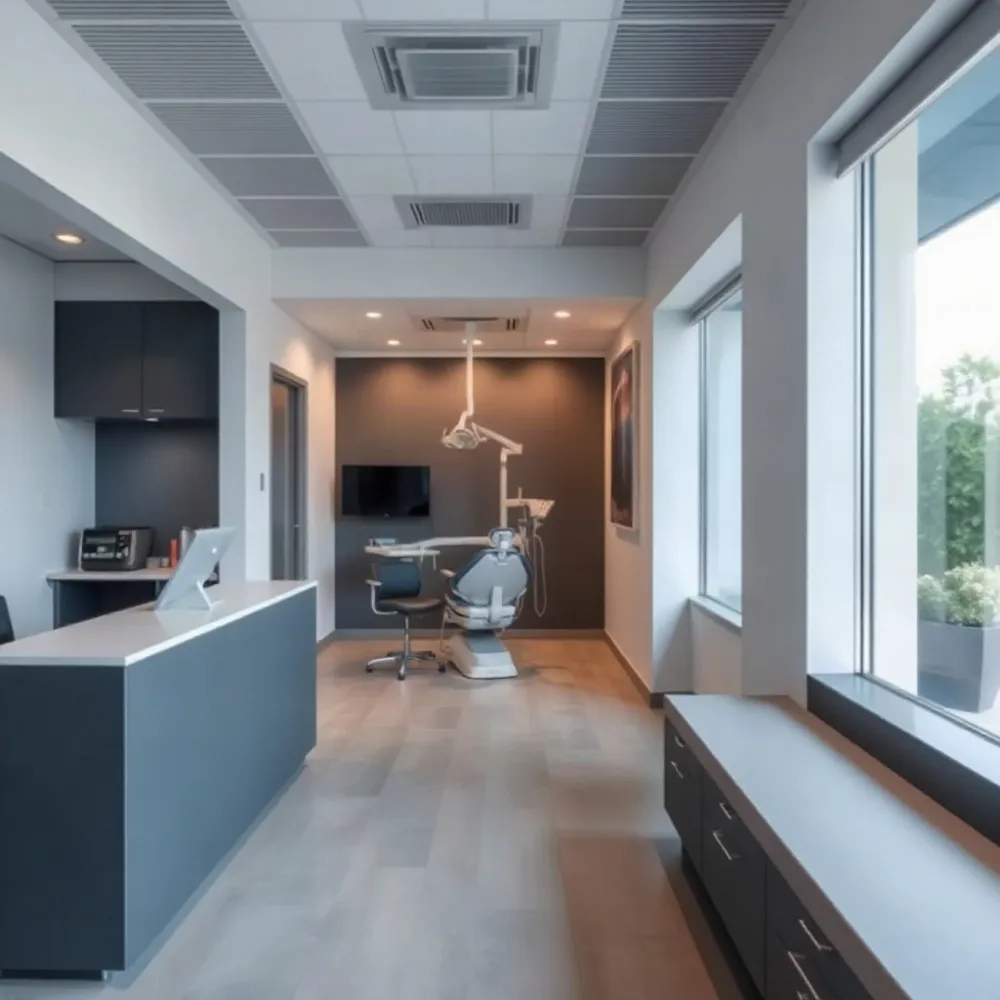
At V Dental in Live Oak, emergency care is among the practice’s services, alongside diagnostic tools such as digital X-rays and CBCT 3D imaging. The sections ahead cover urgent examination and imaging, pain relief, knocked-out and broken teeth, infections, oral cuts, lost restorations, partially dislodged teeth, and choosing between a dentist and hospital care. The appropriate treatment depends on an examination and the practice’s availability.
Dental Emergency Key Facts
- Severe or persistent tooth pain warrants prompt dental assessment; pain relief alone does not treat causes such as decay or infection.
- For a knocked-out permanent tooth, handle it by the crown, rinse gently if dirty, and place it back in its socket if it goes in easily; otherwise keep it moist in milk and seek dental care promptly.
- A partially dislodged tooth needs immediate dental attention; do not push or force it back into position.
- A suspected dental abscess needs prompt professional care; facial swelling with fever, worsening symptoms, or trouble swallowing or breathing calls for urgent medical advice or emergency care.
- Uncontrolled bleeding, serious facial injury, rapidly spreading facial or neck swelling, or difficulty breathing or swallowing requires emergency medical care or a 911 call.
- For a cracked or broken tooth, save any pieces, rinse gently, avoid chewing on that side, and arrange prompt dental assessment.
- A lost filling or crown can be temporarily protected with suitable dental cement or other recommended temporary measures, but never use super glue; arrange dental follow-up.
- For oral cuts, apply steady pressure with moistened gauze; seek immediate care if bleeding does not stop or the injury is severe.
- A dentist may use an examination and X-rays or CBCT imaging to assess damage and determine whether treatment such as a filling, root canal, drainage, or extraction is needed.
- For most dental emergencies, contact a dentist first; emergency departments can address serious medical symptoms but generally do not provide definitive restorative dental treatment.
1. Urgent Examination and Dental Imaging
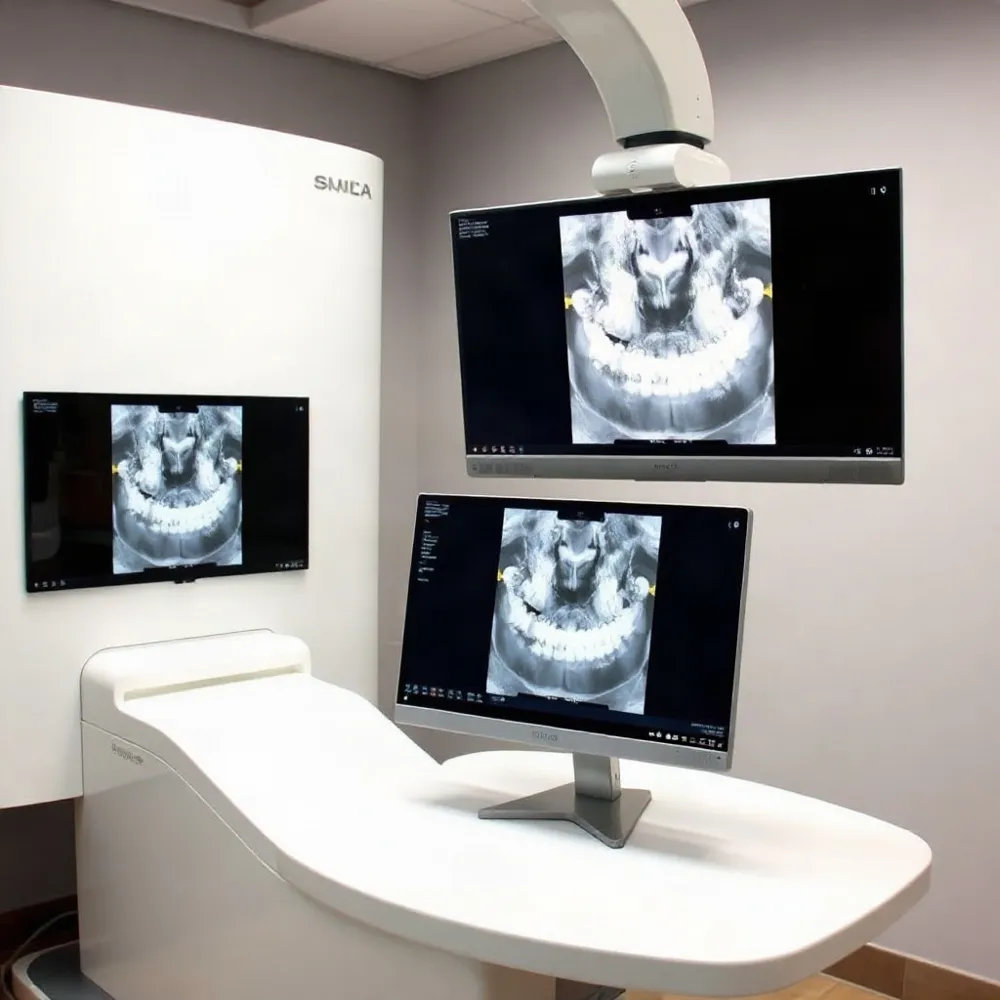 An emergency dental visit usually starts with an examination and questions about what happened, which symptoms you have, and when they began. Sharing details about pain, swelling, bleeding, or an injury helps the dentist assess the situation.
The dentist may take X-rays to check for damage that is not visible during the examination. At V Dental in Live Oak, digital X-rays and CBCT 3D imaging can support assessment, while the dentist uses the findings to decide what needs immediate stabilization and what treatment may follow.
The right next step depends on the findings and the severity of the problem. If symptoms are worsening or you are unsure how urgent they are, contact a dental professional for guidance. Cleveland Clinic’s dental emergency guidance recommends calling a dentist for instructions.
2. Severe Toothache Assessment and Relief
Severe or persistent tooth pain can come from decay, inflammation of the tooth’s pulp, or infection. The cause is not always clear from symptoms alone, so prompt dental assessment can help identify what needs treatment. Cleveland Clinic advises contacting a dentist promptly for severe pain that does not improve with medication (dental emergency guidance).
At an emergency visit, the dentist examines the tooth and may take imaging if needed to assess damage beneath the surface. Care may include pain relief and treatment aimed at the cause. Depending on the diagnosis and whether the tooth can be saved, options may include a filling, root canal treatment, or extraction.
While arranging care, rinse gently with warm water and floss carefully to remove trapped food. If there is swelling, an external cold compress may help. Follow the directions on any over-the-counter pain reliever you can safely take, and do not place aspirin or other painkillers directly on the tooth or gums. These medicines can injure gum tissue.
At V Dental in Live Oak, treatment plans are personalized, and the practice offers sedation options for patients who need support during dental care. Severe pain should still be assessed promptly rather than managed only with temporary measures.
3. Knocked-Out Tooth Reimplantation
 A knocked-out permanent tooth needs immediate dental attention. Handle it by the crown, the chewing surface, rather than the root. If it is dirty, rinse it gently with water, but do not scrub it or remove tissue attached to the root.
If you can, place the tooth back in its socket in the correct position, without forcing it. If it will not go in easily, keep it moist in milk and take it with you to the dentist. The Cleveland Clinic’s guidance on knocked-out teeth says the best chance of saving a tooth is when it is returned to its socket within one hour.
Call a dentist promptly while arranging care. Reimplantation is not possible in every case, and the dentist must assess the tooth and injury before deciding on treatment. V Dental provides emergency care in Live Oak, with treatment decisions based on each patient’s examination and needs.
4. Repair for Cracked and Broken Teeth
A badly cracked or broken tooth should be assessed promptly, especially if it causes pain, sensitivity, or bleeding. Save any pieces you can find, rinse them gently, then rinse your mouth with warm water. If there is bleeding, hold clean gauze against the area while arranging dental care. These steps are consistent with Cleveland Clinic guidance for a cracked tooth.
Until you are seen, avoid chewing on the injured side to limit irritation. A cold compress held against the outside of the cheek may also ease discomfort or swelling. Do not place aspirin directly on the tooth or gum.
Treatment depends on the extent of the damage. A dentist may stabilize the tooth, smooth a sharp edge, apply a protective dressing, or repair it with a suitable restoration. V Dental uses digital X-rays and CBCT 3D imaging as part of its modern dental technology, while treatment is based on each patient’s assessment.
An interim measure may protect the tooth until definitive treatment is possible, and additional appointments may be needed to complete care. Follow the dentist’s instructions and arrange follow-up even if the tooth feels better.
5. Abscess and Dental Infection Treatment
 A dental abscess is a pocket of infection that may appear as a swollen or pimple-like bump near a tooth root or between a tooth and the gums. Pain may occur, but swelling or a bump still warrants professional assessment even if discomfort is mild.
Prompt care matters because infection can damage nearby teeth and tissues, cause facial or jaw swelling, and spread to other parts of the body. Contact a dentist promptly if you suspect an abscess. Facial swelling with fever, worsening symptoms, or trouble swallowing or breathing needs urgent professional advice or emergency medical care. Cleveland Clinic guidance on dental abscesses also recommends seeking care as soon as possible.
At V Dental in Live Oak, Dr. Brandon Villarreal can assess the affected area and use diagnostic imaging, including digital X-rays or CBCT 3D imaging, to help evaluate the problem. Treatment depends on the findings and may include draining the abscess, root canal treatment to address infection inside a tooth, or extraction if the tooth cannot be saved.
A mild salt-water rinse, made with half a teaspoon of salt in eight ounces of water, may temporarily ease discomfort. It does not clear the infection or replace dental treatment, so arrange an assessment rather than relying on rinses alone.
6. Care for Oral Cuts and Bleeding
Cuts to the tongue, cheeks, gums, or lips can bleed heavily. A small injury may be less urgent if bleeding stops with simple first aid, but heavy or continuing bleeding needs prompt attention. V Dental offers emergency care for patients in Live Oak and nearby communities.
Gently rinse the area with mild salt water, then hold moistened gauze against the wound with steady pressure. A cold compress placed on the outside of the mouth may help ease swelling. Guidance from the Cleveland Clinic on soft-tissue injuries recommends seeking immediate care if bleeding does not stop.
If bleeding continues despite pressure, contact a dentist or go to a hospital emergency department, and keep pressure on the wound while arranging help. Severe injuries, deep cuts, or bleeding that cannot be controlled should not wait for a routine appointment. When the injury is minor and bleeding has stopped, contact a dental professional for advice about whether an examination is needed.
7. Temporary Help for Lost Restorations
A lost filling or damaged crown or bridge may leave a tooth sensitive or exposed, but the urgency depends on pain, the extent of damage, and other symptoms. Contact a dentist for advice, especially if pain is severe or worsening.
For a missing filling, sugarless gum or over-the-counter dental cement may temporarily cover the cavity. These measures can protect the area while you arrange care, but they do not repair the tooth. Cleveland Clinic’s guidance on lost fillings and broken restorations describes these as temporary options.
If a crown or bridge has come off, bring it to the dental appointment. If it fits back safely, dental cement, toothpaste, or denture adhesive may help hold it in place until you are seen. Do not force it, and never use super glue.
At V Dental in Live Oak, an examination can help determine what repair is appropriate. Temporary coverage is not a definitive fix, so arrange dental follow-up even if discomfort eases.
8. Stabilizing a Partially Dislodged Tooth
A permanent tooth that shifts out of position or becomes partly dislodged after an injury needs immediate dental attention. Contact a dentist promptly and explain how the injury happened and what has changed.
Do not push or force the tooth back into place. A dentist can assess the injury and decide how to stabilize the tooth; treatment depends on the damage. Prompt care may help limit further harm. Cleveland Clinic guidance on dental emergencies recommends immediate dental care for a partially dislodged tooth.
While traveling to care, apply a cold compress to the outside of the mouth to ease discomfort. You may consider an over-the-counter pain reliever, following its label directions and any advice from a health professional. V Dental offers emergency care, with personalized treatment plans to guide care based on each patient’s needs.
9. Choosing Dental or Hospital Emergency Care
For most dental emergencies, including a broken or knocked-out tooth, a dental office is the right place to start. Call a dentist first and describe the injury and symptoms; the office can advise where to go and how quickly you need care. Cleveland Clinic’s guidance on dental emergencies recommends contacting a dentist for instructions.
Go to an emergency department for serious injuries such as broken facial bones or bleeding that will not stop. Difficulty breathing or swallowing, or swelling that is spreading quickly across the face or neck, also calls for emergency medical care rather than waiting for a dental appointment.
If a dental office is closed, emergency-department clinicians may help manage pain or swelling, but they generally do not provide restorative treatment such as fillings or crowns. Arrange dental follow-up for diagnosis and definitive care. V Dental provides emergency care, but its availability and the specific services offered should be confirmed by calling the practice.
Recognizing a Dental Emergency
A dental emergency needs prompt attention to relieve severe pain, control bleeding, treat infection, or protect a tooth from further damage. Examples include a knocked-out or partly dislodged tooth, a badly broken tooth, worsening toothache, facial or jaw swelling, an abscess, or a lost restoration causing significant pain. Cleveland Clinic’s dental emergency guidance also identifies bleeding that will not stop and severe pain that does not improve with medication as urgent warning signs.
A small, painless chip or mild toothache may generally wait for a regular appointment. Deep mouth cuts with persistent bleeding, rapidly spreading swelling, or trouble breathing or swallowing need urgent medical attention. V Dental offers emergency care in Live Oak; if you are unsure how quickly you need to be seen, call a dentist promptly for guidance.
Getting Help Outside Office Hours
If a dental problem starts at night or on a weekend, call your dentist’s after-hours number, describe your symptoms, and follow the instructions. If you have no dentist or cannot reach yours, contact an urgent dental clinic. V Dental offers emergency care, but confirm availability directly with the practice.
While arranging care, keep a knocked-out permanent tooth moist in milk and seek dental attention promptly. For pain or a broken tooth, rinse gently with warm water and apply a cold compress for swelling. Do not put aspirin on a tooth or gums. Cleveland Clinic’s emergency guidance recommends dental care for most tooth injuries.
Go to an emergency department or call 911 for trouble breathing or swallowing, rapidly spreading facial or neck swelling, bleeding that will not stop with pressure, or serious facial injury. Emergency physicians’ guidance distinguishes these medical emergencies from problems usually treated by a dentist. Arrange dental follow-up promptly, even if symptoms ease.
Managing Pain, Infection, and Treatment Costs
Should I go to the emergency room or a dentist for severe tooth pain or infection?
Call a dentist promptly for severe tooth pain or a suspected infection. A dental exam, and X-rays if needed, can identify the cause and guide treatment. An emergency department may help with severe symptoms, but usually cannot provide definitive dental work, so follow-up with a dentist is still needed, as Cleveland Clinic explains. Go to the ER or call 911 for trouble breathing or swallowing, rapidly worsening facial or neck swelling, uncontrolled bleeding, or serious facial injury.
What can an emergency dentist do for a severe toothache?
Treatment depends on the findings and may include a filling, crown, root canal, abscess drainage, or extraction. While arranging care, rinse gently with warm water, floss carefully, and consider an over-the-counter pain reliever as directed. A cold compress may help. Never put aspirin on a tooth or gums.
How can I get care if I have no insurance or limited funds?
Call nearby offices, including V Dental, describe your symptoms and budget, and ask about exam costs, payment plans, or financing. V Dental offers flexible financing, and treatment plans are personalized. Community health centers, dental schools, and assistance programs may also offer lower-cost care, though availability and eligibility vary. Ask for expected costs before treatment, but do not delay emergency medical care for severe or worsening symptoms.
Is the 3-3-3 rule a reliable toothache treatment?
The phrase often refers to taking ibuprofen three times daily for three days, but it is not a standardized dental treatment. Do not assume a dose is safe for you or exceed package directions without professional advice. Pain medicine may ease symptoms, but it does not treat decay or infection. Arrange a dental evaluation.
Act Promptly and Follow Up
Prompt professional assessment can help address pain, bleeding, infection, or injury before the problem worsens. If you are unsure how quickly to seek care, call a dentist and describe your symptoms. For breathing difficulty, uncontrolled bleeding, or facial trauma, seek emergency medical help. V Dental offers emergency care alongside preventive and restorative dentistry, while evaluation determines the appropriate next step.
Home measures may ease discomfort temporarily, but they cannot replace diagnosis, definitive treatment, or recommended follow-up.