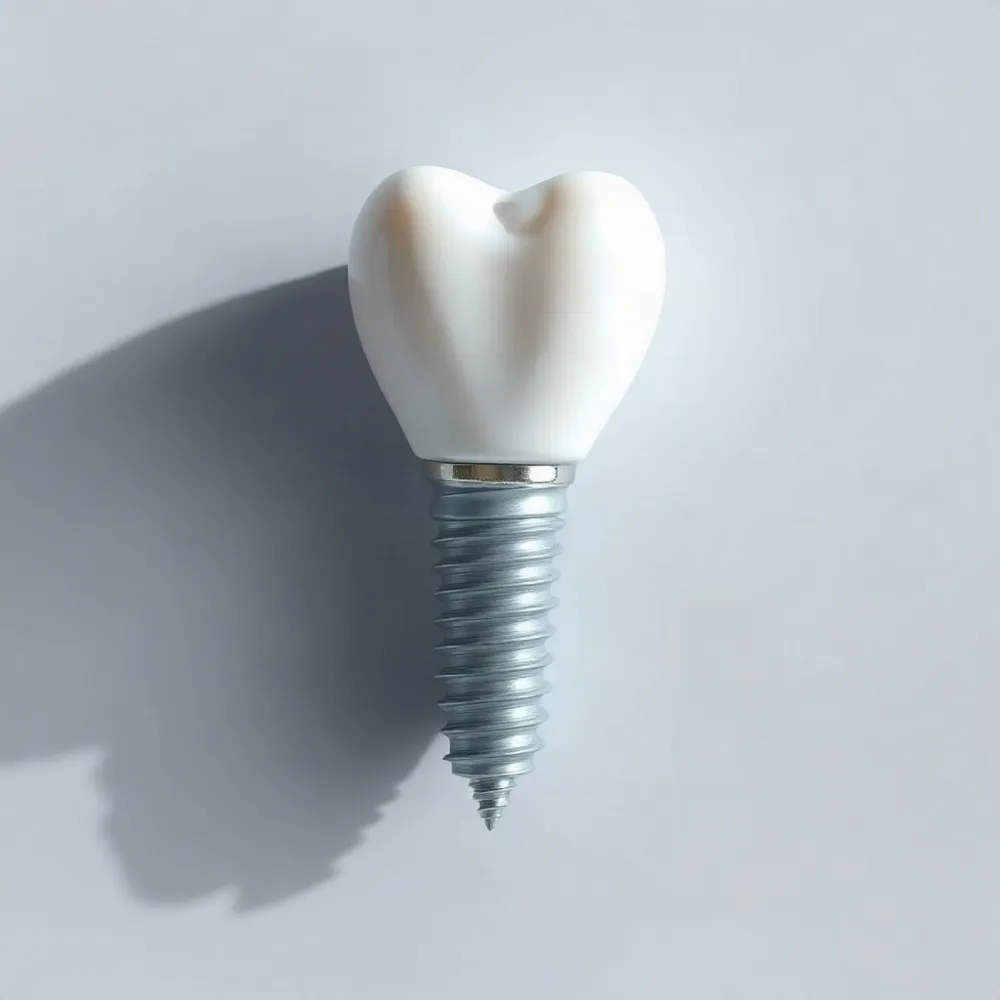
Securing Your Smile for Decades
Dental implants are widely regarded as the gold standard for replacing missing teeth. Clinical literature reports a long-term success rate of more than 95 percent, making them one of the most reliable restorative options available.
That high success rate depends on proper care at home and in the dentist's office. Patients play an active role in daily maintenance, while professionals monitor for early signs of trouble. At V Dental in Live Oak, TX, Dr. Brandon Villarreal and his team use CBCT 3D imaging and digital X-rays to plan and track each implant's health, offering a personalized approach that supports lasting results.
The Daily Hygiene Routine for Implants
 Consistent daily cleaning is the single most important factor in protecting your dental implant investment. The implant crown itself cannot decay, but the surrounding gum and bone are vulnerable to peri-implantitis if plaque accumulates. Many patients find that adjusting to an implant routine is straightforward — it simply requires the right tools and consistent habits.
Brush at least twice a day with a soft-bristled toothbrush, either manual or electric, and a low-abrasive toothpaste. Avoid whitening or high-RDA formulas that can scratch the implant surface. Some patients follow the 3/2 rule — brushing three times and flossing twice daily — for extra protection against buildup.
Flossing and Interdental Cleaning
Dental floss alone may not reach all surfaces of an implant restoration. Implant-specific floss, interdental brushes, or a water flosser (like a Waterpik) should be used daily to clean the gumline and under the prosthesis. For full-arch or All-on-4 restorations, a water flosser with a specialized tip is essential for flushing debris where a brush cannot reach.
An antibacterial, alcohol-free mouthwash can be used after brushing and flossing to reduce bacteria without irritating gum tissue. Consistent use of these tools, as part of a routine that includes visiting the dentist every six months for a professional cleaning, helps maintain implant health for decades.
Diet and Habits for Implant Health
What you eat and how you live directly affect your dental implant's survival. Hard, crunchy, sticky, and chewy foods — nuts, ice, hard candies, taffy, and gum — can crack the crown or loosen the abutment. During the first 8 weeks after surgery, a soft diet (yogurt, mashed potatoes, scrambled eggs, smoothies) protects the surgical site and supports osseointegration, the process where the implant fuses with the jawbone.
A balanced diet rich in calcium (milk, cheese, leafy greens) and vitamin C (oranges, strawberries) helps maintain gum and bone health around the implant. Staying hydrated with water instead of sugary drinks also reduces bacterial buildup.
Lifestyle Changes That Protect Your Implant
Smoking is one of the single greatest risks for implant failure. Nicotine restricts blood flow, delays healing after surgery, and can disrupt osseointegration. Many clinicians advise stopping tobacco use at least two weeks before implant placement and avoiding it entirely afterward. Heavy alcohol consumption can irritate gum tissue and slow recovery, so limiting alcohol during the healing months is advisable.
Bruxism (teeth grinding) places excessive force on implants, which do not have the same shock-absorbing ligaments as natural teeth. A custom-fitted night guard, fabricated by a dentist, distributes pressure evenly and protects the implant crown and abutment from damage.
Non-food chewing habits — biting ice, pens, pencils, or using teeth to open packages — can chip the crown or stress the implant post. Breaking these habits reduces wear and lowers the chance of restorative repairs. At V Dental, Dr. Villarreal reviews patients' diet and lifestyle patterns during follow-up visits to help tailor a long-term care plan that keeps the implant stable for years.
Professional Maintenance and Monitoring
Consistent daily care at home forms the foundation of implant longevity, but professional oversight is equally essential. A supportive peri-implant care (SPIC) program includes regular clinical and radiographic evaluations to catch early signs of trouble before they become irreversible. Most dental professionals recommend that implant patients schedule professional maintenance visits every 3 to 6 months — a more frequent interval than the standard 6-month recall for natural teeth alone.
Each professional visit typically lasts about an hour and follows a structured protocol. The clinician updates your medical and dental history, reviews your home-care technique, and performs a clinical examination that includes checking the modified plaque index and modified gingival index as described in the clinical literature. Implant stability is evaluated, and any plaque or calculus is removed with instruments designed to avoid scratching the titanium surface. The visit also includes radiographic imaging — often a periapical X-ray or a CBCT scan — to monitor bone levels around each implant.
Because dental implants lack the periodontal ligament that natural teeth have, the bone-to-implant interface is more vulnerable to inflammation from bacterial biofilm. This makes the 3-to-6-month recall schedule a safeguard: shorter intervals allow the clinician to intervene at the earliest signs of peri-implant mucositis before it progresses to peri-implantitis, which can destroy supporting bone.
At V Dental, Dr. Brandon Villarreal uses CBCT 3D imaging, digital X‑rays, and intraoral cameras to track peri-implant bone levels with precision. These tools produce reproducible data from one visit to the next, so even slight changes in bone height or density are detected immediately. V Dental builds a customized maintenance plan for each patient that adjusts the recall frequency, cleaning tools, and home-care products based on individual risk factors such as a history of periodontitis, smoking habits, or bruxism.
Immediate Post-Surgery Care
The First 24 to 72 Hours
Your implant's long-term success begins in the hours after surgery. During the first 24 to 72 hours, your body begins the critical process of osseointegration, where the jawbone starts to bond with the implant post. Rest is essential during this period. Apply ice packs to your cheeks for 20 minutes on, 20 minutes off to minimize swelling. Stick to a cool, soft diet — smoothies, applesauce, cold soups, and pudding are good choices. Avoid hot foods and drinks, as heat can aggravate the surgical site.
Plan to take it easy for at least the first few days. Do not engage in strenuous activity, including exercise, which can increase blood flow and disturb the healing site. Elevate your head with two pillows while sleeping to help reduce swelling. Pain and discomfort are normal; take any prescribed medications — including antibiotics and anti-inflammatories — exactly as directed. Research in clinical literature shows that proper adherence to post-operative instructions significantly improves healing outcomes PMC.
Oral Hygiene During the First Two Weeks
For the first 24 hours, do not rinse, spit, or brush your teeth. After that window, begin gentle oral care. Rinse with a warm saltwater solution (half a teaspoon of salt per cup of water) 4 to 5 times a day, especially after meals. You may brush your other teeth gently with a soft-bristled toothbrush, but avoid the surgical site entirely for the first few days. After approximately 48 to 72 hours, you can start brushing the area very gently with the soft brush, taking care around sutures. Do not use a Waterpik until your dentist confirms it is safe — typically around 12 weeks after surgery.
Patients with a healing abutment protruding through the gums should clean it daily using a cotton-tipped applicator or a soft toothbrush, being careful not to disturb the sutures. If your dentist prescribed a chlorhexidine mouthwash, saturate a gauze pad and place it over the surgical site for 1 minute twice daily for 7 to 10 days.
What to Avoid
- Do not use a straw for at least one week. The suction can dislodge the blood clot and impair healing.
- No smoking or vaping for at least 10 days — nicotine constricts blood flow and significantly increases the risk of implant failure.
- Avoid alcohol for at least 48 hours, as it can delay tissue repair and interfere with medications.
- Skip hard, crunchy, sticky, or spicy foods during the first several weeks to protect the surgical site.
- Do not touch the implant area with your fingers or tongue.
Many patients worry about returning to a normal diet after implant placement. Most people can resume eating normally after about three to six months, once osseointegration is complete. During the first week, stick to soft foods like yogurt and mashed potatoes. After two weeks, you can gradually introduce firmer textures, chewing on the opposite side.
Managing Pain and Swelling
Swelling typically peaks around 48 hours after surgery and then begins to subside. Apply cold compresses for the first 48 hours, then switch to warm compresses (30 minutes on, 30 minutes off) to speed healing. Over-the-counter ibuprofen or acetaminophen can manage mild to moderate discomfort. Take pain medication before the local anesthetic wears off to stay ahead of the pain. If you experience severe pain that does not improve, or signs of infection such as increasing swelling, throbbing pain, or foul-tasting drainage, contact your dental office immediately.
At V Dental, Dr. Brandon Villarreal and the team provide personalized post-operative instructions and are available to address any concerns during your recovery. The practice uses advanced technology such as CBCT 3D imaging for precise planning and monitoring, and offers flexible financing to help patients manage the cost of care. Following your surgeon's specific guidance is the most reliable way to heal faster and protect your long-term implant investment.
Recognizing and Preventing Complications
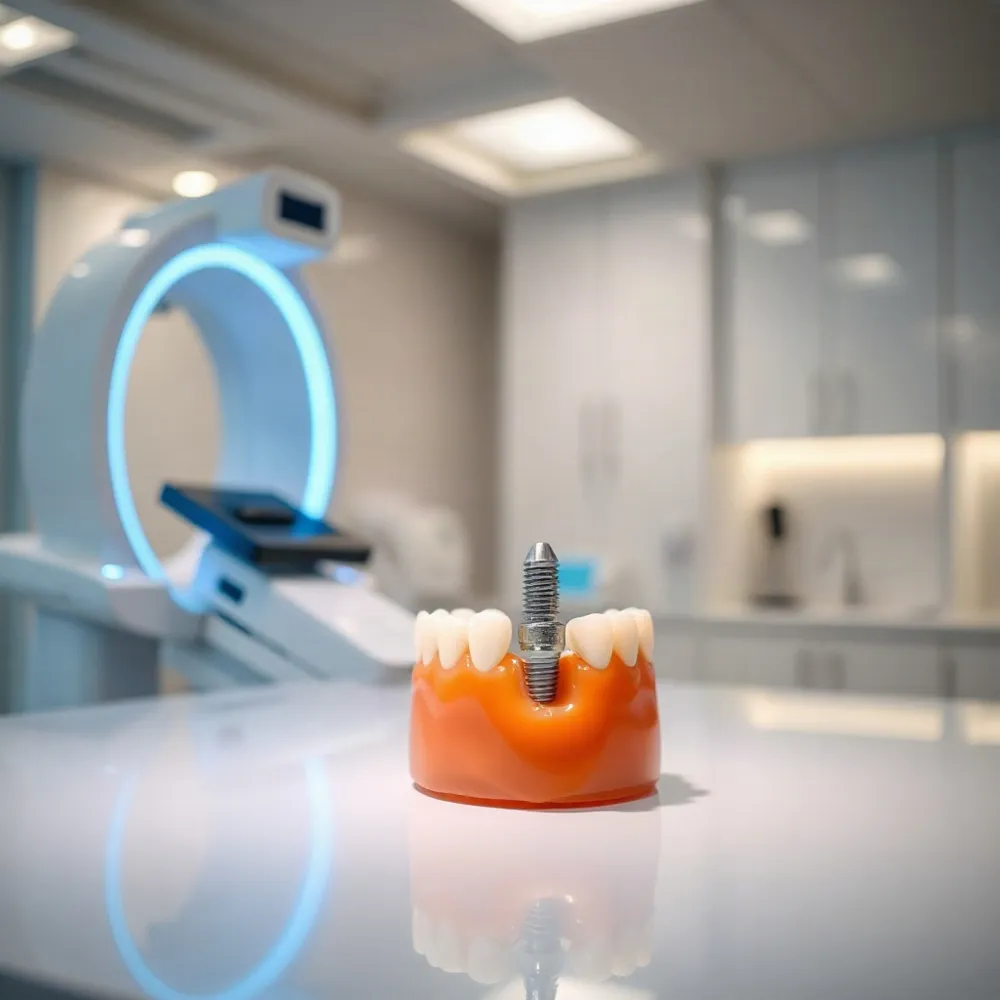 Even with a successful placement, dental implants remain vulnerable to inflammation and bone loss when plaque accumulates. Clinical research shows implants are actually more susceptible to these issues than natural teeth because of differences in their supporting structure.
Understanding Peri-Implantitis
Peri-implantitis is an inflammatory condition affecting the gums and bone surrounding an implant. If left untreated, it causes progressive bone loss and can lead to implant failure. It is the most common biologic complication and is largely preventable with consistent home care and professional monitoring.
Early Warning Signs
- Redness, swelling, or bleeding around the implant site when brushing or flossing
- Persistent tenderness or pain when biting down
- A feeling that the implant crown is loose or unstable
- Persistent bad breath or an unpleasant taste near the implant area
These symptoms may develop gradually and without significant discomfort, making regular professional examination essential. Early detection dramatically improves treatment outcomes and often allows the implant to be saved.
Risk Factors and Prevention
Poor oral hygiene. Inadequate brushing and flossing allow plaque to accumulate around the implant, triggering inflammation in the surrounding gum tissue and bone.
Smoking. Nicotine restricts blood flow, slows healing, and is consistently linked to higher rates of implant failure and peri-implantitis.
Teeth grinding. Bruxism places excessive mechanical stress on the implant and its connection, which can lead to loosening or fracture of components over time.
Insufficient bone density. Without adequate bone support, the implant may not integrate fully, increasing long-term risk. Pre-treatment 3D imaging helps identify this before surgery.
Patients who manage these risk factors can expect a success rate above 95% over five to ten years, according to clinical literature. At V Dental, Dr. Villarreal uses modern diagnostic tools to monitor implant health during each recall visit. The team evaluates gum tissue condition, checks for mobility, and takes digital X-rays to detect early bone changes before symptoms appear.
Longevity: What to Expect Over Time
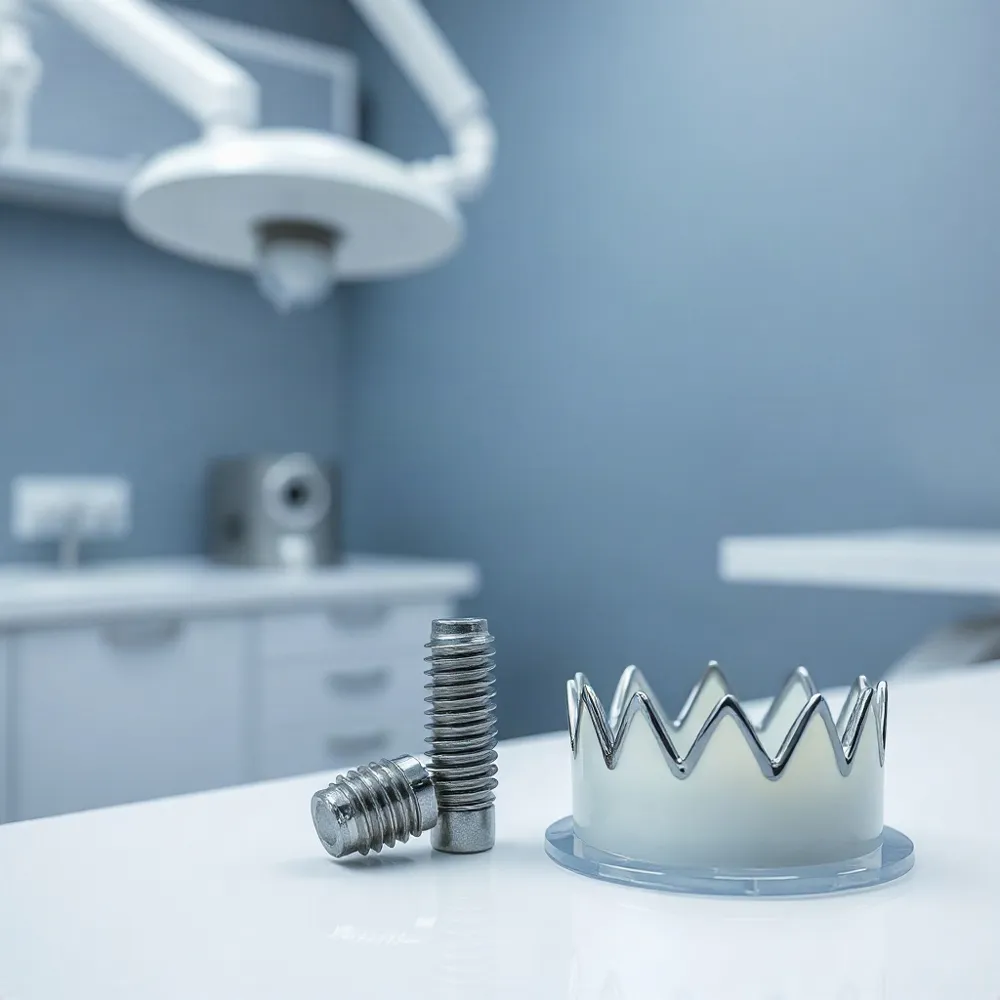 The implant post itself, typically made of titanium, is designed to last a lifetime. Its long-term survival depends on successful osseointegration — the direct structural and functional connection between living bone and the implant surface. The crown (the visible tooth portion), however, is subject to normal wear and tear from chewing forces.
Crown Replacement Timeline
Most implant crowns need replacement after 10 to 15 years of use. High-quality crowns supported by good oral hygiene and a stable bite can last up to 25 years before showing signs of wear, chipping, or discoloration.
Regular dental visits allow the dentist to assess the crown's condition and detect early signs of damage. At V Dental, personalized recall schedules and professional cleanings help maximize the lifespan of each restoration.
Biological Changes Over Time
Even with a stable implant, the surrounding bone undergoes continuous remodeling. Gradual bone loss can occur over decades, especially if plaque accumulates or if the bite forces become excessive. Gum recession around the implant may also expose the metal abutment or threads, creating a cosmetic concern and increasing infection risk.
A systematic review in the dental literature confirms that implants with proper maintenance have an excellent survival rate beyond 10 years, but peri-implantitis remains the leading cause of late failure.
Real-World Success Stories
Clinical reports document implants functioning for 20, 30, or even 40 years without complications. Many patients from the earliest implant pioneers in the 1980s still have their original posts. These success stories share common elements: meticulous home care, routine professional monitoring, and avoidance of smoking.
The Role of a Personalized Maintenance Plan
Every patient's implant situation is unique. A personalized maintenance plan, developed with a dentist or periodontist, tailors cleaning frequency, tool selection, and recall intervals to individual risk factors like bone density, oral hygiene habits, and grinding habits.
Implant post. Lifespan expectation: lifetime, provided osseointegration is achieved and bone loss is prevented.
Crown. Lifespan expectation: 10-15 years (up to 25 years with excellent care). Regular replacement is normal.
Supporting structures. Bone and gum tissue change over decades; annual radiographic exams monitor bone levels.
Special Considerations for Older Adults
A common question is whether a 70-year-old is a suitable candidate for dental implants. The answer is yes — age alone is not a barrier. Dental implants are just as effective and long-lasting for older patients, often improving their physical health and confidence. However, seniors should be evaluated for potential risks like slower healing, bone loss, or chronic conditions such as diabetes that may increase complication rates.
A thorough consultation with an experienced dentist, including 3D imaging and medical history review, helps determine candidacy and mitigate these risks. For example, V Dental in Live Oak uses advanced CBCT 3D imaging and digital X‑rays to assess bone density and plan precise implant placement for each patient. With proper planning and care, many seniors enjoy successful implant outcomes that greatly enhance their quality of life.
For older adults, implants offer benefits beyond aesthetics. They restore chewing ability, allowing patients to eat a nutrient-rich diet that supports overall health. They also improve speech and eliminate the embarrassment of loose dentures, boosting self-confidence. A study found that dental implants have a success rate of about 95% after five to ten years, underscoring that they are a reliable option for seniors who maintain good oral hygiene and regular check-ups.
Realistic expectations are important. Full healing of the implant site can take several months as the bone integrates with the titanium post. During this time, a soft food diet and careful oral hygiene are necessary. With a personalized care plan and ongoing professional monitoring, older patients can expect their implant to serve them well for many years.
Commit to Lifelong Implant Success
Long-term implant success depends on a partnership between you and your dentist. Consistent daily cleaning, professional monitoring, and healthy habits protect your investment for decades.
At V Dental, Dr. Brandon Villarreal and the team offer personalized maintenance plans and flexible financing to support your implant health over time. Schedule a check-up today and keep your smile strong.