Prioritizing Comfort During Your Dental Care
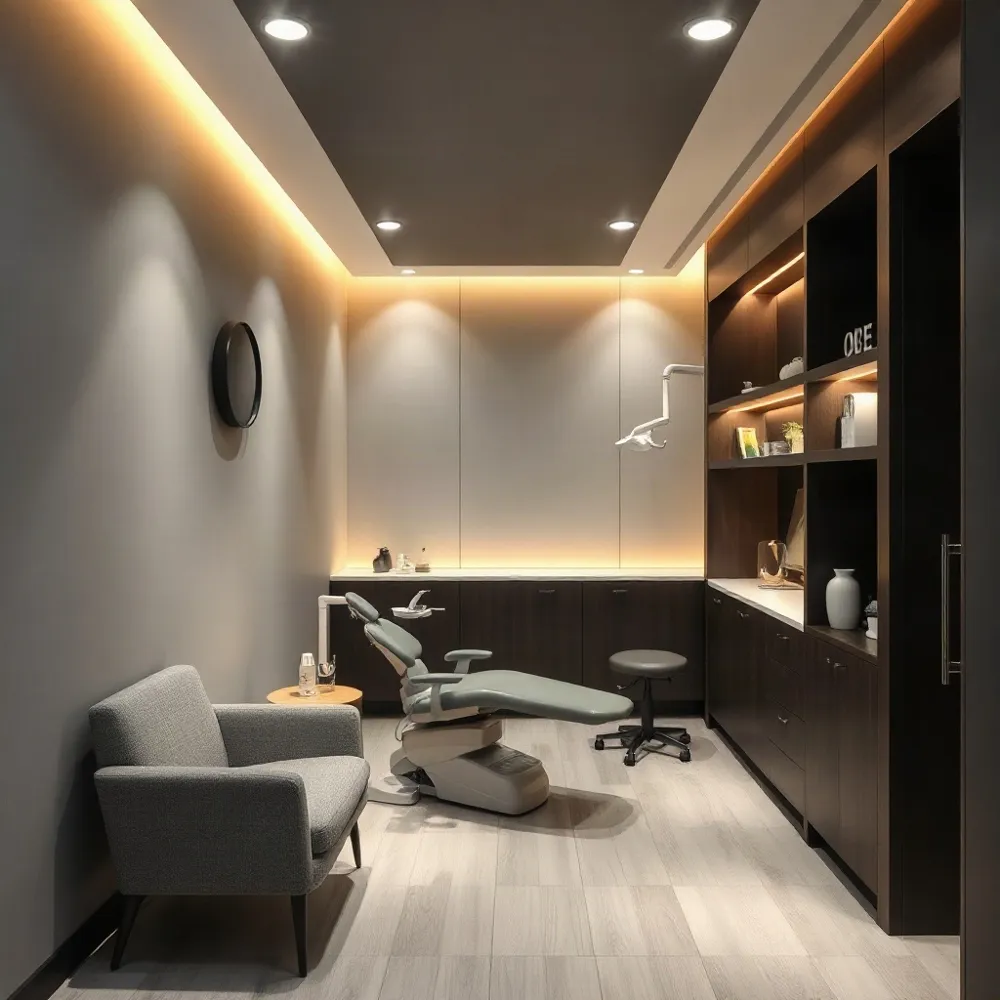
Your experience in the dental chair matters as much as the outcome of your procedure. When patients feel relaxed, dental teams can perform work more efficiently, often reducing the total time required in the chair and even decreasing the number of visits needed for complex treatments like dental implants or root canals. At V Dental, we prioritize this comfort by tailoring our approach to your specific needs, ensuring a supportive environment for patients throughout the Live Oak area.
It is important to understand that sedation dentistry serves a different purpose than local anesthesia. While local anesthesia is used to numb a specific area of your mouth to prevent pain, sedation focuses on managing stress, anxiety, or discomfort as defined by the American Dental Association. Sedation helps you remain calm and cooperative, whereas anesthesia handles the physical sensation of the procedure itself.
Many patients benefit from these combined approaches, especially those with dental anxiety, a sensitive gag reflex, or physical needs that make remaining still for extended periods difficult. By integrating modern technology like intraoral cameras and 3D imaging with personalized sedation plans, V Dental ensures that your comfort remains the central focus of every visit.
Understanding and Managing Dental Anxiety
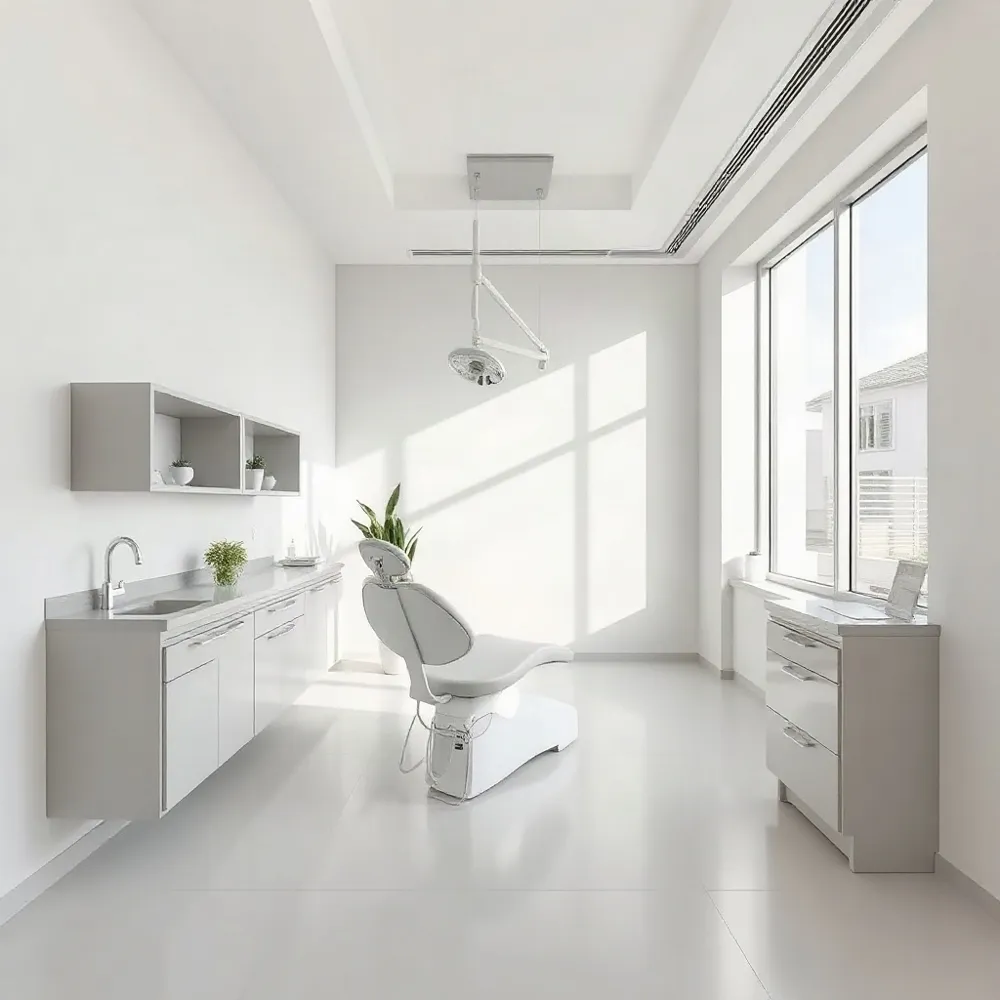 Dental anxiety is remarkably common, affecting a significant portion of the population. Research indicates that approximately 36% of individuals experience enough apprehension to delay or avoid necessary dental care 4 Types of Sedation Dentistry and When They Are Used. This fear often stems from a combination of biological fight-or-flight responses, past negative experiences, and a natural discomfort with the loss of control in a clinical setting What Is Sedation Dentistry?.
This cycle of avoidance frequently leads to deteriorating oral health, eventually requiring more extensive or emergency interventions. At V Dental, we recognize that patient comfort is a prerequisite for high-quality care. By prioritizing a supportive environment and discussing concerns openly before treatment starts, patients can navigate these barriers effectively.
Why is dental anxiety so common and how can it be managed?
Management strategies range from simple behavioral techniques to advanced clinical support. Many patients find that distraction techniques, such as listening to music or utilizing focus-based relaxation during the procedure, help manage mild jitters What Is Sedation Dentistry?. For those with more significant fears, modern sedation methods like What Is Sedation Dentistry? nitrous oxide provide an immediate way to induce a calm state while remaining responsive Current methods of sedation in dental patients - PMC - NIH.
Our team at V Dental integrates these options into personalized treatment plans. Whether you require simple What Is Sedation Dentistry? nitrous oxide or more comprehensive What Is Sedation Dentistry? oral conscious sedation, we focus on ensuring your visit remains efficient and anxiety-free. By tailoring the approach to your specific health history and comfort needs, we help you maintain your oral health with confidence.
The Four Levels of Sedation Explained
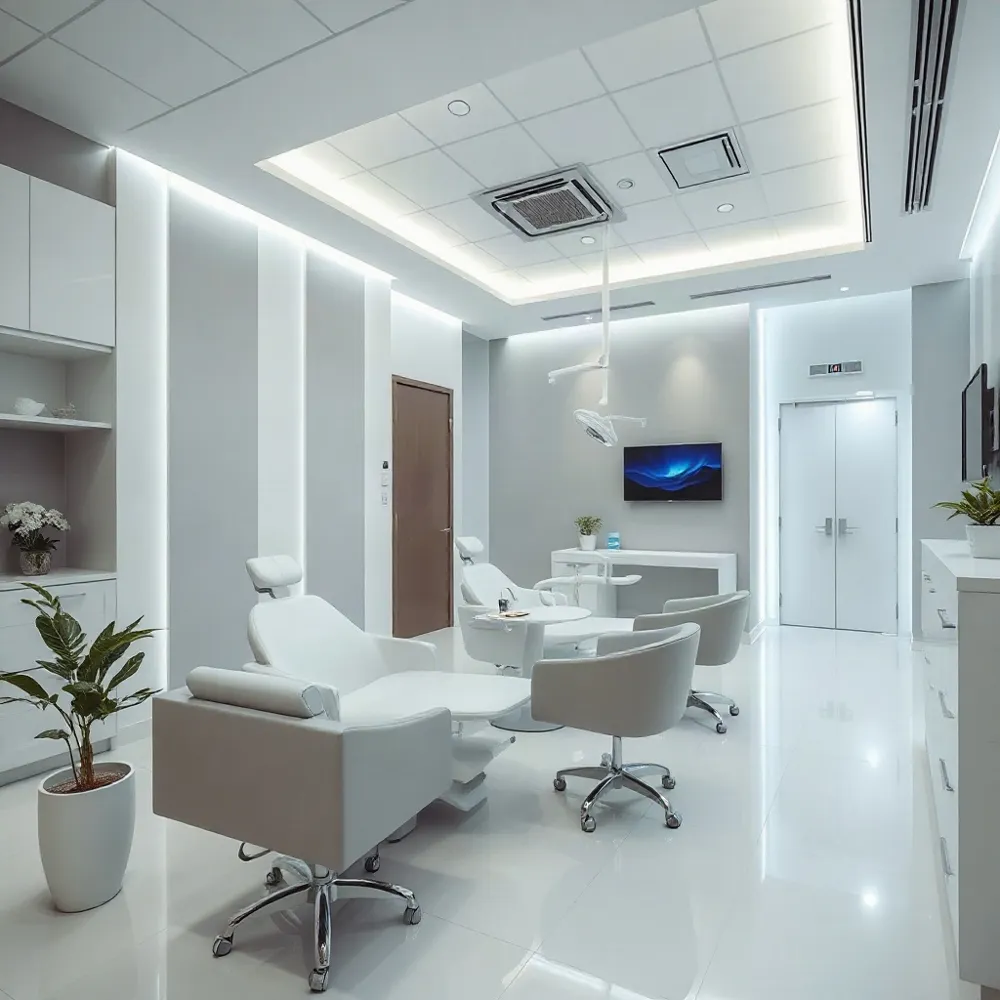 The American Dental Association classifies dental sedation into four distinct levels, each providing a different depth of relaxation to match the complexity of your procedure and your comfort needs. By understanding these tiers, you can better coordinate with your care provider to select the approach that ensures your visit to our Live Oak office is as stress-free as possible.
What are the four levels of sedation used in dentistry?
The four levels of sedation dentistry are categorized by the depth of relaxation: mild (minimal) sedation, moderate sedation, deep sedation, and general anesthesia. Mild sedation, often provided via nitrous oxide or laughing gas, keeps you awake and alert while easing anxiety. Moderate sedation is typically administered orally to provide deeper relaxation, though you will remain conscious. Deep sedation, often delivered intravenously, produces a twilight sleep where you remain awake but are in an amnesic state with reduced pain sensitivity. Finally, general anesthesia is the strongest option, rendering you fully unconscious throughout the duration of your dental procedure.
At V Dental, we prioritize your safety by assessing your medical history and specific health needs before recommending any sedation method. While competitors may offer one-size-fits-all approaches, we use precise diagnostics to determine if minimal, moderate, or deeper forms of sedation best align with your treatment plan. Maintaining airway integrity and hemodynamic stability is a cornerstone of our practice, ensuring that whether you choose the rapid recovery of inhaled gas or the profound relaxation of IV administration, your experience remains controlled and secure.
| Sedation Level | Consciousness | Typical Use |
|---|---|---|
| Minimal | Awake | Anxiety reduction |
| Moderate | Conscious | Deeper relaxation |
| Deep | Twilight | Complex surgery |
| General | Unconscious | Extensive cases |
Selecting the Right Method for Your Procedure
Determining the best type of sedation involves a personalized consultation where we evaluate your specific anxiety levels, the complexity of your procedure, and your overall medical history. At V Dental, Dr. Villarreal prioritizes your safety by reviewing your complete health profile and current medications before recommending any approach. This collaborative process ensures that the selected method matches both your comfort requirements and the clinical demands of your treatment.
For mild anxiety or routine treatments, nitrous oxide is often ideal because it helps you stay relaxed while allowing you to drive home afterward. Sedation dentistry is distinct from local anesthesia, as it specifically manages stress rather than just numbing the treatment site. If you struggle with moderate anxiety or are undergoing longer procedures, oral sedation can provide deeper relaxation throughout your visit. For those with severe dental phobia, sensitive gag reflexes, or extensive treatment needs, IV sedation offers a more profound, semi-conscious state of comfort.
As noted in PMC research, the primary goal of selecting a sedation method is to ensure successful treatment with minimal complications. Each patient presents unique needs, and selecting the right depth of sedation helps the clinical team perform procedures more efficiently. Whether you need a simple clearing of anxiety or a deeply relaxed state for complex work, our team uses modern diagnostics like iTero 3D scanning to plan your care precisely. Ultimately, we recommend the safest and most effective option tailored to your unique goals.
Safety Protocols and Monitoring Standards
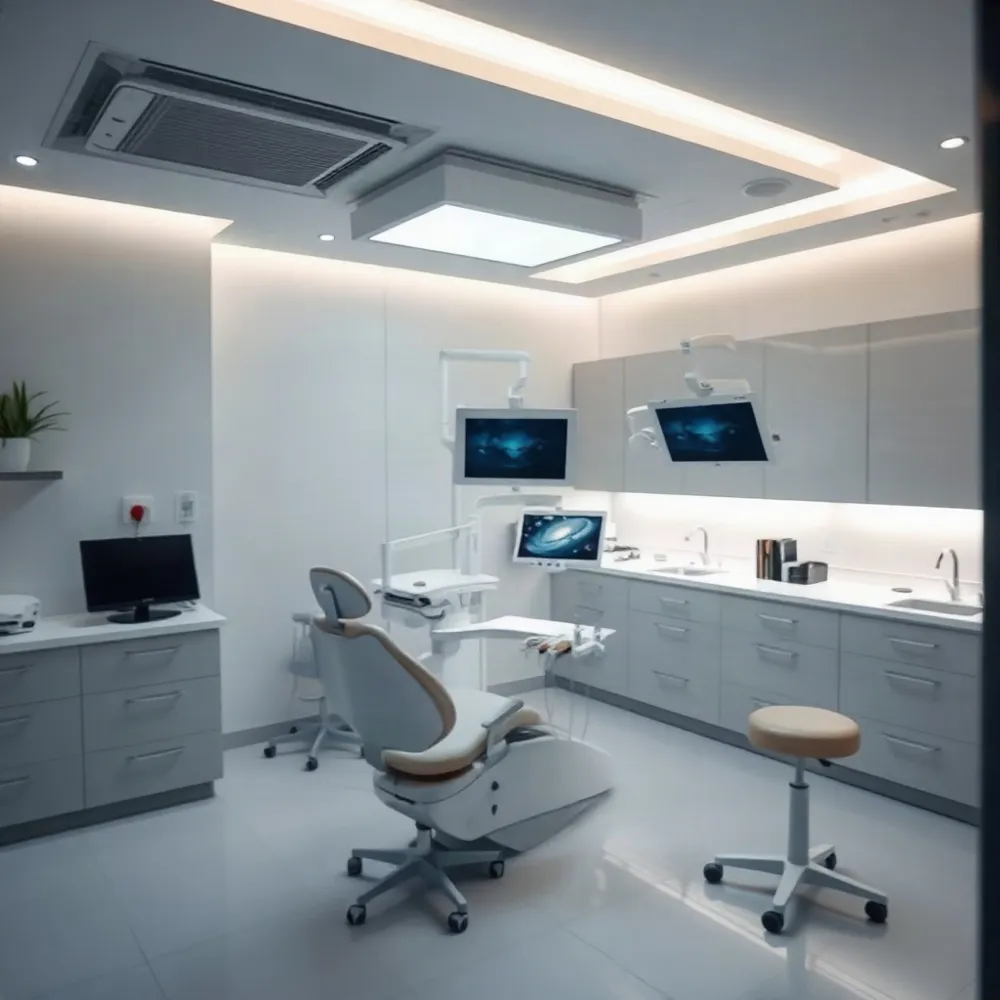 Sedation dentistry is considered a safe and effective option when administered by trained dental professionals who prioritize patient well-being. At V Dental, we emphasize that safety begins long before the chair is adjusted. Every patient undergoes a comprehensive medical history review, which is critical for identifying potential risks and selecting the appropriate sedative to match individual health profiles. This process requires full disclosure of all current medications, existing health conditions, and potential allergies, as these factors directly influence how your body responds to various agents.
Once a procedure is underway, our team maintains continuous surveillance of your physical status. According to research published in PubMed, maintaining airway integrity and monitoring cardiovascular hemodynamics are fundamental to clinical safety. We track vital signs, including blood pressure, heart rate, and oxygen levels, throughout the entire duration of the appointment to detect any subtle changes immediately. This standard of care is essential for ensuring that patients remain stable and responsive during treatment.
Beyond routine monitoring, safety is reinforced by the specialized training of the entire dental team. Our staff is prepared to manage the spectrum of clinical scenarios, as highlighted by PMC data, which emphasizes the necessity of emergency readiness in clinics offering conscious sedation. This preparation includes the ability to respond to potential respiratory complications or central nervous system responses. By combining personalized assessments with vigilant clinical supervision, we provide a controlled environment where patients can undergo necessary procedures with significantly reduced anxiety.
Living Through the IV Sedation Experience
For patients seeking a deeper level of relaxation during complex treatments, IV sedation offers a precise and effective solution. This method involves the administration of medication directly into the bloodstream, allowing the dental team to adjust your levels of comfort in real-time as noted by the Cleveland Clinic. This technique reliably induces a state often described as twilight sleep. While you remain conscious and responsive to verbal cues, you are deeply relaxed and frequently retain little or no memory of the procedure itself.
What should I expect during and after IV sedation for dental procedures?
Your safety remains the primary focus throughout the entire duration of your care. Our team at V Dental continuously tracks vital signs, including heart rate, blood pressure, and oxygen levels, to ensure stability during the entire appointment. According to research published in PubMed, maintaining airway integrity and monitoring cardiovascular hemodynamics are essential components of safe, deep sedation practices.
The recovery phase begins immediately following your treatment, but the medication effects take time to fully clear your system. Because of this, you are required to have a responsible adult available to drive you home safely. For at least 24 hours post-procedure, you must avoid operating heavy machinery or making significant legal and financial decisions. We recommend clearing your schedule for the remainder of the day to focus on rest and hydration, which helps your body return to its normal state as the sedative wears off.
Medication Profiles and Financial Planning
What are the most common medications used for oral and IV sedation in dentistry?
The choice of pharmacological agent depends on the required depth of relaxation. For oral sedation, dentists frequently prescribe benzodiazepines such as diazepam, triazolam, or lorazepam, which help patients feel deeply relaxed while remaining conscious. When performing IV sedation, practitioners often utilize midazolam due to its reliability, or potent alternatives like propofol and ketamine, which allow for real-time adjustment of sedation levels. Another effective agent is dexmedetomidine, which providers may select to improve patient cooperation during lengthy or complex orofacial surgical interventions.
What are the common factors that influence the cost of dental sedation and is it covered by insurance?
The financial commitment for sedation varies based on the method chosen, the procedure's duration, and the extent of monitoring required. Milder options like nitrous oxide are typically the most affordable, whereas IV methods are priced higher because they involve advanced equipment and specialized staffing. Insurance providers do not always cover these services, as coverage often hinges on whether the sedation is classified as medically necessary rather than elective. Plans are more likely to approve benefits for complex surgeries, such as wisdom tooth extractions or extensive dental implants, especially if a patient presents with a documented medical condition or severe phobia. At the V Dental office in Live Oak, our team helps patients understand their specific coverage and provides flexible financing options to ensure quality care remains accessible.
Taking the Next Step to a Calmer Smile
Selecting the right level of comfort transforms dental care from a source of stress into a manageable, routine experience. By prioritizing relaxation, you allow our team to perform complex treatments with greater precision and efficiency. Whether you need simple nitrous oxide to ease minor nerves or deeper sedation for extensive restorative work, a personalized approach ensures your health and safety remain the focus.
At V Dental, we understand that every patient brings a unique history and set of concerns to the chair. We invite you to schedule a consultation where we can discuss your specific goals and build a treatment plan tailored to your peace of mind. Taking this step helps you reclaim your oral health in an environment built around your comfort. Contact us at www.vdentaltx.com to begin your journey toward a calmer, more confident smile.