
Navigating Your Dental Coverage
Dental insurance can feel like a maze of percentages, deductibles, and exclusions. For the average person, a policy's fine print often seems written to hide rather than clarify what is actually covered. Yet understanding these details is directly linked to better oral and overall health, since regular dental care helps detect problems early and reduces the risk of conditions such as heart disease and diabetes.
This article cuts through the complexity. It explains the main types of dental plans, the categories of care they cover, and the key terms that determine your out-of-pocket costs. With this knowledge, you can compare options with confidence, choose coverage that fits your needs, and use your benefits more effectively.
At V Dental in Live Oak, Texas, Dr. Brandon Villarreal and his team help patients navigate their insurance benefits during every visit. Whether you need a routine cleaning or a major restoration, they verify coverage details upfront so there are no surprises at checkout. The practice's commitment to personalized treatment plans extends to financial clarity, making it easier for patients to focus on their oral health rather than policy paperwork.
The Basics of Dental Insurance
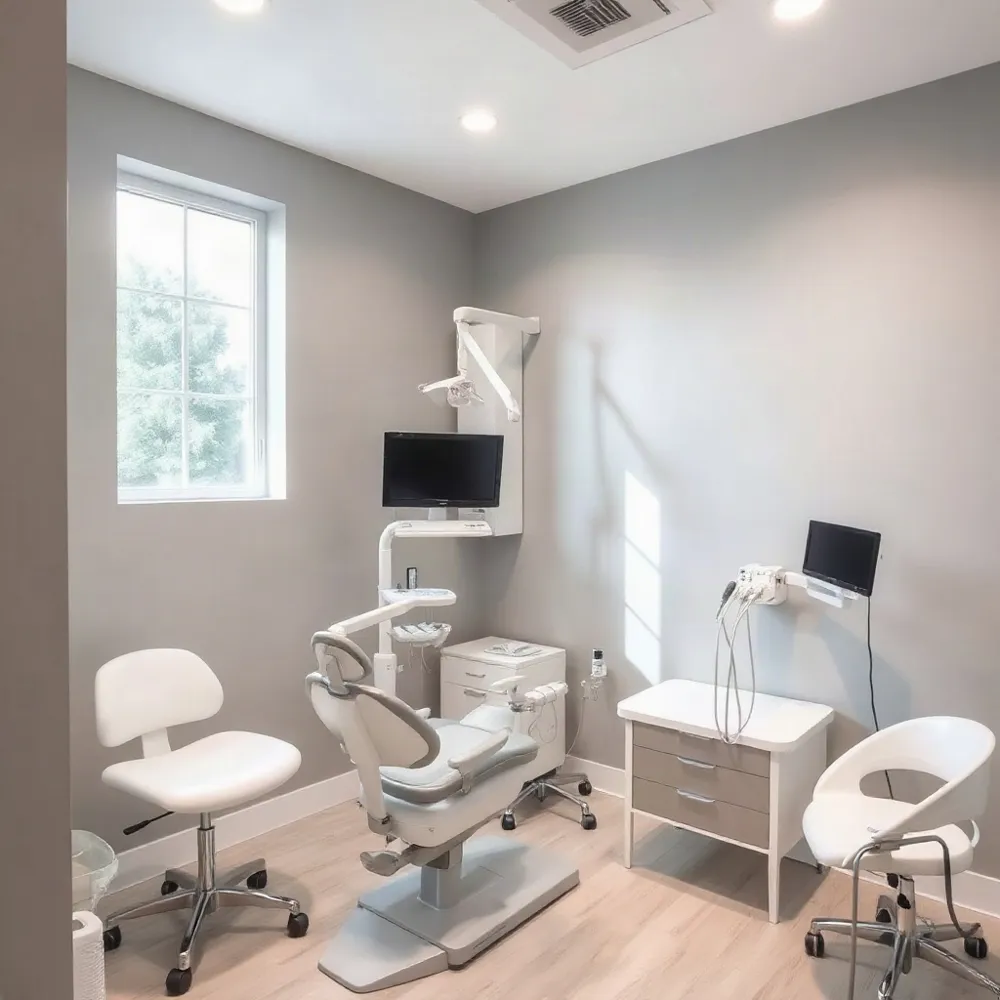 Dental insurance is a type of health coverage designed to reduce the out-of-pocket costs of oral care. You pay a monthly premium, and in return, the plan covers a portion of the cost for various services. Most plans organize coverage into three categories: preventive care (exams, cleanings, X-rays, often covered at 100%), basic care (fillings, extractions, root canals, typically covered at 70–80%), and major care (crowns, bridges, dentures, usually covered at 50%).
You share costs with your insurer through several mechanisms. A deductible is the amount you pay out-of-pocket before the plan starts paying. After you meet the deductible, coinsurance splits the remaining cost (for example, the plan pays 80% and you pay 20%). A copay is a fixed fee you might owe per visit, and the annual maximum is the most the insurer will pay in a plan year. These terms vary by plan and by whether you see an in-network or out-of-network provider; sticking with in-network dentists almost always lowers your share.
Main Types of Dental Plans
 Dental insurance comes in several forms, each with a different balance of cost, choice, and coverage. Understanding these types is key to selecting a plan that matches your needs. As of year-end 2024, about 290 million Americans (87% of the population) have some form of dental benefit, while roughly 13% have no coverage at all. The type of plan you choose directly affects which dentists you can see and how much you pay.
PPO. Dental Preferred Provider Organization plans are the most common type, representing 89% of commercial enrollment. PPOs offer a network of dentists who have agreed to reduced fees. You are free to see any dentist, but you save the most by staying in-network. After meeting a deductible (often $50 to $100), you pay coinsurance — typically 80% for basic procedures and 50% for major work. PPOs usually have an annual maximum benefit, often $1,500 or more.
HMO. Dental Health Maintenance Organization plans, also called DHMOs, offer lower premiums (averaging $15 to $18 per month for individual coverage) and fixed copays. You must choose a primary dentist from a specific network and get referrals for specialists. HMOs often have no annual deductible and no annual maximum benefit, making out-of-pocket costs predictable. The trade-off is a smaller provider network compared to PPOs.
Indemnity. Dental Indemnity plans are fee-for-service plans with no discounted provider contracts. You can see any licensed dentist, pay the full fee at the time of service, and then submit a claim for reimbursement. These plans often come with higher premiums and deductibles and risk is transferred from the insurer to you. They are the least common commercial dental product.
Discount. Discount Dental Plans (or savings plans) are not insurance. You pay an annual or monthly fee (often $10 to $12 per month) to access a network of dentists who offer set discounted rates. You pay the discounted fee directly to the dentist at the time of treatment, with no deductibles, coinsurance, or claim forms. Savings can be about 40% on many services, but the total cost of care is still your responsibility.
When comparing plans, network size is a critical factor. A PPO's large network offers freedom but typically comes with higher premiums and deductibles. An HMO's smaller network keeps costs low but limits your options. Discount plans offer immediate savings with no waiting periods but require you to pay for all care out-of-pocket. At V Dental in Live Oak, the team works with a wide range of plans to help patients understand their benefits before treatment begins.
| Plan Type | Network Rules | Key Costs | Best For |
|---|---|---|---|
| PPO | In-network savings; out-of-network allowed | Premium ~$30/mo; deductible $50–$100; coinsurance 20–50%; annual max ~$1,500+ | Flexibility and choice |
| HMO (DHMO) | Must use network dentists | Premium ~$16–$18/mo; fixed copays; no deductible or annual max | Lowest predictable costs |
| Indemnity | Any dentist; no network | High premium and deductible; claims-based reimbursement | Full freedom of provider |
| Discount | Participating network only | Monthly fee $10–$12; pay discounted fee directly; no claims | Savings without insurance |
What Your Plan Typically Covers
Most dental PPO plans use a 100/80/50 coinsurance model, where the plan pays a decreasing percentage for three tiers of care. This structure is standard across major carriers and directly affects your out-of-pocket costs.
Preventive care (100% covered)
Preventive services are often covered at 100%, meaning you pay nothing at the time of service. This typically includes routine oral exams, professional cleanings, and bitewing X-rays every six months. For children, many plans also cover sealants and fluoride treatments, as noted by the National Association of Dental Plans.
Basic care (~80% covered)
Basic restorative care includes fillings, simple extractions, and sometimes root canals. After you meet the annual deductible, the plan typically pays about 80% of the negotiated fee, and you pay the remaining 20% as coinsurance.
Major care (~50% covered)
Major procedures such as crowns, bridges, dentures, implants, and complex extractions fall into the lowest coverage tier, usually 50% in-network. These procedures often have waiting periods of four to twelve months before coverage begins.
Beyond the three-tier model
Other categories of care may be handled differently. Orthodontic treatment (braces, retainers, aligners) is frequently excluded from base plans and requires a separate rider, often with age limits. Periodontics (gum disease treatment), endodontics (root canals), prosthodontics (dentures, bridges), and oral surgery are generally included under the basic or major tiers, but coverage percentages vary by plan.
| Coverage Tier | Typical Services | Plan Pays |
|---|---|---|
| Preventive | Exams, cleanings, X-rays, sealants | 100% (no deductible) |
| Basic | Fillings, simple extractions, root canals | ~80% (after deductible) |
| Major | Crowns, bridges, dentures, implants | ~50% (after deductible, waiting period may apply) |
| Orthodontic | Braces, retainers, aligners | Often a separate rider or add-on |
What Dental Insurance Excludes
Understanding what your plan does not cover is just as important as knowing what it does. While most dental policies pay the full cost of preventive care and share the cost of basic and major procedures, every plan comes with a set of exclusions and limitations that can leave you paying the full price for certain treatments.
Cosmetic procedures. Treatments chosen primarily for appearance, such as teeth whitening and veneers for aesthetics, are almost never covered by standard dental insurance. You will pay the full cost out of pocket.
Pre-existing conditions. Issues that existed before your policy started, such as a missing tooth or an untreated cavity, may be ruled ineligible for coverage. Many plans include waiting periods of up to six months before non-preventive care is covered.
Orthodontic coverage limits. Braces and aligners are often covered only for children under 18 or require a separate rider. Adult orthodontic coverage is less common and may carry a separate lifetime maximum that resets differently from your main annual benefit.
Major services caps. Even when crowns, bridges, dentures, or dental implants are technically covered, many plans set coverage as low as 50% and impose a low annual maximum. Because less than 5% of enrollees reach the maximum on average, high-cost procedures can still leave you with a large bill.
Crucially, any amount you pay for non-covered services does not count toward your deductible or annual maximum. That means the more exclusions your plan has, the more you may end up covering completely on your own. At V Dental, our team reviews your specific insurance benefits before treatment begins, so you know exactly what is and is not covered before any work is done.
DMO vs. PPO: Which Is Better?
 The choice between a Dental Health Maintenance Organization (DHMO or DMO) and a Dental Preferred Provider Organization (DPPO or PPO) comes down to how you want to balance cost, choice, and complexity. No single plan is universally better; the right option depends on your personal priorities, budget, and whether you already have a dentist you want to keep.
Flexibility. A PPO plan lets you visit any licensed dentist without a referral. You pay less when you stay in-network, but you can go out-of-network at a higher cost. A DMO plan requires you to choose a primary dentist from a specific network. You need that dentist's referral to see a specialist. For people who value freedom of choice, a PPO is the clear winner.
Cost. DMO plans feature lower monthly premiums and fixed copayments for each service. They often have no deductible and rarely have an annual maximum. PPO plans have higher premiums but offer more coverage flexibility. According to the NADP, the national average monthly premium for an individual DMO plan is about $15, compared to $42 for an individual PPO plan. This makes DMOs a strong option for budget-focused individuals.
Annual Maximums. One of the biggest differences is how the plans cap your expenses. DMO plans almost never have an annual maximum, meaning the plan will cover care up to the limits of your copay schedule all year. In contrast, about 65% of dental PPOs have an annual maximum of $1,500 or more. Once you reach that limit, you pay 100% of costs for the rest of the year. For those anticipating major work, a DMO's lack of a cap offers significant financial protection.
Guidance. A PPO is generally better for families who want the widest choice of providers, have an existing dentist they want to keep, or need the ability to see a specialist without a referral. A DMO works well for people who prioritize lower, predictable costs and are comfortable choosing a primary dentist from a network. If you value structured care and may need extensive or expensive procedures, a DMO's fixed copays and no annual maximum provide financial clarity. For those at V Dental in Live Oak, Texas, Dr. Villarreal and his team accept a range of plans and can help you understand exactly what your benefits cover before treatment begins.
Understanding Key Costs
Dental insurance costs are built around five main components: the monthly premium, the deductible, coinsurance, copays, and the annual maximum. Understanding each helps you evaluate whether a plan delivers real value or simply shifts costs your way.
Premium. The monthly fee you pay to keep coverage active. Individual premiums average $15 to $50 per month depending on plan type and geographic area, according to the National Association of Dental Plans. Employer-sponsored plans are often lower.
Deductible. The amount you must pay out‑of‑pocket before the insurance company begins sharing costs. For dental PPOs, deductibles typically run between $50 and $100 per year. Preventive care is usually exempt from the deductible.
Coinsurance. The percentage split you and the plan share after the deductible is met. The common model is 80/20 — the plan pays 80%, you pay 20%. Major procedures may shift to 50/50.
Copay. A fixed fee paid at each visit, more common in DHMO plans than in PPOs. Copays replace percentage‑based coinsurance and are often modest amounts for specific services.
Annual maximum. The total dollar amount the plan will pay in a benefit year. Individual plan limits range from $1,000 to $3,000+. Less than 5% of enrollees reach their annual maximum on average, according to NADP data. Once the cap is met, you pay 100% of additional costs.
Plans also apply "usual, customary, and reasonable" (UCR) fee schedules. UCR is a hidden benchmark that determines how much the insurer considers a fair price for a procedure. If your dentist's fee exceeds the UCR amount, the insurance pays based on the lower UCR figure, and you are left covering the difference. This gap is a common reason patients feel the plan offers less coverage than expected.
At V Dental in Live Oak, Texas, Dr. Villarreal's team reviews each patient's plan details side‑by‑side before treatment begins. Knowing your deductible, coinsurance tier, and annual maximum in advance prevents surprise bills and helps you schedule procedures to make the best use of your coverage window.
Dental Insurance vs. Discount Plans
When choosing how to pay for dental care, the main options are dental insurance and dental discount plans. They function in fundamentally different ways.
How Dental Insurance Works
With dental insurance, you pay a monthly premium, and the insurer shares the cost of covered services through coinsurance and copays after you meet your deductible. It offers financial protection for both routine care and unexpected major procedures like crowns or root canals. However, insurance comes with annual maximums and often has waiting periods before coverage begins for non-preventive care.
How Discount Plans Work
A discount plan is not insurance. You pay a low annual fee for access to a network of dentists who agree to charge reduced rates. You then pay the full discounted fee directly at each visit. The NADP reports that discount plans often cost $10 to $12 per month and offer savings of about 40% on services.
Typical Monthly Costs
The NADP estimates average monthly premiums at $15.14 for an individual DHMO plan and $41.76 for an individual DPPO plan. In contrast, discount plans typically range from $10 to $12 per month.
Which Should You Choose?
For a patient who needs predictable cost sharing, especially for major restoration, dental insurance provides more financial protection. A discount plan may suit someone who only wants routine exams and cleanings with no deductible or waiting period. At V Dental in Live Oak, Texas, the team reviews both options with patients. For those with a dental PPO who need major services, the insurance can cover a significant portion of the cost. For patients on a discount plan, V Dental will apply the plan's reduced fee schedule to keep care affordable.
Getting Coverage and Paying for Care
You can obtain dental insurance through several channels. The most common is employer-sponsored coverage, typically offered during annual open enrollment. If you do not have access to a group plan, you can buy an individual policy directly from an insurance company or through the Health Insurance Marketplace.
Public programs also offer coverage. Medicaid provides comprehensive dental care for children through the Early and Periodic Screening, Diagnostic, and Treatment (EPSDT) benefit, which is a federal requirement. Adult dental services under Medicaid are optional, and coverage varies by state. Traditional Medicare (Part B) does not cover routine dental care, but roughly one-third of seniors choose Medicare Advantage plans, many of which include dental benefits.
Do You Pay Upfront?
Whether you pay at the time of service depends on your plan's cost structure. In a traditional PPO, you pay a monthly premium and may owe the full cost of non-preventive care until you meet an annual deductible. Once the deductible is satisfied, you share costs through coinsurance, often at a 100/80/50 split. In a Dental HMO, you pay a fixed copay per visit with no deductible, making costs predictable. At V Dental, our team verifies your specific coverage before treatment and provides a clear estimate of any out-of-pocket costs, so you know what to expect.
Maximizing Your Benefits
The first step to getting the most from any dental plan is to use all available preventive care. Most plans cover cleanings, exams, and routine X-rays at 100%, and these services are not subject to the deductible. Skipping a twice-yearly cleaning means leaving money on the table.
Timing more expensive procedures can also save hundreds of dollars. If you have already met your annual deductible but have not yet reached the annual maximum, scheduling major work like a crown or root canal before the plan year ends lets the plan pay its share at the highest level. The NADP reports about 65% of dental PPOs have an annual maximum of $1,500 or more, yet less than 5% of enrollees reach it.
Before choosing a plan, verify whether your current dentist is in-network. In-network providers accept the plan's negotiated fees, which can significantly lower out-of-pocket costs. Tools like the Delta Dental Cost Estimator and FAIR Health Consumer's cost estimator can give you a realistic picture of what a procedure will cost before you schedule it.
For patients paying out-of-pocket, a flexible spending account (FSA) or health savings account (HSA) can make dental care more affordable. These accounts let you set aside pre-tax dollars for qualified medical and dental expenses. If your employer offers one, contributing to an FSA or HSA effectively gives you a discount equal to your tax bracket on every cleaning, filling, and crown.
Is Dental Insurance Worth It?
For most people, the value of dental insurance comes down to a simple trade-off: a predictable monthly premium versus the risk of high, unexpected dental costs. Without coverage, you pay the full retail price for every procedure. With insurance, you get access to negotiated in-network rates that can cut costs significantly.
Most plans cover preventive care like exams and cleanings at $0 out-of-pocket after the premium. That alone encourages regular checkups, which can catch small problems before they turn into expensive emergencies. The link between oral health and overall health is well documented. According to the NADP, individuals without dental benefits are 67% more likely to have heart disease, 50% more likely to have osteoporosis, and 29% more likely to have diabetes. Nearly 2 million emergency room visits occur each year in the U.S. for tooth disorders, many of which might have been preventable with routine care.
For someone needing a root canal or a crown, the savings from a single major procedure can exceed the entire year's premium. When you consider the financial protection, the encouragement of preventive care, and the connection to broader health, dental insurance often pays for itself many times over.
Owning Your Oral Health Coverage
Understanding your policy's actual terms, not just the sales pitch, is the first step to getting real value from your dental benefits. The NADP emphasizes that knowing coverage tiers, waiting periods, and annual maximums makes a plan a useful tool rather than a source of surprise bills.
Review your plan documents, ask your insurer directly about any gray areas, and involve your dentist's office in the process. In Live Oak, the team at V Dental specializes in breaking down benefits, helping you understand what your specific plan covers so you can make informed decisions about timing and treatment.
With that knowledge, dental insurance becomes a practical resource for maintaining a healthy, confident smile rather than a confusing expense.