Embracing the Digital Frontier in Modern Dentistry
Modern dental care has shifted from manual, traditional methods to a data-driven digital landscape. By integrating advanced tools, practices can now achieve a level of precision and patient comfort that was previously unattainable. This transition centers on the capture and analysis of high-resolution digital data, which transforms how oral health conditions are identified and treated.
At V Dental, Dr. Brandon Villarreal prioritizes this digital integration to serve the Live Oak community. The practice employs CBCT 3D imaging for comprehensive diagnostic insights and uses iTero 3D scanning to replace uncomfortable traditional impressions. Unlike clinics that still rely on physical molds, V Dental utilizes these digital workflows to create precise, customized treatment plans for every patient.
This commitment to technology directly enhances the patient experience. From using digital X-rays that reduce radiation exposure to intraoral cameras that provide real-time transparency, the goal is to make every visit efficient and comfortable. By combining these modern technologies with a focus on personalized care, the practice ensures that residents of Live Oak and surrounding areas receive high-quality, predictable outcomes.
Understanding Digital Dentistry and Its Core Advantages
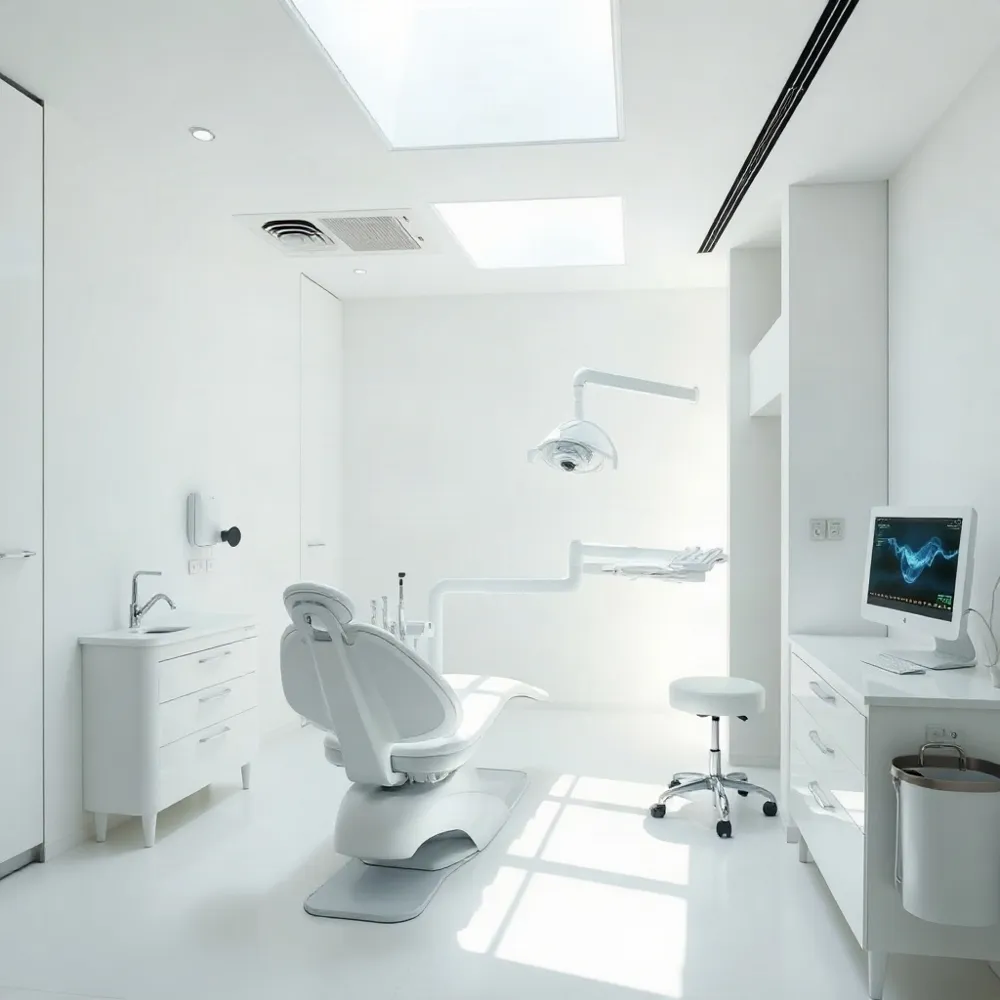 Digital dentistry refers to the use of advanced computer-based technologies to perform dental procedures more efficiently and accurately than traditional mechanical methods. By integrating sophisticated tools such as 3D imaging, intraoral scanners, and digital X-rays, practices can transform patient care into a data-driven process. At V Dental in Live Oak, Texas, this approach means combining modern technology with expert clinical judgment to provide personalized, precise treatment plans.
Precision Through Digital Integration
The primary benefit of digital integration is enhanced precision in diagnostics and treatment planning. Tools like CBCT 3D imaging allow practitioners to visualize deep anatomical structures that standard X-rays often miss. While some offices still rely on older, manual techniques, V Dental leverages this technology to ensure that procedures like dental implant placement are grounded in high-resolution, anatomical data rather than estimations.
This accuracy extends to restorative work as well. By using iTero 3D scanning for digital impressions, the clinic removes the need for physical molding putty, which many patients find uncomfortable. This move from analog to digital workflows reduces human error, ensuring that crowns, veneers, and aligners fit with optimal accuracy.
Streamlining the Patient Journey
Digital dentistry fundamentally changes the patient experience by shortening wait times and increasing transparency. Because data is captured, analyzed, and stored in a unified digital system, clinicians can simulate treatment outcomes and explain complex procedures using clear, visual aids. This level of clarity helps patients make informed decisions, reducing the anxiety often associated with dental visits. Through this combination of efficiency and clear communication, V Dental fosters a more patient-centered environment for residents of Live Oak and surrounding areas.
Precision Diagnostics Through CBCT and Digital Imaging
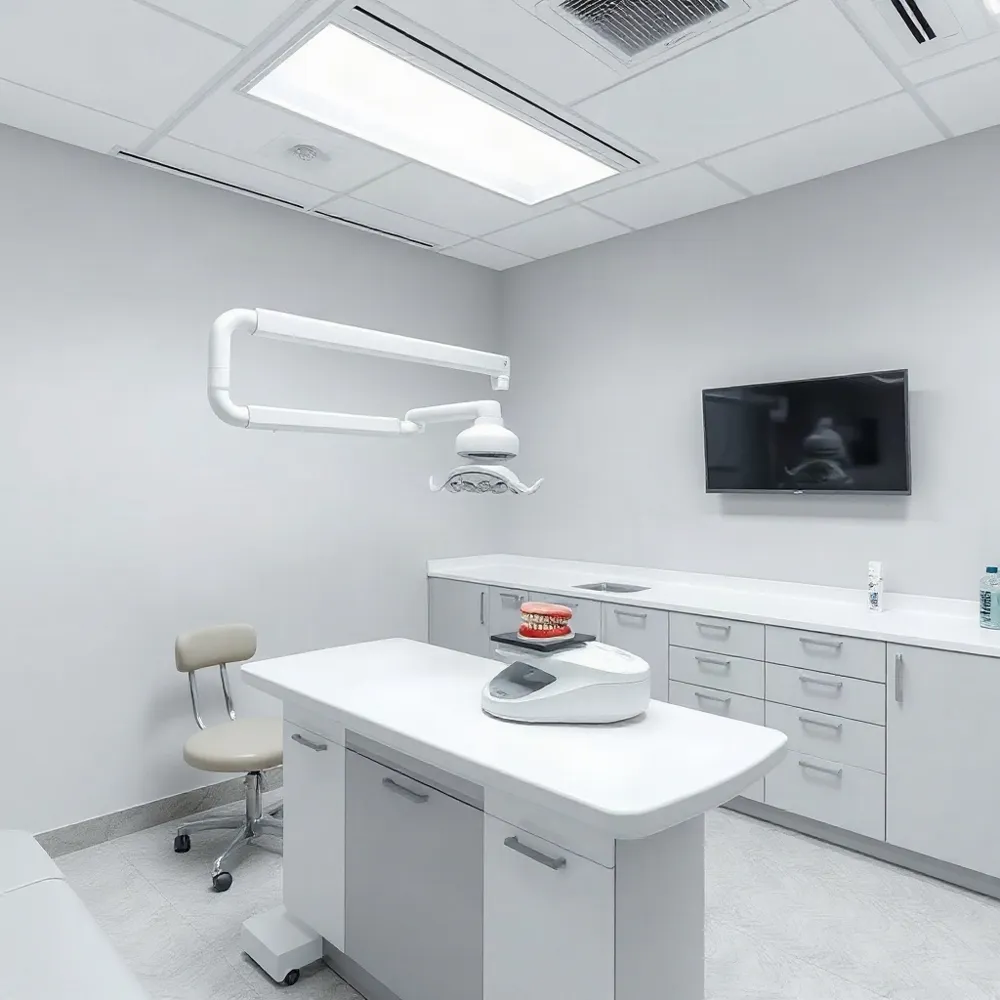 Modern dental care relies on high-resolution data to provide predictable treatment outcomes. At V Dental, we integrate advanced CBCT (Cone Beam Computed Tomography) to move beyond the limitations of standard 2D diagnostics. Unlike traditional methods, this system rotates an X-ray source around the patient, using a cone-shaped beam to capture a comprehensive series of images. These are then reconstructed into a highly detailed 3D view of the teeth, jaw, and facial structures, providing a depth of clinical insight that 2D X-rays cannot match.
How does CBCT 3D imaging work and is it harmful?
CBCT functions by rotating around the head to capture data that maps the complex relationship between teeth, nerves, and bone structure. While the process involves ionizing radiation, it is managed with strict clinical care. The dosage is significantly lower than that of conventional CT scans used in hospitals, and we follow the ALARA (As Low As Reasonably Achievable) principle. This means we only recommend these scans when the diagnostic information is necessary to address a specific clinical question or to plan complex procedures like dental implants.
Beyond 3D imaging, our practice utilizes digital X-rays for routine assessments. This technology provides superior image clarity compared to older film-based methods while simultaneously reducing radiation exposure. These digital files are stored instantly, allowing our team to monitor oral health trends over time with greater accuracy. By combining these imaging tools, we ensure that every treatment plan is grounded in precise, real-time data while maintaining the highest standards of safety for our patients in Live Oak and the surrounding communities.
Customizing Restorations with CAD/CAM and 3D Printing
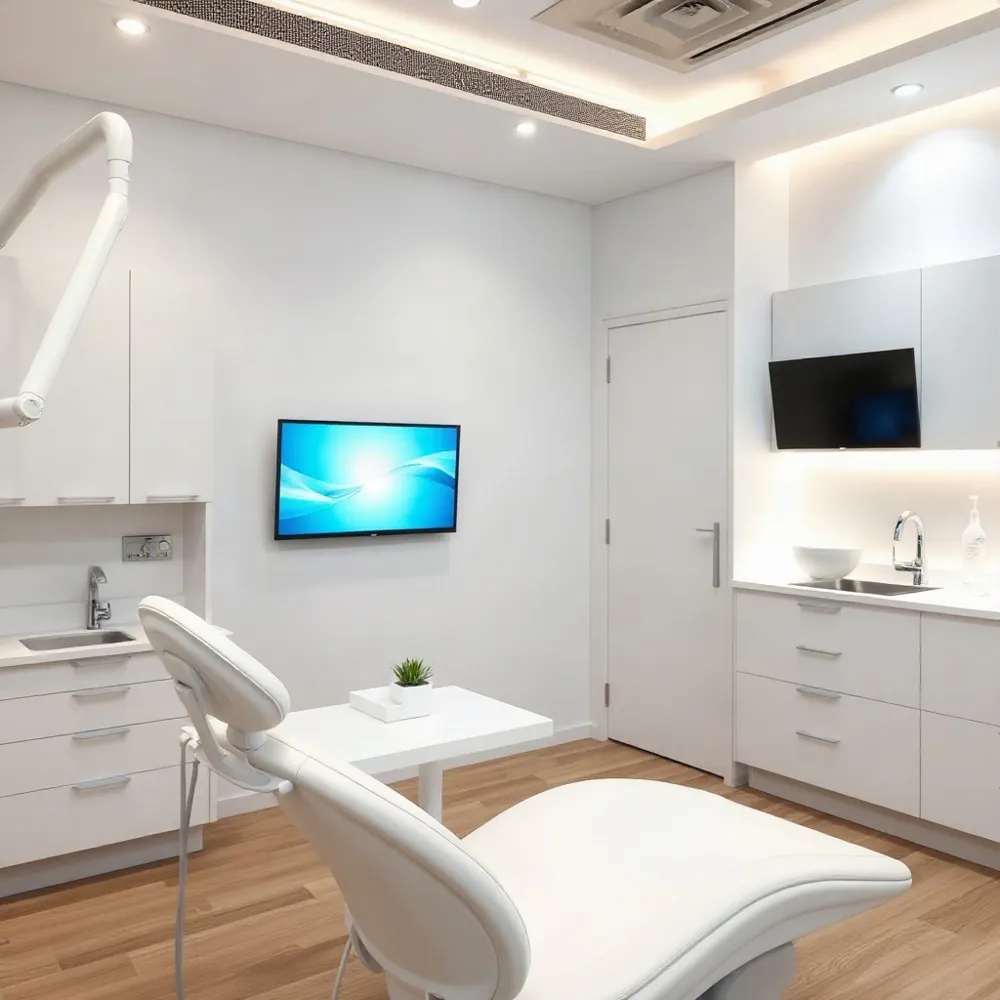 Modern restorative dentistry has moved far beyond manual impressions, utilizing CAD/CAM technology to design and mill crowns, bridges, and veneers in a single office visit. At V Dental, we replace traditional, cumbersome putty impressions with the advanced iTero 3D scanner, which captures precise digital models of your teeth with remarkable accuracy. By eliminating manual impression materials, this technology improves patient comfort and ensures a superior fit for every custom restoration.
For complex cases, digital workflows facilitate the fabrication of high-precision surgical guides that enhance the safety and success rates of dental implants. Unlike conventional methods that rely on physical models prone to human error, our digital planning software allows us to map out your unique anatomy and produce prosthetics tailored to your specific bone structure.
Are digital dentures superior to traditional dentures?
Digital dentures are widely considered superior to traditional options due to their precision, which is achieved through advanced 3D digital impressions and CAD/CAM manufacturing. This streamlined process typically leads to a more accurate fit, significantly reducing the occurrence of sore spots and the need for frequent adjustment appointments. Furthermore, the digital workflow allows for a more predictable final result, ensuring that your prosthetic aligns perfectly with your facial structure. Because these files are stored digitally, replacing a lost or broken denture is also much faster and more convenient than with traditional methods. Ultimately, while both options restore function, digital dentures provide a modern, highly customized experience that enhances comfort and long-term reliability.
Minimally Invasive Treatments and Modern Soft Tissue Care
Modern dentistry prioritizes patient comfort by shifting toward minimally invasive procedures that preserve healthy tissue. At V Dental, Dr. Brandon Villarreal uses advanced soft tissue lasers for treatments such as gum contouring. Unlike traditional scalpels that may require sutures and longer recovery windows, these diode lasers provide precise incisions with minimal bleeding and faster healing times.
For patients sensitive to the noise or vibration of standard tools, air abrasion offers a quiet, gentle alternative to the traditional dental drill. This technology removes small areas of decay by using a fine stream of particles, often eliminating the need for local anesthesia. By minimizing the removal of healthy tooth structure, this approach supports more conservative and long-lasting outcomes compared to older manual methods.
- Reduced patient anxiety through the elimination of loud drilling and scalpel use.
- Increased precision in soft tissue management, which lowers the risk of post-operative infection.
- Accelerated recovery times that allow patients to return to their normal routines sooner.
- Enhanced comfort during procedures, making dental visits more manageable for those with dental phobias.
Enhancing the Patient Experience Through Visual Communication
Modern dental care has shifted toward a more patient-centered approach where visual evidence plays a primary role. At V Dental in Live Oak, Texas, Dr. Brandon Villarreal uses high-definition intraoral cameras to display real-time images of a patient's mouth directly on a screen. This instant visual feedback allows patients to see their oral health status as the dentist sees it, which effectively bridges the gap between clinical findings and patient understanding.
Beyond diagnostics, digital tools are transforming the way patients perceive their aesthetic treatment journeys. Through specialized digital smile design software, clinicians can simulate potential outcomes for procedures like veneers or orthodontic alignment before any physical work begins. This capability helps patients visualize their future results, ensuring that both the doctor and the patient are aligned on the desired goals before a treatment plan is finalized.
Visual communication significantly boosts transparency during the consultation phase. When patients can actively view 3D models or photographic evidence, they are empowered to make informed decisions about their own oral health. By moving away from abstract explanations and toward concrete, digital visualizations, dental practices foster a collaborative environment where patients feel more confident and engaged in their shared decision-making process.
Investing in Your Oral Health: Costs and Planning
Understanding the financial aspects of modern dentistry is a priority for many patients. Advanced diagnostics, such as CBCT 3D imaging, provide clinical data that traditional 2D X-rays often miss, but these innovations carry different investment requirements.
What factors influence the cost of advanced dental imaging like 3D scans?
The cost of advanced dental imaging is influenced by several factors, including the specific technology used and the complexity of the diagnostic requirements for your treatment plan. Geographical location and the pricing structure of the individual dental practice also play a significant role in the final fee. Your out-of-pocket expenses are largely determined by your specific dental insurance policy, as coverage for imaging varies widely between providers and procedures. Because these costs typically range from $100 to $500, we recommend checking with your insurance carrier to confirm your coverage details.
At V Dental, we are committed to transparent care plans that align with your oral health goals. We believe that clinical excellence should remain accessible, which is why we provide personalized treatment plans and offer flexible financing options. Our team works closely with patients to ensure they have a clear understanding of the costs involved in their care before moving forward with any procedure, helping to eliminate financial uncertainty.
A Trusted Partner in Your Digital Dental Journey
Modern technology empowers V Dental to provide care that is as precise as it is comfortable. By integrating advanced tools like CBCT 3D imaging and iTero 3D scanning, Dr. Brandon Villarreal and his team can develop highly personalized treatment plans that move beyond the limitations of traditional, manual methods.
Innovation is simply the foundation for the genuine, patient-focused experience we provide at our Live Oak practice. Whether you are considering cosmetic bonding, dental implants, or routine preventive care, our commitment to using modern technology ensures your comfort and safety remain our priority.
We invite you to experience the difference that a digital-first approach makes for your oral health. Please contact us today to schedule your next appointment at our convenient Live Oak location.