Why Early Detection Matters
Ignoring the early signs of gum disease allows the condition to progress from a reversible stage into a chronic infection that damages the structures holding your teeth in place. What begins as gingivitis, characterized by red, swollen gums that bleed when you brush, can advance into periodontitis, where the gums pull away from the teeth and form pockets that harbor bacteria.
The progression is measured by the depth of these pockets. As the infection spreads below the gumline, the periodontal (gum) disease attacks the bone and connective tissue that anchor your teeth. Over time, this support erodes, leading to loose teeth, shifting bite alignment, and eventually tooth loss. The Mayo Clinic notes that periodontitis is a major cause of tooth loss in adults, yet it is largely preventable with early intervention.
The Far-Reaching Effects of Advanced Gum Disease
The damage is not confined to the mouth. Research has established strong links between advanced gum disease and systemic health conditions, including diabetes, heart disease, and respiratory infections. The Centers for Disease Control and Prevention reports that half of American adults aged 30 and older have some form of periodontal disease, making it a widespread concern with implications beyond your smile.
Diabetes. The inflammation from gum disease can make it harder to control blood sugar, creating a cycle that complicates diabetes management.
Heart disease. Bacteria from infected gums can enter the bloodstream, contributing to arterial plaque buildup and increased cardiovascular risk.
Respiratory health. Inhaled oral bacteria can lead to pneumonia and worsen chronic conditions like COPD, especially in older adults.
Beyond systemic links, untreated gum disease results in progressive bone loss that can alter your facial structure, making you look older. Teeth may drift, creating gaps that affect chewing and speech. V Dental in Live Oak, Texas, specializes in treating gum disease at every stage, using advanced tools like CBCT 3D imaging to assess bone levels precisely and plan personalized care.
Reversing the Damage with Early Intervention
The turning point is timing. When caught early, gingivitis is fully reversible with professional cleaning and improved home care. Once the disease advances to periodontitis, treatment focuses on controlling the infection and preventing further damage through procedures like scaling and root planing, which clean the deep pockets, and in more advanced cases, surgery to restore supportive tissues.
With V Dental, your path back to health begins with a thorough evaluation of your gum health. The clinic's digital X-rays and intraoral cameras allow you to see exactly what is happening beneath the surface, while the compassionate team builds a personalized plan to halt the infection and preserve your natural teeth. Whether you need routine care or more intensive treatment, early action remains your strongest defense against the silent progression of gum disease.
| Stage | Common Signs | Potential Outcome if Untreated |
|---|---|---|
| Gingivitis | Bleeding, swelling, tenderness | Reversible with professional care and good hygiene |
| Moderate Periodontitis | Persistent bad breath, receding gums, pocket depths of 4-5 mm | Bone loss and potential for loosening teeth |
| Advanced Periodontitis | Loose teeth, pain when chewing, visible gum recession | Tooth loss, systemic health risks |
Understanding Gum Disease and Its Causes
 Gum disease, also known as periodontal disease, begins when a sticky film of bacteria called plaque builds up on the teeth. If plaque is not removed through regular brushing and flossing, it hardens into tartar, which only a dental professional can remove. The body's immune response to this bacterial buildup triggers inflammation, and that inflammation is the driving force behind the condition.
Gingivitis. This is the mildest form of gum disease and affects only the gums. At this stage, the inflammation is reversible with good oral hygiene and professional cleanings. The gums may bleed easily and appear red or swollen, but the bone and tissue that hold the teeth in place are not yet affected. If caught here, gum disease can often be fully resolved.
Periodontitis. When gingivitis is left untreated, it can progress to periodontitis. At this point, the inner layer of the gum and bone pull away from the teeth, forming pockets that become infected. The body's immune response, along with bacterial toxins, begins to break down the bone and connective tissue that hold teeth in place. This damage is irreversible, and without treatment, it can lead to tooth loss.
The NIDCR notes that the primary cause of gum disease is plaque, but other factors can accelerate its progression. These include smoking, hormonal changes in women, diabetes, certain medications, and a genetic predisposition. Understanding these causes is the first step in recognizing why early intervention matters so much.
The First Warning Signs: Recognizing Gingivitis
 Gum disease, also called periodontal disease, is a progressive infection of the tissues that support your teeth. It starts with plaque, a sticky film of bacteria that builds up on teeth and along the gumline. When plaque is not removed through brushing and flossing, it hardens into tartar, which can only be removed by a dental professional. The earliest and mildest form is gingivitis, characterized by red, swollen, and bleeding gums. At this stage, the infection is still reversible with good oral hygiene and professional care. If left untreated, gingivitis can advance to periodontitis, where the inner layer of the gum and bone pull away from the teeth, forming pockets that become infected. Over time, the bone and connective tissue that hold teeth in place break down, potentially leading to tooth loss if untreated.
When Gingivitis Becomes Periodontitis
 The earliest stage of gum disease is gingivitis, which affects only the gums and is still reversible. When plaque builds up along the gumline, the tissue becomes inflamed, leading to bleeding gums when you brush or floss. At this point there is usually no pain or bone loss, which is why so many people shrug it off. Yet catching gingivitis early is the single most reliable way to prevent it from advancing.
Left untreated, inflammation can spread below the gumline and develop into periodontitis, a chronic infection that damages the soft tissue and destroys the bone that holds teeth in place. The CDC reports that nearly half of US adults aged 30 or older have some form of periodontitis, making this a far more common problem than most people realize.
Common symptoms that should never be ignored
Bleeding gums. Pink on your toothbrush or when you spit is a classic early sign. Healthy gums do not bleed with normal brushing.
Persistent bad breath. Also called halitosis, this comes from bacteria releasing foul-smelling byproducts in deep pockets that a toothbrush can't reach.
Red or swollen gums. Healthy tissue is firm and pale pink; if your gums look bright red, puffy, or tender, that indicates active inflammation.
Receding gums. Teeth that look longer or notches near the gumline indicate tissue loss, a hallmark of periodontal breakdown.
Pain with chewing. Discomfort while eating can reflect deeper infection around the roots or loosening of the tooth.
New sensitivity. Warm or cold sensitivity that lingers can signal exposed roots as gums recede.
Recognizing these signs early gives you the best chance at stopping the disease before it threatens your teeth. According to the National Institute of Dental and Craniofacial Research, advanced periodontitis is a leading cause of tooth loss in adults, and much of that damage is preventable with timely intervention.
When to see a professional
If you notice any of these symptoms for more than a few days, don't wait for pain to force the issue — schedule an evaluation. Early-stage gum disease often has no pain, so relying on symptoms alone is a losing game. A dentist can measure your gum pockets with a simple probe and check for hidden bone loss using digital X-rays or 3D imaging.
Are You at Risk? Factors Beyond Poor Brushing
Gum disease, also known as periodontal disease, is one of the most common oral health conditions in the United States. According to the CDC, nearly half of adults aged 30 and older have some form of it, yet many people don't recognize the warning signs until the condition has already progressed.
Gingivitis. The earliest, mildest form of gum disease. It's a bacterial infection of the tissues that surround your teeth, causing red, swollen, or bleeding gums. Crucially, gingivitis is reversible. At this stage, the bone and connective tissue that hold your teeth in place haven't yet been affected.
Periodontitis. If gingivitis goes untreated, the infection can spread below the gumline, damaging the bone and fibers that anchor your teeth. This advanced form, periodontitis, can lead to receding gums, loose teeth, and eventual tooth loss if left unchecked. The damage isn't reversible, but it can be managed.
The primary driver behind both stages is plaque, a sticky, colorless film of bacteria that constantly forms on your teeth. When plaque isn't removed through brushing and flossing, it hardens into tartar, which can only be removed by a dental professional. Plaque and tartar buildup triggers an inflammatory response in the gums, which is the body's attempt to fight off the infection.
Who's at Risk?
- Poor oral hygiene: Inconsistent brushing and flossing allow harmful bacteria to multiply unchecked.
- Smoking or vaping: Tobacco use is among the most significant risk factors, affecting both the development and treatment of gum disease.
- Genetics: Some people are simply more susceptible to gum disease, regardless of how well they care for their teeth.
- Certain diseases: Conditions like diabetes and rheumatoid arthritis increase susceptibility due to their impact on the immune system.
- Hormonal changes: Pregnancy, menopause, and puberty can make gums more sensitive and prone to inflammation.
Many of these risk factors are modifiable, which means with the right daily habits and regular professional care, you can significantly lower your chances of developing the condition. That's where regular checkups at a practice like V Dental in Live Oak, Texas become essential. They work with you to identify your individual triggers and catch early signs before they become bigger problems.
Even though V Dental is known for its cosmetic offerings like Invisalign, veneers, and teeth whitening, gum health is the foundation of a smile that looks and feels good. Their team uses modern tools like intraoral cameras and 3D imaging to spot subtle warning signs that might otherwise go unnoticed, and they build a personalized treatment plan around your specific needs.
Can Gum Disease Be Reversed or Cured?
Gum disease, also known as periodontal disease, is a progressive infection of the tissues that surround and support your teeth. It is largely caused by plaque, a sticky film of bacteria that forms on teeth. When plaque is not removed through brushing and flossing, it hardens into tartar, which cannot be removed by brushing alone. The body's response to this bacterial buildup is inflammation, which sets the stage for the more serious forms of gum disease.
What Happens in the Gums
The disease begins when bacteria in plaque release toxins that irritate the gums. This triggers an inflammatory response that can destroy gum tissue and the underlying bone. As the condition advances, the gums can pull away from the teeth, forming pockets that become infected. This destruction is often painless in its early stages, which is why many people don't realize they have a problem. The National Institute of Dental and Craniofacial Research notes that gum disease can progress without obvious symptoms, making regular dental checkups essential for early diagnosis.
Risk Factors That Compound the Problem
While plaque is the primary culprit, certain factors can increase your risk of developing gum disease. Smoking is one of the most significant, as it impairs blood flow to the gums and hampers healing. Poor nutrition, certain medications, and conditions like diabetes that affect blood sugar can also make gums more susceptible. Hormonal changes in women, such as those during pregnancy or menopause, can lead to increased gum sensitivity and a higher risk of inflammation. Genetics can play a role too, as some people are simply more predisposed to gum problems regardless of how well they care for their teeth.
Preventing Gum Disease: Daily Habits That Help
Gum disease is a common bacterial infection that attacks the tissues holding your teeth in place. It usually starts with plaque, a sticky film of bacteria that forms on teeth every day. If plaque isn't removed through brushing and flossing, it hardens into tartar, which irritates the gums and triggers inflammation. The earliest stage is gingivitis, which the Mayo Clinic describes as mild inflammation of the gums that causes redness, swelling, and occasional bleeding.
Gingivitis. The mildest form of gum disease. The NIDCR notes that gingivitis is reversible with professional treatment and good daily oral care. At this stage, the infection is limited to the gums and hasn't damaged the bone or connective tissue. You might notice bleeding when you brush or floss, along with slight redness or puffiness.
Periodontitis. When gingivitis goes untreated, the infection advances. The Cleveland Clinic explains that periodontitis involves the inner layer of the gum and the bone pulling away from the teeth, forming pockets that collect debris and become infected. As the disease progresses, the bone and tissue that support teeth break down, which can eventually lead to tooth loss.
A few habits raise your risk of developing gum disease. Smoking or chewing tobacco is one of the most significant, since it impairs blood flow to the gums and slows healing. Hormonal changes in women, such as those during pregnancy or menopause, can make gums more sensitive. So can certain medications, including some that reduce saliva flow, because saliva naturally helps wash away bacteria. Conditions like diabetes and immune disorders also increase susceptibility, since they compromise your body's ability to fight infection. The CDC provides an overview of these risk factors and the progression of the disease.
When to See a Dentist
Gum disease, also called periodontal disease, is an infection of the tissues that hold your teeth in place. It usually starts with plaque, a sticky film of bacteria that forms on teeth every day. When plaque is not removed by brushing and flossing, it hardens into tartar, and the bacteria begin to irritate the gums. The earliest and most common form is gingivitis, which is limited to the gum tissue and is reversible with good oral hygiene and professional care.
Gingivitis. This is the mild, early stage of gum disease. The gums become red, swollen, and prone to bleeding, especially when you brush or floss. At this point there is no bone loss, and the damage is completely reversible with proper cleaning and daily care. The Mayo Clinic describes gingivitis as the most common form of gum inflammation.
Periodontitis. When gingivitis is left untreated, it can progress to periodontitis. In this more advanced stage, the inner layer of the gum pulls away from the teeth, forming pockets that collect bacteria. The body's immune response, along with bacterial toxins, starts to break down the bone and connective tissue that hold teeth in place. According to the National Institute of Dental and Craniofacial Research, this is a major cause of tooth loss in adults.
Several factors increase the likelihood of developing gum disease. Smoking and tobacco use are among the strongest risk factors, as they impair blood flow to the gums. Poor oral hygiene, diabetes, certain medications, hormonal changes, and a family history of gum problems also play a role. The Centers for Disease Control and Prevention notes that over 40% of U.S. adults have some form of periodontal disease, making it a common condition that many people overlook.
At V Dental in Live Oak, Texas, Dr. Brandon Villarreal and the team focus on catching gum disease in its earliest, most treatable stages. They use modern tools like CBCT 3D imaging and intraoral cameras to see exactly what is happening beneath the gum line, so they can spot inflammation before it causes lasting damage. Whether you need a routine cleaning or a more detailed periodontal evaluation, V Dental provides personalized treatment plans that fit your needs and schedule.
Take Action for Your Oral Health
Catching gum disease in its earliest stage, gingivitis, dramatically improves your chances of reversing it before it causes lasting damage. Recognizing the early signs and symptoms of gum disease allows you to take action promptly, often preventing the progression to more serious conditions like periodontitis. The good news is that with modern diagnostics and preventive care, maintaining healthy gums is an achievable goal.
Bleeding while brushing or flossing is often the first noticeable warning sign. "Blood on your toothbrush isn't normal," explains Dr. Brandon Villarreal of V Dental in Live Oak, Texas. While many people dismiss this as a minor issue, it's a classic indication of inflammation. Alongside bleeding, other common early symptoms include red, swollen, or tender gums, persistent bad breath, and gums that feel receding or pulling away from the teeth. These signs can be easy to overlook, especially when they aren't painful, but they warrant attention.
From Gingivitis to Periodontitis: Understanding the Progression
Gingivitis is the mildest form of gum disease, characterized by inflammation of the gums without damage to the underlying bone or connective tissue. It is reversible with professional treatment and good oral hygiene. However, if left untreated, gingivitis can advance to periodontitis, a more serious infection that damages the soft tissue and bone supporting your teeth. The Mayo Clinic describes periodontitis as a serious condition that can lead to tooth loss if not managed. Recognizing the early signs is the first step in preventing this progression.
The National Institute of Dental and Craniofacial Research notes that gum disease is often painless in its early stages, which is why so many people don't realize they have it until it's more advanced. This is why routine dental visits are essential. Professionals use tools like periodontal probing and digital X-rays to detect gum disease even when you don't notice any symptoms. At V Dental, we incorporate advanced technology like intraoral cameras and iTero 3D scanning to get a detailed view of your gum health, allowing for earlier and more precise intervention.
The Consequences of Ignoring the Warning Signs
Ignoring early symptoms like bleeding gums or persistent bad breath can have serious consequences. As gum disease advances, it can lead to the destruction of the bone that holds your teeth in place, eventually causing them to become loose and potentially fall out. This is why the Centers for Disease Control and Prevention (CDC) highlights that gum disease is a leading cause of tooth loss in adults. The cost and complexity of treating advanced periodontal disease are significantly higher than addressing gingivitis early on.
Moreover, the impact isn't confined to your mouth. Research has linked untreated gum disease to other health problems, including cardiovascular disease and diabetes. While more research is needed, the connection between oral health and overall health is now widely accepted. By prioritizing early detection and treatment, you're not just protecting your smile; you're also safeguarding your overall well-being.
What Does Early Detection Look Like in the Dentist's Chair?
During a routine checkup, your dentist isn't just looking for cavities. They are also performing a periodontal exam. This typically involves measuring the depth of the spaces (called pockets) between your gums and teeth. Healthy pockets are shallow; deeper pockets can indicate gum disease. They will also check for bleeding, gum recession, and tooth mobility. The American Academy of Periodontology advises that these clinical exams are the gold standard for diagnosing gum disease.
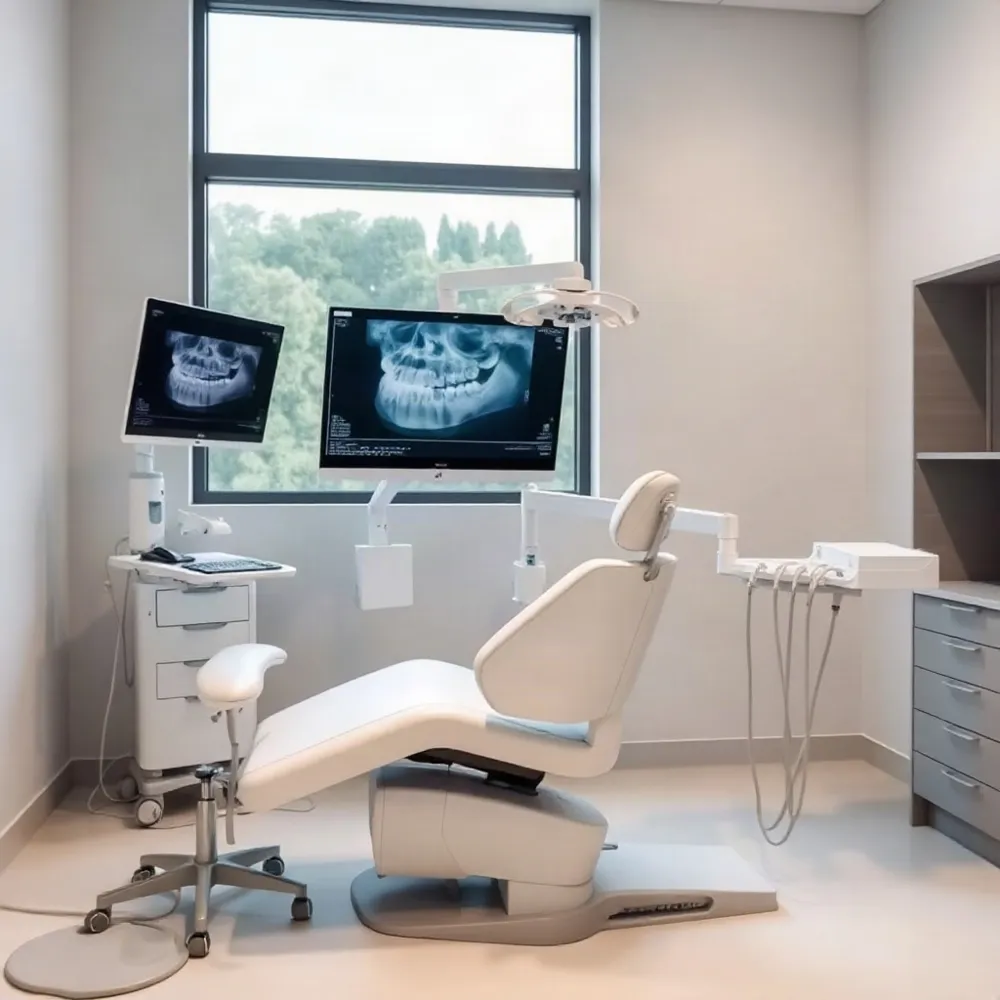
X-rays are another critical component of early detection. While a clinical exam reveals problems below the gum line, X-rays can show the health of the bone supporting the teeth. This helps identify bone loss that might not be visually apparent. At V Dental, our use of digital X-rays and CBCT 3D imaging not only reduces radiation exposure but also provides high-definition images that help us detect bone loss early, allowing for more conservative and effective treatment plans.
Your Role in Prevention and Early Intervention
While professional care is crucial, your daily habits play a significant role in gum disease prevention. Brushing twice a day for two minutes, flossing daily to remove plaque from between teeth, and using an antiseptic mouthwash can help prevent the buildup of plaque and tartar. However, even with excellent home care, some tartar can only be removed professionally. This is why regular professional cleanings and checkups, typically every six months, are vital.
If we do spot early signs of gum disease, the treatment is usually straightforward. A professional cleaning to remove plaque and tartar (scaling) and smoothing of the tooth roots (root planing) can often reverse gingivitis. For V Dental patients, we emphasize creating a personalized prevention plan. You are unique, and your oral health plan should be too. By working with you to understand your risk factors and oral care routine, we help you stay one step ahead of gum disease.
| Stage | Hallmark Signs | Irreversible Damage? |
|---|---|---|
| Gingivitis | Bleeding, red, swollen gums | No, reversible with treatment |
| Periodontitis | Receding gums, loose teeth, bone loss | Yes, progressive bone loss |
| Advanced Periodontitis | Severe bone loss, potential tooth loss | Yes, may require tooth extraction |