Embracing Digital Innovation in Modern Dentistry
The evolution of dental care is defined by a shift toward additive manufacturing, a process that builds dental components layer by layer from high-precision digital files. Unlike traditional fabrication methods, which are often subject to manual errors, 3D printing transforms how clinics design and produce custom restorations.
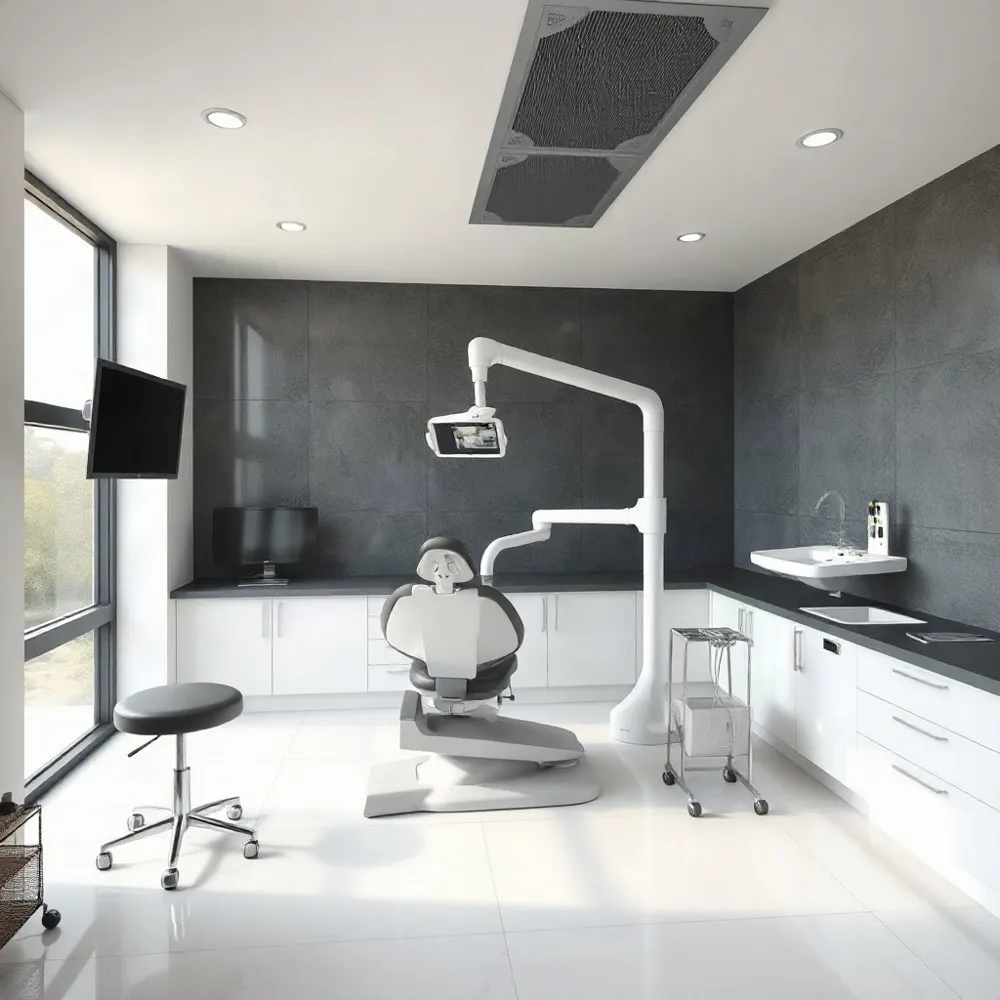
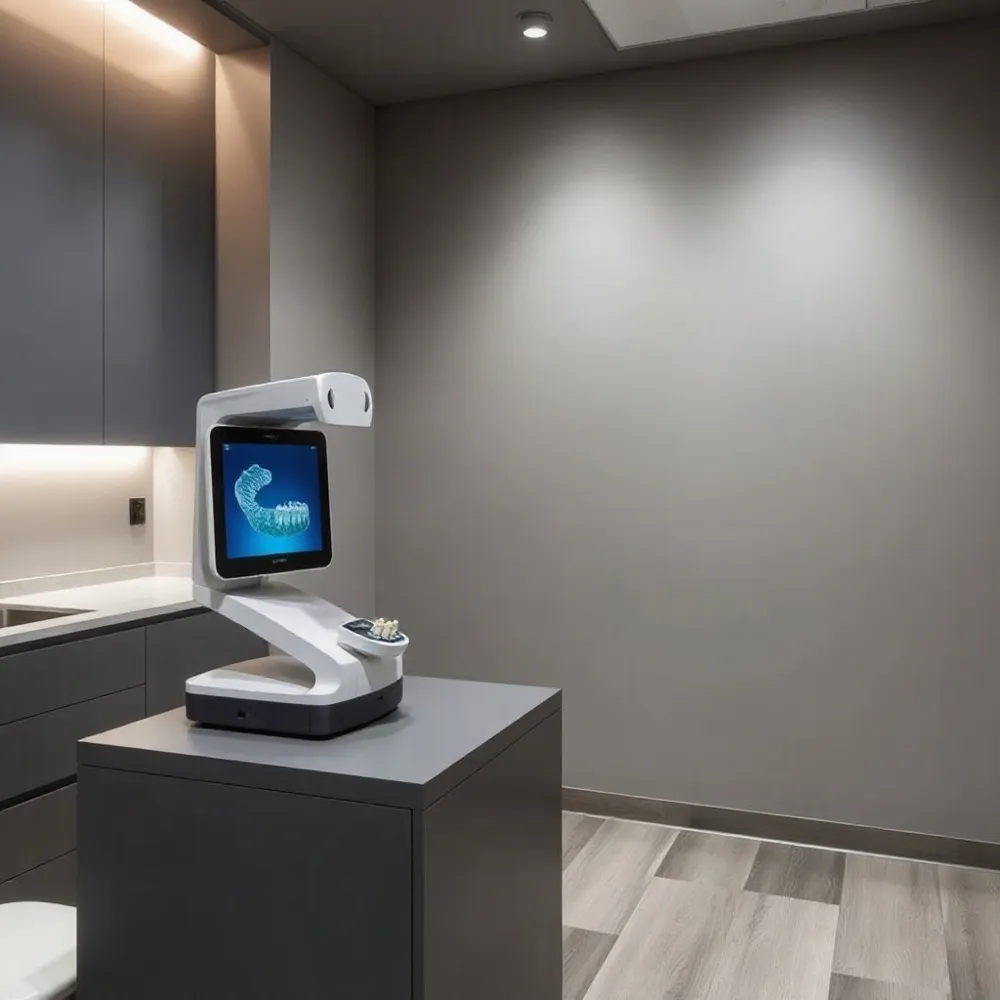
V Dental leads this transition in Live Oak, Texas, by integrating sophisticated diagnostic tools into its daily practice. By utilizing iTero 3D scanning, the team captures detailed digital impressions that eliminate the need for uncomfortable traditional molds. This technology forms the foundation of a digital workflow that allows for the creation of highly accurate surgical guides, veneers, and implant components tailored to a patient's specific oral anatomy.
Moving away from legacy processes, V Dental delivers a more responsive patient experience. This digital approach ensures that every treatment plan is rooted in objective, high-resolution data, providing a level of precision that traditional techniques struggle to match. By adopting these modern systems, the practice ensures that patients receive efficient, personalized care that meets the highest standards of contemporary restorative dentistry.
Advantages of Additive Manufacturing in Clinical Practice
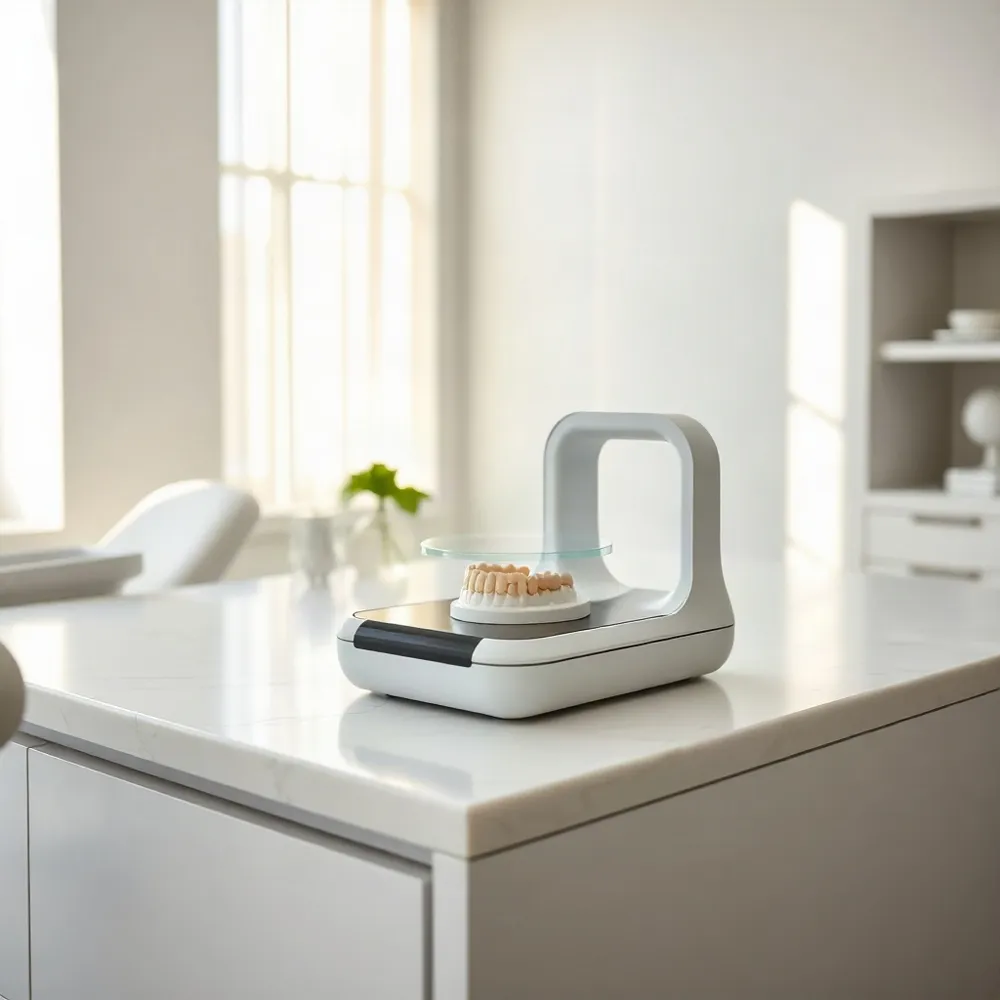 The integration of additive manufacturing, commonly known as 3D printing, has transformed clinical dentistry by replacing labor-intensive manual processes with highly precise digital workflows. By utilizing advanced imaging technologies, such as the iTero 3D scanning used at V Dental, practitioners can now capture exact digital models of a patient’s oral anatomy. This foundation allows for the creation of customized dental components, including surgical guides, crowns, and aligners, with an accuracy that often exceeds traditional methods subject to human error.
What are the primary advantages of utilizing 3D printing technology in modern dentistry?
Primary benefits of this technology center on speed, precision, and patient-centered care. Unlike conventional workflows that rely on physical impressions and external laboratory processing, 3D printing enables in-house fabrication of many appliances, sometimes within a single office visit. This shift significantly reduces turnaround times, providing immediate solutions for patients needing temporary crowns or surgical intervention. Research indicates that additive manufacturing improves geometric accuracy and dimensional precision, which directly correlates to a better internal fit and reduced need for post-procedural adjustments.
Beyond clinical metrics, additive manufacturing offers tangible economic and operational efficiency for practices like V Dental. By producing components layer by layer, dental teams minimize material waste associated with traditional subtractive manufacturing techniques. This efficiency supports the ability to offer highly personalized treatment plans while maintaining sustainable, cost-effective operations. As modern materials continue to advance, the use of biocompatible resins ensures that patients receive durable, safe restorations that mimic natural tooth structure. Ultimately, the adoption of these digital tools reflects a broader trend toward predictable, high-quality patient outcomes.
Materials Science and Biocompatible Resins
Modern restorative dentistry relies on specialized biocompatible resins engineered for high durability, precision, and aesthetics. These advanced materials are essential for maintaining safety within the oral environment while allowing practitioners to craft components that mimic the natural properties of teeth. Unlike traditional materials that may require labor-intensive manual shaping, current resins are specifically formulated for additive manufacturing to ensure consistent quality in every restoration.
What types of materials are commonly used for 3D printing in restorative dental applications?
Restorative 3D printing primarily utilizes resins classified by their specific clinical application. Materials used for temporary crowns and bridges are designed to withstand daily masticatory forces while providing immediate aesthetic results. Conversely, resins used for functional models or diagnostic tools prioritize high geometric accuracy, often achieving resolution fine enough to support complex procedures like implant placement Materials and Applications of 3D Printing Technology in Dentistry. Specialized resins are also manufactured for surgical guides, denture bases, and splints, each optimized for specific mechanical loads and patient comfort requirements 3D Printing of Dental Prostheses: Current and Emerging.
At V Dental, the integration of digital workflows with high-quality biocompatible materials ensures that personalized treatment plans are both accurate and efficient. By utilizing data from iTero 3D scanning, the practice can select the most appropriate material for each patient, bridging the gap between digital design and physical restoration. As research into low-shrinkage and UV-cured materials continues to advance, the precision of these custom-fitted components further enhances the restorative outcomes for patients in the Live Oak community Application of 3D Printing Technology in Dentistry: A Review.
Transforming the Digital Dental Workflow
 The integration of 3D printing technology has fundamentally transformed dental care by shifting manufacturing from traditional, time-consuming methods to highly efficient, precise digital workflows. By utilizing CAD/CAM designs, clinicians can now produce customized crowns, bridges, veneers, and denture bases that offer superior anatomical fit and comfort. This additive manufacturing process significantly reduces chair time for patients and minimizes material waste by using only the exact amount of resin required for each restoration. Furthermore, modern 3D printing technologies, such as SLA and DLP, provide the high level of accuracy necessary to meet clinical standards for both fixed prosthetics and diagnostic models. Ultimately, these advancements empower dental practices to deliver faster, more personalized, and cost-effective treatment solutions.
Replacing Manual Impressions with Digital Precision
Modern workflows begin by replacing traditional, uncomfortable physical putty impressions with iTero 3D scanning. At www.vdentaltx.com, Dr. Brandon Villarreal uses these digital impressions to capture precise anatomical data, which serves as the foundation for the entire restorative process. Unlike manual molds, which are prone to distortion or physical damage, these digital files provide a consistent, high-fidelity reference point that significantly reduces the margin for error.
Customization through CAD/CAM Integration
The use of advanced design software allows the clinical team to adjust occlusal contacts and aesthetics before the fabrication phase begins. This digital sculptor approach ensures that every restoration, from cosmetic veneers to functional implants, is perfectly tailored to the patient's unique oral structure. By integrating this technology directly into the office, V Dental creates a seamless transition from diagnostic assessment to final delivery, ensuring that patients receive personalized care with fewer office visits.
Durability of 3D Printed Dentures and Restorations
Are 3D printed dentures durable enough for regular daily eating?
Yes, 3D printed dentures are durable enough for regular daily eating and are designed to function reliably in your everyday life. Recent clinical research indicates that 3D printed denture bases often demonstrate superior flexural strength, compressive strength, and surface hardness compared to traditional manually crafted dentures. Per MDPI research, these materials show lower water absorption, which helps maintain the integrity and hygiene of the prosthetic over time. While they are highly effective for most patients, your dentist will evaluate your specific bite forces to ensure the material chosen meets your unique functional needs. At V Dental, we utilize advanced iTero 3D scanning and digital workflows to ensure your custom dentures are both precise and built to withstand the demands of daily use.
The transition to additive manufacturing allows for consistent material density that manual fabrication often lacks. Because 3D printing relies on precise digital layering, it minimizes the structural inconsistencies that can occur with conventional wax molding. This precision supports better fit, which directly improves the longevity of the appliance by reducing micro-movements during chewing. When you choose V Dental for your restorative needs, we combine this technological reliability with personalized treatment planning to provide a functional, long-lasting smile.
Longevity and Aesthetic Considerations for Veneers and Implants
The evolution of dental materials has expanded options for patients seeking cosmetic and functional improvements. While 3D printing offers remarkable efficiency and customization, it is essential to distinguish between temporary solutions and permanent restorative investments.
What is the expected lifespan of 3D printed dental veneers and implant-supported teeth?
The expected lifespan of 3D printed veneers typically ranges from 3 to 7 years, reflecting their nature as a convenient and efficient cosmetic option. In comparison, traditional porcelain veneers offer greater long-term durability, lasting between 7 and 15 years per 2024 dental industry research. While 3D printed options provide a faster and more affordable smile transformation, porcelain remains the preferred choice for those seeking maximum longevity and stain resistance.
Regarding implant-supported teeth, these restorations are designed for long-term use. With proper care and maintenance, such as regular professional cleanings and diligent oral hygiene, they can last for many years, often becoming a permanent part of your dental health. V Dental helps patients protect these investments by integrating CBCT 3D imaging into the initial planning phase to ensure optimal placement and long-term stability. This precision contrasts with traditional methods that may lack the same level of anatomical detail.
We encourage you to schedule a consultation at our Live Oak office through www.vdentaltx.com to discuss which treatment option best aligns with your specific dental goals and lifestyle. Our team evaluates your unique needs to determine whether high-strength 3D printed components or traditional porcelain restorations will provide the best aesthetic and functional outcomes.
Economic Factors in Modern Dental Restorative Care
 Adopting advanced dental technology involves balancing initial capital expenditures against long-term operational efficiencies. At V Dental, the investment in modern diagnostic tools like iTero 3D scanning provides the high-fidelity digital models necessary to maximize the value of additive manufacturing.
What factors influence the total cost of 3D printed dental restorations, such as implants and teeth?
The total cost of 3D-printed dental restorations is influenced by several variables, starting with the initial investment in the 3D printer and its underlying technology, such as SLA, DLP, or MSLA. Operational expenses are significantly impacted by the specific dental resins used for the restoration, as material quality and specialized properties vary, per MDPI research on manufacturing precision. Additional costs include post-processing equipment, such as washing and curing units, as well as the software required for digital design and treatment planning.
Labor costs also play a role, as the complexity of the restoration and the time required for setup and calibration factor into the overall production. By choosing to transition from traditional manual impressions to digital workflows, practices can reduce the significant labor time and material waste often associated with traditional, labor-intensive fabrication methods reported by PubMed. Finally, the choice between outsourcing to a lab and producing these restorations in-house remains a primary determinant of the final price for the dental practice.
The Future of Patient-Centered Digital Dentistry
The evolution of dental care is trending toward deep integration with artificial intelligence and bioprinting. These emerging technologies are designed to optimize treatment planning by analyzing complex patient data, enabling dental professionals to craft highly personalized medicine that adapts to individual anatomical needs. By leveraging these predictive models, practitioners can move beyond reactive care to deliver preventive and regenerative solutions that support long-term oral health.
At V Dental, we prioritize these advancements by utilizing modern technology like iTero 3D scanning and CBCT 3D imaging to create the foundation for accurate digital workflows. Dr. Brandon Villarreal and his team are committed to providing personalized treatment plans that reflect the latest innovations in cosmetic and restorative dentistry. We invite you to visit our office in Live Oak, Texas, to learn how our digital tools can improve your dental experience and support your long-term wellness goals.