Embracing Digital Transformation in Oral Healthcare
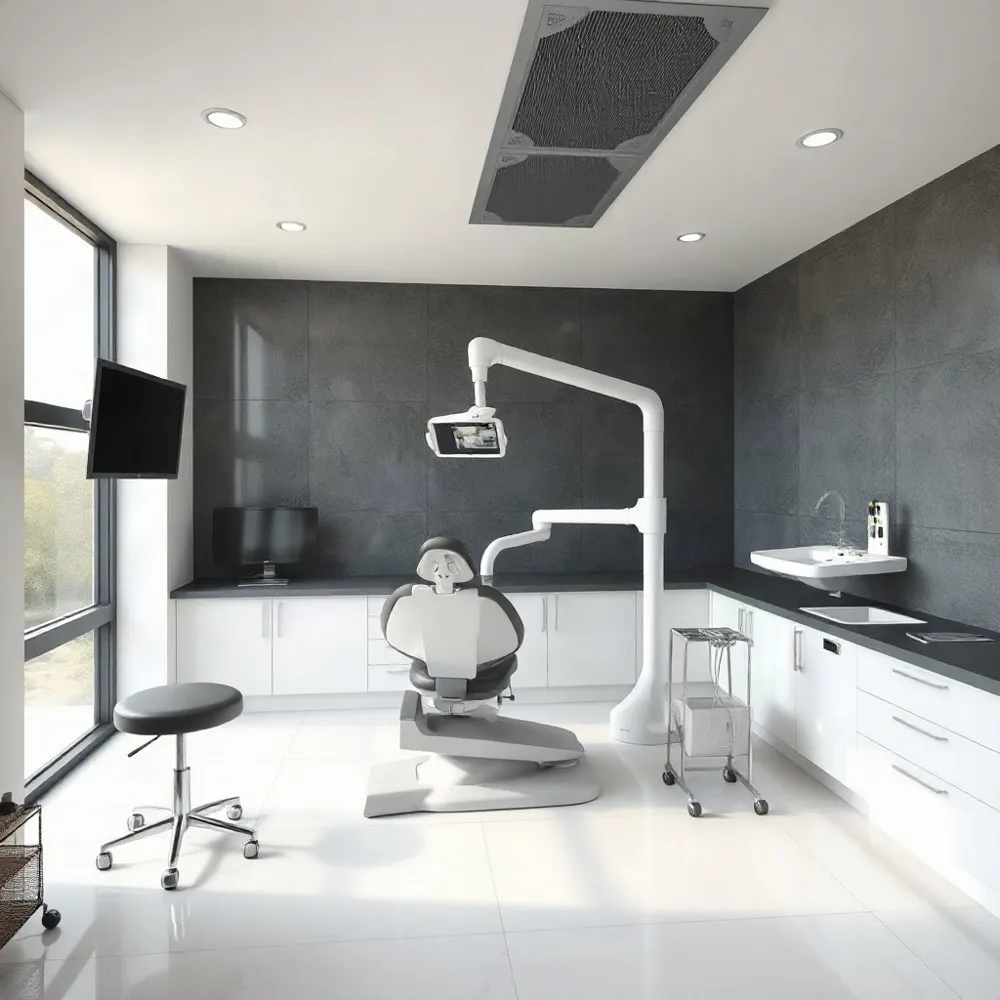
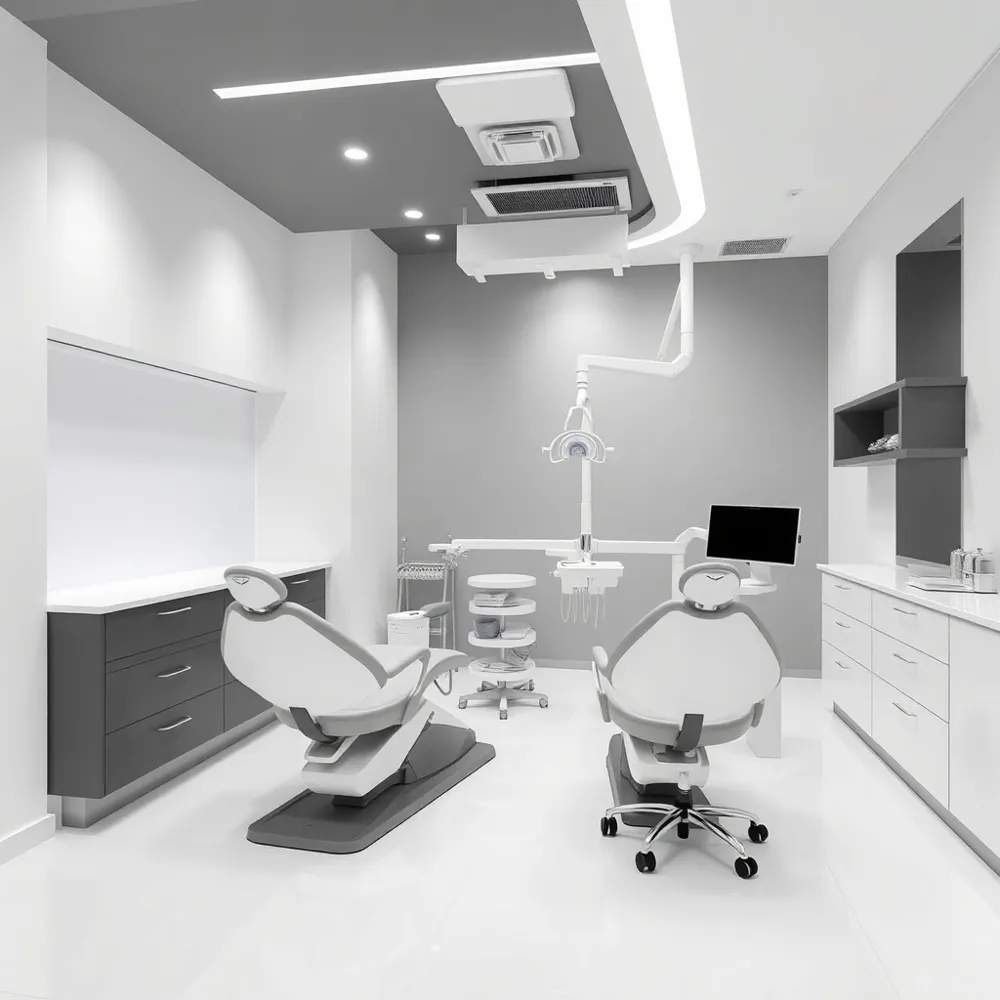
The evolution of oral healthcare has shifted from traditional, analog methods toward a sophisticated digital environment. While historic practices relied on manual impressions and two-dimensional imaging, modern dentistry now employs advanced digital workflows to achieve higher precision. This transition replaces uncomfortable materials with accurate, real-time data capture, significantly reducing both patient anxiety and chair time.
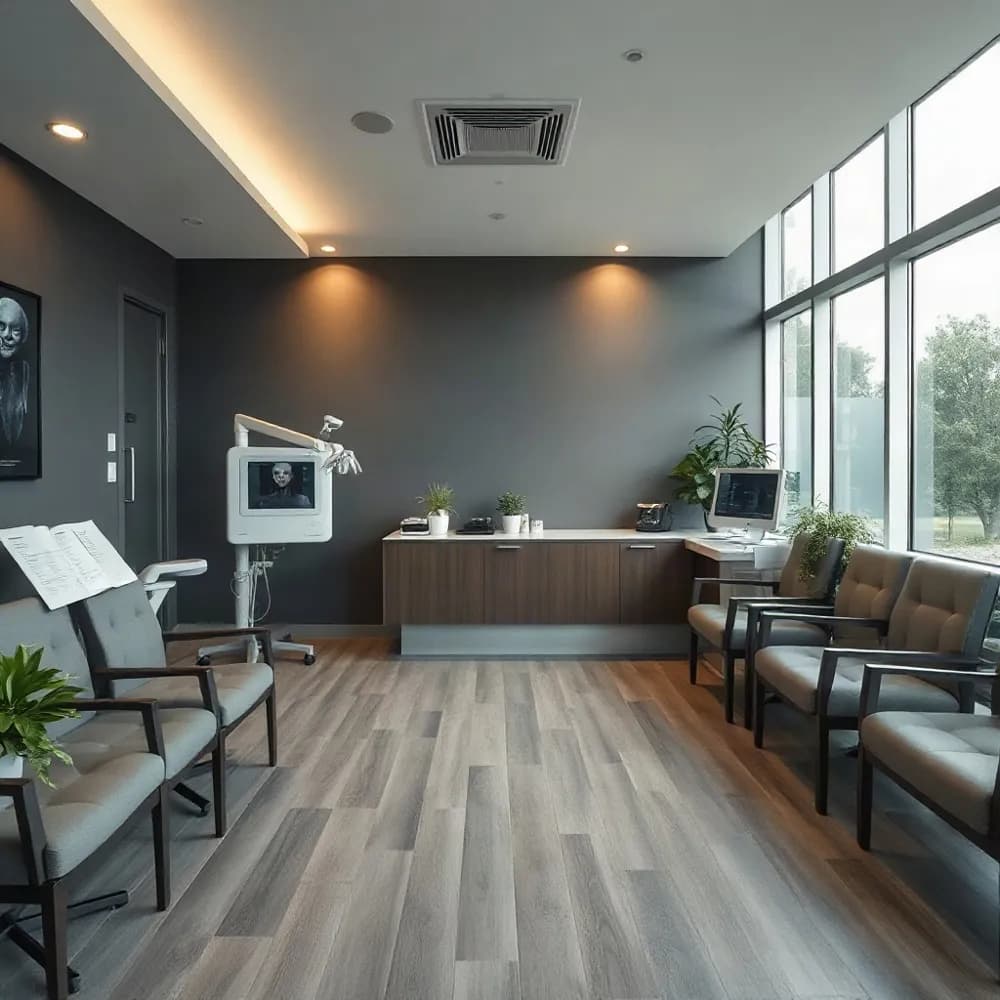
At V Dental in Live Oak, Texas, this modernization is core to the patient-first philosophy led by Dr. Brandon Villarreal. The practice integrates iTero 3D scanning, digital X-rays, and CBCT 3D imaging to create personalized treatment plans centered on the anatomical needs of every local patient. By adopting these innovative tools, the team delivers a more transparent experience where patients can visualize their own data, fostering a deeper understanding of their oral health and the steps required for their care.
Understanding the Fundamentals of Digital Dentistry
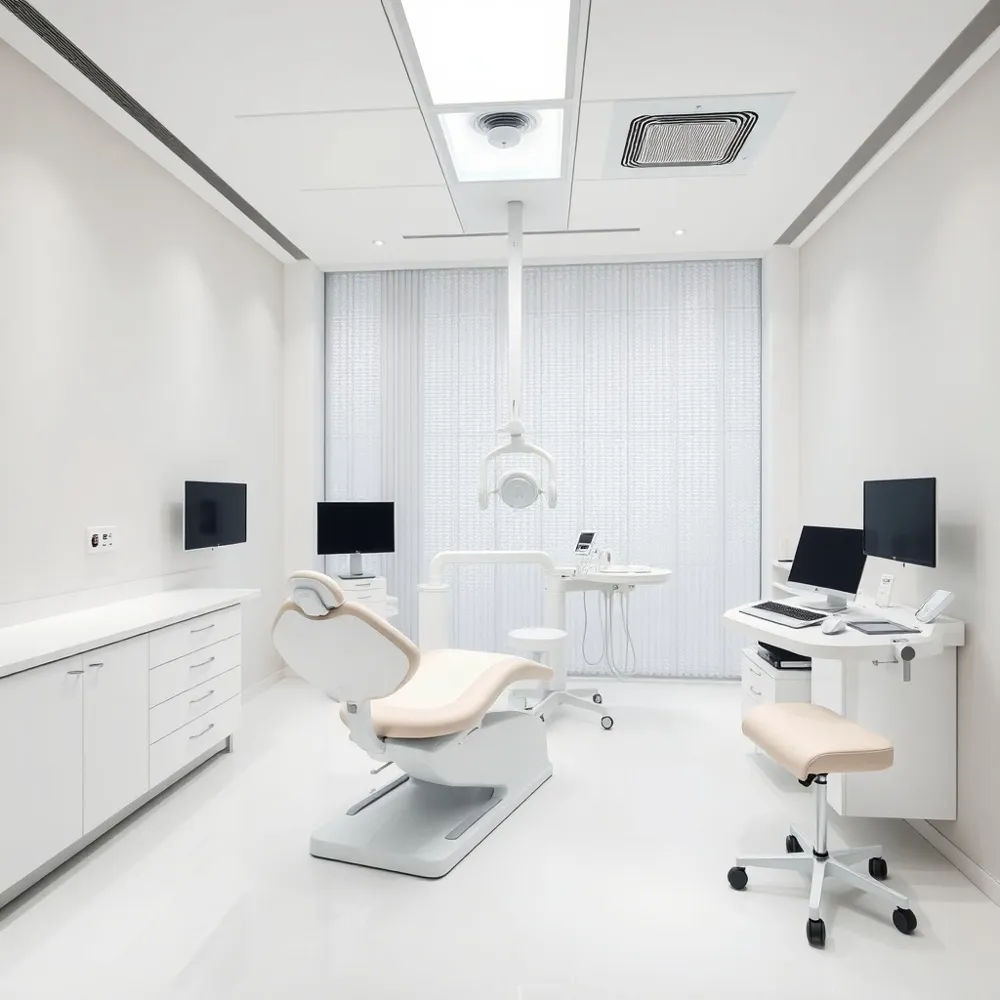 Digital dentistry refers to the use of advanced computer-based technologies and modernized devices to perform dental procedures with greater efficiency and accuracy. By replacing traditional, often uncomfortable methods like physical impressions with precise digital scanning, clinicians can create highly detailed, accurate models of a patient's mouth. Research indicates that transitions to digital workflows reduce overall chair time and the number of patient visits required for restorative treatments.
At V Dental, the use of modern equipment like iTero 3D scanning is central to providing a comfortable, modern experience for the Live Oak community. Unlike practices that still rely on manual impressions, this digital approach helps avoid the gagging and discomfort often associated with traditional alginate molds. These innovations allow for superior diagnostics, enabling dentists to detect potential issues early through clearer, enhanced imagery. According to a comprehensive review of digital dentistry, clinicians who adopt these technologies see improvements in both clinical precision and patient engagement.
The integration of digital technology enables a more personalized, proactive approach to family and cosmetic care. By utilizing CAD/CAM technology, dentists can manufacture high-quality restorations with greater predictability. For patients, this means faster turnaround and a better overall fit. As noted in recent research, the ability to view dental scans on-screen immediately helps patients better understand their specific diagnosis and proposed treatment plans, fostering a sense of trust and transparency during every visit.
Enhancing Comfort Through Advanced Digital Impressions
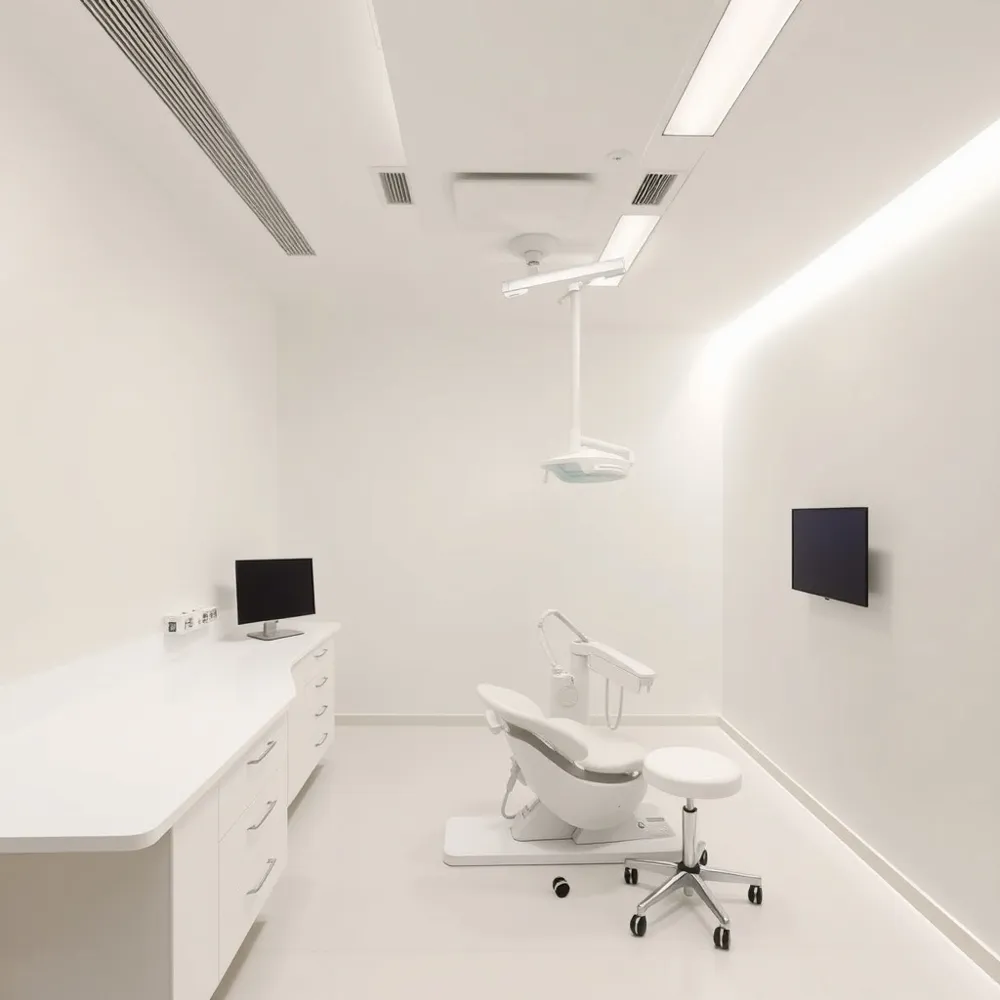 The transition to digital workflows has fundamentally changed the clinical experience, replacing outdated, messy materials with precise optical technology. Traditional impression methods relied on alginate or plaster, which often triggered a gag reflex and caused significant patient discomfort due to bulky metal trays. By contrast, iTero 3D scanning offers a seamless, non-invasive alternative that improves both accuracy and patient satisfaction.
At V Dental, the use of these advanced scanners allows for the capture of highly detailed, real-time 3D models of the oral cavity. This technology eliminates the risk of human error associated with manual molding, such as voids or bubbles, which often required patients to undergo repeat impressions. Because the process is digital, these high-resolution images are instantly available for the dentist to review on a chairside monitor, allowing for immediate adjustments without extending the appointment duration.
Digital dental impressions provide a superior experience by removing the need for uncomfortable, bulky trays, significantly reducing the likelihood of a gag reflex during the procedure. Using modern iTero 3D scanning, clinicians capture precise, real-time images, which directly translates into a more accurate fit for custom-made restorations and alignment therapies. This method streamlines the clinical workflow by eliminating the wait times required for impression material to set or manual models to be cast. Once captured, the digital files are transmitted instantly to the laboratory via the cloud, which ensures that custom dental appliances are prepared with greater efficiency. By prioritizing this modern approach, practices deliver higher quality, more predictable outcomes while maximizing efficiency and convenience for the patient.
Precision Diagnostics With Cone Beam Computed Tomography
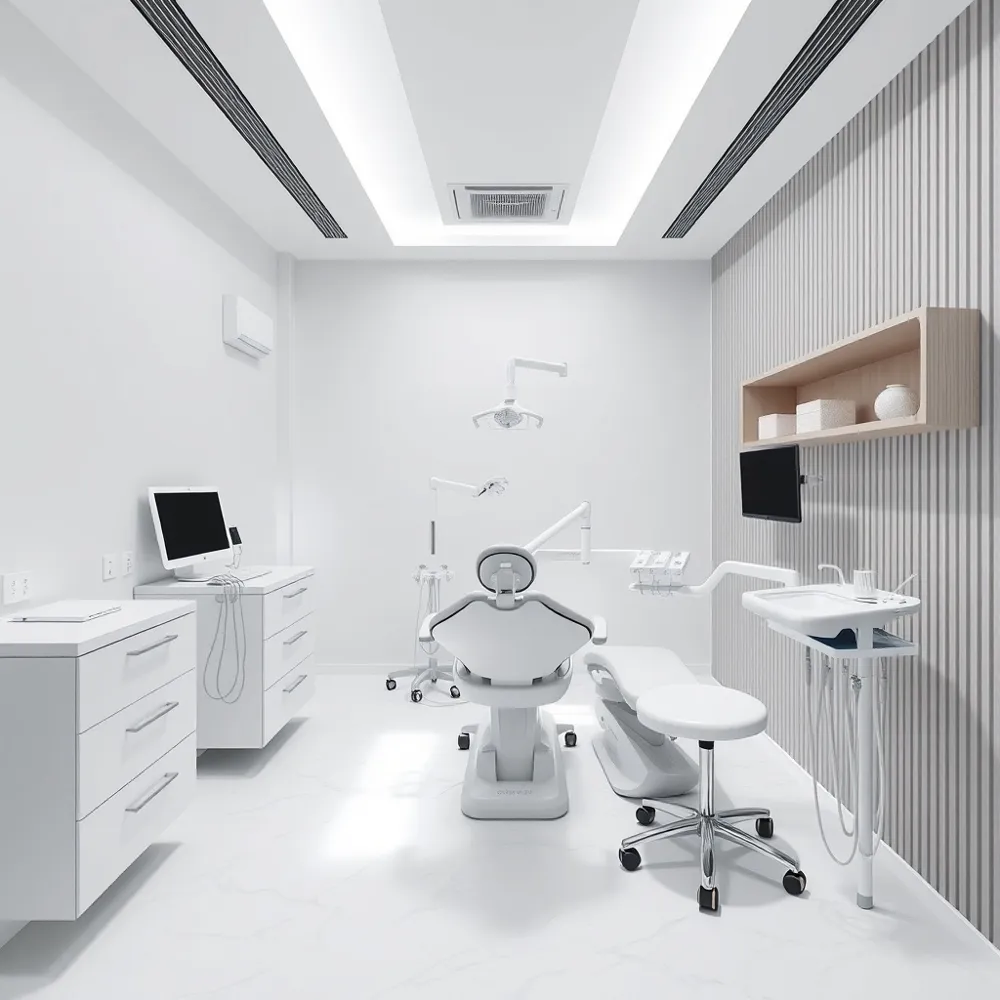 Why is Cone Beam Computed Tomography (CBCT) important for modern dental diagnostics? Cone Beam Computed Tomography is a vital diagnostic tool because it provides precise, three-dimensional (3D) imaging of the maxillofacial region that traditional 2D X-rays cannot offer. According to research published in PMC, this technology captures high-resolution volumetric data while minimizing the distortion or superimposition often found in flatter imaging formats.
By offering a sub-millimeter level of detail, CBCT allows practitioners to evaluate complex tooth morphology, root canal configurations, and bone health with remarkable clarity. This depth of information is essential for precise treatment planning. For instance, in complex procedures such as dental implants, the technology reveals critical details regarding jawbone quality and volume. Unlike conventional medical-grade CT scans, this equipment is tailored for the dental environment, ensuring a more compact, affordable, and lower-radiation diagnostic experience per clinical guidelines.
At V Dental, we integrate this advanced imaging to ensure that every clinical decision is backed by comprehensive data. By visualizing the relationship between impacted teeth, vital nerves, and sinus structures in 3D, our team can perform safer, more accurate interventions. This level of anatomical insight is a cornerstone of the personalized care provided at our practice, allowing us to map out procedures with confidence and transparency. By prioritizing these sophisticated diagnostic resources, we help our patients in Live Oak understand their oral health status through clear, interactive visual aids that replace guesswork with evidence-based planning.
Addressing Safety and Diagnostic Capabilities of 3D Imaging
Is a CBCT dental scan considered harmful to patients?
While Cone Beam Computed Tomography scans involve exposure to a degree of ionizing radiation, they function as a vital tool in modern diagnostics. Dental professionals adhere to the ALARA principle, which dictates that radiation doses stay as low as reasonably achievable. By focusing the beam only on the necessary area of interest, dentists ensure the diagnostic utility of the 3D imagery outweighs any minimal risk. At V Dental, this technology is applied with precision to create safer, more personalized treatment plans, often providing clarity that exceeds traditional 2D radiography.
Can a CBCT scan be used to detect oral cancer?
Advanced imaging facilitates the identification of bone abnormalities, structural irregularities, or suspicious lesions that may warrant further investigation. However, this technology is not marketed as a primary screening tool for malignancy. Because the scan cannot determine the pathology of a growth or visualize early-stage cellular changes, it is not a substitute for histological testing. If a dentist detects an unusual finding, a biopsy remains the clinical standard for establishing a definitive diagnosis. This combined approach allows for the early detection of potentially serious conditions that might otherwise remain hidden during a standard visual exam.
Full-Spectrum Patient Experience Improvements
Digital technology significantly enhances the patient experience by streamlining operations, through tools like iTero 3D scanning that replace uncomfortable, messy impression materials with seamless digital capture. At V Dental, these advancements allow for faster, more precise, and more comfortable clinical assessments that minimize the need for multiple follow-up appointments.
Visualizing oral health with digital tools
Using intraoral cameras and chairside monitors transforms the diagnostic process into an interactive educational experience. Patients can view high-resolution, real-time imagery of their own oral structures, which helps demystify complex conditions and treatment plans. This level of visual engagement, coupled with digital smile design software, empowers individuals to participate actively in their own care decisions, fostering greater trust and confidence.
Reducing anxiety through clinical efficiency
Modern equipment modernizes the office environment, helping to reduce patient anxiety through higher procedural predictability. When dentists rely on Cone Beam Computed Tomography for surgical planning, they can often offer minimally invasive options that shorten recovery times. Digital health records also ensure that anatomical data is securely stored and instantly retrievable, which prevents the need for repetitive scans and allows for accurate tracking of long-term oral health changes. By streamlining the workflow from diagnosis to completion, these practices ensure that patients receive efficient, high-quality care tailored to their unique needs.
Commitment to Future-Ready Dental Care
By integrating digital dental technology, the team at V Dental ensures that patients in Live Oak receive precise, personalized care. Technologies such as intraoral scanning and high-definition CBCT imaging replace outdated, uncomfortable methods to improve diagnostic accuracy. This commitment to innovation means shorter appointment times, faster recovery, and more predictable clinical results for every visitor.
Prioritizing modern, tech-forward oral health is a vital step toward long-term wellness. You can schedule a visit at www.vdentaltx.com to see how these advanced tools can transform your dental experience and support a healthier smile.