How Long Does Invisalign Take? A Practical Look at Real Patient Journeys
Understanding the Treatment Timeline
Invisalign treatment duration varies widely, from 3 months for minor corrections to over 24 months for complex cases. Most patients complete treatment within 6 to 18 months. The timeline depends on case complexity, patient age, and consistent wear of aligners for 20–22 hours daily.
Real Patient Examples
Real patients show this range in action. Sarah, a 28-year-old, achieved straight teeth in 6 months wearing aligners 22 hours a day. Emma, 16, corrected crowded teeth in 6 months with biweekly tray changes. Jason required 12 months to fix his bite and stop teeth grinding. These cases highlight how compliance and individual needs shape treatment duration.
Your Personalized Estimate at V Dental
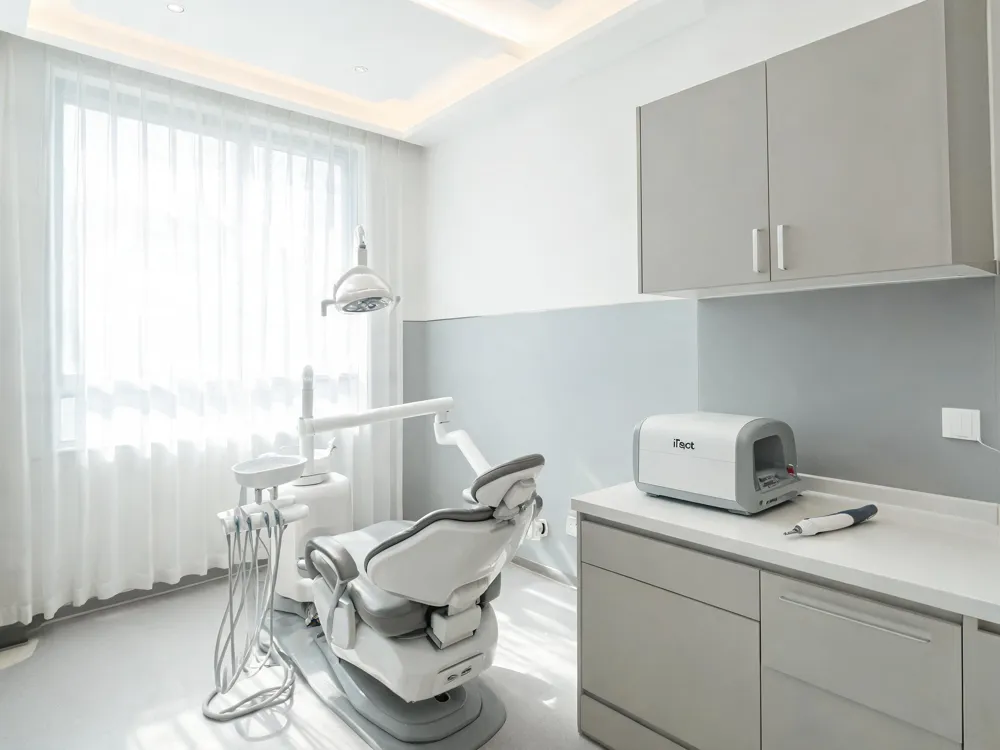
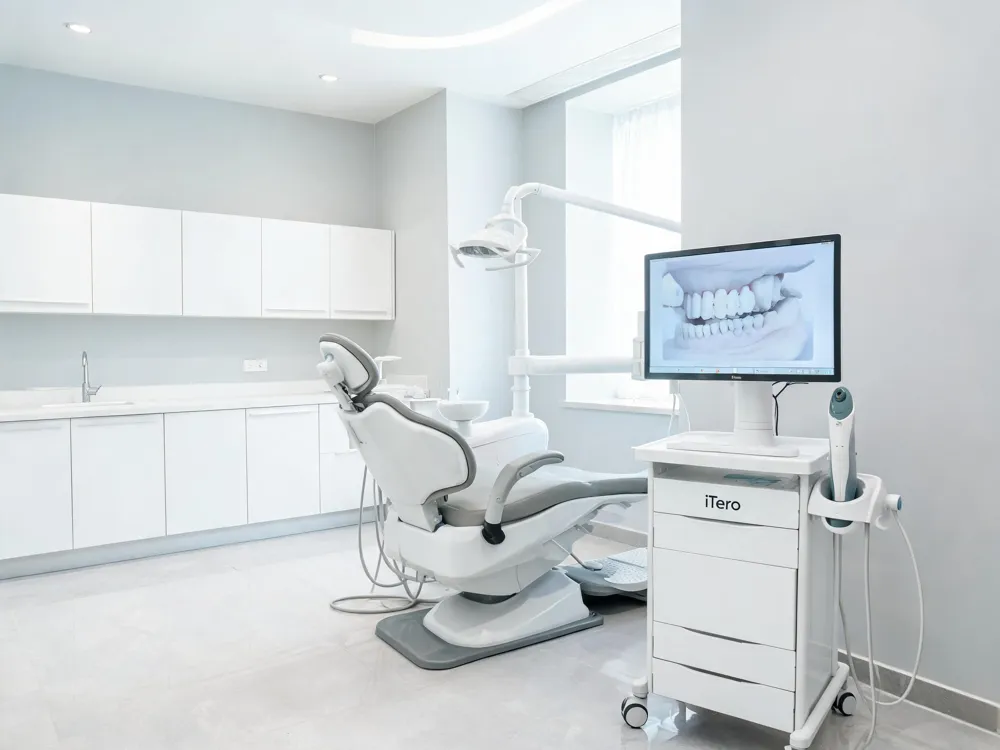
An accurate timeline begins with a thorough assessment. At V Dental, we use iTero 3D scanning to create a detailed treatment plan that projects your unique journey. Factors like the severity of crowding, bite issues, and your daily habits are evaluated to give a realistic timeframe. Every smile is different, and our goal is to set clear, achievable expectations from the start.
Average Timelines and What Really Drives Them
How long does Invisalign treatment take?
Invisalign treatment generally takes 6 to 18 months for most patients, with the full range spanning 3 to 24 months. The exact duration depends on case complexity, compliance, and the specific Invisalign version used.
Breakdown by case type
- Mild cases (minor crowding or spacing): 3–6 months
- Moderate cases (noticeable alignment issues): 9–12 months
- Complex cases (severe crowding, bite problems): 12–24 months
Specific Invisalign versions
| Version | Ideal For | Typical Duration |
|---|---|---|
| Invisalign Express | Minor corrections | 3–4 months |
| Invisalign i7 | Mild crowding | 3 months |
| Invisalign Go | Minor imperfections | 4 months |
| Invisalign First | Growing children | 4–6 months |
| Invisalign Teen | Mild to severe | 12–18 months |
| Invisalign Full | Mild to severe | 12–18 months |
Invisalign vs. braces speed
For mild-to-moderate cases, Invisalign often matches or slightly beats traditional braces (12–14 months vs. 18–24 months). Complex bite corrections may favor braces.
Visible changes timeline
Aligners typically arrive 2–4 weeks after your consultation. Many patients notice visible improvements within the first month of wear.
Did Kate Middleton use Invisalign?
Yes, Kate Middleton wore Invisalign for 6 months before her wedding. She followed a strict 22‑hour daily wear schedule to achieve a perfectly aligned smile.
How long did Billie Eilish have Invisalign?
Billie Eilish committed to Invisalign for about 18 months. Her treatment was a public journey, even appearing in her "Bad Guy" music video.
Invisalign Versions: Matching Your Needs to a Timeline
Invisalign Product Lines and Their Timelines
Invisalign offers several versions tailored to different correction levels. Invisalign Express (3–4 months) and Invisalign i7 (3 months) are ideal for mild crowding or minor front tooth adjustments. Invisalign Go targets minor imperfections in about 4 months. Invisalign First supports developmental cases in 4–6 months, while Invisalign Teen and Invisalign Full handle mild to severe issues over 12–18 months.
From Simple Tweaks to Full Corrections
For very mild cases, treatment can require only 20–30 trays over 6–8 months—a fast, discreet solution. More complex bite corrections or severe crowding naturally extend the timeline, but each version is designed to match the specific challenge.
Why a Consultation Matters
Ultimately, a consultation with an experienced provider like Dr. Villarreal determines which version fits your unique dental situation. Only a professional assessment can map out the precise number of aligners and expected duration for your smile goals.
What About the Cost? Is $6,000 Normal?
What About the Cost? Is $6,000 Normal?
Yes, $6,000 is within the normal range for Invisalign treatment. Typical costs fall between $4,500 and $6,000, making $6,000 the upper end of standard pricing. The final price depends on your specific case.
Factors influencing cost include complexity of misalignment, number of aligner trays required, and overall treatment length. More complex cases with longer durations understandably cost more.
Flexible Financing at V Dental
V Dental makes Invisalign affordable with flexible monthly payment plans. We also accept HSA and FSA funds, helping you use pre-tax dollars. For an exact quote tailored to your needs, schedule a consultation to receive a personalized fee estimate.
Can Invisalign Help with TMJ Issues?
Addressing TMJ Pain Through Bite Correction
Invisalign can help relieve TMJ issues in certain cases, particularly when jaw pain is caused by bite misalignment or malocclusion. By gradually shifting teeth into proper alignment, Invisalign may reduce uneven pressure on the temporomandibular joint and ease associated discomfort.
Important Limitations and Caveats
However, Invisalign is not a universal cure—many TMJ disorders stem from factors like arthritis, injury, or stress, which aligners alone cannot address. For some patients, symptoms may temporarily worsen during treatment, and severe cases may require additional therapies such as nightguards, physical therapy, or other interventions. A thorough evaluation by a dentist is essential to determine whether Invisalign is the right solution for your specific TMJ concerns.
Real-Life Concerns: Kissing, the First Week, and When Invisalign Isn’t the Best Fit
Can I kiss my boyfriend with Invisalign?
Yes, you can kiss confidently while wearing Invisalign. The clear, snug-fitting aligners stay securely in place and are barely noticeable. Your partner won’t feel metal or sharp edges. If you prefer, you may remove the aligners briefly, but remember to wear them 20–22 hours daily to keep treatment on schedule. With good oral hygiene and consistency, Invisalign doesn’t interfere with romance.
What is the hardest week of Invisalign?
Most patients find the first week the most challenging. You’re adapting to the aligners, and your teeth feel mild pressure as movement begins. You may notice a slight lisp or temporary discomfort, but this typically fades within a few days. By the second week, wearing aligners feels routine, and any early sensitivity resolves.
Why don’t dentists always recommend Invisalign?
Invisalign has limitations. It may not suit patients with small or misshapen teeth (which compromise fit) or severe bite issues like deep overbites that require more control. At V Dental, Dr. Villarreal evaluates each case individually. For complex misalignment, traditional braces or alternative treatment may achieve better results. Invisalign remains an excellent option for most mild to moderate cases, but a personalized consultation determines the best path.
Your Smile Journey: From Treatment to Lifelong Retention
Month-by-Month Progress
- Month 1: Adjustment to aligner wear; mild lisp and pressure fade.
- Months 2–3: Visible changes begin; confidence grows.
- Months 4–6: Dramatic crowding relief and gap closure.
- Months 7–12: Fine-tuning bite and symmetry; common refinements ensure perfection.
Compliance Is Critical
Wearing aligners 20–22 hours daily keeps treatment on schedule. Skipping hours adds months to your timeline.
Lifelong Retention
After your final aligner, retainers preserve your new smile (full-time initially, then nightly).
Real Results
- Sarah (6 months): Cosmetic correction for her wedding.
- Jason (12 months): Functional bite repair and grinding relief.
- Emma (16 years, 6 months): Rapid teen crowding resolution.
Your Next Step
Schedule a consultation at V Dental for a personalized timeline tailored to your needs.