Understanding Sedation Dentistry
Sedation dentistry uses medication to calm patients and lessen pain during dental care, ranging from mild nitrous oxide to deeper oral or intravenous (IV) sedation and, when needed, general anesthesia. Nitrous oxide (laughing gas) provides quick, reversible relief; oral sedatives give moderate calm while the patient stays awake; IV sedation allows precise, titratable deep sedation with amnesia; and general anesthesia induces full unconsciousness for extensive oral surgery. Complex treatments—such as root canals, wisdom‑tooth extractions, implant placement, full‑mouth reconstructions, or periodontal surgery—often trigger anxiety, gag reflex, or movement that can compromise precision. Sedation mitigates these issues, enabling the dentist to work efficiently, combine procedures in one visit, and improve patient cooperation and outcomes. At V Dental in Live Oak, Texas, Dr. Brandon Villarreal integrates sedation with CBCT 3D imaging, digital X‑rays, intraoral cameras, and iTero 3D scanner to create accurate treatment plans while ensuring comfort, safety, and financing for the community.
Why Sedation Improves Outcomes for Complex Procedures
| Benefit | Description |
|---|---|
| Anxiety reduction | Patients remain calm, decreasing movement and gag reflex. |
| Pain mitigation | Amnesic effect lessens perceived pain and memory of discomfort. |
| Enhanced precision | Stable operative field for CBCT 3‑D imaging and iTero scanning. |
| Treatment efficiency | Multiple procedures can be completed in one visit, reducing chair time. |
| Improved compliance | Positive experience encourages regular dental visits. |
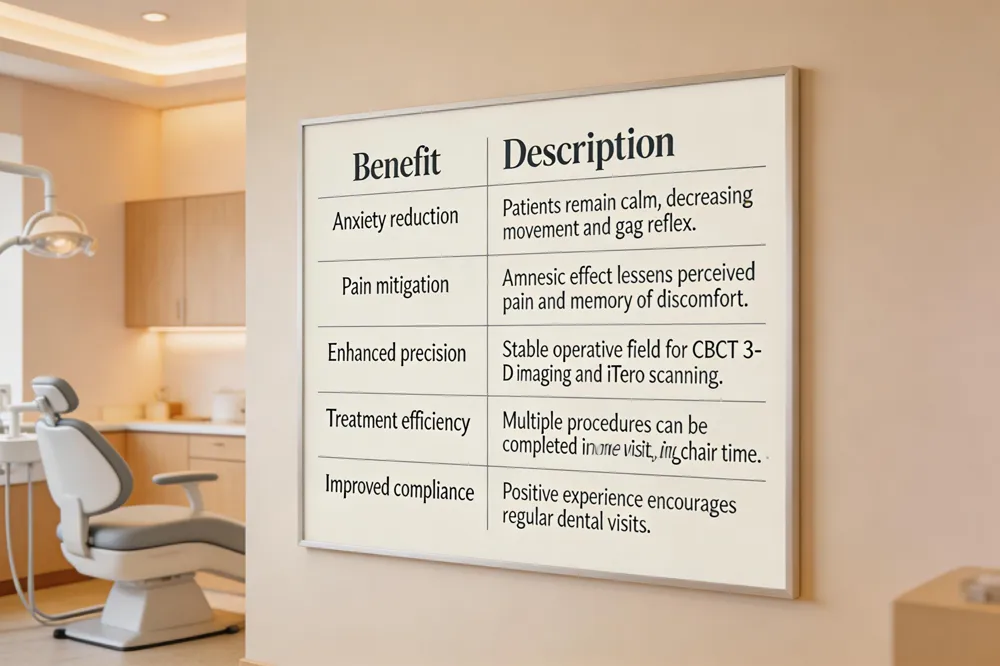 Sedation dentistry dramatically reduces patient anxiety, allowing individuals to remain calm and cooperative during lengthy or invasive treatments such as root canals, wisdom‑tooth extractions, implant placement, or full‑mouth reconstructions. By dampening the gag reflex and minimizing involuntary movements, sedation gives dentists a stable operative field, which is essential when using high‑precision tools like CBCT 3‑D imaging and the iTero 3‑D scanner. The amnesic effect of many sedatives also lessens perceived pain and can prevent the formation of negative memories that fuel future dental phobia. Because patients stay relaxed, multiple procedures can be combined into a single visit, cutting overall chair time and reducing the number of appointments needed.
Benefits of sedation dentistry include anxiety relief, pain‑free experiences, enhanced precision, and the ability to complete comprehensive treatment plans efficiently.
Is sedation worth it? Absolutely for those with strong anxiety, a sensitive gag reflex, or extensive treatment needs – the comfort and efficiency outweigh the brief, mild side‑effects.
Common IV drugs are midazolam, propofol, and fentanyl, while conscious‑sedation agents often include midazolam paired with fentanyl.
Safest sedation is nitrous oxide, which offers rapid onset, quick recovery, and minimal cardiovascular impact.
The 2‑4‑6 rule (2 hrs clear liquids, 4 hrs breast milk, 6 hrs solids) and the 2‑2‑2 oral (brush twice daily for two minutes, see dentist twice yearly) help ensure safe and effective care.
Dental anxiety affects roughly 73 % of U.S. adults, underscoring the importance of sedation options like those offered at V Dental in Live Oak, TX where advanced imaging and flexible financing make complex, comfortable and affordable.
Safety, Risks, and Insurance Considerations
| Risk / Consideration | Details |
|---|---|
| Screening | Medical history, vitals, labs for high‑risk patients. |
| Common side‑effects | Drowsiness, dry mouth, nausea, headache, IV site bruise. |
| Rare serious complications | Allergic reaction, respiratory depression, cardiac events (higher risk with asthma, heart disease, sleep apnea). |
| Contraindications | Uncontrolled hypertension, severe cardiopulmonary disease, pregnancy, certain psychiatric disorders. |
| Insurance coverage | Generally limited; labeled as comfort service, reimbursed only if medically necessary. |
| Financing | CareCredit, in‑house membership, flexible plans offered by V Dental. |
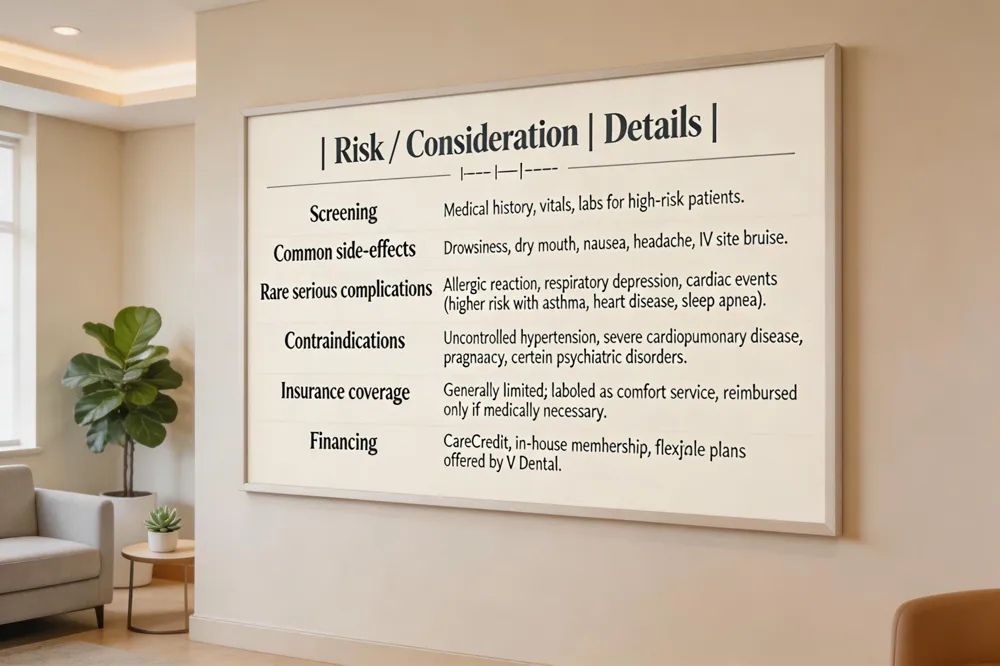 Screening and monitoring protocols are the backbone of safe sedation dentistry. Before any medication is given, V Dental conducts a thorough medical history review, checks blood pressure, heart rate, and oxygen saturation, and may order a pre‑procedure lab test for high‑risk patients. Throughout the appointment, a trained staff member continuously monitors vital signs and is ready to intervene if needed.
Common side‑effects are mild and short‑lived: drowsiness, dry mouth, nausea, headache, or a bruise at the IV site. Serious complications—such as severe allergic reactions, respiratory depression, or cardiac events—are rare when proper screening and monitoring are followed, but they are more likely in patients with uncontrolled asthma, heart disease, sleep apnea, or known drug allergies.
Medical conditions that increase risk include severe cardiopulmonary disease, uncontrolled hypertension, pregnancy, and certain psychiatric disorders. Patients with these conditions must discuss alternatives or adjusted dosing with the dentist.
Insurance coverage for sedation is limited; most plans label it a comfort service and do not reimburse nitrous‑oxide, oral, or IV sedation unless deemed medically necessary (e.g., severe anxiety or complex surgery). V Dental offers flexible financing, CareCredit, and in‑house membership plans to make sedation affordable. Always verify your policy and discuss options with the dental team before treatment.
Sedation Options Offered at V Dental
| Sedation Type | Typical Use | Onset / Recovery | Notes |
|---|---|---|---|
| Nitrous Oxide (Laughing Gas) | Mild anxiety, short procedures | 3‑5 min onset, off within 15 min | Patient can drive home. |
| Oral Conscious Sedation | Moderate anxiety, children, simple procedures | 30‑45 min onset, 2‑4 h effect | Companion required for transport. |
| IV (Twilight) Sedation | Lengthy/invasive work (implants, full‑mouth) | Immediate onset, 1‑2 h effect | Deep relaxation, amnesia. |
| General Anesthesia | Highly complex surgeries | Induction 5‑10 min, full recovery 2‑4 h | Requires anesthesiologist. |
| Tailored Plans for Children & Special‑Needs | Age‑specific, health‑specific | Varies | Close monitoring, often nitrous or oral. |
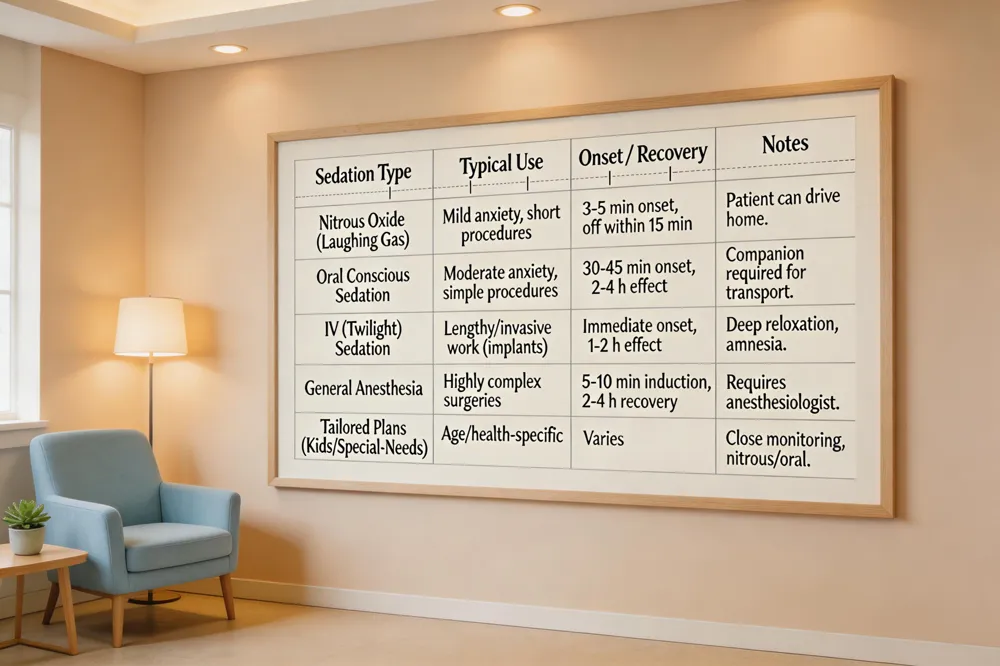 Nitrous Oxide (Laughing Gas) – A mild inhalation sedation that takes effect in 3‑5 minutes, wears off quickly, and lets patients drive home after treatment. It’s ideal for short procedures and patients with mild anxiety.
Oral Conscious Sedation – Prescription benzodiazepines (e.g., triazolam, lorazepam) taken before the visit produce a relaxed, drowsy state while keeping the patient awake and able to follow instructions. A companion must accompany the patient home.
IV (Twilight) Sedation – Delivered intravenously for precise depth control. It provides deep relaxation and amnesia, perfect for lengthy or invasive work such as implants, wisdom‑tooth extractions, or full‑mouth reconstructions.
General Anesthesia – Reserved for highly complex surgeries; an anesthesiologist induces complete unconsciousness, allowing extensive procedures without patient movement.
Tailored Plans for Children & Special‑Needs – V Dental evaluates age, health history, and procedure complexity to select the safest sedation level, using oral or nitrous‑oxide options for kids and monitoring special‑needs patients closely.
Sedation dentistry near me – V Dental in Live Oak, TX offers safe, comfortable sedation (nitrous oxide, oral, IV) with modern CBCT 3‑D imaging, flexible financing, and convenient hours for the Live Oak community.
I’m afraid to go to the dentist – Our team creates a calm environment, explains every step, and offers gentle sedation (laughing gas, oral meds) to keep you relaxed and pain‑free.
Oral sedation for kids – A mild pill given before the appointment calms children while they stay awake; V Dental monitors them closely and advises a short recovery period at home.
Does oral sedation put you to sleep? – No. It induces drowsiness and limited recall but you remain conscious and can respond to the dentist.
IV sedation vs general anesthesia – IV sedation provides a twilight state with rapid recovery and self‑breathing; general anesthesia renders you fully unconscious and is used only for very extensive surgeries.
Deep sedation dentistry – IV medication places patients in a “twilight‑sleep” state, ideal for complex work, with continuous monitoring for safety.
What are two drugs used for conscious sedation? – Midazolam (benzodiazepine) and fentanyl (opioid) are commonly combined for anxiety relief and analgesia.
What drug is used for IV sedation in dentistry? – Midazolam is the primary agent; propofol, ketamine, or fentanyl may be added based on the case.
What are the benefits of sedation dentistry? – Reduces anxiety and pain, minimizes movement, allows multiple procedures in one visit, improves precision, and encourages regular dental care.
What is the 2‑4‑6 rule for sedation? – Fast for periods: 2 hours for clear liquids, 4 hours for breast milk, 6 hours for solid foods before conscious‑sedation procedures.
Financial Accessibility and Patient Experience
| Sedation Type | Price Range (USD) | Financing Options | Patient Benefits |
|---|---|---|---|
| Nitrous Oxide | $25‑$100 per visit | In‑house membership, CareCredit | Quick, minimal side‑effects. |
| Oral Conscious Sedation | $150‑$500 | Cherry, Sunbit, payment plans | Easy, at‑home dosing. |
| IV Sedation | $500‑$1,500 | Flexible financing, CareCredit | Deep relaxation, multiple procedures. |
| General Anesthesia | $800‑$3,500 | Custom plans, insurance when applicable | Enables extensive surgeries. |
| Imaging & Impressions (CBCT, iTero) | Included in sedation package or $100‑$300 extra | Same financing | Improves precision & outcomes. |
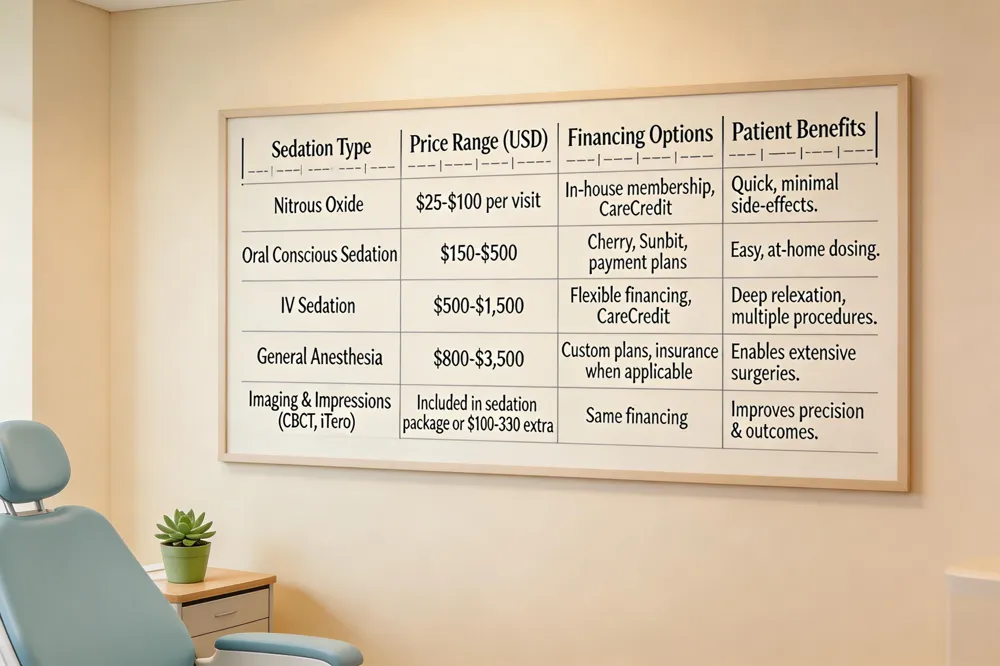 V Dental offers a clear pricing structure for sedation dentistry that matches the level of care you need. Nitrous‑oxide “laughing gas” runs $25‑$100 per visit, oral conscious sedation $150‑$500, IV sedation $500‑$1,500, and general anesthesia $800‑$3,500 for extensive surgeries. Prices reflect procedure length, monitoring requirements, and any additional imaging such as CBCT 3‑D scans or iTero digital impressions. To keep sedation affordable, the practice provides flexible financing options—including Cherry and Sunbit plans—and works with most dental insurance carriers throughout Live Oak and neighboring communities.
Patient testimonials consistently highlight reduced anxiety, painless experiences, and the convenience of completing multiple treatments in a single appointment. Many patients report that the amnesic effect of sedation eliminates memory of discomfort, increasing willingness to return for regular cleanings and restorative work.
Convenient scheduling is available Monday, Tuesday, and Friday (8 AM‑5 PM), and V Dental serves patients from San Antonio, Schertz, Selma, and Cibolo, ensuring easy access to sedation services. The combination of sedation and advanced technology streamlines complex procedures, leading to higher treatment adherence and better long‑term oral health outcomes. If you’re afraid to go to the dentist, V Dental’s gentle sedation options and personalized care plans can help you overcome fear and achieve a healthier smile.
Practical Guidance: Preparation, Monitoring, and Recovery
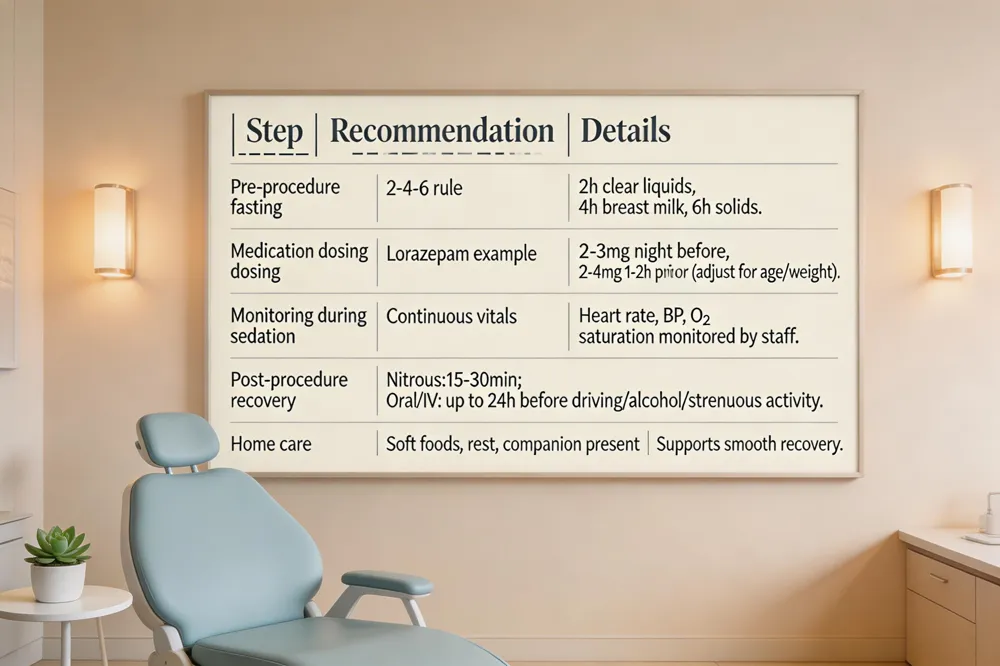
| Step | Recommendation | Details |
|---|---|---|
| Pre‑procedure fasting | 2‑4‑6 rule | 2 h clear liquids, 4 h breast milk, 6 h solids. |
| Medication dosing | Lorazepam example | 2‑3 mg night before, 2‑4 mg 1‑2 h prior (adjust for age/weight). |
| Monitoring during sedation | Continuous vitals | Heart rate, blood pressure, O₂ saturation monitored by staff. |
| Post‑procedure recovery | Nitrous: 15‑30 min; Oral/IV: up to 24 h before driving/alcohol/strenuous activity. | |
| Home care | Soft foods, rest, companion present | Supports smooth recovery. |
 IV sedation dentistry what to expect
When you choose IV sedation at V Dental, a small IV line is placed in your arm or hand and a sedative (commonly midazolam) is administered. You remain semi‑awake, breathing on your own, and can follow simple instructions. The dental team continuously monitors heart rate, blood pressure, and oxygen saturation, adjusting the dose as needed. You will feel drowsy, often have little or no memory of the treatment, and will need a responsible adult to drive you home.
IV sedation dentistry what to expect
When you choose IV sedation at V Dental, a small IV line is placed in your arm or hand and a sedative (commonly midazolam) is administered. You remain semi‑awake, breathing on your own, and can follow simple instructions. The dental team continuously monitors heart rate, blood pressure, and oxygen saturation, adjusting the dose as needed. You will feel drowsy, often have little or no memory of the treatment, and will need a responsible adult to drive you home.
Lorazepam pre‑procedure dose Typical adult dosing is 2 mg‑3 mg the night before and 2 mg‑4 mg 1–2 hours before the appointment, with a single 1 mg tablet often used for most cases. Dose is adjusted for age, weight, liver/kidney function, and anxiety level. Children receive weight‑based dosing and older adults usually require a lower amount. Arrange a driver because lorazepam causes drowsiness.
Are you completely asleep during sedation dentistry? No. IV sedation produces a relaxed, twilight state; you stay conscious enough to respond to the dentist while feeling calm and often amnesic.
What is the 2‑4‑6 rule for sedation? Patients must avoid clear liquids for 2 hours, breast milk for 4 hours, and solid foods or other liquids for 6 hours before a conscious‑sedation procedure to reduce aspiration risk.
What is the 2‑2‑2 rule in dentistry? Brush twice daily for at least two minutes, and visit the dentist twice a year for cleanings and exams.
Conscious sedation (PubMed summary) Conscious sedation depresses consciousness while preserving airway reflexes and responsiveness, using agents like nitrous oxide, oral benzodiazepines, or IV midazolam, and is safe when monitored per ADA guidelines.
What drug is used for IV sedation in dentistry? Midazolam is most common; alternatives include propofol, ketamine, dexmedetomidine, and adjunct opioid fentanyl for pain control.
Benefits of sedation dentistry Sedation dentistry reduces anxiety, pain, and gag reflex; allows multiple complex procedures in one visit; improves precision and patient cooperation; and encourages regular dental care.
Post‑procedure recovery expectations Nitrous oxide wears off in 15‑30 minutes; oral or IV sedation may require up to 24 hours before driving, alcohol, or strenuous activity. Soft foods, rest, and a companion for the first 24 hours aid a smooth recovery.
Putting Comfort First for Complex Dental Care
Sedation dentistry is a cornerstone of modern dental care, especially for advanced procedures such as wisdom‑tooth extractions, root‑canal therapy, full‑mouth reconstructions, and implant placements. By reducing anxiety, suppressing the gag reflex, and providing an amnesic effect, sedation lets patients stay still and comfortable, allowing clinicians to work with greater precision and often combine several treatments in a single visit. At V Dental in Live Oak, Texas, Dr. Brandon Villarreal combines this patient‑focused comfort with rigorous safety protocols: every case begins with a thorough medical review, continuous monitoring of oxygen saturation, heart rate, and blood pressure, and the presence of qualified staff ready to intervene if needed. The practice also leverages state‑of‑the‑art technology—CBCT 3‑D imaging, digital X‑rays, intraoral cameras, and the iTero 3‑D scanner—to create personalized, accurate treatment plans that integrate seamlessly with sedation. We invite you to schedule a consultation, explore flexible financing, and experience anxiety‑free, high‑quality dental care tailored to your needs.