Saying Goodbye to Goopy Impressions
For years, the standard approach to capturing dental molds involved messy, physical materials that many patients found stressful. Traditional impressions require biting into bulky trays filled with thick, flavored putty, which often triggers a gag reflex, creates an unpleasant taste, and requires patients to remain still for several minutes while the material sets. According to research published in the PMC, these factors frequently contribute to a less-than-ideal patient experience.
Modern dentistry offers a faster, more comfortable alternative through the intraoral scanner. This handheld, pen-like device uses safe light technology to capture thousands of high-resolution images, which software compiles into a precise 3D model in seconds. Instead of navigating the discomfort of liquid materials, the process is clean, non-invasive, and completed in a fraction of the time.
At V Dental, we prioritize patient comfort by utilizing the iTero scanning system for our restorative and orthodontic procedures. By replacing outdated goopy impressions with this digital technology, we provide a more efficient visit that yields higher accuracy for crown fittings, implants, and clear aligners.
What Exactly Is an Intraoral Scanner?
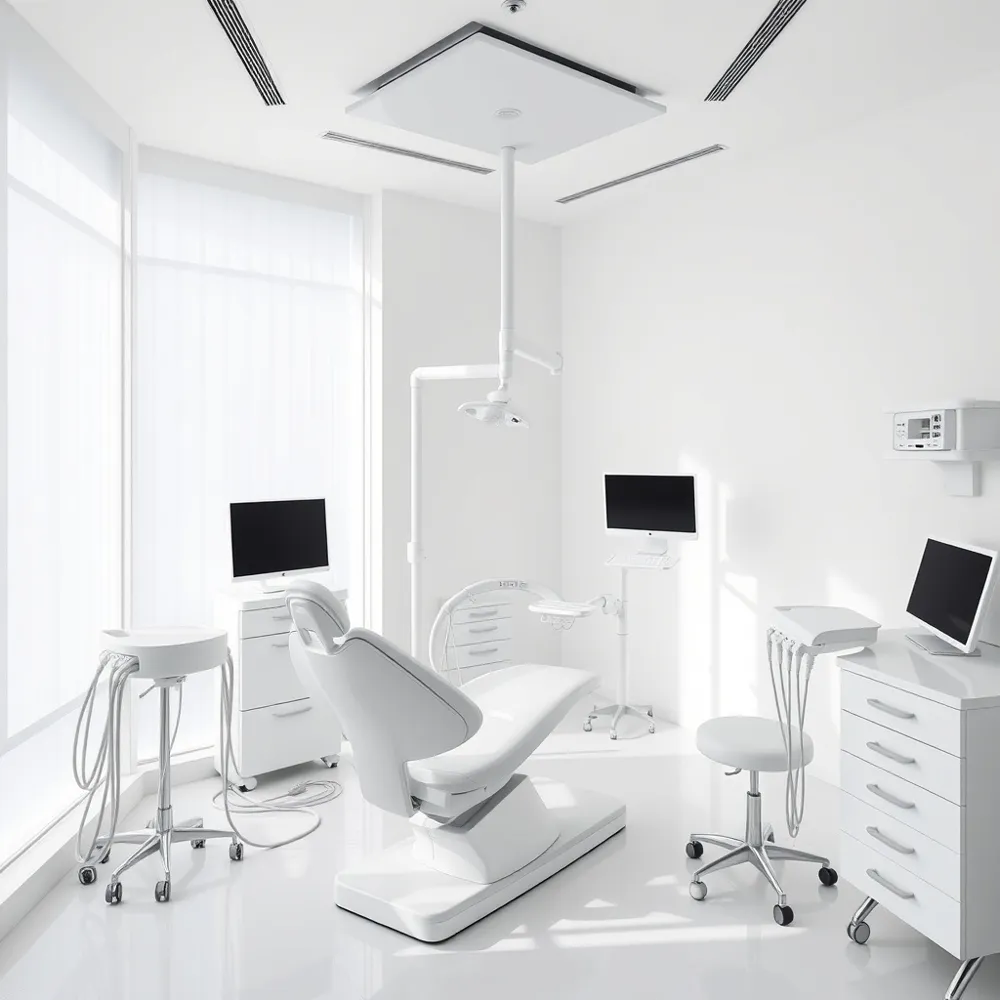 An intraoral scanner is a sophisticated digital tool that captures highly detailed, 3D images of your oral cavity, effectively replacing the need for traditional, messy impression putty. This handheld device functions much like a high-speed camera, utilizing light reflection to collect thousands of individual images per second. By utilizing advanced technologies such as focus scanning, the device automatically adjusts its lens to track depth and create precise 3D measurements from 2D input. While the wand captures this data, projected light patterns create contrast on the tooth surface, which helps the system compensate for the natural translucency of enamel.
Behind the scenes, sophisticated software stitches these thousands of rapid-fire frames together in real time. The process functions similarly to a complex digital jigsaw puzzle, resulting in a precise, color-accurate virtual replica of your teeth and gums. For patients at V Dental, this iTero technology allows for a faster, more comfortable experience without the need for traditional trays. By generating these digital models instantly, our team moves directly into treatment planning, ensuring that custom restorations and appliances are crafted with a level of accuracy that minimizes the need for follow-up corrections. This digital precision provides a seamless transition from the initial scan to the final, tailored result.
Patient Comfort and Clinical Superiority
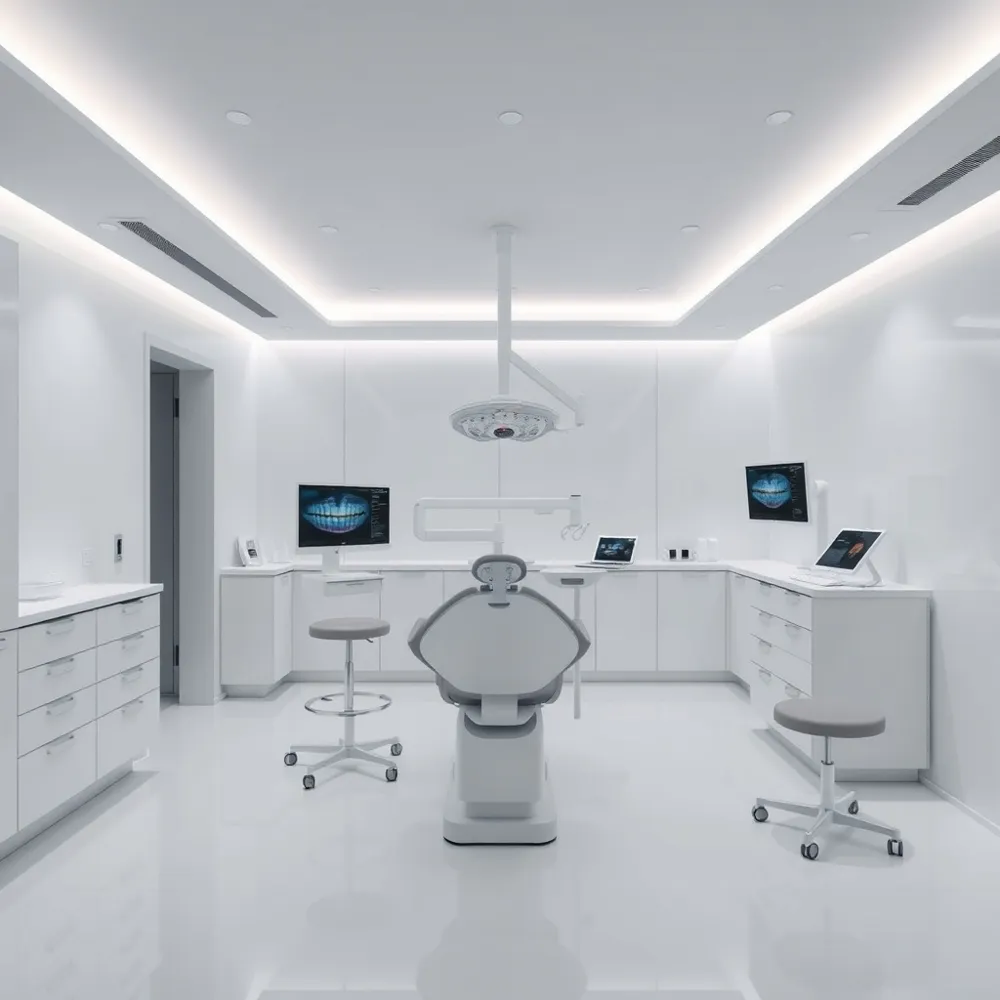 What are the primary benefits of using an intraoral scanner compared to traditional impressions? The primary advantage lies in the vastly improved patient experience. By replacing intraoral scanners for messy, pungent putty and bulky metal trays, practitioners effectively eliminate the most common triggers for gagging and breathing discomfort. Research highlights this shift, with clinical studies showing patients report significantly higher satisfaction, scoring digital methods at 9.03 out of 10 compared to just 6.66 for traditional analog impressions.
Beyond comfort, digital workflows offer superior clinical reliability. Traditional molds are susceptible to dimensional changes such as shrinkage, air bubbles, or distortion during the pouring of stone models, all of which compromise the fit of a restoration. In contrast, digital scanning captures precise anatomical data in real-time, matching standards required for fixed prostheses and complex orthodontic planning. If an area appears insufficient, the dentist can perform a minor re-scan of that specific section instantly, rather than forcing the patient to endure a repetitive, multi-minute molding process.
The V Dental team prioritizes these technological advantages to maintain a high standard of hygiene and care. Because digital scanners utilize removable, sterilizable sleeves rather than reusable trays that require chemical disinfection, the potential for cross-contamination is significantly reduced. This commitment to modern,intraoral scanning technology ensures that your visit remains as efficient and comfortable as possible, allowing for immediate visualization of your dental health on a chair-side monitor.
Speed and Efficiency in the Dental Chair
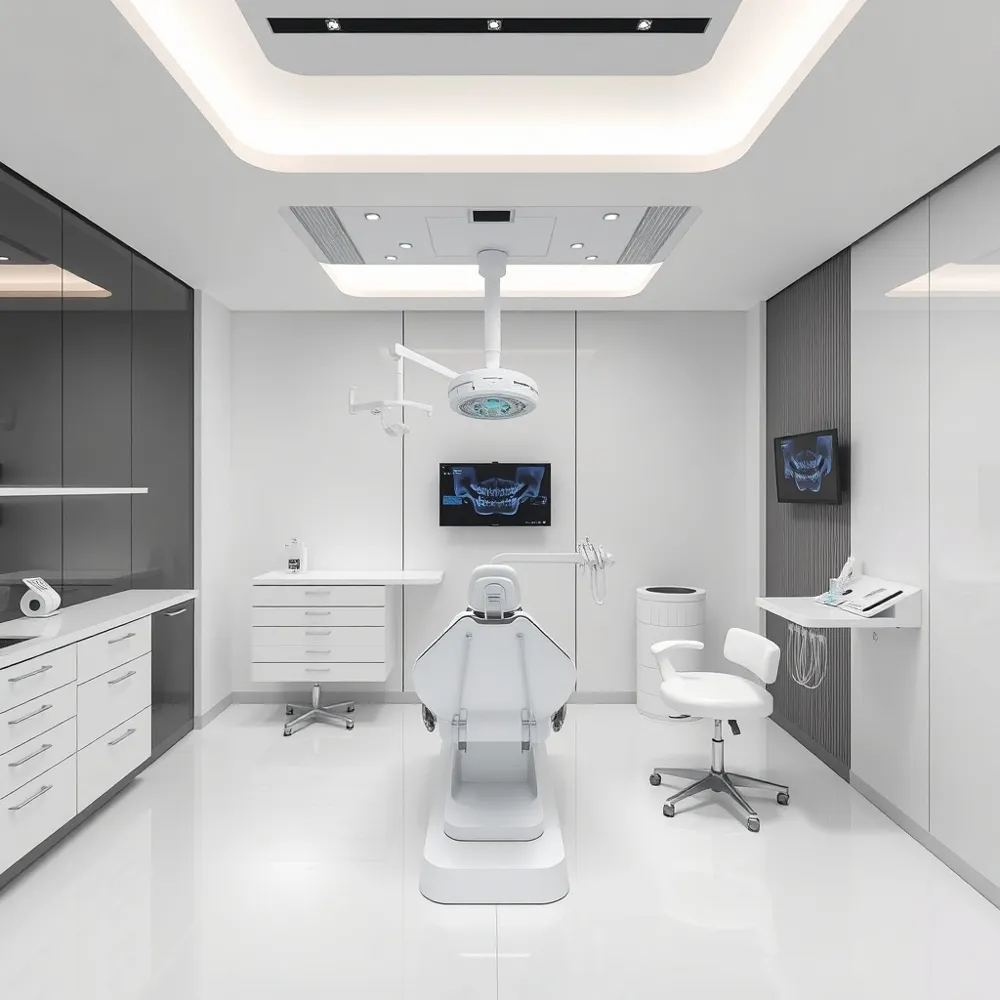 Efficiency remains a defining advantage of digital dentistry, particularly when compared to the prolonged nature of analog methods. Research indicates that intraoral scanning significantly reduces procedure time, with mean working times for digital full-arch scans reaching approximately 12 minutes, compared to 75.5 minutes for conventional impressions per 2023 PMC data.
At V Dental, we leverage this technology to improve the patient experience by allowing for real-time validation. Unlike traditional molds that require a lengthy setting time before a dentist can identify a flaw, digital tools provide instant, three-dimensional views of the dental arch. This allows our team to identify and correct any missing areas or inaccuracies immediately during the visit, ensuring a high level of precision before the patient leaves the chair.
What is the role of technology like the iTero scanner in modern dental practices?
The iTero scanner serves as a cornerstone of modern digital dentistry by replacing uncomfortable, traditional impression materials with highly precise, non-invasive 3D imaging. Beyond capturing accurate dental models, this technology acts as a comprehensive diagnostic aid, using tools to detect interproximal cavities and monitor oral health progress over time per 2024 JPD research. It significantly enhances the patient experience by providing photorealistic visualizations that improve treatment transparency and acceptance. Furthermore, the iTero system streamlines clinical workflows through seamless integration with restorative and orthodontic platforms, such as Invisalign. Finally, it supports modern biosafety protocols by utilizing single-use disposable components to prioritize patient hygiene.
Digital workflows also eliminate the logistics associated with physical materials. Once a scan is complete, files can be transmitted instantly to dental laboratories. This immediate transfer replaces the need for mailing physical stone casts, which drastically reduces the turnaround time for crowns, bridges, and orthodontic appliances while removing the risk of shipping delays or storage-related damage per 2022 research.
Accuracy and Precision Across Applications
The evolution of digital impressions has brought performance levels that often rival or exceed traditional techniques. For standard restorative work, intraoral scanners demonstrate accuracy comparable to conventional methods in short-span clinical scenarios, such as restorations requiring fewer than four units as noted by ScienceDirect. Furthermore, research suggests that approximately 67% of clinical studies indicate improved, micron-level accuracy when compared to analog workflows according to 3Shape.
At www.vdentaltx.com, our team leverages high-precision iTero technology to ensure these benefits translate into reliable clinical outcomes. While some brand-agnostic reviews suggest that traditional methods may still hold an edge for very extensive, long-span prosthetics, modern scanners have become the standard for single crowns, bridges, and Invisalign planning. The precision of these devices is largely defined by trueness, and practitioners must exercise clinical judgment, as performance can vary between models—especially when moving from single-arch to more complex, complete-arch scans.
What factors influence the accuracy and efficiency of intraoral scanning?
The accuracy and efficiency of intraoral scanning are defined by a mix of anatomical complexity, technical variables, and operator technique. Incorporating specific landmarks, such as the palate during maxillary scans, helps maintain stability. For implant cases, the material composition and placement of scan bodies are critical to success. While operator expertise remains vital for complex cases, using advanced 3D imaging tools ensures that final digital models remain well within the clinically acceptable ranges required for high-quality restorations.
Versatility: Beyond Simple Impressions
The utility of a digital intraoral scanner reaches far beyond basic mold replacement. At V Dental, we use this technology to create high-precision foundations for everything from Invisalign clear aligners to restorative crowns and bridges. Unlike traditional methods, digital data integrates seamlessly with CBCT imaging, allowing our team to plan complex implant surgeries with superior anatomical accuracy.
Versatility remains a key advantage when managing intricate dental cases. By capturing precise digital margins, scanners facilitate guided endodontic access and refined implant placement without stressing sensitive abutment components. Furthermore, prosthodontic workflows benefit from the ability to digitally duplicate removable complete dentures, providing a reliable backup without requiring patients to leave their prosthetics at the office.
| Specialty | Clinical Use | Clinical Benefit |
|---|---|---|
| Orthodontics | Aligners/Braces | Predictable tracking |
| Implantology | Surgical planning | Improved accuracy |
| Prosthodontics | Denture copying | Data preservation |
| Endodontics | Access planning | Guided precision |
Patient Education and Treatment Acceptance
The integration of intraoral scanners into private practices like V Dental allows for real-time, 3D visualization that fundamentally shifts how patients interact with their own oral health. Rather than relying on static 2D images or abstract explanations, patients can view high-resolution 3D models of their teeth and gums directly on a chairside screen.
This technology enables highly effective educational tools, such as the iTero system's simulation features. By providing a clear visualization of potential outcomes for procedures like clear aligners, these tools allow patients to see a projected before-and-after view of their smile, which often increases treatment acceptance compared to traditional counseling methods.
Beyond initial consultations, tracking periodontal health and tooth movement over time becomes more transparent through comparative 3D scans. The ability to use monitoring features like TimeLapse to show progress forecasts empowers patients to take an active role in their care. By seeing objective evidence of their dental condition and the benefits of proposed interventions, patients are better equipped to make informed decisions about their treatment plans.
Making the Switch: What Practices Consider
Adopting digital impression technology such as an intraoral scanner requires a clear assessment of long-term practice goals. While the initial investment for hardware and staff training represents a notable entry cost, practitioners often see a positive return on investment by eliminating recurring expenses for physical impression materials, stone casts, and shipping logistics 3Shape.
Efficiency gains allow many clinics to offset these costs relatively quickly. Modern scanners are increasingly intuitive, enabling dentists to delegate scanning procedures to trained staff, which frees up chair time for more complex clinical tasks. When selecting a device, practices must consider whether they require an open or closed system to ensure seamless compatibility with their existing laboratory partners.
The rapid pace of innovation helps future-proof today's dental office. Emerging capabilities like AI-enhanced diagnostics and wireless scanning hardware continue to expand the utility of digital data. By integrating these systems, a practice ensures that it remains at the forefront of clinical precision while simplifying the transition from messy analog methods to a more sustainable, digital workflow.
The Clear Future of Dental Impressions
The transition from traditional putty impressions to digital intraoral scanning represents a clear win for patient comfort, clinical accuracy, and practice efficiency. Modern scanners have moved beyond luxury status to become a standard of care in dentistry.
At V Dental, we use the iTero scanner to deliver a faster, more comfortable experience while ensuring precise results for treatments like crowns, aligners, and implants. If you are ready for a modern dental visit, schedule your appointment today.