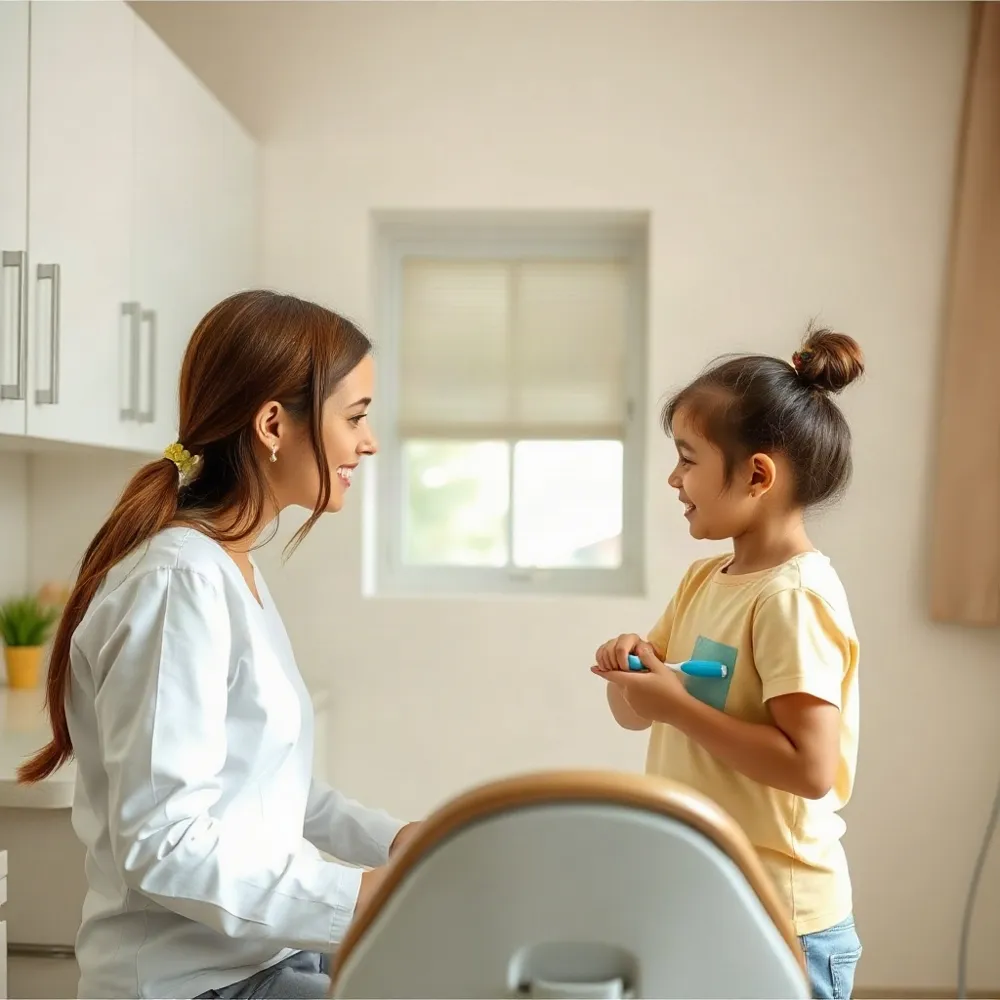
Start Early for a Lifetime of Healthy Smiles
Cavities are the most common chronic disease of childhood in the United States, and they are nearly entirely preventable. More than half of children aged 6 to 8 have had a cavity in at least one baby tooth. Left untreated, cavities can cause pain and infections that interfere with eating, speech, play, and learning.
Starting simple preventive habits early changes those numbers. Brushing twice daily with fluoride toothpaste reduces decay risk significantly. Families in Live Oak can build those habits at V Dental, where Dr. Brandon Villarreal tailors care for every age.
When to Begin Oral Care for Your Baby
 Oral care should begin before the first tooth appears. After each feeding, gently wipe your baby's gums with a soft, damp cloth to remove milk residue and bacteria that can cause cavities.
Around six months, when the first tooth emerges, switch to a soft-bristled baby toothbrush with plain water. For children under two years, consult your dentist before using fluoride toothpaste. Brushing twice daily from this stage helps prevent early childhood caries.
The American Academy of Pediatrics recommends a first dental visit by the baby's first birthday or within six months of the first tooth — think of it as a well-baby check for teeth. This visit catches early signs of trouble and allows you to ask your dentist about applying fluoride varnish as soon as the first tooth appears, which can prevent one-third of cavities in primary teeth.
Equally important is avoiding baby bottle tooth decay. Never let a child fall asleep with a bottle containing milk, formula, or juice; if they need comfort during sleep, offer plain water or a pacifier instead.
Brushing and Flossing by Age
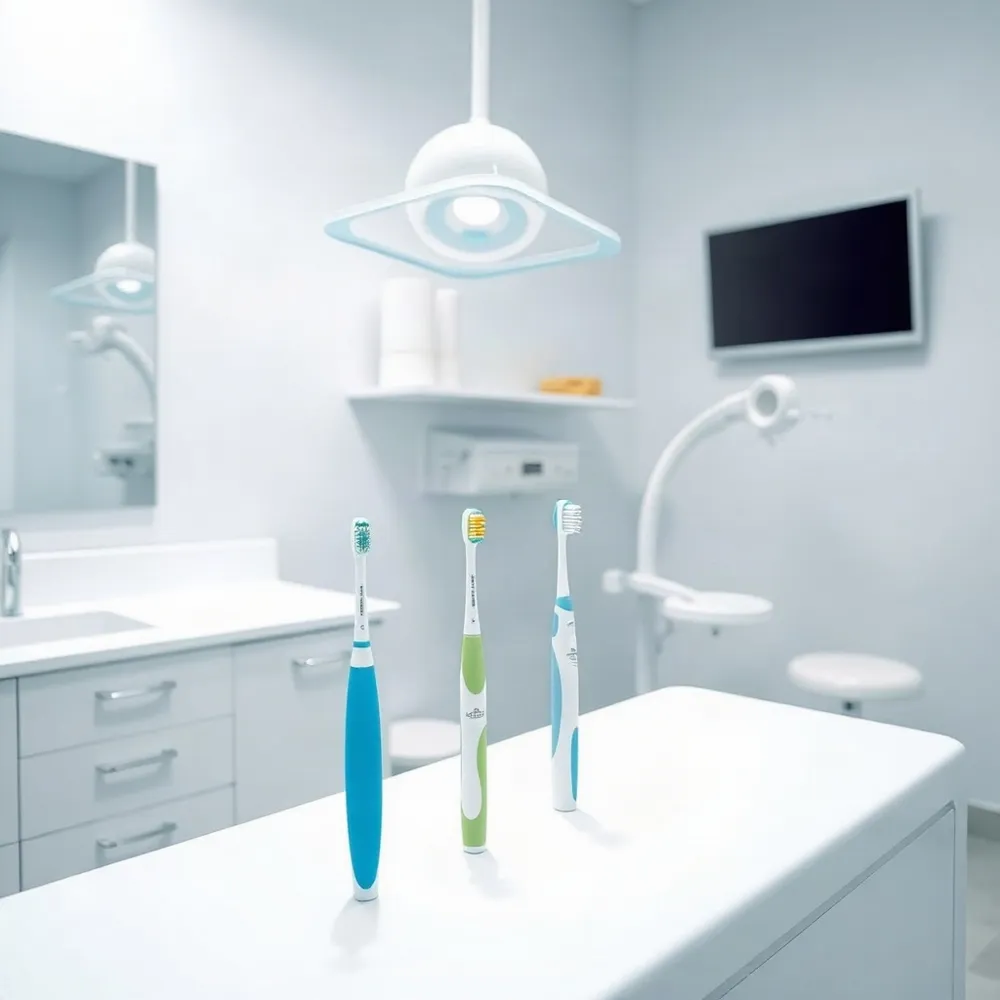 Adjusting brushing techniques and toothpaste amounts as a child grows helps protect teeth at every stage. The right approach changes from infancy through the elementary school years.
Under 3 Years Old
Before teeth appear, wipe your baby's gums with a soft, clean cloth twice a day to remove bacteria and sugars. Once the first tooth emerges, brush twice daily with a soft-bristled baby toothbrush and plain water. The CDC advises consulting your dentist before using fluoride toothpaste for children under 2 years old. If recommended, use only a smear of fluoride toothpaste the size of a grain of rice.
Ages 3 to 6 Years
Children aged 3 to 6 should use a pea-sized amount of fluoride toothpaste when brushing twice daily for two minutes. Parents should supervise brushing closely, teach the child to spit out the toothpaste instead of swallowing it, and help ensure all tooth surfaces are cleaned.
Ages 6 to 10 and Beyond
KidsHealth notes that children around age 6 can start using a fluoride mouthwash if they can rinse and spit reliably. Around age 7 — often called the "Rule of 7" in pediatric dentistry — children typically lose their first baby teeth as permanent molars begin to erupt.
Flossing should begin as soon as two teeth touch each other (usually between 8 and 12 months). Children need help with flossing until about age 10; pre-threaded floss sticks can make it easier. By age 10 or older, most children can brush and floss on their own but still benefit from reminders to brush for two minutes twice daily and floss once a day.
Diet and Habits for Strong Teeth
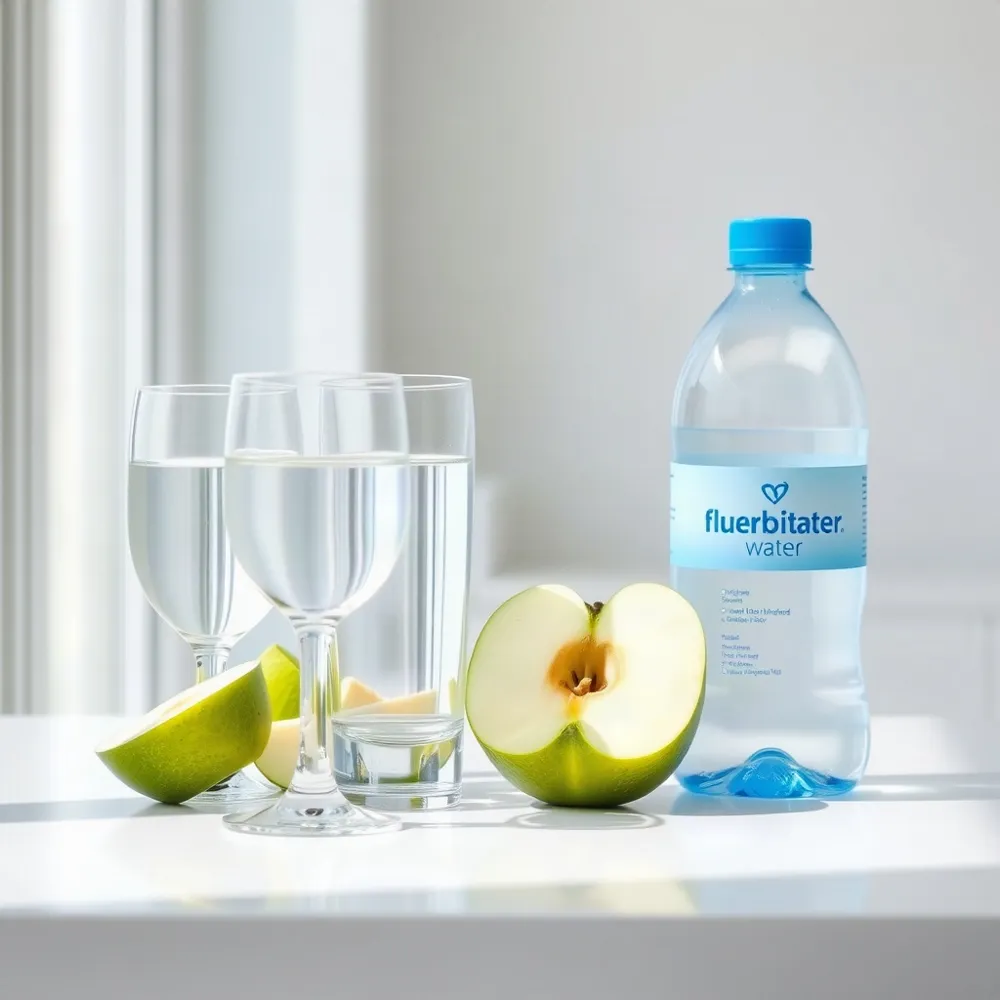 What children eat and drink directly affects their risk of cavities. Foods and beverages that are high in sugar feed the bacteria in the mouth that produce acid, which attacks tooth enamel. According to the CDC, children who limit sugary snacks and drinks have fewer cavities. Serving sweets as part of a meal, rather than as standalone snacks, helps because the extra saliva produced during meals rinses away some of the sugar and acid.
Smart Drink Choices
Water, particularly fluoridated tap water, is the best drink for children between meals. The CDC notes that children in communities with fluoridated tap water have fewer cavities. Fruit juice should be limited and never given in a sippy cup for prolonged periods, as the sugar bathes the teeth in acid. A bottle or sippy cup containing anything other than water should never be taken to bed, since the sugars in milk, formula, or juice pool in the mouth overnight and dramatically increase cavity risk.
Tooth-Friendly Foods
Certain foods actively support strong teeth. Dairy products like cheese and yogurt are rich in calcium and help neutralize acid. Crunchy vegetables such as celery and carrots stimulate saliva flow, which naturally washes away food particles. Raw onions contain antibacterial sulfur compounds that can help control oral bacteria, and green tea provides catechins that slow the growth of cavity-causing bacteria. At V Dental, Dr. Brandon Villarreal and the team help families understand how simple dietary swaps can strengthen a child's smile.
Hidden Risks: Sticky Snacks and Smoke
Sticky, sugary foods like candy, fruit roll-ups, and dried fruit cling to teeth and keep feeding bacteria long after the snack is finished. Limiting these items and encouraging children to rinse with water after eating them can reduce their harm. Another often-overlooked factor is secondhand smoke: KidsHealth reports that children exposed to secondhand smoke are more likely to develop cavities. Keeping the home and car smoke-free creates a healthier environment for both teeth and overall health.
| Food / Drink | Effect on Teeth | Best Practice |
|---|---|---|
| Water (fluoridated) | Strengthens enamel, rinses away food | Drink between meals and at night |
| Milk / Formula | High in sugar; can pool in mouth | Do not serve in bottles at bedtime |
| Fruit juice | Baths teeth in sugar | Limit to 4 oz/day for toddlers; serve in a cup at mealtimes |
| Cheese / Yogurt | Neutralizes acid; provides calcium | Serve as a healthy snack |
| Crunchy vegetables | Stimulate saliva, clean teeth | Offer raw as a snack |
| Sticky candy / dried fruit | Cling to teeth, feed bacteria | Avoid or limit; rinse with water after |
| Onions / Green tea | Antibacterial compounds | Serve fresh onions; offer unsweetened tea |
| Soda / sports drinks | High sugar and acid | Avoid entirely; choose water instead |
Preventive Treatments and Professional Care
Professional care goes beyond what a toothbrush can reach. Fluoride varnish, applied as soon as the first tooth appears, can prevent one-third (33%) of cavities in baby teeth. The CDC notes that children who brush daily with fluoride toothpaste and drink fluoridated tap water have consistently fewer cavities than those who do not.
Sealants and Fluoride Treatments
Dental sealants are a highly effective, painless tool. When applied to the chewing surfaces of the back teeth, they prevent 80% of cavities for many years. At V Dental, the team can apply sealants and offer in-office fluoride treatments during a routine visit, adding a protective layer that strengthens enamel. These treatments, paired with the practice's digital X-rays and thorough cleanings, help catch early signs of decay before they become problems.
Building a Checkup Schedule
The American Academy of Pediatrics and the American Academy of Pediatric Dentistry recommend that a child see a dentist by their first birthday. After that, regular checkups every six months allow the dentist to monitor growth, apply sealants, and reinforce good habits at home. For families using Medicaid or CHIP, the Insure Kids Now Dentist Locator can help find a participating provider nearby.
A child's smile looks healthy when the enamel is smooth and white, without any chalky spots or discoloration, and the gums are pink and firm rather than red or bleeding. Regular exams, such as those offered at V Dental, confirm that teeth and gums are developing as they should.
Products and Tools That Make Brushing Fun
The right products can transform a daily chore into something children look forward to. Soft-bristled age-appropriate toothbrushes are gentle on gums and enamel, and letting children pick their own character-themed brush immediately boosts their willingness to participate.
Fluoride toothpaste is essential. For children aged 3 and older, use a pea-sized amount. For children under 2, parents should consult their dentist or doctor before introducing fluoride toothpaste. Choosing a kid-friendly flavor can also make the experience more pleasant.
Flossing becomes simpler with kid-friendly flossers or interdental brushes, which are easier for small hands to maneuver. Around age 6, children who can reliably rinse and spit may benefit from an alcohol-free mouthwash, though parents should always ask their dentist first.
Beyond the tools themselves, small activities keep children engaged. A two-minute brushing song or timer, a reward chart with stickers, and brushing together as a family all build consistency without pressure. Products like TePe Kids toothbrushes and flavored toothpastes are designed with these habits in mind, making daily routines feel like play.
Making Dental Visits Positive and Effective
Setting a positive tone for dental visits starts early. The American Academy of Pediatric Dentistry and the American Academy of Pediatrics recommend that a child sees a dentist and establishes a dental home by their first birthday. These early visits are designed to be educational rather than clinical, with the baby sitting on a parent's lap for a brief oral exam. They provide an opportunity to review habits like fluoride use, thumb sucking, and feeding routines, and they help avoid the stress of scrambling to find a dentist after an injury.
After that first visit, regular checkups every six months help catch problems early and allow children to become comfortable with the dental environment. V Dental offers gentle pediatric care in a setting designed to put young patients at ease. The practice uses modern technology such as digital X‑rays, CBCT 3D imaging, and iTero 3D scanning, which enable accurate exams with less radiation and greater comfort than traditional methods.
When to Call the Dentist Between Visits
Some situations require a call before the next scheduled checkup. Contact a dentist if a child has tooth or gum pain, a broken tooth, dark or light spots on teeth, or if a tooth falls out due to a fall or injury. Discoloration or white spots on the teeth can signal early decay, while persistent bad breath or bleeding gums may indicate gum issues.
If a child knocks out a tooth, keep it moist by storing it in milk (do not wipe it clean), handle it as little as possible, and see a dentist immediately. For children who participate in contact sports, wearing a properly fitted mouthguard can prevent many of these injuries from happening in the first place.
Pediatric dental offices often use toys, games, and movies to help children feel relaxed during visits. V Dental's family‑friendly approach, combined with personalized treatment plans and convenient scheduling for Live Oak families, makes it easier to maintain the six‑month checkup habit that supports a lifetime of healthy smiles.
Partnering with V Dental for Lifelong Smiles
Building healthy habits from the start is the best way to protect a child's teeth. Wiping gums before teeth appear, brushing twice daily with fluoride toothpaste, flossing once teeth touch, choosing water over sugary drinks, and scheduling regular checkups all work together to prevent cavities. These steps are simple to start and can become a natural part of any family's routine.
For families in Live Oak, Texas, V Dental makes it easy to put that knowledge into practice. Led by Dr. Brandon Villarreal, the practice provides personalized preventive care for every member of the household. From an infant's first exam to teenage cleanings and sealants, the team focuses on keeping children comfortable while delivering modern dentistry backed by CBCT 3D imaging, digital X-rays, and iTero 3D scanning.
V Dental offers a $99 New Patient Special that includes a routine cleaning, X-rays, and a comprehensive exam. Flexible financing through Cherry and Sunbit helps families manage costs. To schedule your child's visit, call V Dental at their Live Oak office or stop by 7689 North Loop 1604 E, Ste. 106.