Embracing Digital Dentistry at V Dental
At V Dental, located in Live Oak, Texas, Dr. Brandon Villarreal prioritizes patient comfort through a modern, technology-forward approach to family and cosmetic dentistry. By integrating iTero 3D scanning into daily workflows, the clinic has shifted away from the traditional, often uncomfortable methods that many patients associate with dental visits.
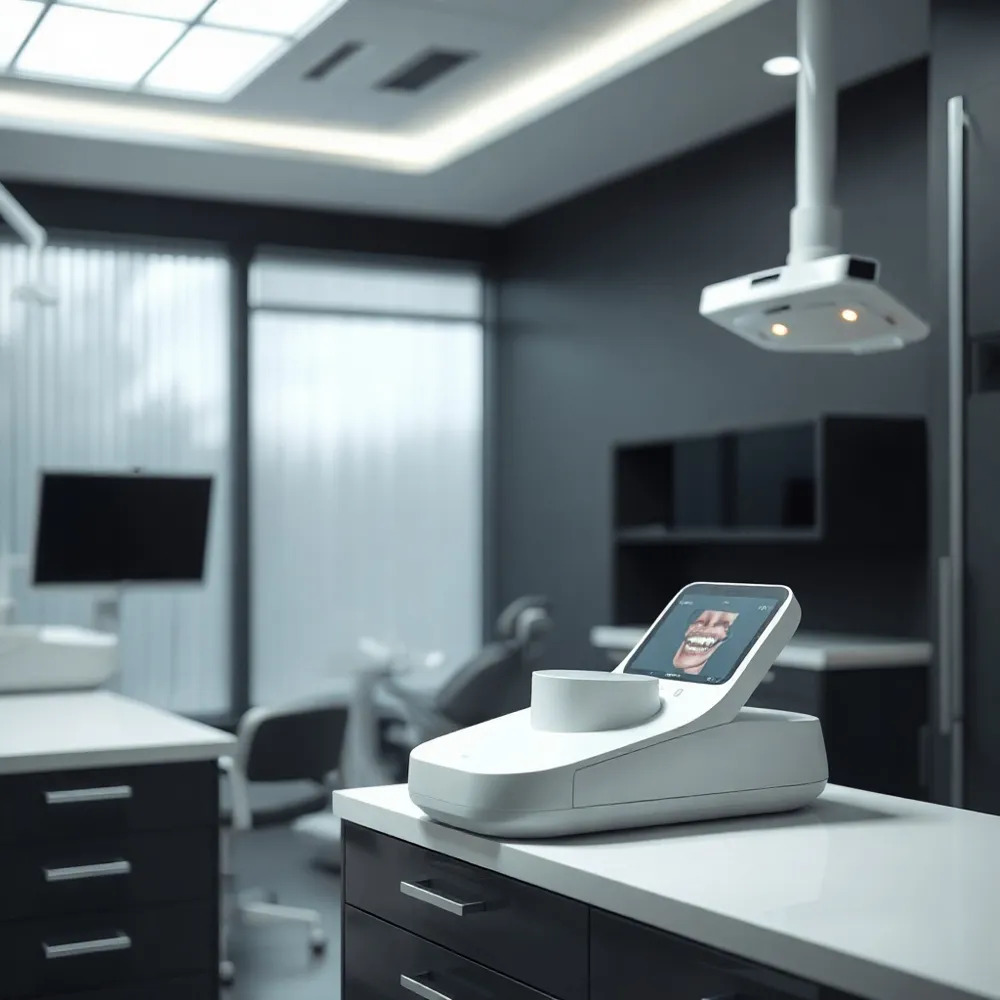
Conventional impression materials can be messy, time-consuming, and frequently trigger a gag reflex. In contrast, digital scanning replaces these physical molds with a non-invasive, wand-like device that captures thousands of high-quality images per second. This transition not only enhances accuracy but also allows for immediate, chairside visualization of a patient's oral health.
Patients at the practice benefit from a more personalized experience, as they can view detailed 3D models of their own teeth during treatment planning. This increased transparency fosters better dialogue between the clinician and the patient, ensuring that every individual understands their care plan clearly. Through the use of advanced diagnostic tools like CBCT 3D imaging, the team maintains its commitment to precision and patient-centered service in every procedure.
Understanding Digital Impressions and Advanced Imaging
What is digital imaging in dentistry and how does it work?
Digital imaging in dentistry refers to advanced diagnostic technology that utilizes digital sensors and computer software to capture, view, and store detailed images of your teeth and oral structures. Instead of using traditional, chemical-based film, this process employs an electronic sensor that captures high-resolution data immediately upon exposure. Once the image is acquired, it is instantly transmitted to a computer screen, allowing for faster and more accurate assessments by your dental team. This modern approach is significantly safer for patients, as it reduces radiation exposure compared to traditional methods. Furthermore, these digital files can be easily stored, shared, or enlarged, facilitating clearer communication and more personalized treatment planning.
What are digital dental impressions and how do they differ from conventional methods?
Digital dental impressions are a modern, non-invasive alternative to traditional molds that use advanced intraoral scanning technology to capture precise 3D images of your teeth and soft tissues. While conventional methods require you to bite into trays filled with a bulky, often uncomfortable alginate material, digital impressions use a small, handheld wand to scan your mouth in seconds. This digital process eliminates the need for messy substances and the common discomforts, such as the gag reflex, associated with traditional trays. According to research published in PMC, digital impressions provide a superior patient experience by avoiding the logistical burdens of physical molding materials.
Digital impressions are significantly more accurate because they remove the risks of human error, such as air bubbles or material distortion, inherent in physical molding techniques Digital impression making in dentistry: A review. At V Dental, we utilize this technology, including iTero 3D scanning, to provide a faster, more comfortable experience and highly detailed models for your personalized treatment plans. Unlike traditional setups that require time-consuming manual tasks like pouring plaster models and trimming bases, digital workflows allow for instant review of scan data Intraoral Scanners: Mechanism, Applications, Advantages. This precision ensures a better marginal fit for restorations such as crowns, bridges, and ceramic veneers Accuracy of Digital Impressions for Veneer Restorations.
The Benefits and Safety of Modern Scanning Technology
Are digital dental impressions accurate and safe for patients?
Digital dental impressions are highly accurate and completely safe for patients. By using advanced tools like the iTero 3D scanner, the team at V Dental captures precise, high-definition images of teeth and gums without the need for messy, uncomfortable traditional putty molds. Research confirms that digital workflows offer greater precision than conventional methods, minimizing human error and ensuring an improved fit for restorations and aligners Digital impressions versus conventional.... The process is entirely non-invasive, radiation-free, and eliminates the risk of distortion often associated with physical impression materials Digital impression making in dentistry: A review. This technology allows for immediate chairside assessment, providing a more efficient and comfortable experience for every patient.
What are the benefits of digital dental radiography compared to traditional X-rays?
Digital dental radiography offers significant advantages over traditional film-based X-rays, primarily through a substantial reduction in radiation exposure. These systems provide instantaneous images that appear immediately on a monitor, allowing for a faster and more efficient diagnostic process. Because digital files can be enhanced, zoomed, and adjusted for clarity, clinicians achieve more accurate assessments and fewer retakes Intraoral Scanners: Mechanism, Applications, Advantages.... Furthermore, digital files are stored and transferred easily, facilitating seamless collaboration. By prioritizing these modern imaging technologies, V Dental ensures that the diagnostic process is safer, clearer, and more convenient for all patients.
Why the iTero Scanner is a Game Changer
 The iTero 3D scanner has transformed the patient experience at V Dental by replacing cumbersome traditional molds with a streamlined, digital process. Unlike conventional methods that require messy impression materials which can trigger a gag reflex, this technology uses a precise wand to capture detailed images in seconds Digital impression making in dentistry: A review - PMC - NIH. This shift to digital diagnostics ensures that patients enjoy a far more comfortable visit while benefiting from higher accuracy in their restorative and orthodontic work Digital Impressions Versus Conventional ... - PMC - NIH.
What makes the iTero 3D scanner a preferred tool in modern dentistry?
Clinicians and patients alike favor this system for its immediate, high-definition visual feedback. When Dr. Brandon Villarreal uses the scanner, the real-time 3D models appear on a monitor, allowing patients to clearly see their own dental health and understand necessary treatments, such as cosmetic bonding or dental implants Intraoral Scanners: Mechanism, Applications, Advantages .... This transparency fosters better dialogue and joint decision-making, as patients are no longer looking at abstract physical casts but rather lifelike digital representations of their own teeth.
Beyond communication, the iTero system optimizes internal workflows for complex cases. For patients pursuing Invisalign clear aligners, the scanner enables rapid, accurate mapping of the entire arch, which reduces the time required for treatment planning Accuracy of Digital Impressions for Veneer Restorations - PMC. By eliminating the logistical burden of storing physical impressions or mailing them to labs, the clinic operates with greater efficiency. This integration of technology at V Dental ensures that restorative margins are more precise, ultimately leading to more durable outcomes for crowns, bridges, and veneers.
Clinical Efficiency and Real-World Considerations
What are the benefits of using intraoral scanners in dental practice?
Intraoral scanners provide significant benefits to dental practices by capturing highly detailed, 3D images of a patient's mouth with exceptional accuracy. This advanced technology replaces traditional, often uncomfortable impression methods with a quick, digital process that improves overall patient comfort. The resulting 3D models allow for more precise diagnoses and streamlined treatment planning, which helps dentists create highly personalized care plans. Furthermore, the ability to generate immediate digital replicas enables clearer communication, helping patients better visualize and understand their oral health needs. By integrating these scanners, practices like V Dental can achieve greater clinical efficiency and a more modern, patient-centered experience.
What are the limitations or potential disadvantages of using digital impression systems?
While digital impression systems are highly advanced, they are not infallible and rely heavily on the clinician’s technical skill to ensure accuracy. A primary disadvantage is that scanners can still produce distortions, particularly during complex bite registrations, which may lead to costly remakes or treatment failures if not captured correctly. Users must avoid the misconception that the technology automatically guarantees precision, as operator experience significantly influences scan quality and the efficiency of the digital workflow. Poor scanning technique often results in inaccurate data that can go unnoticed until the lab stage.
Achieving mastery requires continuous training for both the dentist and the dental team to prevent avoidable errors during the scanning process. Maintaining a dry tooth surface is also critical, as moisture can impede the scanner's ability to capture precise data. Ultimately, these systems are tools that require expert clinical judgment and consistent monitoring to achieve the successful outcomes expected at V Dental. By balancing this sophisticated technology with dedicated human oversight, the practice ensures that every digital restoration or alignment plan meets rigorous standards for fit and aesthetics.
Looking Forward to a Digital Future at V Dental
By incorporating iTero 3D scanning, V Dental delivers precise, comfortable care to the Live Oak community. This modern approach replaces messy molds with efficient digital workflows, ensuring every patient receives a personalized treatment plan backed by state-of-the-art imaging technology. We invite you to experience how this commitment to innovation makes your dental visits faster and more predictable, keeping your smile healthy for years to come.