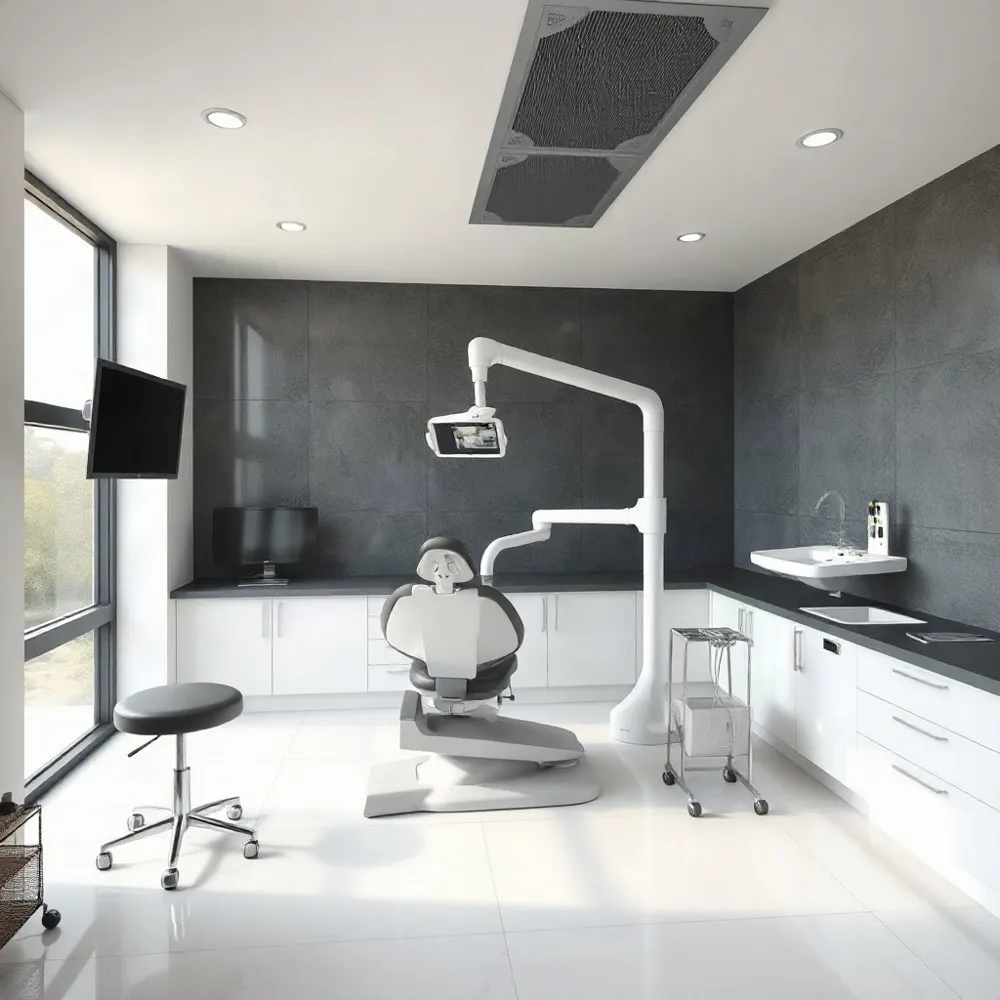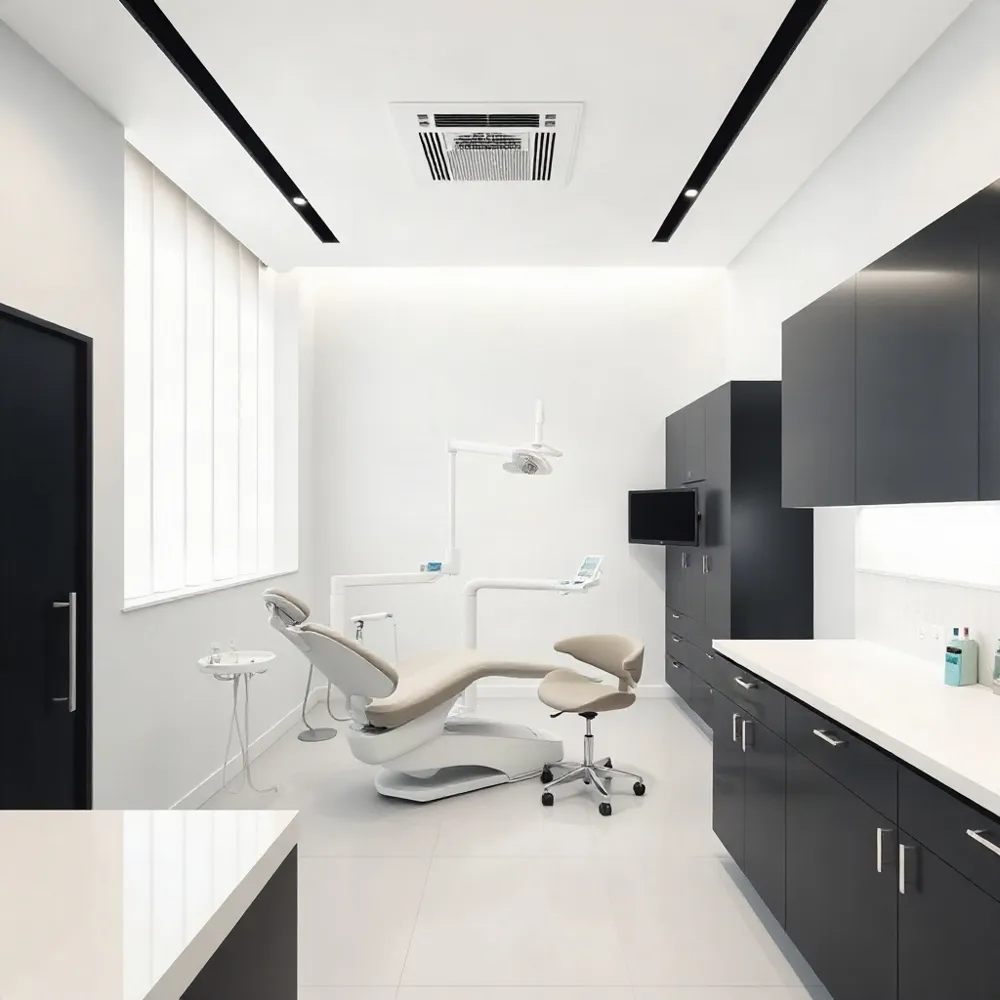
The Foundation of Lifelong Oral Health
Preventive dental care serves as the primary barrier against cavities, gum disease, and bad breath. Beyond maintaining a bright smile, consistent oral hygiene is vital for systemic wellness. Research links poor oral health to serious conditions such as cardiovascular disease, stroke, and diabetes.
At V Dental, Dr. Brandon Villarreal emphasizes that these outcomes are preventable through proactive habits and personalized treatment plans. By integrating modern diagnostic technology with regular checkups, the practice helps patients identify early signs of decay before they require complex intervention. Investing in these routine professional cleanings is a cost-effective way to protect your long-term health and avoid restorative procedures.
Oral Hygiene: Your Body’s First Line of Defense
 Oral hygiene is the daily practice of keeping your mouth, teeth, and gums clean through consistent brushing, flossing, and professional dental care. Beyond preventing common issues like tooth decay, bad breath, and gum disease, it serves as a vital gatekeeper for your entire body, per the National Institute of Dental and Craniofacial Research. Because your mouth acts as a direct entry point to the digestive and respiratory tracts, poor oral health can allow harmful bacteria to reach levels that potentially contribute to systemic conditions, including cardiovascular disease, stroke, and pregnancy complications. By maintaining a clean oral environment, you reduce the risk of infections that could otherwise compromise your overall physical well-being.
The connection between your mouth and your systemic health is supported by extensive research. Inflammation from untreated gum disease has been linked to complications in managing diabetes and increased risk of other inflammatory conditions. Proactive care is far more cost-effective and time-efficient than waiting for restorative or emergency interventions. At V Dental in Live Oak, Texas, Dr. Brandon Villarreal emphasizes personalized treatment plans that go beyond standard checkups to address these underlying risks. Patients can utilize modern tools like CBCT 3D imaging, digital X-rays, and iTero 3D scanning during their visits to monitor their health with precision. Ultimately, prioritizing consistent hygiene at home and regular professional oversight at V Dental acts as a proactive investment in your long-term health.
Your Daily Routine: Brush, Floss, Scrape, and Rinse
 Consistency serves as the foundation for dental health. To maintain a healthy smile, prioritize a routine that encompasses brushing, interdental cleaning, and tongue care. Experts from the American Dental Association emphasize that brushing for two full minutes twice daily with fluoride toothpaste remains the most effective way to lower the risk of cavities and gum disease.
What are the recommended steps and best practices for a daily oral hygiene routine?
Achieving a thorough clean requires attention to detail. Hold your soft-bristled brush at a 45-degree angle toward the gumline and use gentle, circular motions instead of harsh scrubbing to protect your enamel. Because standard brushing cleans only about 60 percent of your tooth surfaces, flossing once daily is non-negotiable. If you find traditional string floss difficult to manage, interdental brushes or other ADA-accepted tools offer excellent alternatives for cleaning tight spaces between teeth.
Your routine should also include tongue cleaning, as this area often harbors significant bacterial loads. After brushing and flossing, rinsing with an alcohol-free, antibacterial mouthwash provides an extra layer of protection. To ensure no plaque is left behind, disclosing tablets can help you identify missed spots until your technique is refined. Patients at V Dental often find that these habits, when paired with professional care, significantly reduce their long-term treatment needs.
- Wait at least 30 minutes after eating acidic foods or drinks before brushing to avoid damaging temporarily softened enamel.
- Use a 'C' shape motion when flossing to effectively clear debris from around each tooth.
- Replace your toothbrush or brush head every three to four months, or sooner if the bristles appear frayed.
- Spit out excess toothpaste after brushing rather than rinsing with water to allow the fluoride to provide maximum protection.
Understanding the 3-3-3 Rule for Toothache Relief
When sudden dental pain strikes, patients often seek immediate relief while waiting for an emergency appointment. The 3-3-3 rule is a temporary strategy for managing inflammation associated with toothaches. This protocol suggests taking 600 mg of ibuprofen, which equates to three 200 mg tablets, three times a day, for a maximum of three days. By reducing swelling around irritated nerves, this approach can help manage discomfort until a professional assessment can be performed.
It is important to understand that this method is strictly a short-term measure to bridge the gap between pain and treatment. It does not address the underlying cause of the pain, such as infection or deep decay, and should never be viewed as a substitute for a dental exam. Patients must also consider their personal health history, as ibuprofen is not suitable for everyone. Those with existing medical conditions or allergies should consult a healthcare provider or the team at V Dental before starting any medication regimen.
Regarding other common queries, there is no universally recognized or clinically standard 50-40-30 rule in modern dentistry. Relying on unverified protocols or attempting to self-manage persistent pain can lead to complications. Dental pain often signals progressive issues that require diagnostic technology like digital X-rays to detect hidden decay. If you are experiencing oral discomfort, the priority should always be scheduling a visit to a professional to determine the exact source of the problem.
Diet and Lifestyle Habits for a Radiant Smile
Your daily habits significantly influence your long-term oral health. Beyond routine brushing and flossing, the food and drink you choose serve as fuel for your teeth and gums. Limiting sugary and acidic items, such as soda and processed snacks, is essential because these substances feed the bacteria that cause tooth decay. When you do consume acidic drinks, using a straw can help minimize contact with your enamel.
Incorporating tooth-friendly options can help strengthen your smile. Calcium-rich foods like cheese, almonds, and leafy greens provide necessary minerals, while crunchy fruits and vegetables like apples and carrots act as natural cleaners by stimulating saliva production. Drinking fluoridated water throughout the day is another simple way to neutralize acids and wash away food particles. Chewing sugar-free gum after meals can further support this defense by boosting saliva flow.
Habits like smoking and excessive alcohol intake are linked to gum disease, enamel erosion, and increased risks of oral cancer. To protect your teeth, it is also important to avoid using them as tools for opening packages or chewing on hard items like ice, which can lead to fractures. At V Dental, we emphasize the importance of these lifestyle choices alongside your professional care. We help our patients in Live Oak develop personalized strategies that integrate these dietary adjustments with modern preventive treatments, such as iTero 3D scanning to track changes in your dental health over time.
- What are some effective tips for maintaining healthy teeth and gums at home?
- To maintain healthy teeth and gums, brush at least twice daily for two minutes using fluoride toothpaste and a soft-bristled toothbrush held at a 45-degree angle. Daily flossing is essential to remove food particles and plaque from between your teeth where a toothbrush cannot reach. Support your oral health by eating a tooth-friendly diet rich in calcium and crunchy vegetables while limiting sugary, acidic, and sticky snacks. Additionally, avoid harmful habits like nail-biting or smoking, and remember to replace your toothbrush every three to four months. Finally, attend regular dental check-ups at V Dental to allow us to detect and treat potential issues early before they become serious.
Professional Care: The Key to Early Prevention
While daily habits provide the foundation for health, regular professional dental exams and cleanings are essential to catch problems before they advance. At www.vdentaltx.com, Dr. Brandon Villarreal and his team utilize advanced CBCT 3D imaging, digital X-rays, and intraoral cameras to identify hidden decay, bone loss, or infections that are invisible to the naked eye.
Preventive dentistry focuses on identifying risk factors through comprehensive assessments. Clinicians perform periodontal screenings by measuring probing depths to monitor for early stages of gingivitis or periodontitis. These appointments also include vital oral cancer screenings to detect early lesions. For patients seeking additional protection, dental sealants can be applied to the chewing surfaces of molars, while professional fluoride treatments help strengthen enamel against future acid attacks.
Personalized treatment plans at www.vdentaltx.com ensure every patient receives care suited to their specific needs. For individuals suffering from bruxism, which can lead to fractures and long-term enamel wear, the practice offers custom-fitted night guards. While many patients follow a standard six-month interval, those with specific risk factors or histories of gum disease may benefit from more frequent cleanings every three to four months to maintain optimal health.
Choosing the Right Tools for Your Routine
Selecting effective dental products starts with the American Dental Association (ADA) Seal of Acceptance, which confirms that a product has undergone rigorous scientific testing for safety and efficacy. When shopping, prioritize a soft-bristled toothbrush to protect your enamel and gums. While manual brushes are standard, many patients find that electric toothbrushes offer superior plaque removal due to higher stroke counts. If you experience limited dexterity, these powered devices are particularly effective at maintaining consistent coverage.
Your choice of toothpaste should prioritize fluoride, which strengthens enamel and resists decay. Patients at higher risk for cavities may benefit from prescription-strength fluoride formulations. For interdental care, traditional floss remains the gold standard for removing biofilm from tight spaces. While water flossers are excellent for dislodging food debris, they do not replace the mechanical action of floss. For those who find flossing challenging, interdental brushes or floss holders are effective, accessible alternatives.
Consistency also requires timely maintenance and verification. Replace your toothbrush or brush head every 3 to 4 months, or sooner if the bristles fray. To ensure you are missing no spots, consider using disclosing tablets that stain lingering plaque, allowing you to refine your technique. Finally, incorporate an alcohol-free antibacterial mouthwash into your routine to reduce bacterial loads without drying out your oral tissues. If you need guidance on selecting the right tools for your specific needs, the team at V Dental can provide personalized recommendations during your next visit.
Tailoring Oral Care for Unique Needs
 Oral health needs evolve throughout a person's life and vary based on medical history. While standard routines provide a strong baseline, certain conditions require a more specialized approach to ensure long-term protection.
Pregnancy. Hormonal shifts often increase the risk of pregnancy-related gingivitis, causing swollen or bleeding gums. Consistent oral hygiene and regular dental checkups are vital during this time to manage inflammation.
Dexterity Challenges. Individuals with arthritis or limited mobility may find traditional brushing difficult. Using adaptive tools like electric toothbrushes, floss holders, or water flossers can ensure thorough plaque removal without requiring complex manual movements.
Dry Mouth. Medications, diabetes, and conditions like Sjogren's syndrome can reduce saliva flow, significantly increasing cavity risk. Staying hydrated and consulting with a dentist about prescription-strength fluoride or specific rinses can help mitigate these effects.
Bruxism. If you wake up with jaw pain or notice worn tooth surfaces, you may be grinding your teeth at night. A custom-fitted night guard is a preventive solution that protects enamel from fractures and alleviates associated jaw tension.
Children. Establishing early habits is essential. Parents should model proper techniques, use a rice-sized smear of fluoride toothpaste for children under three, and discuss dental sealants to protect the chewing surfaces of molars as they emerge.
Beyond these stages, it is important to be wary of shortcuts. The American Dental Association strongly discourages direct-to-consumer or DIY orthodontic kits. These unsupervised treatments carry significant risks of tooth loss, misalignment, and irreversible gum tissue damage that professional orthodontic care is designed to avoid. Furthermore, because smoking is a primary risk factor for gum disease, oral cancer, and enamel erosion, tobacco cessation remains one of the most effective ways to improve your long-term oral and systemic health.
The Path to Lifelong Oral Health
Maintaining a healthy smile requires a commitment to consistent daily habits, including brushing twice a day for two minutes with fluoride toothpaste and daily flossing to remove biofilm. These routine practices serve as the first line of defense against gum disease and decay. Complementing your home care with regular professional exams is essential, as these visits catch issues before they require complex treatment.
At V Dental in Live Oak, Texas, Dr. Brandon Villarreal focuses on a personalized approach to preventive care. By utilizing modern diagnostic tools like CBCT 3D imaging and digital X-rays, the practice creates treatment plans tailored to your specific oral health profile. Scheduling your next checkup ensures you benefit from professional cleanings and early intervention, setting you on a reliable path toward long-term dental wellness.