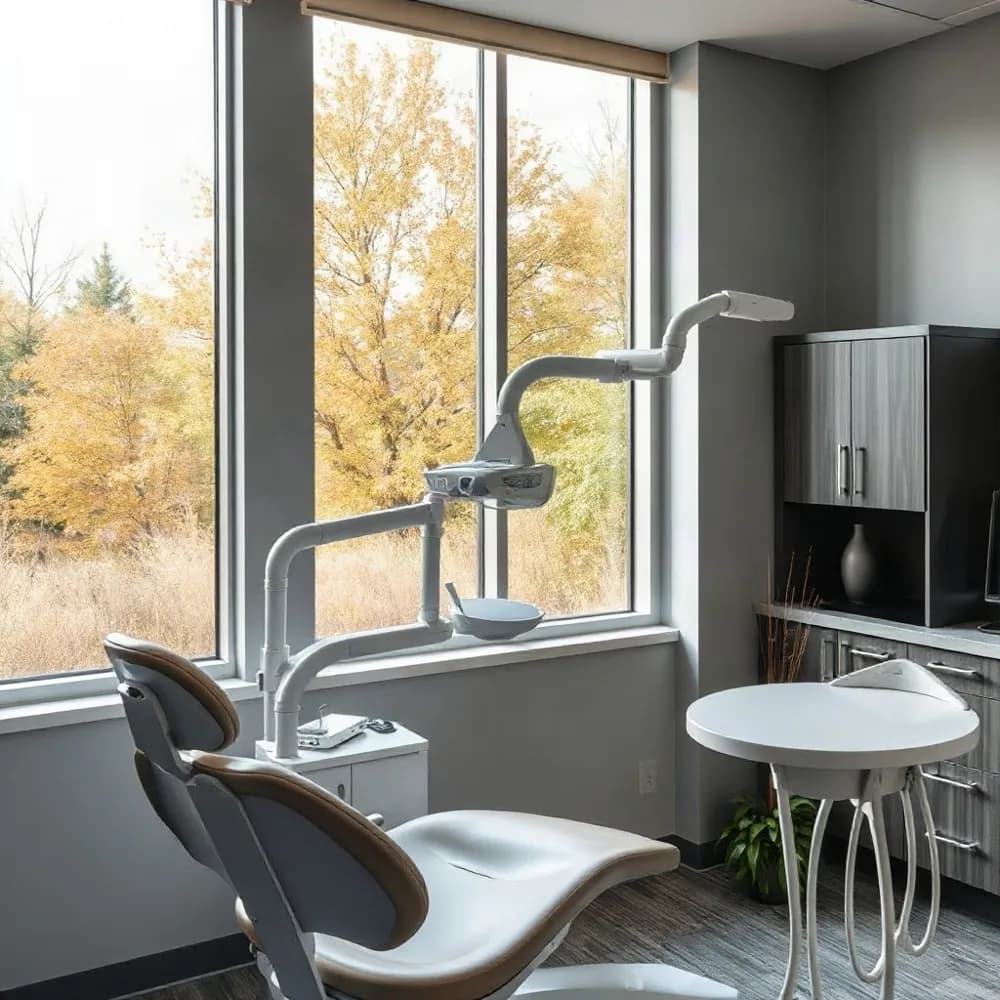
Oral Care Through Every Season
Changing weather and shifting routines can bring different challenges for teeth and gums. Cold air may make existing sensitivity more noticeable, while summer heat and outdoor activity can contribute to dehydration or sports-related dental injuries.
The best response is year-round prevention, not a complete change of routine with every season. Brushing twice daily with fluoride toothpaste and cleaning between teeth each day help control plaque, according to the National Institute of Dental and Craniofacial Research.
Small adjustments can address seasonal needs: drink water regularly in hot weather, consider a mouthguard for contact sports, and use gentle care if cold air triggers sensitivity. At V Dental in Live Oak, preventive visits and personalized treatment planning can help patients address concerns as they arise. This guide covers daily habits, seasonal adjustments, and when to seek dental care.
Build a Consistent Daily Routine
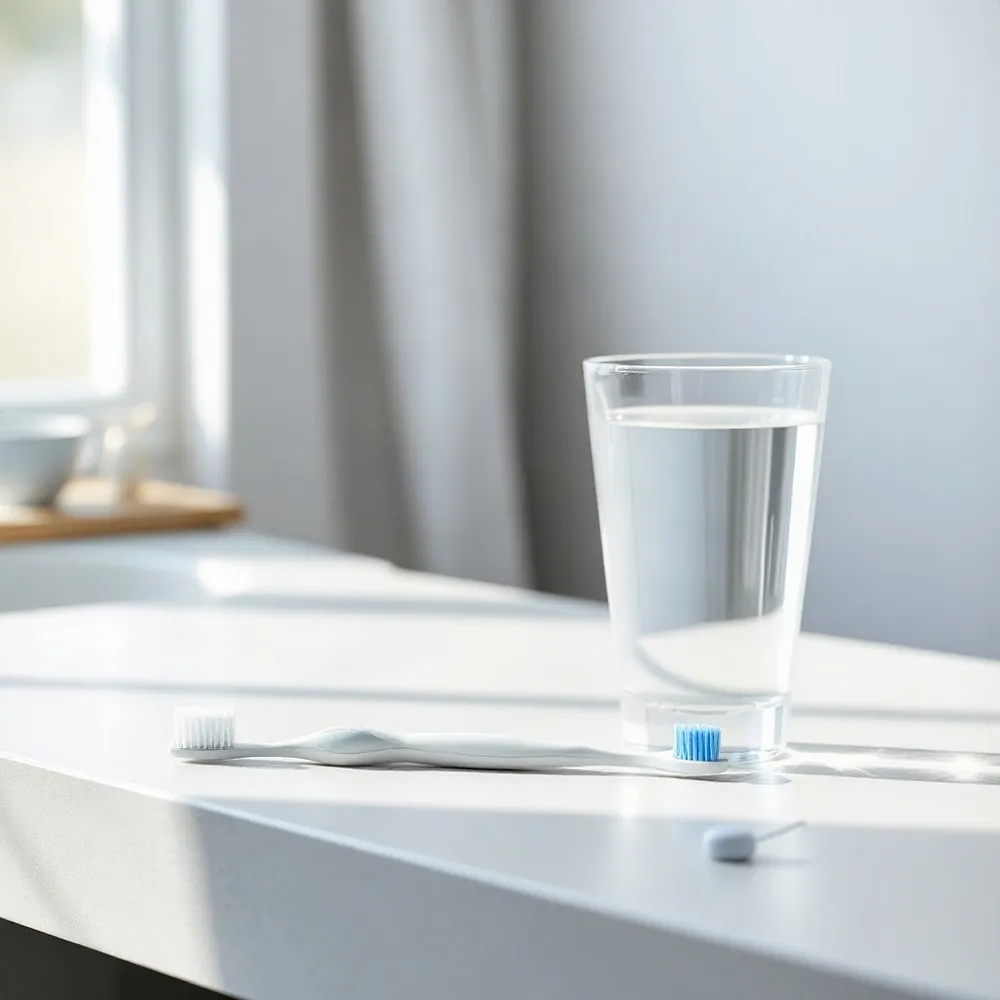 What daily habits help maintain good oral health? Brush twice a day for two minutes with a soft-bristled toothbrush and fluoride toothpaste. Angle the bristles toward the gumline and gently clean every surface of each tooth. The National Institute of Dental and Craniofacial Research’s oral hygiene guidance also recommends cleaning between teeth daily, where a toothbrush may not reach.
Clean between your teeth once a day with floss or another suitable interdental cleaner, then brush and gently clean your tongue. This order is easy to remember, but thorough, consistent cleaning matters more than whether you floss before or after brushing. Spit out toothpaste rather than rinsing with water, which leaves more fluoride on your teeth. Mouthwash may suit particular needs or be recommended by a dentist. Follow its directions, since some rinses are best used at a different time from brushing.
Choose water over sugary drinks, limit frequent sugary or starchy snacks, and avoid tobacco. Rinsing with water after meals can help clear food debris. A balanced diet supports oral health, but no food eliminates the bacteria that naturally live in the mouth. Plaque needs to be removed through daily brushing and cleaning between teeth.
Fiber-rich fruits and vegetables can stimulate saliva, while cheese, milk, and plain yogurt provide minerals that help protect enamel. Unsweetened tea may slow some plaque bacteria, and water helps rinse debris. These foods and drinks complement, but do not replace, a consistent cleaning routine. Regular checkups and cleanings can be tailored to your needs; at V Dental in Live Oak, personalized treatment planning helps connect preventive advice with each patient’s oral health.
Make Prevention Personal
 What counts as preventive dental care? It includes routine exams and professional cleanings, often scheduled about every six months, though the right interval depends on a person’s needs. Visits may include X-rays, checks for cavities and gum disease, and an oral cancer screening. At V Dental, preventive care is part of a broader practice that also offers personalized treatment planning for families in Live Oak.
A dentist may recommend fluoride treatments or sealants when they suit a patient’s risk. Regular checkups can also help identify early decay, since any tooth can develop a cavity and risk is shaped by cleaning habits, diet, fluoride exposure, and saliva. The National Institute of Dental and Craniofacial Research’s oral hygiene guidance explains how plaque buildup contributes to decay and gum disease. New pain, sensitivity, or another concern is a reason to contact a dental professional rather than wait for the next routine visit.
Which teeth are most likely to develop cavities first?
Molars and premolars are often vulnerable because their chewing surfaces have pits and grooves where food and plaque can collect. Their position at the back of the mouth can also make them harder to clean thoroughly. First permanent molars often appear around age six, while children are still developing brushing skills. Partly erupted or hard-to-reach wisdom teeth may be at risk, too, but cavities can form on any tooth.
V Dental’s preventive care and family dentistry give patients a setting to discuss cleaning needs and concerns as children grow. A dentist can assess individual risk and advise whether a child may benefit from fluoride varnish or sealants.
How can parents support good oral health for children?
Wipe an infant’s gums twice a day, then begin gentle brushing as soon as the first tooth appears. Brush children’s teeth twice daily with fluoride toothpaste, supervising and helping until they can brush well on their own. For children under two, ask a dentist or doctor about fluoride toothpaste. The CDC’s oral health tips for adults also reinforce the value of fluoride toothpaste and regular dental visits as part of preventive care.
Arrange a child’s first dental visit by the first birthday and continue with regular checkups. Once teeth touch, clean between them daily. Offer water and nutritious foods, and limit frequent sugary snacks and drinks. A dental professional can tailor guidance on cleaning, fluoride, and whether sealants are appropriate.
Respond to Sensitivity and Tooth Pain

Why might teeth hurt or become sensitive in cold air or when the weather changes?
Cold air or a quick shift between cold and warm temperatures can trigger a brief, sharp twinge. This may happen when worn enamel or receding gums expose dentin, the sensitive layer beneath enamel. Weather can reveal sensitivity or an existing problem rather than directly damage a tooth. Cavities, cracks, worn fillings, and grinding are other possible causes. Try breathing through your nose outdoors. The University of Illinois Chicago College of Dentistry also recommends gentle care for seasonal discomfort.
What can help relieve sensitive teeth?
Use fluoride toothpaste made for sensitive teeth as directed, brush gently with a soft-bristled toothbrush, and limit acidic foods and drinks. Avoid abrasive products. If sensitivity starts after whitening, pause and ask a dentist about alternatives. Depending on the cause, a dentist may recommend fluoride treatment or a sealant. New, persistent, severe, worsening, or single-tooth sensitivity deserves evaluation. At V Dental in Live Oak, personalized treatment planning can help match care to the cause, rather than treating every twinge the same way.
What can I do at home for a toothache or tooth pressure until I see a dentist?
Rinse gently with warm water and floss carefully to clear trapped food. For soreness or swelling, hold a cold compress against the outside of your cheek. If safe for you, take an over-the-counter pain reliever according to its label. Never place aspirin or other pain medicine directly on teeth or gums. Avoid chewing on the affected side and arrange dental care; home measures do not treat the cause. Contact a dentist promptly for severe or persistent pain, swelling, or fever. Seek emergency care for trouble swallowing or breathing. V Dental provides emergency care, so sudden pain can be assessed rather than dismissed.
Adjust Habits for Seasonal Challenges
Seasonal adjustments can help, but they work best alongside daily brushing, cleaning between teeth, and regular dental visits. The National Institute of Dental and Craniofacial Research recommends brushing twice daily with fluoride toothpaste and cleaning between teeth every day.
Cold air and heated indoor spaces can dry the mouth, while winter temperatures may make existing sensitivity more noticeable. Sip water regularly and brush gently with a soft-bristled toothbrush. If cold triggers discomfort, toothpaste for sensitive teeth may help; persistent or worsening sensitivity should be assessed by a dental professional. UIC College of Dentistry also recommends gentle care during colder months.
How can I protect my teeth during summer activities?
Heat and outdoor activity can contribute to dehydration and reduced saliva. Choose water often, and limit frequent sipping of sugary or acidic drinks, which can contribute to decay or enamel erosion. For contact sports, biking, or other activities with falls or collisions, wear a properly fitted mouthguard, as advised by the CDC.
Avoid chewing hard ice, which can chip or crack teeth. Around pools, walk rather than run and avoid diving near hard edges. Rinse with fresh water after swimming; prolonged exposure to heavily chlorinated water may contribute to enamel changes or sensitivity. Keep retainers in a case away from the water.
Travel and changing schedules can interrupt oral care. Pack a toothbrush, fluoride toothpaste, and floss or another interdental cleaner so brushing and flossing remain part of the routine. At V Dental in Live Oak, personalized treatment planning can help tailor preventive advice to individual needs and activities.
Keep Small Concerns From Growing
Daily brushing and flossing help protect teeth in every season, while dental visits give a professional a chance to check for concerns and offer advice suited to your needs. The CDC’s adult oral health guidance recommends regular dental visits as part of preventive care.
Contact a dental professional if sensitivity, pain, or another symptom persists, worsens, or changes. Seasonal adjustments may ease discomfort, but they cannot identify or treat every underlying cause. For personal questions, seek guidance from your own dental professional.
A Healthy Smile All Year
Weather and routines may shift, but steady brushing and flossing, sensible seasonal adjustments, and timely dental guidance remain the foundation of oral care. At V Dental in Live Oak, personalized treatment planning can help address individual needs as they change.