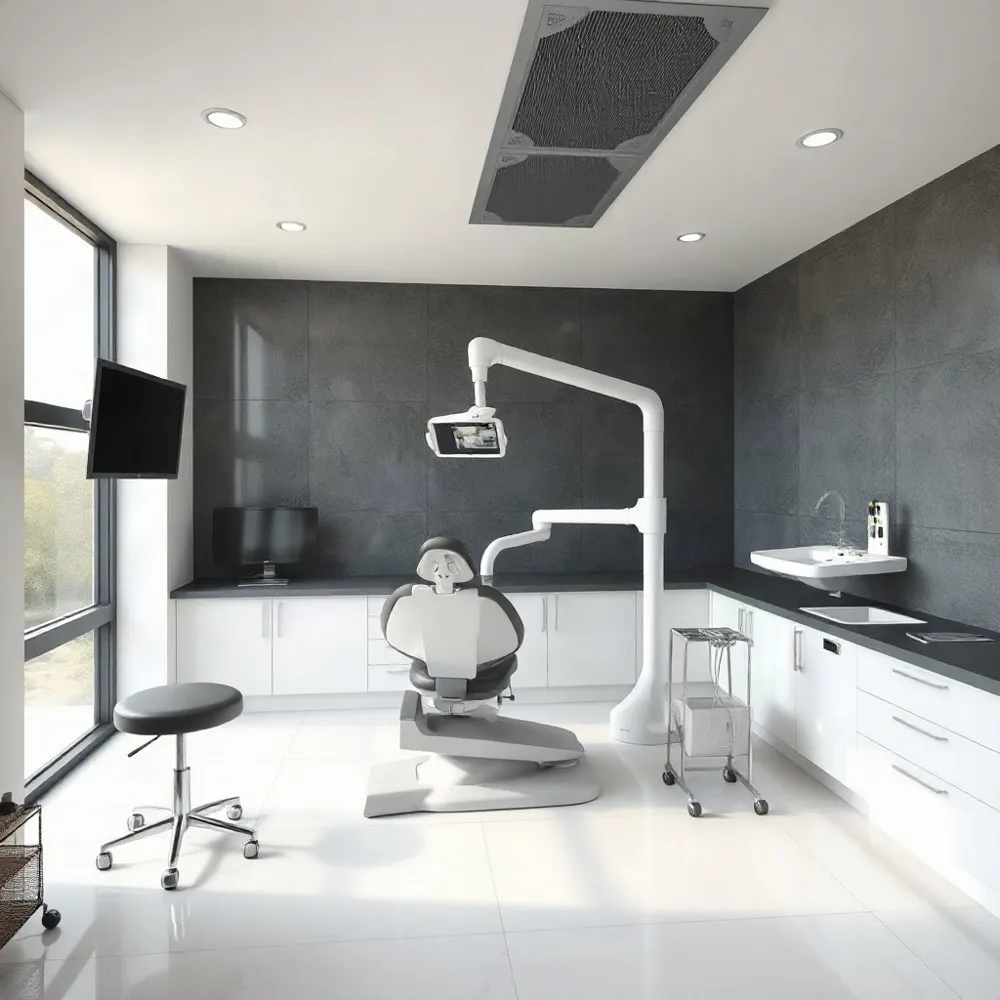
The Power of Proactive Seasonal Dental Care
Moving from a reactive approach to a proactive strategy shifts your oral health focus from fixing problems to maintaining wellness. While many patients wait until pain occurs to visit a dentist, preventative care is a cost-effective strategy; identifying and treating problems early is significantly less expensive than addressing advanced dental issues according to Penn Dental Medicine. At V Dental, we emphasize that consistent exams allow for the detection of issues like cavities and gum disease long before they escalate into painful, complex requirements.
Aligning your check-ups with seasonal rhythms helps you manage the specific environmental factors that threaten your smile. During winter, low humidity and indoor heating can cause dry mouth, while summer often brings an increase in acidic snacks and drinks that soften enamel. By scheduling appointments to coincide with these shifts, you stay ahead of potential damage.
Regular visits allow us to tailor your care to your lifestyle. Whether you need protective measures for seasonal stressors or adjustments to your routine based on new health data, a consistent schedule ensures you are not just reacting to symptoms. As the NHS notes, the interval between your check-ups should be personalized based on your specific oral health status and risk factors.
Standard Check-up Frequencies and Personalized Care
 What is the standard recommendation for how often one should visit the dentist for a check-up and cleaning? While the CDC recommends at least one annual visit, most practitioners align with a six-month interval to maintain optimal hygiene. This cadence provides the opportunity for professional cleanings to remove tartar that resists standard brushing and flossing, which NHS guidance confirms is essential for preventing long-term decay.
Universal six-month scheduling is often treated as a baseline, but modern clinical standards emphasize that your ideal frequency should be dictated by your unique health profile rather than a static rule. A patient's requirements can shift due to changing medical conditions, diet, or hygiene habits. At www.vdentaltx.com, we create customized treatment plans that reflect your specific risk factors, ensuring that your check-up schedule actively supports your long-term oral wellness.
- Active periodontal disease or a history of gum issues.
- Systemic health conditions such as diabetes or Sjogren’s Syndrome.
- Use of tobacco or alcohol products that increase oral health risks.
- Increased susceptibility to cavities due to biological predisposition.
High-risk groups, including pregnant women and individuals managing chronic health conditions, may require appointments every two to six months to prevent complications. Research highlights that proactive monitoring through these frequent, personalized visits is highly cost-effective, often saving significant amounts on later restorative procedures. By relying on professional risk assessments, we ensure your care at www.vdentaltx.com is efficient and tailored to your evolving health needs.
Preventive Care Versus Comprehensive Dentistry
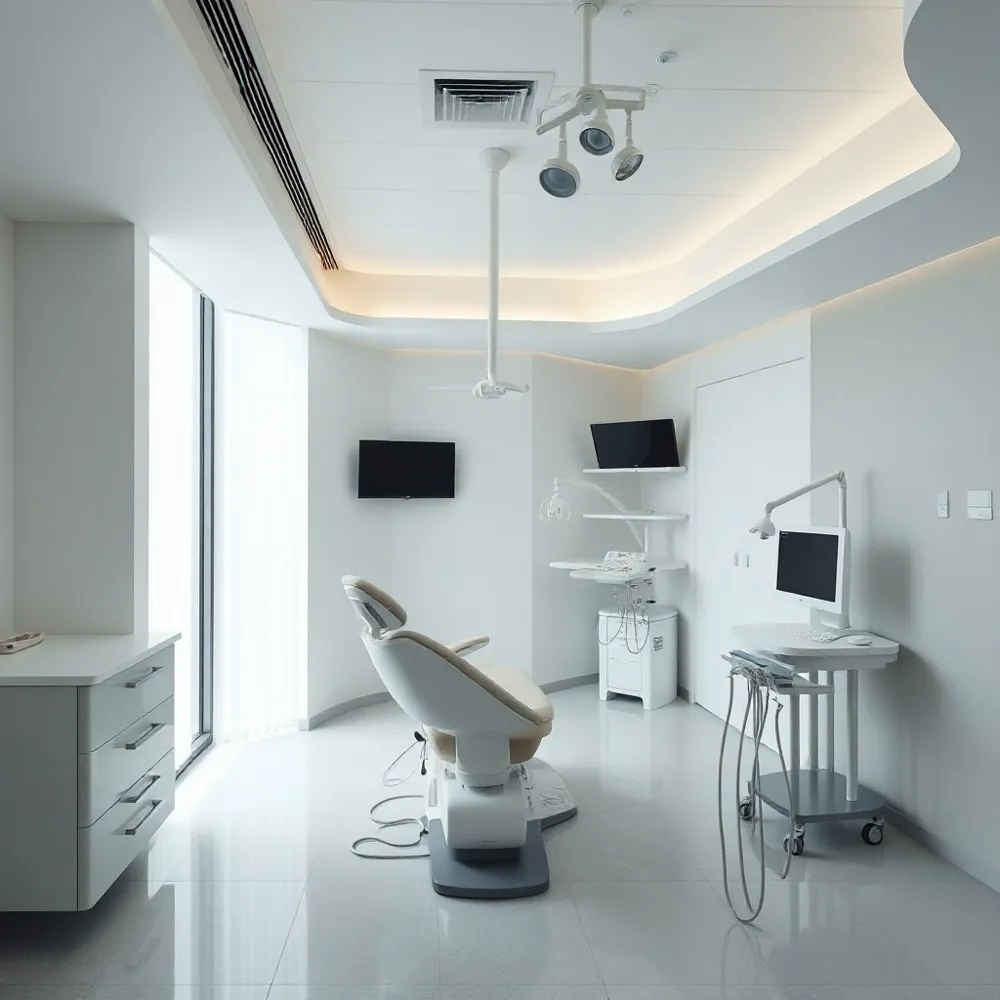 Preventive dental care acts as the foundation of your oral health, focusing on maintaining a healthy smile through regular check-ups, professional cleanings, routine X-rays, and daily home habits like brushing and flossing. Its primary goal is to identify and address potential issues early, preventing conditions such as cavities or gum disease from developing NHS dental check-ups. Research confirms that for every $1 spent on preventive care, patients may save between $8 and $50 on future restorative and emergency procedures The Value of Preventive Oral Health Care | College of Dentistry.
At V Dental, patients benefit from a robust preventive strategy that utilizes modern technology, including digital X-rays and iTero 3D scanning, to monitor oral status before problems escalate. This focus on maintenance helps ensure that complex interventions remain unnecessary for many individuals.
In contrast, comprehensive dental care encompasses a broader spectrum of services designed to address and repair existing oral health problems. This level of care includes restorative procedures like dental implants, cosmetic enhancements such as veneers or bonding, and complex treatments tailored to your specific needs Preventive dental care for all ages. While preventive care keeps your smile healthy, comprehensive care focuses on rehabilitating function and aesthetics once an issue has already occurred.
The transition from maintenance to rehabilitation is often marked by the emergence of persistent symptoms, such as pain or structural damage, which necessitate immediate clinical action The importance of preventive dental visits from a young age. By prioritizing consistent preventive visits, patients can effectively manage their risk factors and minimize the likelihood of requiring major restorative work in the future.
Core Components of Your Regular Check-up
 A standard dental visit at www.vdentaltx.com serves as a proactive defense against oral disease. These appointments begin with a comprehensive clinical exam where the team reviews your medical history and performs a visual assessment of your teeth, gums, and oral soft tissues. During these sessions, providers often utilize modern diagnostic technology like digital X-rays to uncover hidden decay or bone loss that may not be visible during a routine physical inspection NHS.uk. Unlike reactive care, this systematic evaluation allows for early identification of oral cancer and other systemic indicators.
Professional cleanings act as the second pillar of your check-up. While at-home brushing is vital, it cannot remove the hardened tartar that accumulates within two days Penndentalmedicine.org. At www.vdentaltx.com, hygienists meticulously clear this buildup to prevent gingivitis and periodontal disease. Following the cleaning, practitioners may apply fluoride treatments to remineralize compromised enamel. The University of Illinois College of Dentistry notes that such preventive measures are highly cost-effective, saving patients between $8 and $50 in future restorative expenses for every dollar invested.
What are the core components of basic dental care? These visits are built upon a foundation of routine oral examinations, professional cleanings, and diagnostic imaging. By prioritizing these essential services, patients catch issues like Early Childhood Caries or adult gum recession in their earliest stages. This disciplined approach ensures that your long-term oral health remains stable, sparing you from the complications associated with advanced decay or complex surgery.
Navigating Seasonal Challenges for Your Smile
Your oral health requirements change with the seasons, often influenced by environmental shifts and lifestyle habits. During winter, cold air and dry indoor heating frequently trigger tooth sensitivity and dehydration, which reduces the saliva necessary to neutralize acids. At V Dental, we recommend staying hydrated and opting for soft-bristled brushes to protect enamel during these months. Conversely, summer diets often involve a higher intake of acidic beverages like soda or sports drinks that can soften tooth surfaces. Rinsing your mouth with water after consumption helps mitigate this impact.
The autumn season offers a practical opportunity to evaluate your insurance coverage. Because many dental benefits reset at the end of the calendar year, scheduling a check-up at www.vdentaltx.com allows you to utilize your remaining preventive care resources effectively. This proactive approach prevents the common end-of-year rush and ensures your smile remains healthy through the holidays.
What are the common variations of the '2-2-2' and '3-3-3' rules in dental health? The "2-2-2" rule is commonly defined as brushing your teeth twice a day, for two minutes each session, and visiting the dentist twice a year for professional cleanings. Some variations of this mnemonic replace the bi-annual dental visit with the recommendation to replace your toothbrush every two months to ensure effective plaque removal. While less standardized, the "3-3-3" rule is frequently interpreted as brushing your teeth three times a day, for three minutes, and scheduling dental visits every three months, though this higher frequency is often reserved for patients with specific needs like periodontal disease or orthodontic appliances. These guidelines serve as useful frameworks, but they should be viewed as baselines rather than strict universal requirements. Ultimately, your dental team at V Dental can help you determine which of these habits best aligns with your personalized oral health plan.
Consistent daily habits provide the most reliable protection regardless of the season. Brushing twice daily with fluoride toothpaste and cleaning between teeth with floss remain the gold standard for long-term health. While these seasonal adjustments provide helpful guidance, regular professional dental check-ups remain the best way to monitor your specific needs and catch issues before they escalate.
Aging and the Evolution of Your Dental Needs
As we age, our teeth become more prone to damage due to the cumulative effects of years of chewing, grinding, and exposure to acidic foods, which gradually wear down the protective enamel. Furthermore, the dentin layer naturally becomes more brittle over time, reducing its ability to absorb and distribute the force of biting. Gum recession is also common with aging, which exposes the softer root surfaces of teeth to decay and potential structural compromise. These structural changes are often exacerbated by the presence of aging dental work that may require replacement. Because nerve sensitivity can decrease as we get older, these cracks or weakened areas may progress significantly before they cause noticeable pain or discomfort.
Why do teeth become more prone to breakage or damage as we age?
Beyond surface wear, aging brings specific shifts in oral anatomy that require vigilant oversight. Consistent check-ups at www.vdentaltx.com allow for the careful monitoring of older crowns, bridges, and fillings that may reach the end of their lifespan, preventing catastrophic failure of restored teeth. Per NHS guidance, the interval for these assessments is personalized, often becoming more frequent if gum recession or systemic health concerns like diabetes are present.
Patients often find that protective measures evolve alongside these needs. While a younger patient might focus on sealants, an older adult may benefit from targeted fluoride treatments or custom mouthguards to mitigate the stress of nighttime grinding. Proactive care ensures that these age-related changes do not compromise the foundational health required for both function and comfort, a core philosophy in the personalized treatment plans provided by Dr. Brandon Villarreal. Staying ahead of these transitions is a cost-effective strategy, as UIC College of Dentistry notes that every dollar dedicated to early prevention saves significant resources on invasive procedures later.
Reversibility of Damage and Diagnostic Imaging
Is it possible to reverse damage caused by poor oral hygiene?
The potential to reverse oral damage depends heavily on the stage of the condition. In early phases, conditions like gingivitis or minor surface demineralization are often manageable through professional cleanings at V Dental combined with refined home habits. Procedures like scaling and root planing remove the stubborn plaque and tartar that trigger inflammation, allowing the gum tissue to recover. However, when these issues advance to periodontitis or deep cavities, the destruction of bone and tooth structure becomes irreversible. At that point, specialized restorative interventions are required to stabilize the site and prevent further loss.
How do dental X-rays fit into a regular check-up and what is the typical frequency?
Dental X-rays serve as a vital diagnostic tool that allows Dr. Villarreal to identify hidden decay, bone loss, or abnormalities that remain invisible during a standard physical exam. Research from the NHS highlights that early detection via these images makes issues significantly easier to treat before they progress to painful, complex problems. At V Dental, we adhere to the ALARA principle, which stands for As Low as Reasonably Achievable, to ensure radiation exposure remains at the absolute minimum necessary for your diagnostic needs.
There is no universal schedule for imaging, as the frequency is tailored to your specific age, medical history, and current health status. By prioritizing a thorough clinical examination first, the team ensures that every X-ray is justified and supports your personalized treatment plan. Consistent preventive monitoring not only supports long-term oral health but is also more cost-effective than managing advanced disease, with studies from the UIC College of Dentistry indicating significant savings on future restorative procedures for patients who maintain regular care.
Commit to Your Smile Year-Round
Consistency serves as the cornerstone of lifelong oral wellness. By scheduling regular check-ups, you gain more than a cleaning. You secure early detection for asymptomatic conditions and protect your overall systemic health, which research links to a reduced risk of serious issues like heart disease and diabetes.
At V Dental, we utilize advanced technology such as CBCT 3D imaging to tailor treatment plans that address your specific needs. Unlike practices that take a one-size-fits-all approach, we prioritize personalized care to keep your smile healthy across every season. Visit www.vdentaltx.com to book your next appointment and invest in the long-term vitality of your dental health.