Prioritizing Comfort in Pediatric Dental Care
Positive early dental experiences are essential for developing a lifelong habit of good oral health. When children associate the dentist with safety and comfort, they are less likely to develop dental anxiety or avoid necessary treatment as adults. Research published in Pediatric dental sedation: challenges and opportunities highlights that combining pharmacologic agents with non-pharmacologic behavior management is highly effective in reducing overall patient distress.
At V Dental, Dr. Brandon Villarreal prioritizes this balance by offering a range of sedation options tailored to each patient's specific needs. Whether a child requires mild relaxation through nitrous oxide or more profound sedation for complex procedures, the practice ensures that every treatment plan is grounded in safety. By integrating advanced diagnostic tools, such as digital X-rays and iTero 3D scanning, the clinical team can plan procedures efficiently to minimize chair time.
Choosing the right level of support is a collaborative process. According to guidelines from Anesthesia or Sedation for Your Child's Dental Work?, understanding the risks and benefits of each sedative agent is important for informed consent. The team at V Dental is dedicated to keeping parents informed and children calm, ensuring that every visit to the Live Oak office is as smooth and positive as possible.
Understanding Pediatric Sedation Options and Their Benefits
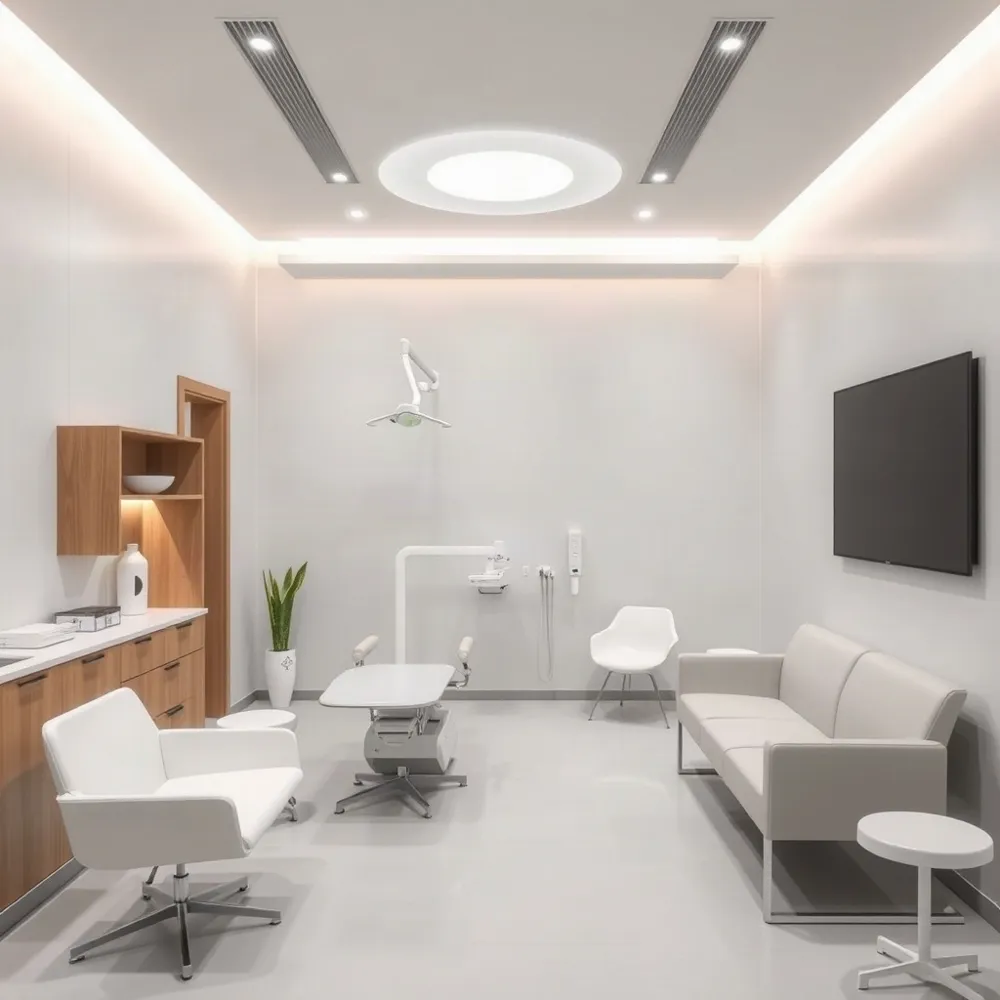 Pediatric dentistry employs a spectrum of sedation methods tailored to a child's specific anxiety levels and the complexity of their dental requirements. By using these tools, practitioners aim to replace fear with comfort and ensure patients can complete necessary care safely and efficiently.
The most common approach is nitrous oxide, a mild sedative delivered through a comfortable nasal mask. This gas allows children to remain awake and responsive while feeling relaxed. For patients with moderate needs, oral medication may be administered before the appointment to promote deeper drowsiness. When procedures are extensive or a child faces severe dental phobia, practitioners may opt for intravenous sedation or general anesthesia, which are typically managed by specialized teams to ensure high levels of safety during deep relaxation Anesthesia or Sedation for Your Child's Dental Work?.
At V Dental, sedation options are integrated into the practice's service offerings to manage patient anxiety and ensure comfort during dental procedures. Dr. Brandon Villarreal and his team carefully assess each child's health history and temperament to determine the safest, most effective path forward. This personalized approach mirrors the standards recognized in professional research, where combining pharmacologic sedation with non-pharmacologic behavior management is proven to reduce overall distress Pediatric dental sedation: challenges and opportunities.
- Reduced anxiety and fear during invasive procedures.
- Increased cooperation, which minimizes movement and enhances surgical safety.
- Ability to complete multiple procedures in one visit, reducing the number of total appointments required.
- A positive dental experience that helps prevent future avoidance of essential oral health care.
Clinical Indications for Recommending Sedation
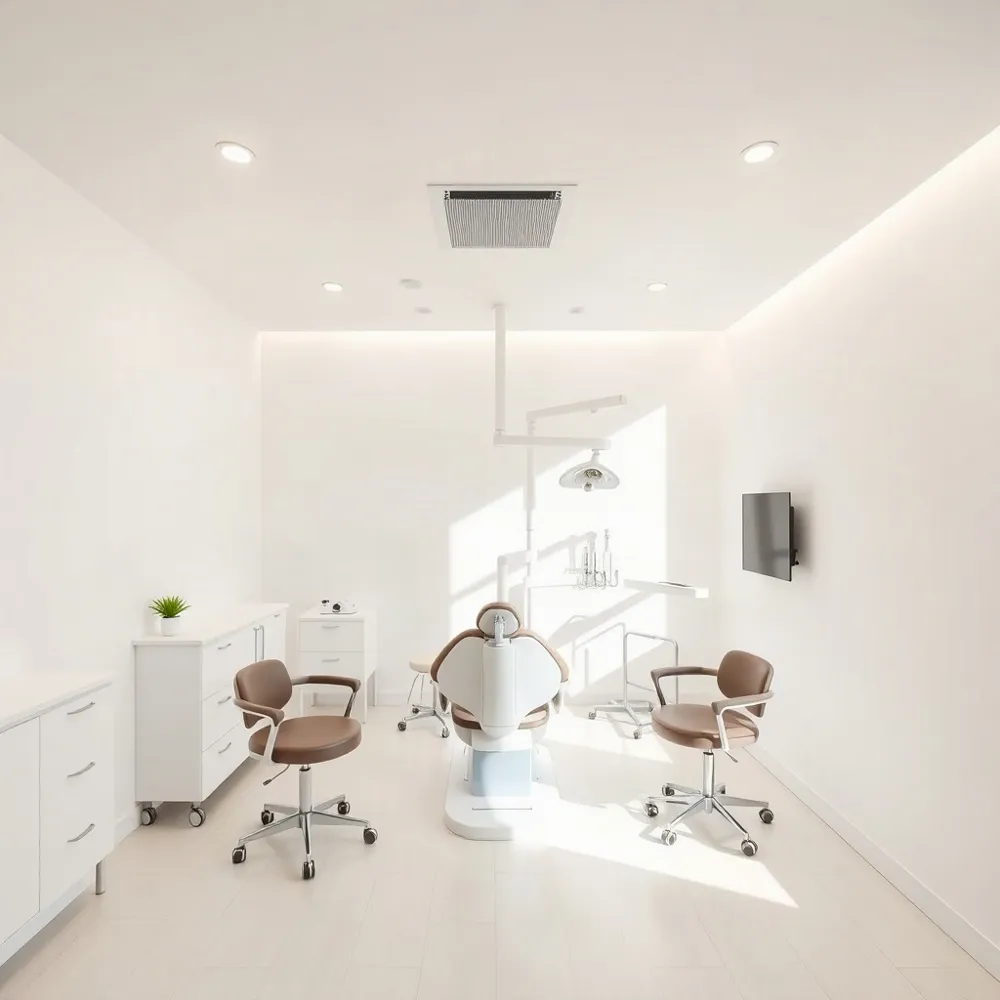 When is sedation considered for pediatric dental procedures? At V Dental, sedation is considered for pediatric patients who experience extreme dental anxiety, which may prevent them from feeling comfortable during their visit. It is also an option for children who are unable to cooperate or remain still due to their young age or specific special health needs. Additionally, we may recommend sedation for procedures that are complex, lengthy, or involve treatment on multiple teeth to ensure the process is efficient and safe. Before recommending any level of sedation, our team conducts a thorough review of the child's health history and weight to determine the safest approach. We work closely with parents to assess individual needs and prioritize comfort throughout the entire dental experience.
Clinical guidelines generally suggest that sedation serves to prevent dental fear and avoidance, particularly for children under age five or those with complex medical backgrounds. While some practices rely solely on pharmacological methods, evidence shows that combining sedation with non-pharmacological techniques, such as distraction, produces better results in reducing child distress. By tailoring the approach to the child's specific developmental stage and anxiety level, providers can help ensure successful outcomes even during invasive treatments like extractions or pulpotomies.
- High levels of dental caries requiring extensive restorative work.
- Management of significant behavioral challenges or persistent anxiety.
- Efficiency gains when completing multiple procedures in a single appointment.
- Patients with special healthcare needs that impact their ability to remain still.
Safety Protocols and Risk Mitigation
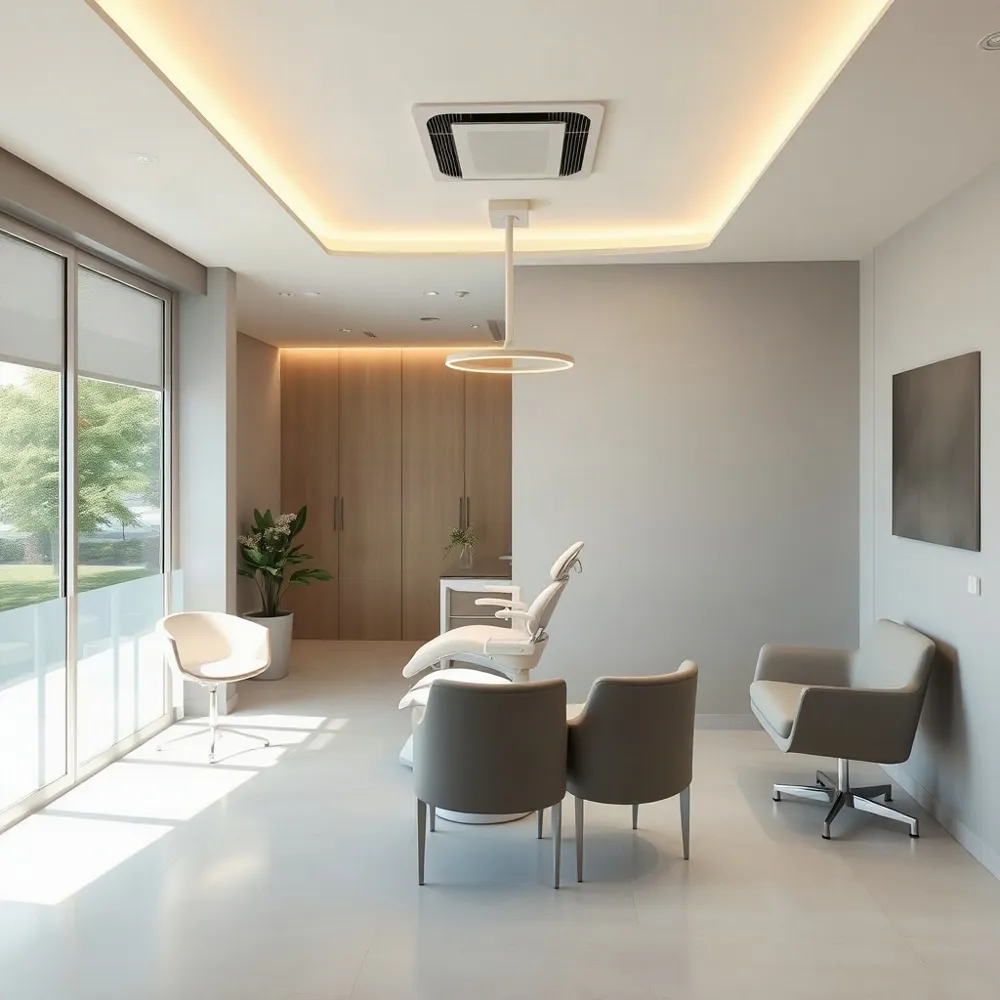 Pediatric sedation safety relies on evidence-based standards, including comprehensive medical history reviews and American Society of Anesthesiologists (ASA) classification, to ensure a tailored approach for every child. Practitioners must evaluate factors like weight and airway health, as overweight children face a higher risk of respiratory complications. When such complexities arise, precise dosing based on lean body mass is a critical safety measure compared to total body weight.
How are pediatric sedation safety and protocols determined?
Safety is built upon rigorous monitoring throughout the clinical process. Standard protocols now emphasize blood pressure and pulse oximetry, with end-tidal carbon dioxide (EtCO2) monitoring becoming an essential tool to track respiration and prevent apnea. To maintain these high standards, dental staff should undergo high-fidelity simulation training, which provides superior emergency response preparation compared to traditional instruction. At V Dental, we integrate these advanced clinical practices with personalized treatment plans to prioritize patient security during every diagnostic or therapeutic session.
What are the potential side effects and risks associated with pediatric dental sedation?
While complications remain rare, potential side effects can include nausea, irritability, or prolonged grogginess as the sedation wears off. Respiratory issues represent the most significant risk, necessitating the constant supervision of a trained team. V Dental mitigates these concerns through state-of-the-art diagnostic technology, such as digital X-rays and iTero 3D scanning, which allows for efficient, predictable treatment. By combining these modern tools with careful patient selection and expert monitoring, our team works to keep every child safe and comfortable throughout their visit.
Partnering for a Positive Dental Experience
To help reduce dental anxiety, parents should model calm, positive behavior, as children are highly perceptive of their caregivers' attitudes toward dental care. Utilizing age-appropriate media can help demystify the experience, while engaging in simple role-play at home builds familiarity. Partnering with a supportive practice, such as V Dental, ensures your child receives compassionate, patient-centered care designed to put them at ease through a full range of sedation options.
How should parents prepare for a sedation appointment?
Preparation for a procedure involving sedation typically includes strict fasting guidelines, often requiring no food or drink after midnight the night before, to ensure the stomach is empty. Families should plan to bring a favorite comfort item, such as a toy or blanket, to help the child feel secure. It is also recommended that two adults attend the appointment if driving is involved, which allows one person to focus entirely on the child's care during the trip home.
What does post-procedure care look like?
- Monitor your child closely for 30 to 60 minutes as they remain drowsy from the medication Dental: Oral Sedation - Nationwide Children's Hospital.
- Offer only cool, clear fluids and light, soft foods initially to protect healing tissues.
- Avoid using straws for several days to prevent damage to sensitive gums during the recovery phase.
- Prevent your child from biting or scratching their cheeks, lips, or tongue while their mouth remains numb, which can last for 2 to 4 hours.
Monitoring Long-term Oral Health
Achieving a healthy smile requires more than just successful treatment sessions. It demands consistent oversight of growth and development milestones as a child transitions from primary to permanent teeth. At V Dental, we emphasize that early orthodontic screening is essential for identifying potential bite or alignment issues before they become complex challenges.
What is the Rule of 7 in pediatric dentistry?
The Rule of 7 is a clinical guideline in pediatric dentistry that identifies age seven as a critical milestone for monitoring a child’s dental development. By this age, most children begin losing their primary baby teeth and erupting their first permanent molars, which serve as the foundation for their adult dentition. This timeframe is the ideal window for an initial orthodontic evaluation to screen for bite, alignment, or jaw growth issues. Dr. Brandon Villarreal and our team use this period to assess potential crowding, spacing, or enamel concerns, ensuring any necessary interventions are planned early. Ultimately, the Rule of 7 acts as a roadmap to help parents and providers safeguard a child's long-term oral health during this transitional phase of growth.
Between specialized visits, maintaining oral health involves a commitment to preventive care. We utilize advanced diagnostic tools like CBCT 3D imaging and iTero 3D scanning to create personalized treatment plans that evolve with your child. By combining these modern technologies with routine hygiene, we help ensure your child maintains a vibrant, healthy smile well into adulthood.
Ensuring a Healthy Smile at V Dental
At V Dental, we recognize that comfort is essential to long-term oral health. Our practice integrates safe sedation options with modern diagnostic technology to ensure every patient receives compassionate care. By combining careful medical history reviews with personalized treatment plans, our team creates a relaxed environment that minimizes anxiety and prevents future dental avoidance.
Dr. Brandon Villarreal and our staff are dedicated to making dental visits a positive experience for your family. If your child requires specialized care in the Live Oak area, we invite you to contact us to discuss a customized approach. Let us help your child maintain a bright, healthy smile for years to come.