Dental Care from Your Living Room
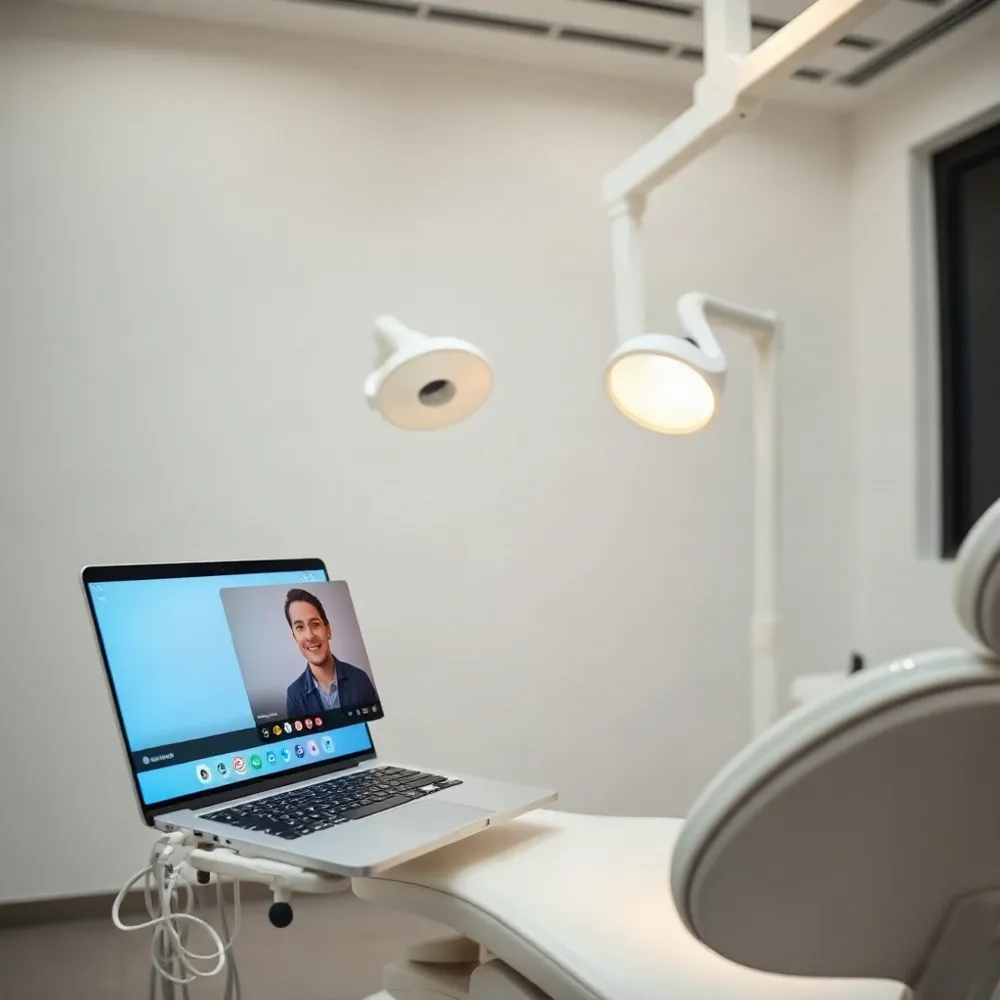
Teledentistry is a branch of telehealth that uses digital communication tools to deliver oral healthcare remotely. It allows patients to connect with licensed dentists via live video calls, phone consultations, or secure messaging platforms, making professional dental advice accessible without leaving home.
The concept is not new. The first study on teledentistry was conducted in 1994 by the US Army through its Total Dental Access Project, as reported in a peer-reviewed analysis. What was once a niche research application, however, became a mainstream care option during the COVID-19 pandemic, accelerating adoption from experimental to widely accepted.
Today, teledentistry serves as an effective first step for routine consultations, follow-up care, and triaging urgent dental concerns. Texas formally authorized the practice in June 2021 with the signing of HB 2056, setting the same standard of care as in-person visits. This article explores how teledentistry works, its benefits and limitations, insurance coverage and costs, and the leading platforms that make remote dental care possible.
Understanding Teledentistry and Its Modalities
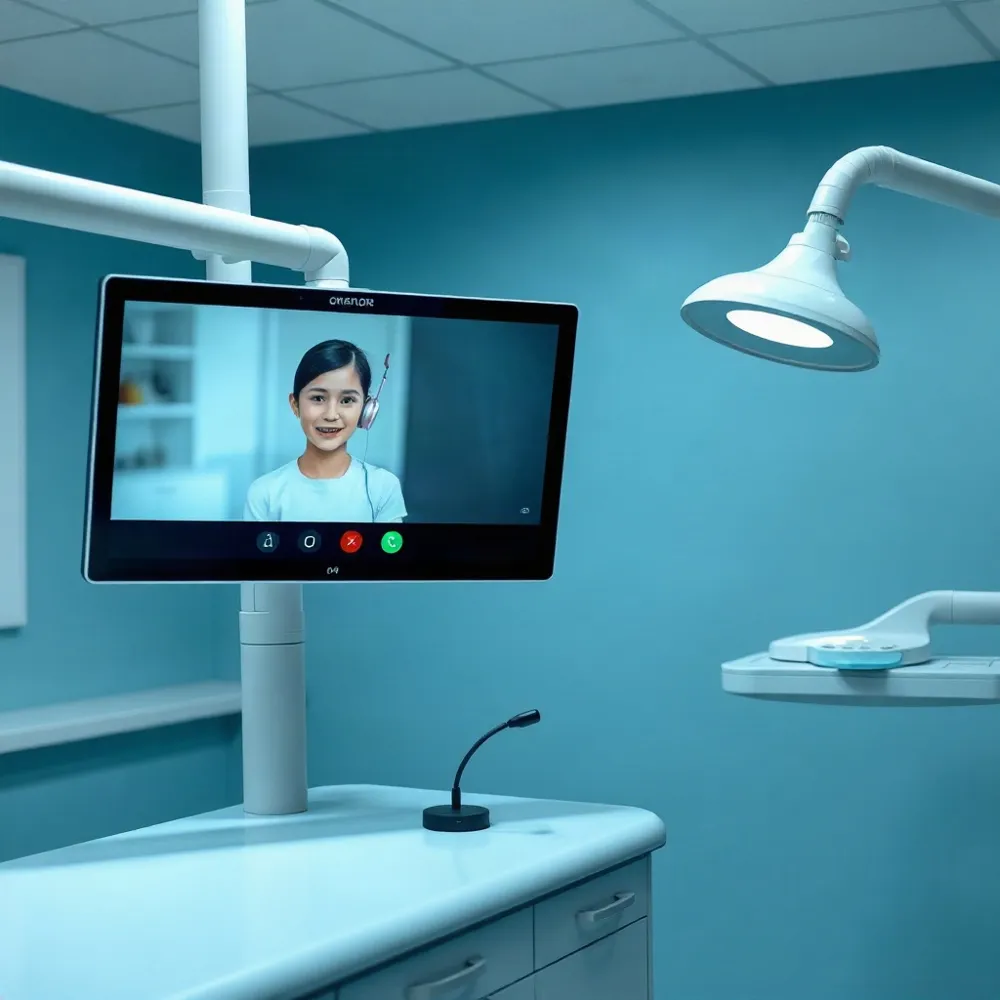 Teledentistry is a subset of telehealth that focuses on oral healthcare, enabling remote consultations, diagnosis, and patient management without requiring the patient and dentist to be in the same room. Its goal is to expand access to care by overcoming distance barriers while maintaining the same standard of diagnosis and documentation as an in-person visit.
Two primary communication methods define the practice. The first is synchronous, or real-time video conferencing, which is considered the most authentic means of conducting a teledentistry examination, allowing for a live, two-way audiovisual connection between patient and provider. The second is asynchronous, also called store-and-forward, where clinical information such as X-rays, intraoral photos, and health records are captured and sent to a dentist for later evaluation and diagnosis.
The core elements of teledentistry include teleconsultation (live patient meetings), telediagnosis (remote assessment using digital tools), telemonitoring (continuous surveillance of oral health), tele-education (patient coaching), and digital health records. The technology behind these services relies on high-resolution intraoral cameras, digital radiography, electronic health records, and AI-based diagnostic systems.
Teledentistry can be used in three primary ways: consultations among dentists (a general dentist and a specialist exchanging records for treatment planning), a real-time video conference between a dentist and a patient in a remote location, and remote patient monitoring where data is collected and transmitted for review. These methods allow dentists to perform evaluations, triage, and follow-ups without a physical visit.
Synchronous. Live two-way video conferencing that enables real-time interaction. Considered the most authentic format for a remote dental examination.
Asynchronous. Store-and-forward method where static images, X-rays, and patient records are sent for later review and diagnosis by a dentist.
| Modality | How It Works | Best For |
|---|---|---|
| Synchronous (Real-Time) | Live video call with dentist | Emergencies, immediate advice, two-way discussion |
| Asynchronous (Store-and-Forward) | Submit photos/X-rays for later review | Routine assessments, second opinions, non-urgent triage |
| Telemonitoring | Ongoing data collection and review | Post-surgical recovery, chronic condition tracking |
In communities like Live Oak, these modalities make it easier for patients to start care from home. V Dental, led by Dr. Brandon Villarreal, uses advanced diagnostic tools such as CBCT 3D imaging and iTero scanning to support virtual assessments, offering a practical entry point for new patients who want professional advice before scheduling an in-office visit.
Is Teledentistry Legitimate and Effective?
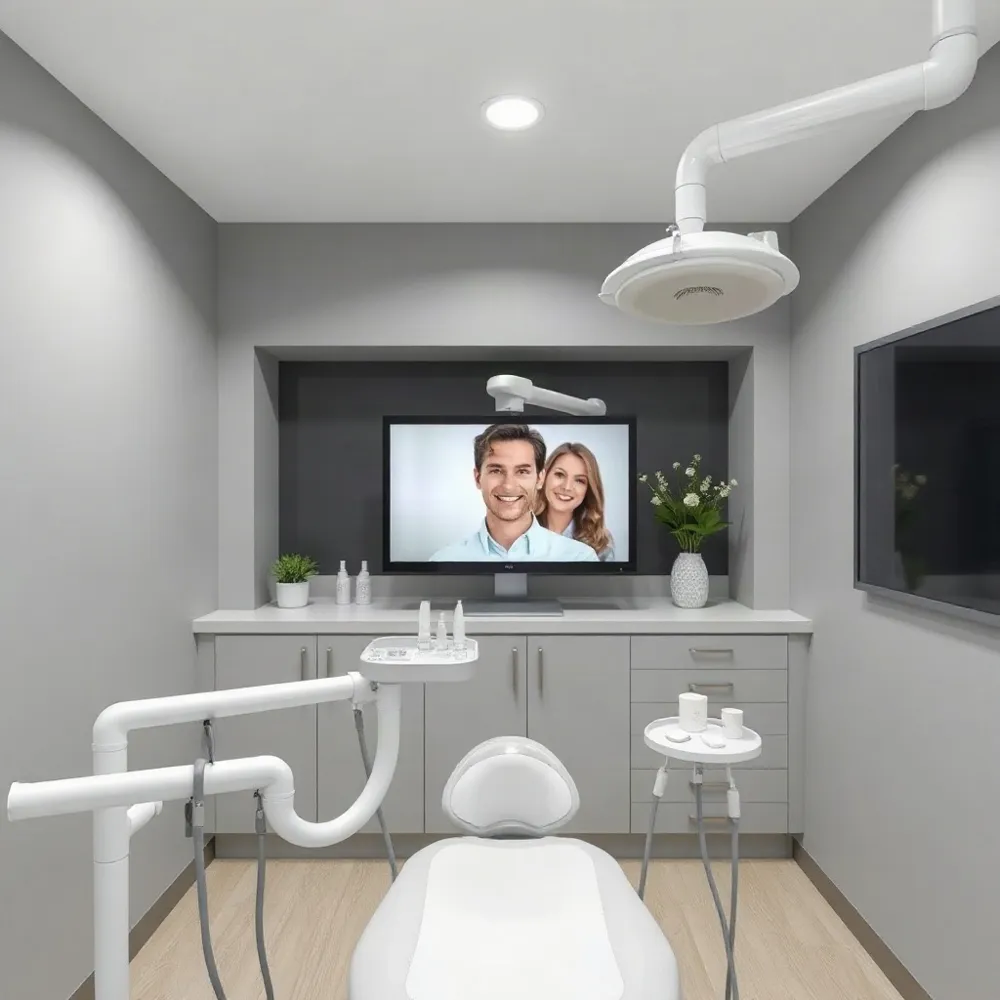 Teledentistry is a legitimate, regulated form of dental care. In Texas, Governor Greg Abbott signed HB 2506 into law in June 2021, formally authorizing the practice, with provisions taking effect on September 1, 2021. The law, applauded by the CareQuest Institute for Oral Health, establishes that the standard of care for teledentistry is the same as for in-person settings, as outlined in Texas Occupations Code Sec. 111.007(a). This means patients receive a professional standard of care, even from a distance.
The effectiveness of teledentistry is backed by research. Studies on telediagnosis for dental caries using store-and-forward photography have shown high sensitivity (94-100%) and specificity (52-100%) in children. Patient satisfaction is also high, with research cited by the CareQuest Institute finding that 86% of patients were satisfied with their teledentistry experience and would recommend it to others.
Teledentistry is a practical tool for consultations, patient education, follow-up care, and triaging emergencies. It cannot replace hands-on procedures like cleanings, fillings, extractions, or root canals, which require an in-person visit. For residents of Live Oak, V Dental provides a complete range of these in-office services, allowing teledentistry to serve as an effective first step for evaluation and treatment planning.
Cost and Insurance Coverage for Virtual Visits
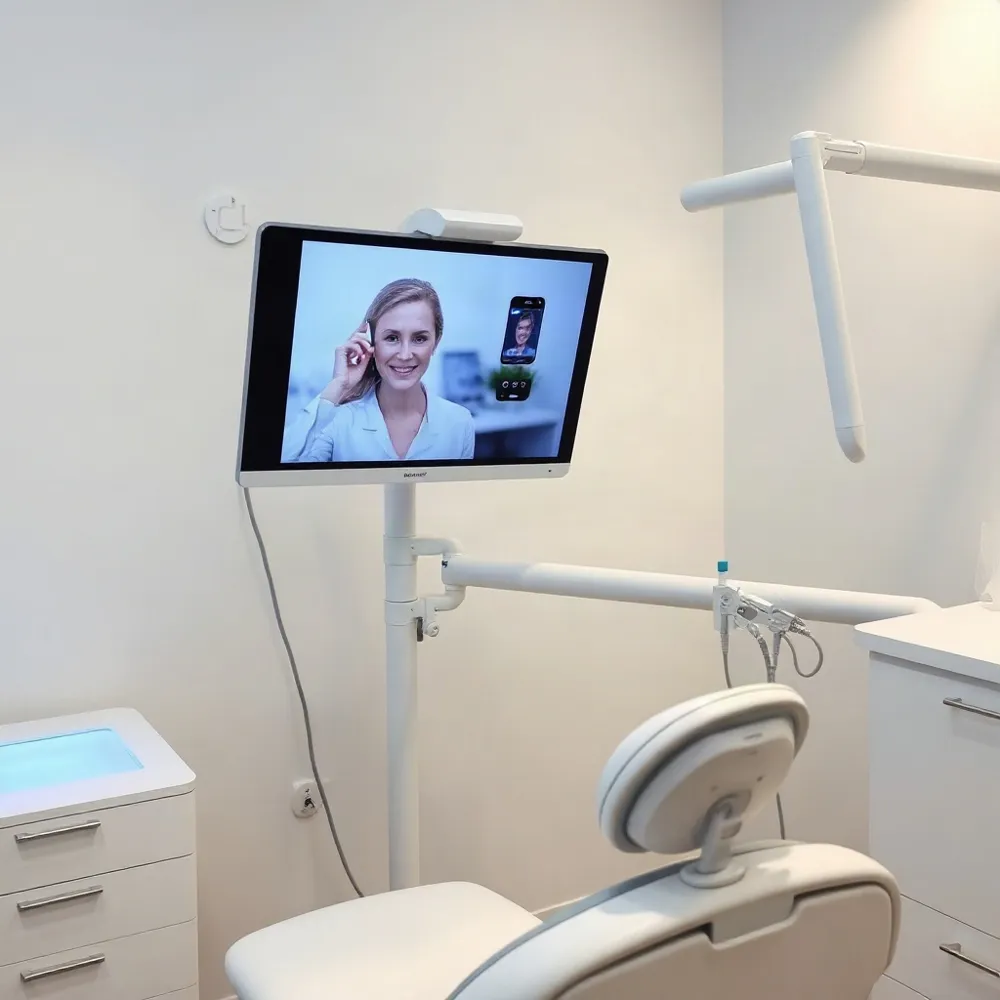 Teledentistry visits typically range from $30 to $150 per consultation. For patients without insurance, many platforms offer a flat fee around $60. This is often lower than the cost of a traditional in-office visit, particularly for emergency or after-hours care. For instance, Teledentistry.com charges a $60 self-pay rate for those without insurance.
For insured patients, a growing number of major dental plans now cover virtual consultations. Delta Dental PPO and Delta Dental Premier members, for example, can often access a virtual dentistry appointment at no extra cost through their plan benefits. Other insurers that work with teledentistry platforms include Aflac, Guardian, UnitedHealthcare, Blue Cross Blue Shield, and Kaiser Permanente.
Coverage specifics vary widely by plan, so it is wise to verify benefits directly with your provider before scheduling. A virtual consultation can also serve as an effective first step for patients considering in-person care at a practice like V Dental, allowing you to discuss treatment options and financing from the comfort of home before visiting the office.
Prescriptions and What a Virtual Dentist Can Do
Following a live video consultation, a virtual dentist can prescribe medications to address urgent dental issues. These prescriptions, which may include antibiotics for infections and non-opioid pain relievers, are sent directly to the patient's preferred pharmacy.
Medication and Limitations
State laws typically require a live video visit for prescription medication; a simple photo submission is not sufficient. A virtual dentist can legally prescribe only for dental issues, not for general medical concerns. Before prescribing, the dentist evaluates symptoms such as toothaches, swelling, broken teeth, and infections to determine the appropriate course of action.
Beyond Prescriptions
A virtual dentist's role extends further to providing diagnoses, creating treatment plans, offering oral hygiene advice, and making referrals for in-person care when hands-on procedures are necessary. Virtual dentists also use teledentistry for telediagnosis across specialties including orthodontics, periodontics, pedodontics, and endodontics. This remote evaluation capability allows dentists to assess conditions and plan treatment without requiring the patient's physical presence.
At V Dental in Live Oak, Dr. Brandon Villarreal integrates this remote approach with advanced in-office technology. A virtual consultation can serve as an initial step, allowing the practice to gather diagnostic information and advise on the next steps, whether that involves prescribing medication or scheduling an in-person visit for procedures that require the practice's CBCT 3D imaging and iTero 3D scanning.
Limitations and Downsides of Teledentistry
Teledentistry offers clear convenience and accessibility, but it has real limitations that patients should understand before scheduling a virtual visit. The most significant drawback is that teledentistry cannot replace hands-on procedures. Routine cleanings, fillings, extractions, and root canals all require an in-person visit because the dentist needs direct access with instruments and tactile feedback.
Diagnostic accuracy is also constrained in a remote setting. Without the ability to perform percussion tests, feel for tooth mobility, or fully examine the posterior oral cavity, a dentist may miss subtle findings that would be obvious during an in-office exam. Research confirms that assessing soft tissue lesions or grossly carious teeth is significantly harder through a screen.
A reliable internet connection and basic digital literacy are prerequisites for a virtual visit. Patients without broadband access or who are uncomfortable with video calls may find themselves excluded. For those with speech difficulties or cognitive disabilities, the lack of personal interaction can make communication and care more difficult, as noted in the same research.
Privacy and data security are ongoing concerns. Patients must use HIPAA-compliant platforms, and informed consent forms should explicitly outline the risks of electronic transmission, including potential misdiagnosis due to technology failure. Additionally, teledentistry still faces inconsistent insurance reimbursement and state licensing restrictions; for example, Texas law permits teledentistry but treats it largely as an adjunct to in-person care, not a replacement.
For housebound patients, teledentistry is an excellent starting point — a video consultation with a practice like V Dental can provide triage and treatment planning without leaving home. If hands-on care is needed, some practices coordinate mobile visits or portable equipment, and local offices can discuss the best options for mobility-limited patients.
Tips for a Successful Virtual Dental Visit
Choosing a trusted provider who employs licensed, state-certified professionals is the first step. Look for a practice that clearly communicates its credentials and uses secure, HIPAA-compliant platforms. V Dental in Live Oak, led by Dr. Brandon Villarreal, is one such provider that integrates virtual consultations with advanced in-office technology for a seamless experience.
Before your appointment, gather your medical history, list any current symptoms, and have your insurance card and preferred pharmacy details on hand. You will need a smartphone, tablet, or computer with a working camera, microphone, and a stable internet connection.
During the live video visit, the dentist will review your symptoms, discuss your history, and may ask you to use your camera to show your teeth and gums. After the consultation, you can expect a clear treatment plan, any necessary prescriptions sent to your pharmacy, and a referral for in-person care if hands-on procedures are needed.
Informed consent must be obtained before the virtual visit begins, just as it would in a physical office. The standard of care remains the same, ensuring that remote consultations are as thorough and accountable as in-person evaluations.
Consider adopting the 3-3-3 rule to complement your virtual care. This guideline recommends brushing three times daily for three minutes each, and avoiding any food or drink (except water) for three hours before bedtime. Following this routine between appointments can reduce plaque buildup and cavity risk.
Teledentistry and V Dental in Live Oak
V Dental, led by Dr. Brandon Villarreal, is a family and cosmetic dentistry practice located in Live Oak, Texas. The clinic provides a broad range of services including preventive care, Invisalign, dental implants, cosmetic bonding, veneers, teeth whitening, emergency care, and sedation options.
To support accurate diagnostics and treatment, V Dental uses advanced technology such as CBCT 3D imaging, digital X-rays, intraoral cameras, and iTero 3D scanning. These tools are used during in-person visits to ensure high-quality, evidence-based care.
Teledentistry services are not listed among V Dental's current offerings, as the practice focuses on in-person treatment. For patients who prefer a virtual consultation, general teledentistry platforms (such as those offered by insurers like Delta Dental via their virtual dentistry program) are available independently, but they would not connect patients with Dr. Villarreal or his team.
Patients interested in using a remote evaluation as a first step should verify directly with V Dental whether any virtual services have been adopted. If a teledentistry consultation is arranged, any hands-on procedures such as fillings, cleanings, or implant placements would still require an in-office visit to the Live Oak practice.
The Future of Teledentistry
Teledentistry has established itself as a practical complement to in-person care, helping triage emergencies, monitor chronic conditions, and educate patients without requiring an office visit. The COVID-19 pandemic rapidly pushed it from experimental concept into everyday use, as documented in PMC research. Future advances in AI and telecommunication technology promise even greater diagnostic precision and patient engagement, though teledentistry will remain an adjunct, not a replacement, for hands-on procedures.
For residents of Live Oak, teledentistry offers a flexible starting point for oral healthcare, allowing consultations for pain, swelling, or cosmetic questions from home. V Dental, led by Dr. Brandon Villarreal, integrates this virtual approach with in-office strengths such as CBCT 3D imaging, iTero scanning, and personalized treatment plans for when physical care is needed. The practice ensures that remote triage flows smoothly into comprehensive restorative, surgical, or cosmetic services, making it easy to use teledentistry for initial consults or follow-ups while keeping V Dental as the trusted local provider for any hands-on procedures that follow.