Understanding the Importance of Prompt Dental Intervention
A dental emergency is defined as any condition requiring immediate professional attention to stop persistent bleeding, manage unbearable pain, or address serious infections. While non-urgent issues like minor chips can often wait for standard availability, situations involving dental abscesses or knocked-out teeth demand rapid action to prevent severe complications, such as the spread of infection to other body parts.
Prompt assessment by a qualified provider is essential, as the American Dental Association highlights that quick intervention often determines the success of saving a natural tooth. For instance, the probability of successfully reimplanting a knocked-out permanent tooth is highest when it is returned to the socket within one hour.
At V Dental in Live Oak, Texas, Dr. Brandon Villarreal and his team provide comprehensive urgent care to the community. By integrating advanced diagnostic technology, such as CBCT 3D imaging, the practice can accurately assess complex trauma and develop personalized treatment plans immediately. Unlike the limited restorative capabilities found in general hospital emergency rooms, this specialized approach ensures patients receive definitive care to resolve pain, trauma, or infection efficiently.
Recognizing When a Dental Problem Becomes an Emergency
 A dental emergency involves any urgent oral health condition that requires immediate professional intervention to alleviate severe pain or prevent long-term damage. This includes situations such as uncontrollable bleeding, significant facial or jaw swelling, and traumatic injuries like fractured or completely avulsed (knocked-out) teeth. Infections—evidenced by symptoms like intense toothaches, abscesses with pus, or fever—are also considered emergencies, as they can spread rapidly to surrounding tissues. Furthermore, concerns such as mandibular dislocation or severe complications following a recent tooth extraction necessitate prompt care. If you are experiencing these symptoms, you should contact our office immediately to prevent the condition from worsening or affecting your overall well-being.
Distinguishing Urgent Needs from Routine Care
Not every uncomfortable dental sensation warrants an emergency visit. Minor issues like a dull, intermittent toothache, a small chip in a tooth without sensitivity, or a dislodged orthodontic brace that does not cut your soft tissue can often wait for normal business hours. However, the American Dental Association emphasizes that persistent pain or swelling signifies a high-priority health event. Unlike general clinics that might delay treatment, the team at V Dental utilizes advanced diagnostics like CBCT 3D imaging to provide immediate assessments on whether your situation requires urgent restorative procedures or can be safely managed with a standard appointment.
Ignoring early signs of an infection is a dangerous oversight. An abscess or severe decay reaching the nerve can quickly escalate, potentially leading to airway compromise or systemic infection. When trauma occurs, the clock is often your enemy. For a knocked-out permanent tooth, professional reimplantation has the highest success rate if completed within one hour, per Cleveland Clinic guidance. If you ever have doubts about the nature of your injury, contacting a professional remains the safest course of action to protect your oral and general health.
Navigating After-Hours Emergencies and Clinical Logistics
 When a dental crisis strikes, timing is everything. The initial step for any patient experiencing a suspected dental emergency should be to contact their dentist directly for professional instructions, as many practices provide after-hours emergency contact information, per Cleveland Clinic guidance. If you experience a dental emergency outside of our regular business hours at V Dental, please contact our office immediately and leave a detailed message regarding your situation. Our team monitors messages and will reach out to you as soon as possible to coordinate your care. In the meantime, try to alleviate symptoms using appropriate home care measures while you wait for a response.
What should I do if I have a dental emergency on the weekend or after hours?
If you are experiencing severe symptoms such as uncontrollable bleeding, extreme swelling, or difficulty breathing, please seek immediate assistance at your nearest emergency room. According to American Dental Association standards, facial swelling that affects your ability to breathe or swallow is a sign of a serious emergency requiring immediate medical attention. While these facilities manage life-threatening situations, they are not equipped for restorative dental work.
Can I go to the emergency room for a toothache, and will they pull a tooth?
It is important to understand that most emergency departments do not have dentists on staff and are not equipped to perform routine dental procedures like tooth extractions. Emergency room medical teams are primarily focused on addressing life-threatening complications, such as severe infection or significant trauma to the facial bones. In most cases involving a basic toothache, an emergency room will only provide temporary stabilization, such as pain medication or antibiotics, and will then refer you to a dentist for definitive treatment, per Cleveland Clinic. Your dentist should always be your first point of contact for a toothache, as they are the only ones properly equipped to diagnose and fix the underlying issue. If you are a patient of V Dental, please reach out to our office immediately so we can assess your situation and provide the appropriate care.
Effective First Aid and Temporary Pain Management Techniques
When a tooth is knocked out, the clock is your most significant adversary. For the best chance of saving a permanent tooth, you must return it to the socket within one hour. Always hold the tooth strictly by its crown, never the root, and keep it moist in milk, a saline solution, or a professional tooth preservation product if immediate reinsertion is not possible.
Managing soft tissue injuries or persistent toothaches requires caution. You can control minor bleeding by applying firm pressure with moist gauze or a caffeinated tea bag for 15 to 20 minutes. If you experience a severe toothache, rinse thoroughly with warm water and gently floss to remove debris. Never place aspirin or pain medication directly against your gum tissue, as this often results in painful chemical burns.
What is the 3-3-3 rule for managing a toothache?
The 3-3-3 rule serves as a temporary bridge to help manage discomfort until you reach a clinic. It generally refers to taking a combination of 600mg of ibuprofen and 1,000mg of acetaminophen. While clinical data supports this combination for acute dental pain, these medications do not resolve underlying infections or damage. Always verify with your doctor or pharmacist that these dosages are safe for your specific health history before use.
Professional diagnostic tools, such as the CBCT 3D imaging and iTero 3D scanning utilized at V Dental, are necessary to identify the source of your pain. Avoid using super glue to fix broken restorations, as this can damage the tooth surface beyond repair. Instead, use a temporary dental cement or toothpaste until you can secure a professional appointment.
Advanced Diagnostic Care at V Dental
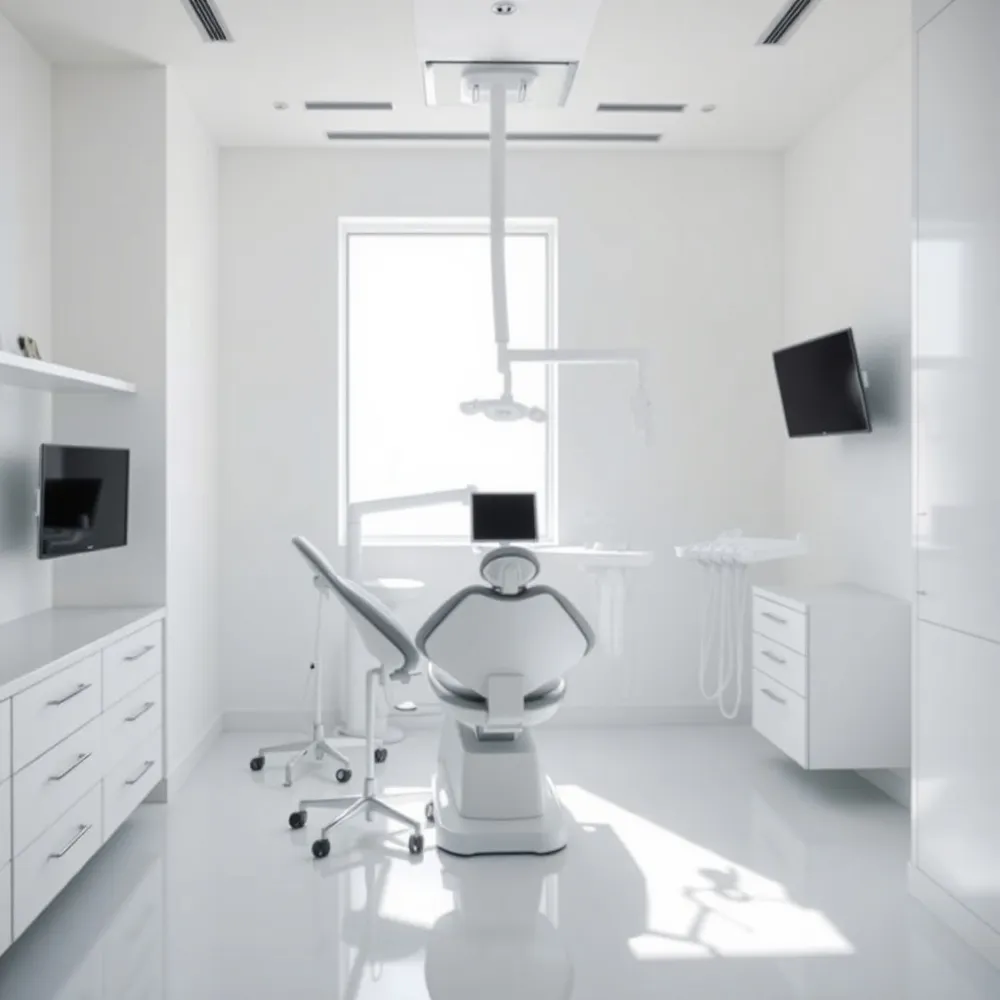 When a dental crisis occurs, clarity is the first step toward effective treatment. V Dental addresses this by integrating tools such as CBCT 3D imaging, digital X-rays, and intraoral cameras to quickly assess the nature of trauma or infection. High-resolution diagnostics allow the team to identify issues that might remain hidden during a standard visual exam, ensuring an accurate and fast path to relief.
Precision and comfort in urgent care
The use of iTero 3D scanning technology streamlines the creation of restorative solutions, allowing the team to map oral structures in seconds. This precision is meaningful because clinical assessment remains the most critical factor in distinguishing between conditions needing immediate intervention and those that can wait. At V Dental, these precise images inform personalized treatment plans that focus on the specific needs of the patient, whether that involves managing a sudden fracture or stabilizing an abscess.
Safety and comfort are central to the diagnostic process. Because patients experiencing high levels of pain may struggle with anxiety, the practice incorporates various sedation options to keep the environment calm during assessments and procedures. This personalized approach mirrors the standards seen at academic dental centers, where evidence-based protocols drive patient outcomes. By combining advanced visualization with patient-centered planning, the team ensures that even the most stressful accidents are managed with predictable care.
Accessing Affordable Care Regardless of Insurance Coverage
Facing a dental emergency without insurance often creates significant anxiety, but cost concerns should not deter you from seeking essential treatment. If your budget is limited, you can search for local Federally Qualified Health Centers or public clinics that offer services on a sliding fee scale based on your household income. Academic institutions are another excellent resource, as dental schools frequently offer supervised care at rates significantly lower than private practices.
Practices such as V Dental prioritize patient access by offering flexible financing options to ensure that immediate cost concerns do not prevent you from receiving urgent relief. If you are struggling to cover expenses, consider exploring dental membership plans or researching nonprofits like the Dental Lifeline Network. For those who qualify based on state requirements, programs such as Medicaid and CHIP provide coverage for children and eligible adults. If you need further assistance locating community-based services, dialing 2-1-1 serves as a unified resource for finding local low-cost care.
Prioritizing Oral Health Through Preventive Habits
Acting swiftly during a dental emergency is fundamental to preserving your natural smile. When a tooth is knocked out, timely intervention within one hour significantly improves the success rate of reimplantation. While clinics like V Dental are prepared to handle urgent trauma, the most effective way to avoid these crises is through consistent preventive care.
Regular dental examinations allow providers to identify decay or structural weaknesses before they escalate into painful abscesses or fractures. Maintaining solid oral hygiene and wearing protective equipment during contact sports act as your first line of defense. By scheduling routine visits, you minimize the likelihood of needing after-hours care and protect your long-term oral health.