When Dental Visits Feel Overwhelming
For some people, fear of dental treatment, needles, or discomfort can make an appointment feel difficult before it even begins. Sedation dentistry uses medication to help patients feel calmer during dental procedures, and a dentist may consider it for anxiety or lengthy treatment.
With conscious sedation, patients are generally awake and able to respond to instructions, though they may feel drowsy or deeply relaxed. Sedation does not replace local anesthetic, which numbs the teeth and gums. The Cleveland Clinic’s overview of sedation dentistry explains common options and preparation.
The right approach depends on a patient’s health, anxiety, planned procedure, and preferences. At V Dental in Live Oak, personalized treatment plans provide a starting point for discussing comfort concerns with the dental team. Sedation may make care more manageable, but a dentist must first assess whether it is suitable for the individual.
Dental Sedation Key Facts
- Dental anxiety can range from mild nervousness to intense fear, and may lead people to delay care.
- Nitrous oxide, oral conscious sedation, and IV sedation are common dental-office options; the appropriate method depends on the patient and procedure.
- Conscious sedation generally leaves patients awake and able to respond; it is different from general anesthesia, which causes unconsciousness.
- Sedation does not replace local anesthetic: numbing medication is still used to reduce pain, and patients should tell the team if they feel discomfort.
- Sedation suitability requires individual assessment of health conditions, medications, procedure needs, and patient circumstances; it is not right for everyone.
- Sedation may make longer or repeated treatment visits more manageable, but fewer appointments or shorter procedures are not guaranteed.
- Awareness and memory effects vary by sedation method and person; memory loss during IV sedation is possible but not guaranteed.
- Before sedation, patients should disclose medical conditions, allergies, medications, supplements, and prior anesthesia problems, and follow visit-specific instructions about food, drink, and medications.
- After oral or IV sedation, arrange a ride and do not drive for 24 hours; after nitrous oxide, recovery is usually 15–30 minutes and patients can generally drive.
- Dental anxiety strategies include telling the team what feels difficult, agreeing on a pause signal, and trying slow breathing, calming music, or another distraction.
1. Making Anxious Visits Feel More Manageable
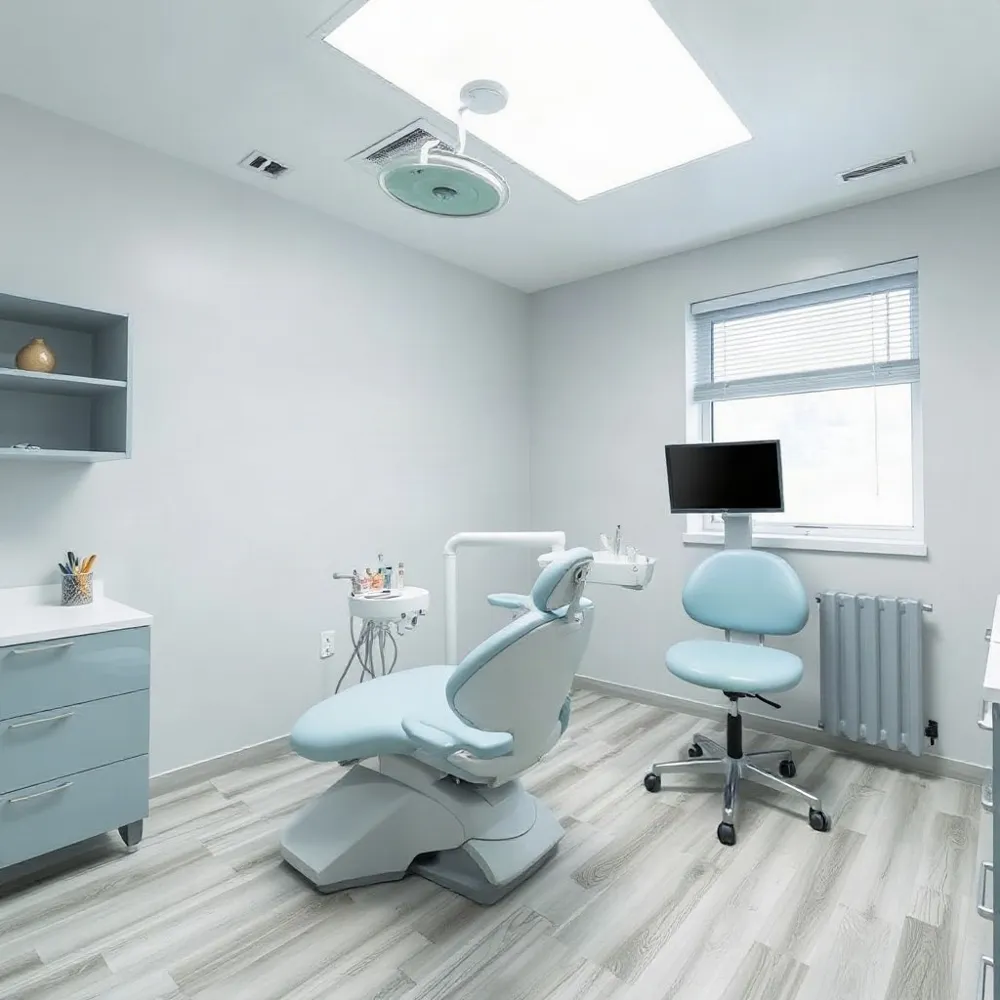 Dental anxiety is fear or unease about visiting the dentist or receiving treatment. It can range from mild nervousness to intense fear that leads someone to put off care. Needles, sounds or smells in the office, worries about pain, and feeling vulnerable or out of control may all contribute. A painful or upsetting past experience can make future visits harder.
Sedation may help some patients feel calmer during treatment, including people who fear needles or have difficulty relaxing. With conscious sedation, patients are generally awake and able to respond, and local anesthetic is still used to numb the teeth and gums. The appropriate option depends on the person’s health, concerns, and planned procedure, so sedation is not automatically right for everyone. Cleveland Clinic’s overview of sedation dentistry explains common options and factors dentists consider.
At V Dental, personalized treatment plans can help the dental team account for a patient’s concerns and care needs. Tell the team what feels difficult, whether that is a past experience, fear of pain, or a specific part of the appointment. Delaying needed treatment can allow oral health problems to worsen, so discussing practical ways to feel more comfortable can help you plan your next visit.
2. Helping Patients Overcome Barriers to Care
Dental anxiety is not the only reason an appointment can be hard to manage. A dentist may consider sedation for patients with a sensitive gag reflex or teeth, claustrophobia, difficulty controlling movement, or physical, behavioral, or cognitive needs that make it difficult to relax. These are factors for a conversation, not automatic reasons to use sedation, and Cleveland Clinic’s overview of sedation dentistry describes how the approach depends on the patient and procedure.
For someone who might otherwise postpone necessary treatment, an appropriate plan may make getting care more manageable. At V Dental, personalized treatment planning and modern tools such as CBCT 3D imaging and intraoral cameras support care tailored to the patient, though sedation suitability must be assessed separately.
A dentist should review health conditions, medications, the planned procedure, and the patient’s circumstances before recommending sedation. Patients can discuss their concerns and medical history with Dr. Brandon Villarreal and ask what options, if any, may be appropriate. Sedation is not suitable for everyone, and the right choice requires an individual assessment.
3. Finding an Approach Suited to the Patient

What types of sedation are used in dentistry?
The common dental-office options are nitrous oxide, oral conscious sedation, and intravenous (IV) sedation. Nitrous oxide is breathed through a mask or nosepiece. It typically begins helping within three to five minutes and usually wears off relatively quickly after treatment. Oral conscious sedation uses prescribed medication taken before the appointment and may cause substantial drowsiness. IV sedation delivers medication through a vein and is the deepest form of conscious sedation described for dental-office care. Patients may remain able to respond, so sedation should not be confused with general anesthesia, which causes unconsciousness. Cleveland Clinic’s overview of sedation dentistry explains these differences.
No single option suits everyone. A dentist considers anxiety level, procedure length, health, and patient preferences when discussing an approach. At V Dental, personalized treatment plans provide a basis for discussing individual concerns and care needs, but patients should ask the dental team which options are available and appropriate for them. The decision should also account for what to expect during treatment and recovery.
4. Supporting Comfort During Treatment
Feeling calmer can make treatment easier to tolerate, including for people with sensitive teeth or a strong gag reflex. Sedation may reduce stress and awareness, but it does not guarantee a pain-free experience.
Does dental sedation prevent pain during treatment?
Not by itself. With conscious sedation, patients may feel relaxed and remain able to respond, while local anesthetic injections numb the teeth and gums. Sedation and numbing serve different purposes, so tell the dentist if you feel discomfort. The team can pause and assess whether more local anesthetic or another adjustment is needed. Cleveland Clinic explains how sedation and local anesthetic work together.
At V Dental, personalized treatment planning and sedation options can help shape care around a patient’s comfort needs. Ask the dental team what to expect and how to signal discomfort during treatment.
5. Making Longer Procedures More Tolerable
Long appointments can be tiring, especially for patients who find it difficult to relax or remain still in the dental chair. A dentist may consider sedation for lengthy treatment, such as periodontal surgery, after discussing the patient’s health and needs. Cleveland Clinic’s overview of sedation dentistry explains that the approach depends on factors including the procedure and the patient.
When a patient feels calm and comfortable, the dental team may be able to work more efficiently. That can make an extended visit more manageable, but it does not mean every procedure will take less time or that sedation is appropriate for every treatment plan. At V Dental, treatment planning can account for individual needs alongside tools such as CBCT 3D imaging and digital X-rays; patients can ask Dr. Brandon Villarreal whether sedation may suit their planned care.
6. Potentially Reducing Repeat Appointments
For patients who find repeated dental visits stressful, sedation may make a longer appointment easier to manage. When a patient feels calm and comfortable, the dentist may be able to work more efficiently and possibly complete care in fewer visits, as Cleveland Clinic explains.
Fewer appointments are a possibility, not a promise. The amount of treatment that can be completed at once depends on the procedure, the patient’s health and response, and the dentist’s treatment plan. Some care may still need to be divided across visits.
At V Dental, personalized treatment plans help match care to each patient’s needs. Discussing anxiety about repeat visits with the dental team can help clarify whether sedation or another approach may make necessary treatment more manageable.
7. Lessening Awareness of the Procedure
Sedation can change how aware a patient feels during dental treatment, but the effect varies by method and person. With conscious sedation, patients are generally awake and able to respond when the dental team needs them to.
Oral sedation may cause substantial drowsiness, and some patients fall asleep. With IV sedation, a patient may sleep and later remember little or none of the procedure, but memory loss is not guaranteed. Cleveland Clinic’s overview of sedation dentistry explains that local anesthetic is still used to numb the teeth and gums.
During IV sedation, the provider monitors the patient’s heart rate and blood pressure and adjusts the medication dose as needed. At V Dental, treatment plans are personalized, so patients can discuss their concerns and preferences with the dental team rather than assume a particular level of awareness or recall.
8. Encouraging Timely Attention to Oral Health
When anxiety or other difficulties lead someone to avoid dental visits, sedation may help make necessary care feel more manageable. It can support patients in receiving treatment they might otherwise postpone, though it is not suitable for everyone.
Putting off care can allow oral health problems to become more serious. A conversation about sedation may help patients consider a practical way to move forward; the Cleveland Clinic’s guide to sedation dentistry explains how clinicians assess options based on a patient’s health and treatment needs.
At V Dental in Live Oak, personalized treatment plans provide a starting point for discussing concerns and care options. Tell your dental provider about your anxiety, health history, and medications, and ask what preparation is needed, whether you will need transportation, and what recovery may involve.
Practical Ways to Manage Dental Anxiety
Tell the dental team what worries you, then ask what to expect before treatment begins. You can agree on a signal, such as raising your hand, to request a pause. Slow breathing, calming music, or another distraction may also help you feel more at ease. A supportive companion may offer comfort, depending on the appointment and the dentist’s guidance.
At V Dental, personalized treatment plans can help make room for a conversation about comfort and concerns. These strategies are not a substitute for professional advice. If anxiety feels severe, discuss whether sedation may suit your health and treatment needs; Cleveland Clinic’s guide to sedation dentistry explains why the choice should be individualized.
Oral Sedation and Appointment Planning
Oral conscious sedation uses prescription medication taken by mouth, commonly about an hour before treatment, to help reduce anxiety. It may cause substantial drowsiness, and some patients fall asleep. The dental team can wake you when they need you to respond to instructions. The Cleveland Clinic’s guide to sedation dentistry explains that the right approach depends on your health, procedure, and preferences.
Sedation does not replace local anesthetic. Your dentist may still numb the teeth and gums to control pain during treatment. V Dental creates personalized treatment plans, so discuss your concerns, health history, and current medications with the dental team before deciding whether oral sedation is suitable.
Plan for a ride to and from the appointment, and do not drive for 24 hours afterward. Follow your dentist’s specific instructions about food, drink, and medications, since preparation depends on your circumstances. Recovery varies, so arrange time to rest and ask the team what to expect before your visit.
Safety, Preparation, and Recovery
 Sedation is not one-size-fits-all. The appropriate method depends on your health, medications, planned treatment, and preferences, so tell your dentist about medical conditions, allergies, prescriptions, supplements, and any past problems with anesthesia. At V Dental, personalized treatment planning provides a starting point for discussing which comfort options may suit your circumstances.
Ask what to do about eating, drinking, and regular medications before the appointment. Fasting may be required for some forms of sedation, and medication changes should only be made under the dentist’s direction. Follow the instructions given for your specific visit rather than relying on advice from a previous appointment. The Cleveland Clinic’s guide to sedation dentistry also advises arranging transportation when oral or IV sedation is planned.
Possible short-term side effects include dry mouth, prolonged drowsiness, headache, nausea or vomiting, and bruising where an IV was placed. Most adult side effects described resolve within a day, but contact your dentist if you remain groggy after 24 hours or develop nausea or vomiting. More serious reactions are possible, so ask the dental team how your health history affects the risks and what monitoring is appropriate.
Recovery varies by method and individual response. After nitrous oxide, oxygen helps clear the gas; recovery usually takes 15 to 30 minutes, and patients can generally drive afterward. Oral or IV sedation requires a ride home and no driving for 24 hours. Plan to rest and follow the dentist’s aftercare instructions.
Checking Coverage and Expected Costs
Does dental insurance cover sedation, and what does it typically cost? Coverage varies by plan and may depend on whether sedation is considered medically necessary, such as for a complex procedure or a documented patient need. Some plans may exclude sedation for routine care or anxiety alone. Check your benefits and ask the dental office to submit a pre-treatment estimate before scheduling.
As general estimates, nitrous oxide may cost $25–$100 per visit, oral sedation $150–$500, IV sedation $500–$1,500, and general anesthesia $800–$3,500. These are not V Dental prices. Your out-of-pocket amount depends on your plan, deductible, copay or coinsurance, sedation method, procedure, and provider. Ask the dental office to clarify expected charges before treatment.
Make a Personal Comfort Plan
Sedation may make dental care feel more manageable, but the right approach depends on your health, concerns, and planned treatment. It does not replace local anesthetic, which numbs the teeth and gums. Cleveland Clinic’s guide to sedation dentistry explains the options and why a dentist should help determine whether one is appropriate.
At V Dental, Dr. Brandon Villarreal can discuss your concerns, health history, available options, and what preparation, transportation, and recovery may involve. Share your medications and ask questions before deciding. If anxiety is keeping you from needed care, seek dental advice rather than letting fear alone postpone an appointment.