Make Oral Care Fit Family Life
School runs, work, meals, and bedtime can leave little room for another task. Oral care is easier to maintain when it fits into routines a family already has, rather than requiring a perfect schedule.
Daily habits matter: the CDC describes cavities as the most common chronic disease of childhood in the United States, and notes that untreated cavities can cause pain and infections that affect children’s daily activities (CDC guidance on children’s oral health).
This guide focuses on practical ways to make brushing manageable, choose an interdental cleaner, support children’s care, plan dental visits, and assess informal rules about oral health. For families in Live Oak, V Dental offers preventive care and personalized treatment plans, so questions about individual needs can be discussed with a dental professional.
Build a Manageable Daily Routine
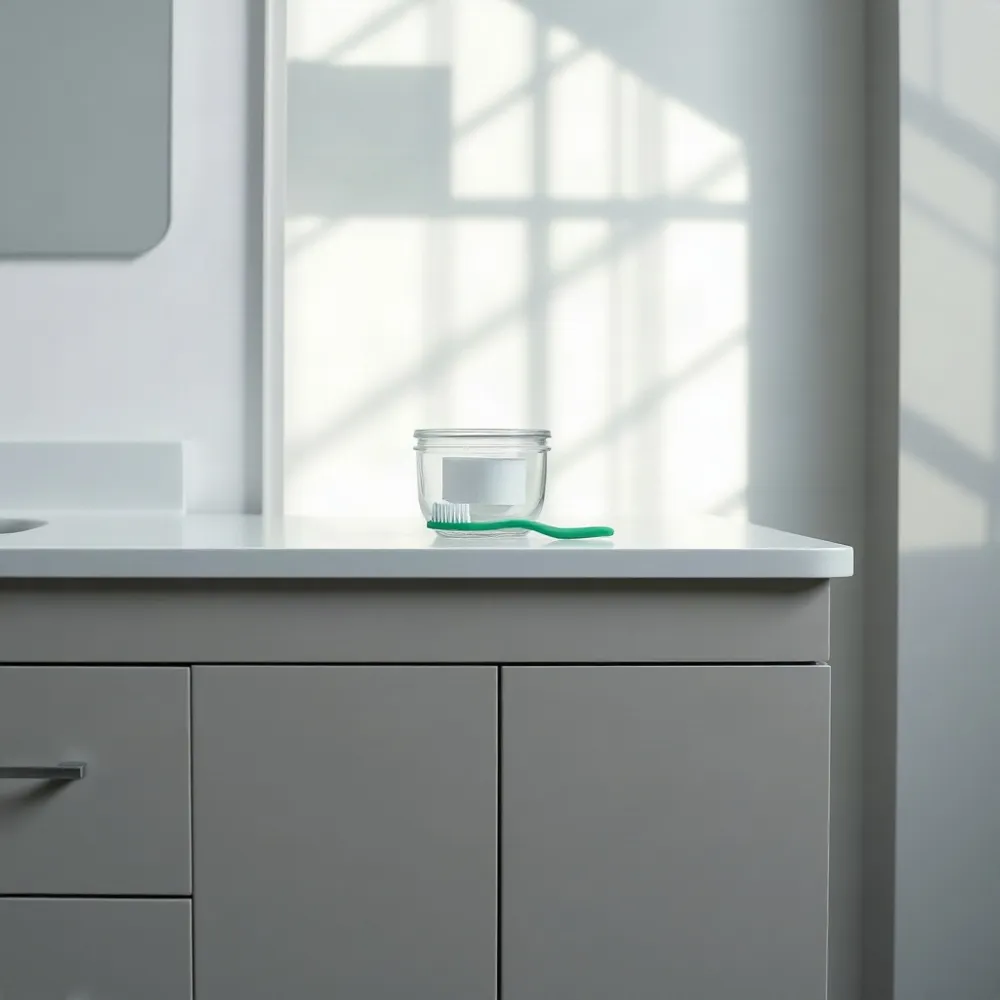 A routine works best when it covers every day’s basics without adding unnecessary steps. Brush twice a day for two minutes with a soft-bristled toothbrush and fluoride toothpaste. Use gentle, short strokes angled toward the gumline, and clean the inner, outer, and chewing surfaces of each tooth. The American Dental Association’s home-care guidance recommends daily brushing and cleaning between teeth.
Clean between teeth once a day with floss or another interdental cleaner, since toothbrush bristles cannot reach those spaces effectively. The ADA says the order is flexible: floss before or after brushing, as long as you clean thoroughly. Choose a time and tool that fit your schedule, and ask a dentist for advice if cleaning hurts or you are unsure which option suits you. V Dental offers personalized treatment plans, so patients can discuss home-care questions during dental care.
Attach brushing to familiar cues, such as after breakfast and before bed. A song, timer, or brushing app can help children stay engaged for the full two minutes; the ADA’s ideas for encouraging children to brush include music and brushing together. Replace toothbrushes every three to four months, or sooner if the bristles become frayed. Limit sugary snacks and drinks, and choose water often.
A missed session does not require a rushed or forceful catch-up. Resume at the next opportunity and keep the routine gentle and thorough. Consistency matters more than following a perfect schedule, and a dentist can suggest changes based on individual needs.
Choose the Right Interdental Cleaner
A toothbrush does not clean well between teeth, where food debris and plaque can collect. The American Dental Association recommends cleaning between teeth once a day with floss or another interdental cleaner, choosing a method that fits your mouth and routine. ADA guidance on interdental cleaners explains the options.
Should you use dental floss or an interdental brush to clean between your teeth?
Both can work. Floss often suits tight spaces, while an interdental brush may fit wider gaps, including spaces associated with gum recession or periodontal disease. Comfort and dental needs vary, so a dentist can help you select the right tool and show you how to use it.
Other options include floss picks, holders, threaders, and water or powered flossers. Choose a tool you can use consistently, and move it gently rather than forcing it into a tight space. If you use an interdental brush, select the smallest size that fits comfortably. You can use different tools in different areas, too.
At V Dental in Live Oak, personalized treatment plans and modern tools such as intraoral cameras can help inform conversations about individual oral-health needs. Ask your dental professional which cleaner suits your teeth and gums.
Start Children’s Care Early
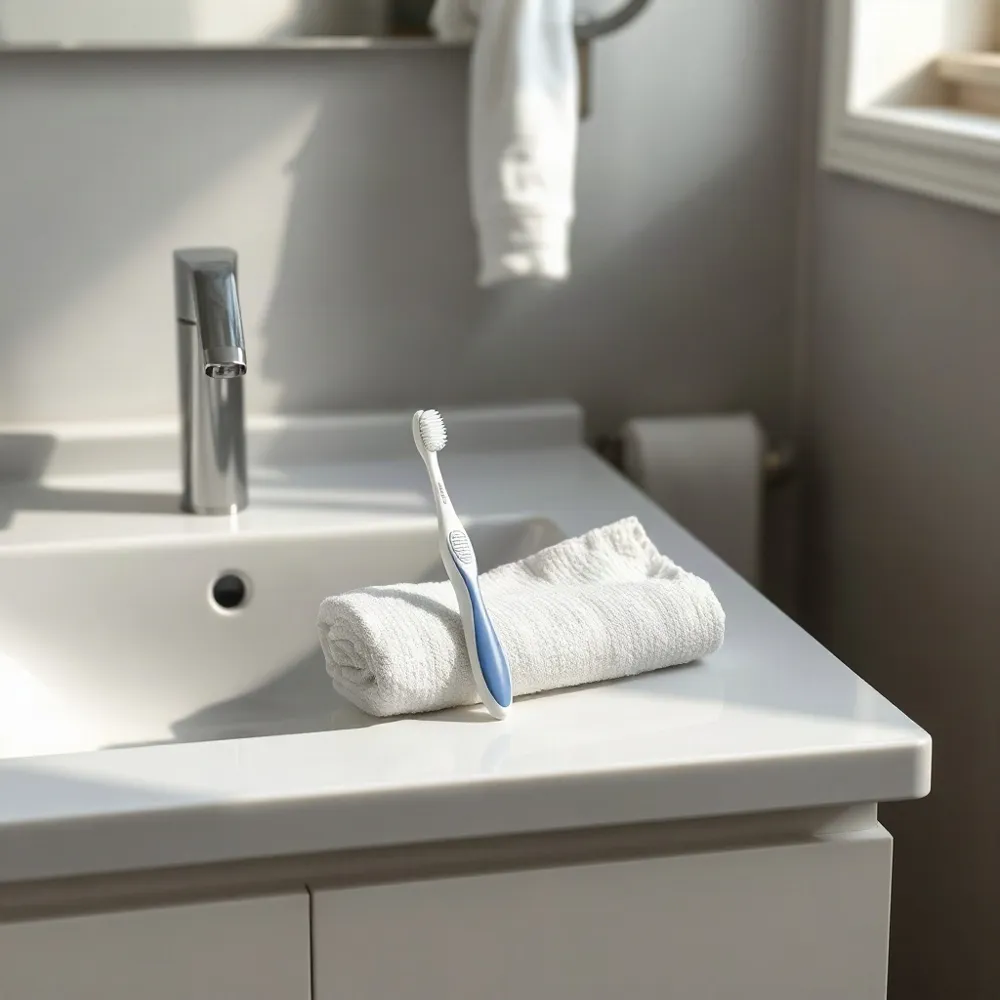 When should parents begin caring for a baby’s teeth, and how can they support children’s oral hygiene? Start before teeth appear: gently wipe your baby’s gums twice a day with a soft, clean, damp cloth. Once the first tooth comes in, brush twice daily with a soft, small-bristled toothbrush and plain water. The CDC’s guidance for children’s oral health recommends asking a doctor or dentist before using fluoride toothpaste for a child younger than two.
For children under six, supervise brushing, use a pea-sized amount of fluoride toothpaste, and make sure your child spits it out. Keep helping until brushing skills are reliable. A dentist can advise when to begin cleaning between teeth, based on how your child’s teeth fit together.
Make brushing feel like part of family life rather than a chore. Brush alongside your child, let them choose an appealing toothbrush, or try a favorite song, a simple brushing story, and praise for their effort. The American Dental Association’s ideas for encouraging children to brush include music, stories, and positive rewards.
Ask a doctor or dentist about fluoride varnish when the first tooth appears, and whether your local tap water contains fluoride. Arrange a first dental visit by your child’s first birthday. At V Dental in Live Oak, personalized treatment plans can help families discuss age-appropriate care for each child.
Plan Visits and Address Dental Problems
How often should you schedule dental cleanings and routine exams?
For many people, a cleaning and exam about every six months is a useful starting point. At visits, the dental team can check teeth and gums, remove plaque and tartar, and look for concerns before they become more difficult to treat. The right interval depends on your oral health: gum disease, higher cavity risk, or other concerns may call for more frequent visits. The American Dental Association’s home-care guidance recommends that dentists tailor visit timing to each patient’s needs and risk.
Arrange a child’s first dental visit by their first birthday, as the CDC recommends. Before leaving the office, book the next appointment or add it to the family calendar. V Dental offers preventive care and convenient appointments for families in Live Oak and nearby communities.
Can a badly decayed tooth be saved after years without dental care?
Often, yes. Time away from a dentist does not, by itself, mean a tooth cannot be treated. An examination and X-rays help assess the damage. Depending on the tooth, care may involve a filling or crown; if decay has infected the pulp, a root canal followed by a crown may preserve it. If the tooth cannot be restored, extraction may be needed. Replacement options can include an implant, bridge, or removable partial denture. V Dental provides dental implants and can create personalized treatment plans, with care sometimes arranged in stages.
Seek prompt dental attention for pain, facial or gum swelling, or a suspected abscess. Trouble breathing or swallowing alongside swelling requires emergency care. Don’t wait for a routine appointment when urgent symptoms arise.
Treat Dental Rules With Caution
The “3-3-3” and “50-40-30” rules are informal phrases, not universally accepted dental guidelines. Their meanings can vary by source, so the numbers alone do not establish sound advice.
Some sources use “3-3-3” to suggest brushing for three minutes, three times a day, or waiting three hours between meals. There is no single agreed definition, and “50-40-30” is not a recognized clinical standard. Ask a dental professional what a phrase means before using it to guide your care.
Established guidance is clearer: brush twice daily with fluoride toothpaste, clean between teeth once a day, and limit frequent sugary foods and drinks. The American Dental Association’s home-care recommendations also emphasize tailoring care to individual needs. At V Dental, personalized treatment plans can help patients in Live Oak make decisions based on their oral health rather than an unexplained rule.
Consistency Beats Perfection
Family oral care does not need to follow a catchy rule or happen perfectly every day. A manageable habit, repeated regularly, is a more useful starting point. If a session is missed, simply return to the routine at the next opportunity.
Choose one step to begin, such as keeping a toothbrush by the sink or brushing together before bed. A dentist can help tailor home care to each family member’s needs; the ADA’s home-care guidance emphasizes that advice may vary by a person’s oral health and preferences. V Dental offers personalized treatment plans and preventive care for families in Live Oak.