Advancing Dentistry Through Digital Integration
Modern dental care has shifted from traditional analog methods to highly precise digital workflows. This transition increases the accuracy of diagnostic tools and enhances how practitioners plan complex reconstructive or cosmetic procedures. By adopting integrated systems, clinics can now provide more predictable results while improving the overall patient experience.
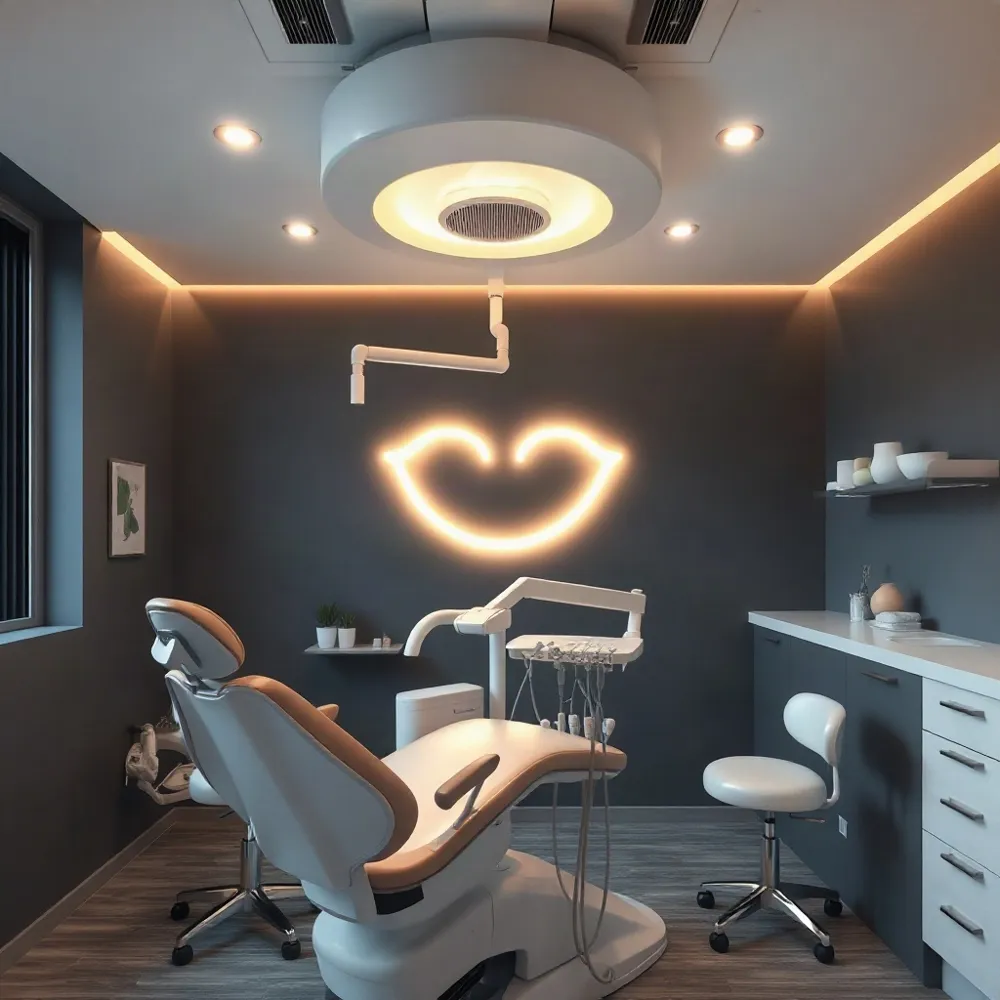
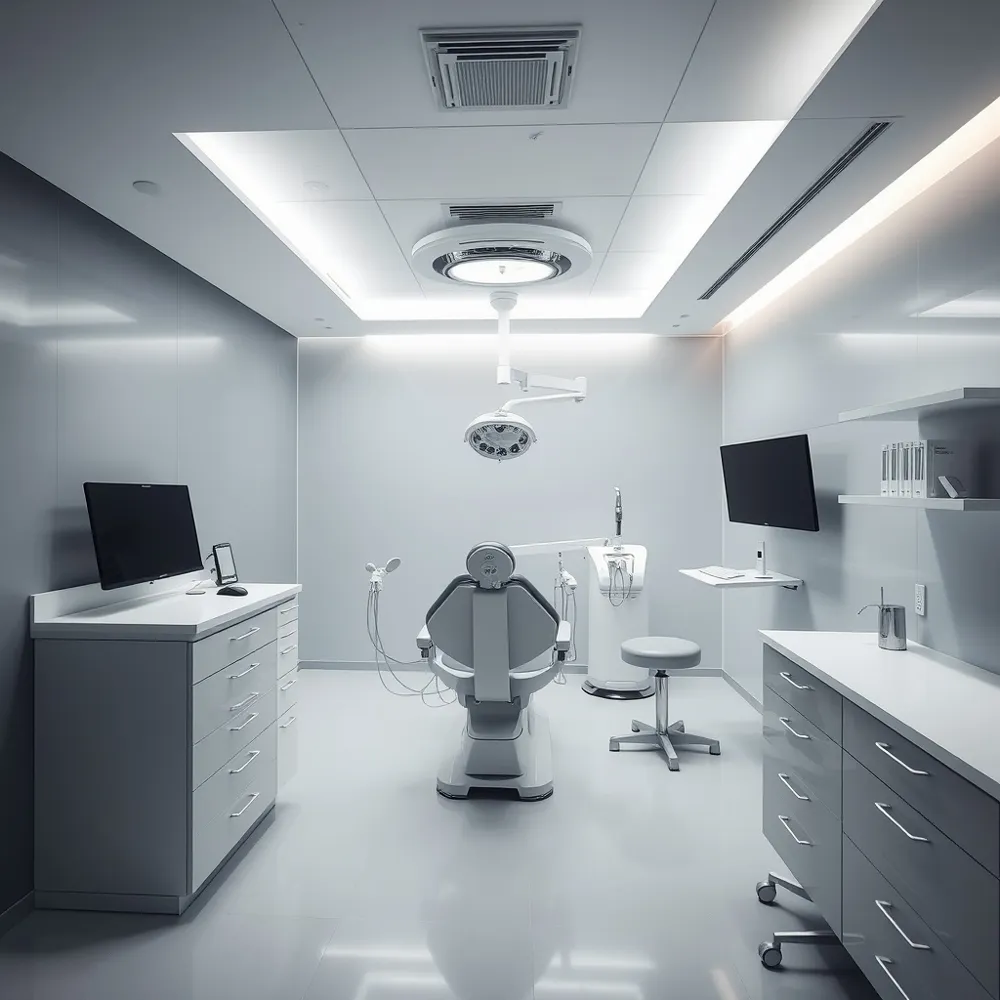
At V Dental, the incorporation of advanced technology serves as a foundation for personalized care. The practice utilizes CBCT 3D imaging to obtain highly detailed diagnostic views of oral structures, ensuring that clinicians understand the specific anatomical needs of every patient. This precision extends to procedures like dental implants, where clear visual data helps minimize risks and optimize long-term success.
Beyond diagnostics, the integration of iTero 3D scanning eliminates the need for messy, manual impression materials. This shift not only prioritizes comfort but also allows for the seamless data transfer necessary for modern CAD/CAM restoration design. By combining high-resolution intraoral cameras and digital records, V Dental ensures that patients remain fully informed partners in their own oral health journey.
Key Advantages of Modern Digital Dental Technologies
- CBCT imaging provides 3D visualizations surpassing traditional 2D X-ray anatomical limitations.
- Intraoral digital scanners eliminate the need for uncomfortable, putty-based physical impressions.
- CAD/CAM technology enables the design and manufacture of custom restorations in-office.
- High-definition intraoral cameras aid patient education by displaying live video of oral structures.
- Dental lasers perform precise surgery while sealing nerve endings to minimize post-operative bleeding.
- Computer-guided implant planning uses virtual roadmaps to ensure accurate placement of tooth replacements.
- Digital dentistry reduces environmental waste by eliminating traditional X-ray film and chemical developers.
- Artificial intelligence tools identify subtle dental decay that may escape the human eye.
- Digital workflows improve administrative efficiency by centralizing medical records and treatment documentation.
- Patients experience shorter appointment durations through the integration of streamlined digital dental systems.
1. Precision Diagnostics with CBCT Three Dimensional Imaging
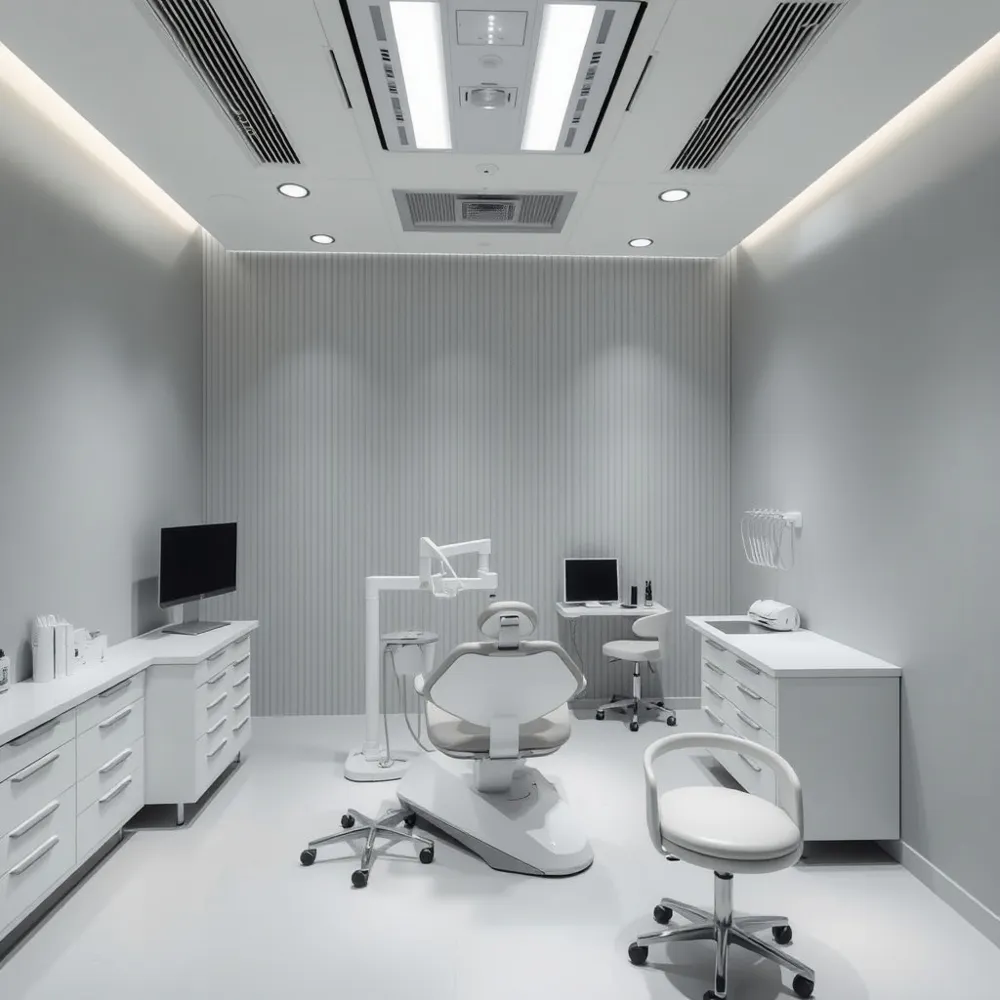 Modern dental diagnostics rely on clear, comprehensive views of a patient's anatomy. Unlike traditional two-dimensional X-rays, which offer a flattened view of complex oral structures, CBCT (Cone Beam Computed Tomography) provides detailed three-dimensional visualizations of the teeth, bone, and surrounding tissues, as reported by the National Center for Biotechnology Information.
The primary advantage of this technology lies in its ability to reconstruct 3D images, allowing for a highly accurate assessment of anatomy with minimal distortion. This level of detail is essential for clinical success, particularly when visualizing critical nerve pathways, sinus cavities, and complex bone structures that remain hidden or obscured on standard film. At V Dental, we utilize these high-resolution scans to improve our diagnostic accuracy and ensure patient safety throughout every stage of treatment planning.
By adopting this advanced approach, practitioners can better identify pathology, hidden fractures, or signs of dental trauma that 2D imaging often fails to detect. This diagnostic depth is crucial for high-stakes procedures such as dental implant placement, where the exact mapping of bone quality and volume is necessary for long-term stability. As noted by StatPearls, these tools facilitate more predictable and personalized outcomes, effectively moving the standard of care beyond what traditional methods can provide.
2. Enhanced Comfort With Modern Intraoral Digital Scanners
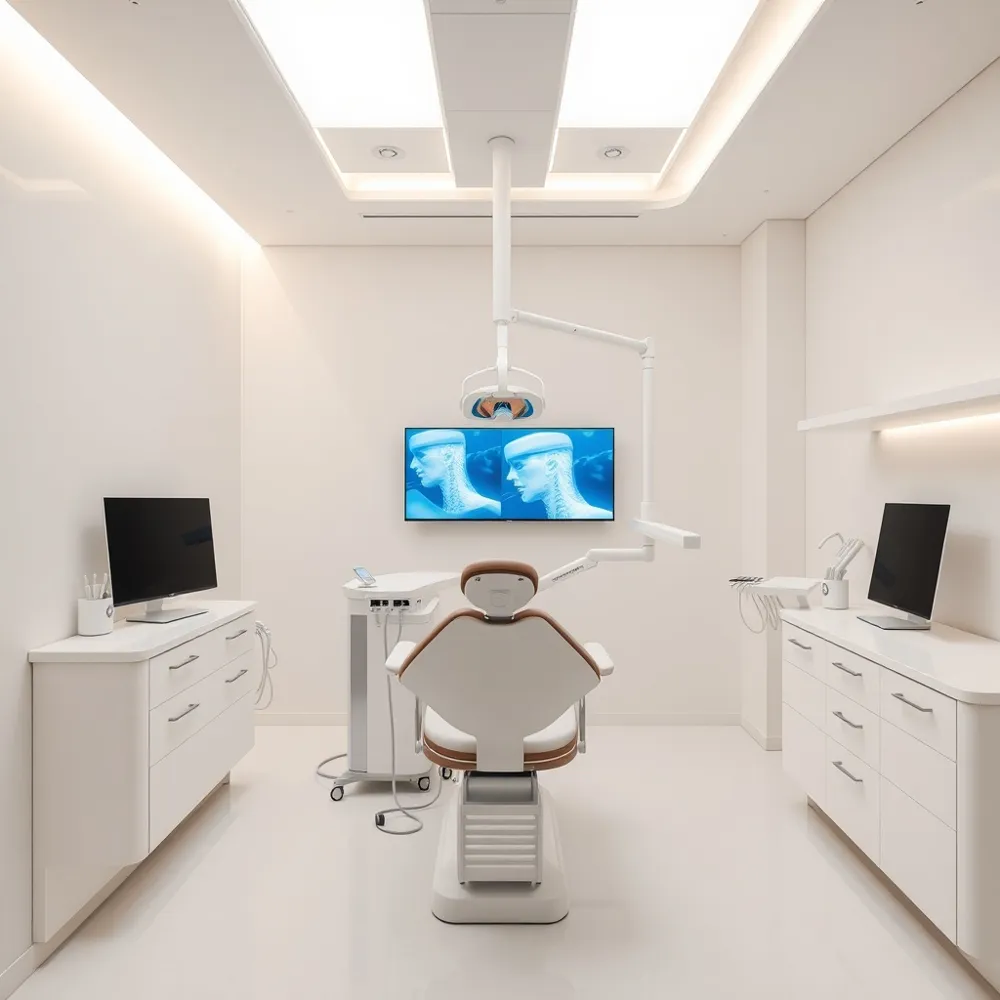 Modern imaging technologies like 3D scanning significantly enhance the patient experience by replacing uncomfortable, traditional impressions with quick, non-invasive digital alternatives. The use of intraoral scanners eliminates the need for messy, putty-based physical impressions, which can often trigger a gag reflex or discomfort during standard procedures. By capturing detailed 3D models of your teeth and gums in minutes, these tools allow for a faster and highly accurate workflow compared to analog methods.
How do modern imaging technologies like 3D scanning improve the patient experience?
These digital tools allow for precise, high-definition visualization of your oral anatomy, which facilitates clearer communication between you and your dental team regarding your personalized treatment plan. At V Dental, we utilize iTero 3D scanning in conjunction with CBCT imaging to diagnose issues more accurately and predict treatment outcomes with greater confidence. This efficiency reduces the time you spend in the dental chair while ensuring a more comfortable and streamlined appointment. Ultimately, this advanced technology leads to superior clinical results and a more transparent, anxiety-free dental journey.
3. Revolutionizing Restoration With Efficient CAD/CAM Technology
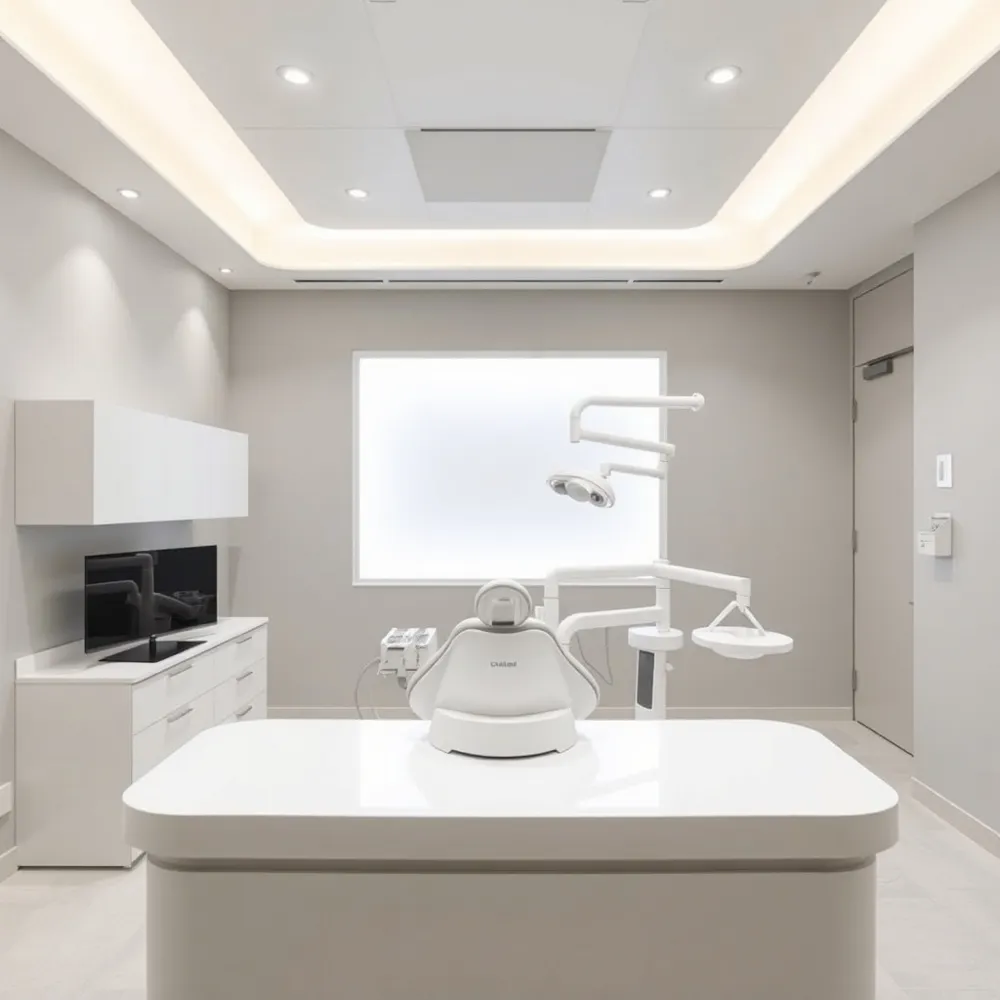 Modern restorative dentistry has moved beyond the traditional multi-visit model, thanks to CAD/CAM technology. At V Dental, we leverage this advanced system to design and manufacture custom ceramic crowns and veneers directly in our office. By bypassing the need for physical molding components, this technology allows for the creation of durable, high-precision restorations in a single session.
This efficiency eliminates the inconvenience of wearing temporary restorations while waiting for a lab to produce a permanent replacement. Because the process is completed in-house, patients avoid the logistical burden of multiple appointments, often completing the entire restorative cycle in just a few hours. Compared to clinics still reliant on external laboratories for off-site fabrication, our approach at V Dental prioritizes immediate, predictable results that match the exact anatomical needs of each patient.
High-precision manufacturing ensures that every finished piece fits with extreme accuracy, which protects the long-term health of the surrounding oral tissues. By integrating computer-aided design and manufacturing into our daily practice, we offer a modern experience that balances clinical excellence with measurable time savings.
4. Visual Communication Through Advanced Intraoral Cameras
Incorporating high-definition intraoral cameras into a routine checkup bridges the gap between clinical observation and patient understanding. These pen-sized devices capture magnified, live video of oral structures, allowing practitioners to project clear imagery of teeth and gums onto a chairside monitor. At V Dental, this technology serves as a cornerstone for patient education by turning abstract clinical findings into concrete visual evidence.
What benefits do intraoral cameras provide during a dental visit?
Intraoral cameras enable real-time visualization, which significantly increases transparency and builds trust between the care team and the patient. When patients view their own oral health status in high resolution, they gain a clearer perspective on the necessity of specific procedures, such as cosmetic bonding or restorative care. This visual engagement often leads to improved treatment acceptance and long-term compliance.
Beyond immediate communication, these images act as vital medical documentation. Detailed photography creates a longitudinal record that allows the V Dental team to monitor the stability of restorations or the progression of periodontal conditions over several years. By maintaining a reliable digital history, the practice ensures that evolving treatment plans remain grounded in accurate, visual data that persists long after the initial examination.
5. Minimally Invasive Care Using Dental Laser Technology
The integration of dental lasers represents a significant advancement for patients seeking non-invasive care. Unlike traditional scalpel-based methods, laser technology uses focused light beams to provide precise treatments on both hard and soft tissues. This precision allows for highly targeted procedures, such as gum reshaping or cavity removal, while minimizing damage to the surrounding healthy structures.
Patients often find that laser treatments reduce the common stressors associated with a dental visit. Many procedures require little to no anesthesia, as the concentrated light seals nerve endings and blood vessels during the process. By reducing the need for sutures and minimizing typical post-operative bleeding, these tools simplify the recovery phase and help patients return to their daily routines faster than analog surgical techniques.
For patients considering specialized care, V Dental incorporates modern dental technology to ensure that even complex procedures prioritize comfort and healing. While some regional clinics continue to rely on traditional manual instrumentation, the shift toward laser-assisted protocols allows for more predictable clinical outcomes and a smoother patient experience overall.
6. Optimized Surgery With Computer Guided Implant Planning
The integration of computer-guided implant surgery transforms how clinicians approach tooth replacement. By utilizing pre-operative data, practitioners generate a virtual roadmap that dictates the exact depth, angle, and position for每一颗 implants. This shift away from traditional, free-hand methods allows for the creation of customized surgical guides that ensure the final restoration aligns perfectly with the patient’s unique anatomy.
At V Dental, this level of technical precision serves as a foundation for safe, predictable outcomes. While many dental settings still rely on older, manual techniques, the use of CBCT 3D imaging at our office allows us to map nerve pathways and bone density before the procedure begins. This visualization is essential for mitigating clinical risks and ensuring that the placement of every implant avoids critical structures.
Beyond the increased safety inherent in virtual planning, patients often report a faster post-operative recovery. Because the surgical approach is mapped digitally rather than explored during the appointment, the procedure itself is less invasive. This efficiency minimizes the trauma to surrounding gum tissue and bone, resulting in better healing experiences and higher long-term success rates compared to conventional, non-guided methods.
7. Sustainability and Efficiency in Digital Workflows
The transition to digital dentistry provides significant environmental advantages by eliminating the reliance on traditional analog materials. Practices that adopt these standards reduce the consumption of hazardous chemicals formerly required for developing X-ray film, as well as the high volume of plastic and stone associated with traditional dental impressions per 2024 PMC research.
Administrative efficiency improves through the integration of Electronic Health Records (EHR) and comprehensive management software, which minimize the environmental footprint by cutting paper trail requirements. At www.vdentaltx.com, these digital systems centralize patient histories, treatment plans, and clinical photography into one secure, accessible platform. This reduction in physical waste is contrasted with older practices that still depend on bulky paper charting and manual record-keeping.
Beyond sustainability, these streamlined workflows foster better team coordination and clinical continuity. By utilizing high-resolution digital imaging and data management as recommended by the American Dental Association, the clinical team at www.vdentaltx.com can focus more on patient-centered care rather than administrative upkeep. This shift creates a more predictable environment where data security protocols and operational efficiency work together to improve patient outcomes.
8. Empowering Care Through AI and Digital Visualization
The evolution of digital dentistry is primarily driven by the integration of AI-powered diagnostics and CAD/CAM technology, which allow for highly precise and automated treatment planning. Intraoral scanners and 3D imaging, such as dental CBCT, have replaced traditional, uncomfortable molds with high-resolution digital impressions that improve both accuracy and patient comfort. Additionally, 3D printing has revolutionized restorative care by enabling the rapid, customized fabrication of dental models, surgical guides, and permanent restorations. Guided implant surgery further leverages these 3D insights to ensure optimal placement, significantly reducing recovery times. Together, these technological advancements are making modern dentistry more predictable, efficient, and deeply personalized for every patient.
Artificial intelligence acts as a sophisticated diagnostic partner, scanning radiographs to identify subtle decay or structural issues that might escape the human eye. At www.vdentaltx.com, these diagnostic aids complement clinical expertise, ensuring that patients receive timely care before minor concerns transform into significant complications. This proactive approach is further enhanced by digital smile design software, allowing patients to view a realistic preview of their aesthetic results before any work begins.
Seeing is believing, and digital visualization tools foster essential transparency during consultations. By showing patients their oral condition in high definition, dentists can help individuals set realistic outcome expectations, which increases treatment satisfaction. Whether planning cosmetic bonding or complex restorative work, the ability to visualize the end goal empowers patients to take a more active, confident role in their health journey.
Defining the Digital Dental Landscape
Digital dentistry refers to the use of dental technologies or devices that incorporate digital or computer-controlled components to perform dental procedures more efficiently than traditional mechanical tools. This shift covers the full dental workflow, connecting diagnosis, treatment planning, and production to boost both clinical precision and the patient experience. Common examples include using intraoral cameras and iTero 3D scanning to capture precise digital impressions, replacing uncomfortable physical putty. Practitioners also integrate CBCT imaging for advanced 3D diagnostic visualization, which provides significantly clearer anatomical views than traditional 2D X-rays per StatPearls research.
The integration of these systems is evident in modern clinics like V Dental, which relies on these digital platforms to deliver predictable and personalized care. Beyond diagnostics, clinicians employ CAD/CAM technology to design and manufacture restorations in-office, often in a single session. This digital ecosystem not only streamlines operations but also enhances patient communication by using highly detailed digital models to explain complex procedures. By adopting these tools, dental practices improve clinical outcomes while reducing the waste and administrative burden associated with analog workflows.
The Core Advantages of Digital Adoption
Adopting digital technologies significantly enhances precision and accuracy, minimizing the human error and material distortion often associated with traditional, analog methods. When practices like V Dental integrate tools such as intraoral scanners and CBCT imaging, they create highly detailed models that lead to more predictable treatment outcomes and better-fitting restorations. This transition streamlines clinical workflows, drastically reducing treatment durations and the need for time-consuming revisions or reprints.
What are the primary benefits of adopting digital technologies in a dental practice?
Beyond improved accuracy, these digital tools fundamentally transform the patient experience. The move away from uncomfortable physical impression materials eliminates a common source of patient anxiety and discomfort, while the efficiency of digital systems allows for shorter visits and increased convenience. As noted in research, the evolution of digital dentistry allows for high-resolution diagnostic capabilities that enable earlier intervention. By leveraging these modern assets, a practice can foster a more efficient environment, ensuring that high-quality, patient-centered care remains the standard for every procedure.
Embracing a Digital Future for Better Oral Health
The integration of digital dentistry at V Dental has fundamentally changed the patient experience. By utilizing CBCT 3D imaging and iTero 3D scanning, the practice delivers high-precision diagnostic insights that were once impossible. These digital workflows replace outdated, uncomfortable methods like messy physical impressions or traditional film-based X-rays, which often exposed patients to higher radiation levels.
Efficiency and accuracy define the modern approach at the Live Oak office. Advanced tools such as intraoral cameras empower patients by providing a clear, real-time look at their oral health, fostering deeper engagement and trust. Whether you are considering restorative procedures or preventive care, our commitment to digital technology ensures that treatment plans are tailored to your unique anatomy, leading to predictable and comfortable results.
We invite you to experience the difference that modern innovation brings to your dental visit. Embracing these advanced systems allows for quicker, more comfortable, and informed care. Visit our online portal or contact the office to schedule your next appointment and see how a digital-first approach elevates your path to better oral health.