When A Smile Feels Like You
You pause before a photo, or cover your mouth while laughing, because a visible stain keeps drawing your attention. If you feel self-conscious about tooth color, whitening may be one cosmetic option to discuss. It can lighten some discoloration, but it cannot promise a particular shade or change how everyone feels about their smile.
For some people, feeling happier with their smile may make it easier to smile in everyday conversations. Others may notice little change in their confidence. Both responses are personal, and whitening is not a measure of dental health or self-worth.
At V Dental, a family and cosmetic dentistry practice in Live Oak, Texas, teeth whitening is offered alongside preventive care and other cosmetic services. A dentist can consider the likely cause of discoloration, your oral health, and any existing dental work before discussing options. That assessment helps set expectations and identify possible concerns, such as sensitivity or restorations that will not lighten with natural teeth.
This article explains professional whitening options, what treatment can and cannot change, how results may develop, and why a dental assessment matters. It also covers general cost considerations and practical ways to maintain a brighter-looking smile, so you can weigh the choices and discuss a plan that fits your needs.
Confidence Begins With Realistic Expectations
 Feeling happier with the way your teeth look may make smiling feel more natural in conversation or photos. That response is personal, though: whitening cannot guarantee greater confidence, a better first impression, or a change in social or professional outcomes.
Whitening is a cosmetic treatment that lightens natural teeth by reducing discoloration. It can brighten a smile, but it does not create entirely new-looking teeth. The likely change depends partly on what caused the discoloration, as the American Dental Association’s whitening guidance explains.
Surface stains from foods, drinks, or tobacco may respond differently from deeper changes related to aging, medication, or other causes. A dental professional can assess the type of discoloration and discuss a realistic result. At V Dental in Live Oak, personalized treatment planning can take a patient’s goals and oral health into account.
A smile that feels healthy and cared for can matter as much as its shade. Whitening does not remove plaque or tartar, treat cavities, or replace routine cleanings and examinations. Those visits help address oral health needs that cosmetic treatment cannot.
Professional Whitening Options
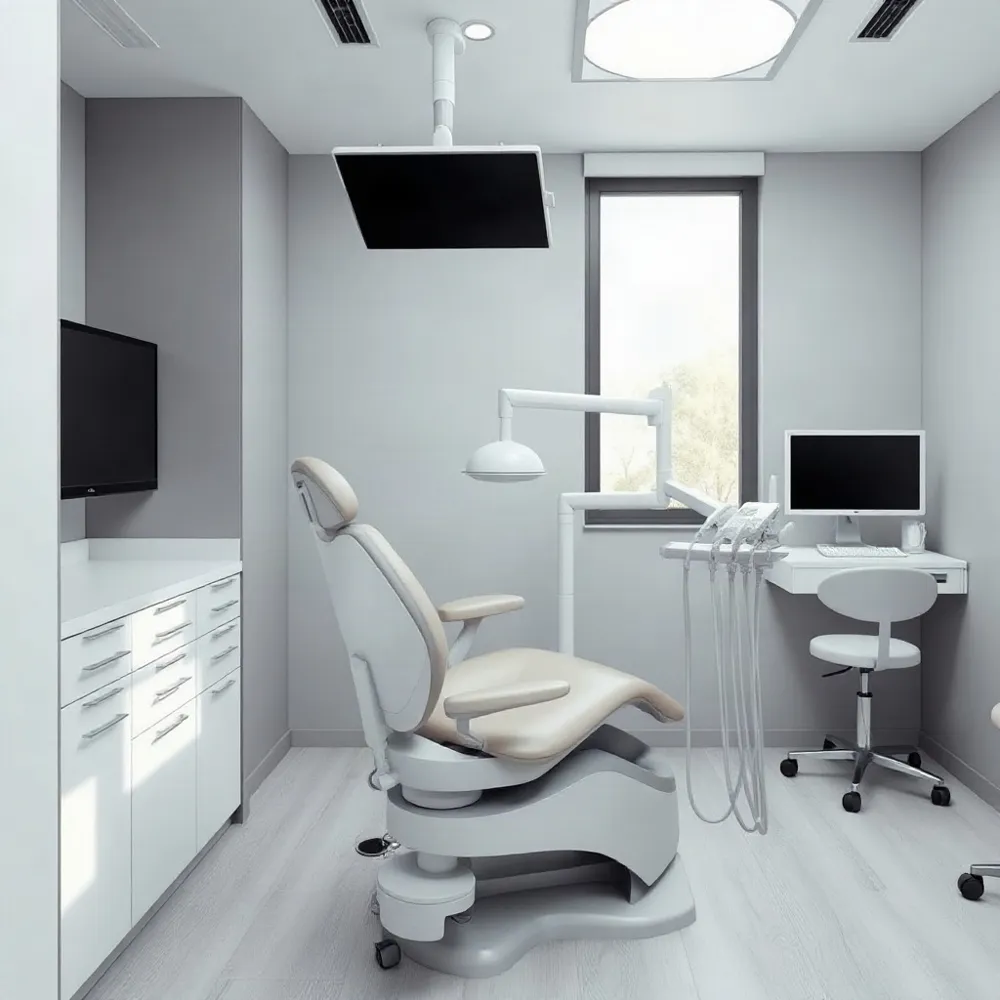 Professional whitening usually takes one of two forms: treatment in a dental office or dentist-provided gel used with custom take-home trays. Some care plans may combine the approaches, depending on the patient’s goals and oral health.
In-office whitening is completed during an appointment, so a visible change may appear sooner than with a gradual home regimen. A dentist applies whitening gel, and the process and products used vary by practice. The American Dental Association’s overview of whitening describes in-office treatment and dentist-supplied tray systems as options, with results depending on the individual and treatment.
Custom trays are made to fit a patient’s teeth and are used at home with professional whitening gel. They allow treatment to progress over days or weeks, according to the product and dentist’s directions. A fitted tray can also help limit gel contact with the gums.
Some offices offer light- or laser-assisted treatment, but extra equipment does not necessarily mean better results. A review of whitening research found no consistent evidence that light activation improves the amount or durability of whitening, and noted a possible increase in sensitivity with some protocols. The evidence review of tooth whitening also emphasizes that treatment should be chosen with the individual’s needs and risks in mind.
V Dental offers teeth whitening, but available services and protocols may vary. Ask the team which options are currently offered and whether in-office treatment, take-home trays, or a combination fits your goals, tooth condition, and sensitivity. An assessment can help set expectations before treatment begins.
What Whitening Can And Cannot Change
Yes, many yellow teeth can be lightened, especially when the color comes from surface stains. Coffee, tea, tobacco, and other pigmented foods and drinks can leave stains on enamel, while age-related yellowing may also respond to whitening. The American Dental Association’s overview of whitening explains that results depend partly on the source of the discoloration.
Surface stains, called extrinsic stains, sit on the tooth’s exterior. Intrinsic discoloration comes from within enamel or dentin and may be linked to aging, childhood medication, excess fluoride, injury, or other changes. Deeper stains can be less responsive, so teeth may remain yellow even after treatment.
The starting shade and the type and extent of staining all affect the outcome. Whitening can brighten natural teeth, but no particular shade change can be promised. At V Dental in Live Oak, Dr. Brandon Villarreal can discuss whitening as part of a personalized treatment plan, taking your concerns and dental history into account.
Whitening agents do not change the color of crowns, veneers, fillings, or other tooth-colored restorations. If natural teeth become lighter, existing dental work may stand out against them. The American Dental Association recommends considering restorations and expectations when evaluating whitening.
A dental evaluation can help identify why teeth look discolored and whether whitening is a suitable choice. If a stain is unlikely to respond well, your dentist can discuss other cosmetic options, such as bonding or veneers, based on your needs.
How Quickly Results May Appear
A change may be visible after one in-office whitening appointment, while dentist-supervised take-home trays tend to brighten teeth more gradually. The exact timing depends on the treatment plan and how your teeth respond.
An in-office visit may take about 60 to 90 minutes, and some people notice a difference after that session. With custom trays, whitening may become noticeable over several days and continue to develop with regular use over one to two weeks. These are approximate examples, not promised timelines, because protocols and individual results vary. The American Dental Association’s whitening guidance notes that treatment time and results depend on the method and the type of discoloration.
Stain type and depth, starting tooth shade, and the chosen treatment all affect how soon a difference appears and how much teeth lighten. A dental assessment at V Dental can help set expectations and consider your timeline alongside the cause of discoloration.
Teeth can look especially light just after treatment, then settle as they rehydrate. That temporary appearance is one reason to discuss the expected result rather than judging the final shade immediately.
Bleaching changes natural tooth color, but it does not lighten crowns, veneers, or fillings. If you have visible restorations, V Dental can discuss how their existing shade may affect the overall result before you choose a whitening approach.
Safety Starts With A Dental Assessment
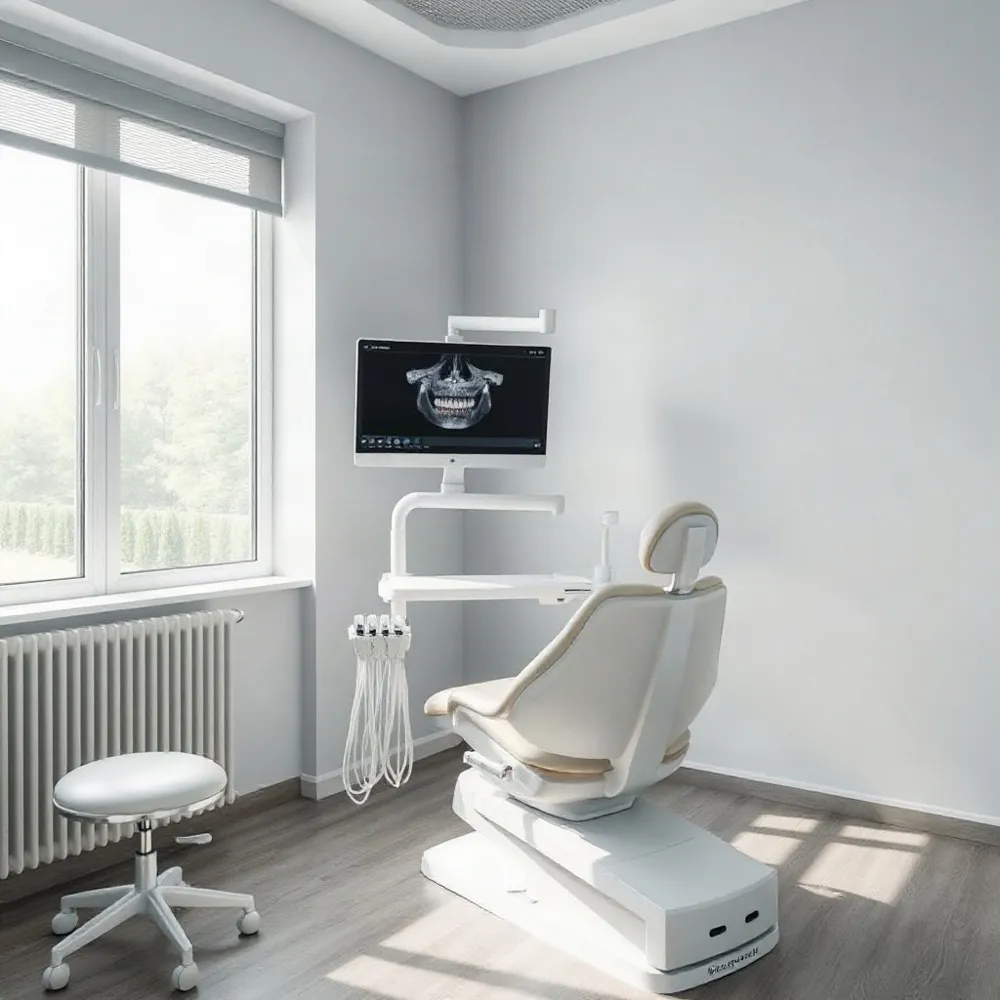 Professional whitening is generally considered safe when a dentist checks your oral health and treatment is used as directed. That does not mean every person or product is suitable for every smile. The American Dental Association’s whitening guidance recommends dental advice to help determine whether whitening is appropriate.
Temporary tooth sensitivity and mild gum irritation are the most common side effects. Sensitivity may be more noticeable with cold foods or drinks, while irritation can occur if whitening gel touches the gums. The likelihood and severity can vary with the product, its concentration, and how it is used. These effects often settle after treatment ends, but contact a dental professional if discomfort is severe, persists, or worries you.
An examination matters because cavities, gum problems, worn or damaged enamel, and other concerns may need attention before whitening. Whitening does not treat these conditions or replace routine dental care. At V Dental in Live Oak, a dental team can consider your oral health and goals when discussing whether whitening is a suitable choice.
Restorations also affect planning. Crowns, fillings, veneers, and other tooth-colored materials do not whiten like natural teeth, so bleaching can leave a difference in shade. Ask your dentist how existing dental work may affect the result and whether color matching or other treatment should be considered. The Johns Hopkins Medicine guide to teeth whitening also advises discussing restorations and sensitivity with a dental professional.
Follow your dentist’s instructions and the product directions, and avoid applying whitening more often or for longer than recommended. V Dental’s personalized treatment planning can take existing dental concerns into account before you begin. If symptoms continue after stopping treatment, or you notice a new problem, seek advice rather than restarting on your own.
Professional Care And Home Products
Professional whitening and store-bought products differ in how they are selected and applied. A dentist can examine your teeth and gums, consider sensitivity and the type of staining, and recommend an option that fits your oral health and goals. In-office treatments generally use higher peroxide concentrations than many over-the-counter products, which may help produce a more noticeable change sooner.
At V Dental in Live Oak, Dr. Brandon Villarreal offers teeth whitening alongside preventive and cosmetic care. Discussing your preferences and dental history with the team can help determine whether an office treatment or a home approach is appropriate.
Dentist-provided custom trays are made to fit your teeth, helping keep whitening gel in place and limit contact with the gums. Retail strips, gels, and trays are convenient, but they may use lower-strength ingredients, take longer to show a change, or fit less closely. Poor fit or incorrect use can contribute to uneven whitening, tooth sensitivity, or gum irritation. Follow the specific product directions and do not apply products more often or for longer than instructed.
Whitening toothpaste is another at-home option, but its main action is removing some surface stains with abrasives. It generally has little effect on intrinsic color within the tooth, so persistent discoloration may need a dental assessment. Crowns, fillings, and veneers do not whiten like natural teeth, which can lead to a shade mismatch. The American Dental Association’s guidance on whitening explains these limits and the value of discussing treatment suitability with a dentist.
Household remedies should not be treated as proven substitutes for evaluated whitening products. The ADA notes that evidence for methods such as charcoal, fruit mixtures, and oil pulling is limited or insufficient, and some mixtures may be abrasive or ineffective. If you are considering whitening, a dentist can help weigh the options against your teeth’s condition and the result you hope to achieve.
Understanding Costs And Coverage
Professional whitening fees vary by treatment method, dental office, and location, so there is no single standard price. The total may also depend on the plan recommended for your teeth and goals.
In-office whitening may cost more than dentist-provided take-home trays, but the options differ in how treatment is delivered and how quickly results may appear. At V Dental in Live Oak, a dentist can discuss suitable approaches and provide a current, individualized estimate before you decide.
Dental insurance often excludes whitening because it is considered elective cosmetic care rather than medically necessary treatment. Coverage and out-of-pocket costs vary by plan, so check your benefits or contact your insurer before scheduling.
Ask whether your plan has specific rules for cosmetic services and whether any related examination or other care is handled differently. V Dental can explain the proposed whitening plan and its fee, helping you compare the options with your budget without relying on prices quoted by other offices.
Maintaining A Brighter Smile
How long do teeth-whitening results last, and how can you maintain them? Results are not permanent, and their longevity varies with the whitening method, your starting shade, and everyday habits. A review of whitening research notes that staining foods and drinks and tobacco can lead to re-staining, so a fixed timeline cannot be promised (tooth-whitening research review).
Coffee, tea, red wine, dark sauces, and other deeply colored foods can contribute to new surface stains. Moderating them may help, and rinsing with water after eating or drinking can clear some residue. Avoiding tobacco also reduces exposure to a common source of discoloration.
Brush consistently with fluoride toothpaste and floss daily to remove plaque and food debris. Regular dental cleanings and examinations support oral health and can address some surface stains, but they do not guarantee that whitening will last. The ADA advises discussing whitening and maintenance with a licensed dentist, since the appropriate approach depends on the individual smile (ADA whitening guidance).
A dentist may suggest touch-ups for some patients, but the timing and product should be chosen for the person, not treated as a universal schedule. Follow the product directions and professional advice rather than repeating whitening whenever teeth look slightly darker. At V Dental in Live Oak, whitening is one of the cosmetic services that can be considered alongside a personalized treatment plan.
Crowns, veneers, and fillings do not lighten like natural teeth, so whitening can leave a difference in shade between restorations and surrounding teeth. Mention existing dental work when discussing maintenance with your dentist; it may affect whether and when a touch-up makes sense.
Choose A Plan That Fits Your Smile
A brighter smile may help some people feel more comfortable smiling, but the emotional effect is personal, and whitening is not the right choice for everyone. A dentist can assess your teeth and oral health before recommending an approach, as explained in the American Dental Association’s whitening guidance.
For Live Oak-area patients, V Dental is a family and cosmetic dentistry practice led by Dr. Brandon Villarreal. A conversation with the dental team can cover what may be causing discoloration, whether sensitivity or existing restorations affect your options, and how treatment timing and costs fit your plans.
Whitening is a cosmetic option, not a substitute for preventive care. Keep up with dental examinations and cleanings, and address cavities or gum concerns before considering treatment. Choosing a plan around your goals and oral health can help set realistic expectations and support a smile that feels like your own.