The Digital Revolution in the Dental Chair
Digital tools have sharply improved how dentists diagnose problems and plan treatments. High-resolution intraoral cameras let patients see exactly what the dentist sees, which builds trust and makes it easier to explain why a particular procedure is needed. Practices using these tools report faster case acceptance because patients no longer have to take a diagnosis on faith.
CBCT 3D imaging is another important step forward. Unlike traditional 2D X-rays, a CBCT scan captures the full anatomy of the jaw in three dimensions, which helps in precise implant placement and root canal treatment. At V Dental, we combine CBCT imaging with iTero 3D scanning for clear aligner therapy, so your treatment plan is built on accurate, personalized data rather than guesswork.
Why Patients Notice the Difference
Comfort is a big part of the appeal. Digital scanners replace the goopy, uncomfortable impression material many people remember, and that alone makes visits easier for anxious patients. In our Live Oak practice, we use iTero scanning for Invisalign impressions, which shortens the process and improves the fit of aligners.
Because digital records are stored and shared easily, your care is more coordinated. A clear image or a 3D model can be sent instantly to a specialist or a lab, which speeds up treatment and reduces the chance of errors. This is a practical way that technology improves outcomes across a range of procedures, from veneers to full-mouth restorations.
| Technology | Old Method | Benefit at V Dental |
|---|---|---|
| Intraoral camera | Verbal description | You see what the dentist sees |
| CBCT 3D imaging | 2D X-ray | More accurate implant planning |
| iTero scanner | Goopy impressions | Faster, more comfortable scans |
What Is Digital Dentistry?
Beyond patient comfort, digital tools improve the accuracy of diagnosis and treatment. Intraoral scanners like the iTero capture detailed 3D images in minutes, and studies show this technology increases patient understanding and acceptance of treatment plans, as highlighted in research on digital impressions. This precision extends to planning procedures such as dental implants and aligner therapy.
Accuracy. Digital impressions and CBCT 3D imaging eliminate the guesswork of traditional molds, letting dentists see the exact anatomy and plan procedures with greater confidence.
Efficiency. Chairside scanning with iTero 3D scanning reduces appointment times, allowing same-day crowns and faster delivery of clear aligners compared to older workflows.
Comfort. Patients skip the goopy impression material; the 5 benefits of iTero 3D scanning include a less invasive experience, which is especially valuable for anxious patients.
Modern dental technology also improves communication. When patients see their own teeth on a screen and watch a digital preview of their future smile, they become active participants in their care. This transparency builds trust and reduces the anxiety that often accompanies dental visits, as noted in how dental technology improves patient comfort.
At V Dental, these tools are part of the standard of care. The practice uses iTero 3D scanning for everything from Invisalign treatment planning to cosmetic veneers. Unlike generic digital workflows, V Dental pairs the technology with personalized treatment plans and flexible financing, so patients in Live Oak get both the high-tech accuracy and the human touch that make the process comfortable.
The impact on outcomes is measurable. Digital impressions reduce the risk of misfit for crowns and bridges, and 3D imaging helps catch issues that flat X-rays miss, such as early decay or bone loss. This means fewer remakes, shorter treatment times, and a more predictable path to a healthy smile.
CBCT 3D Imaging: A Closer Look
Digital dentistry. Digital dentistry refers to the use of computer-controlled and computer-guided tools to plan, diagnose, and deliver dental care. Rather than relying on manual impressions, film-based X-rays, and guesswork, digital workflows use 3D imaging, intraoral scanners, and CAD/CAM technology to create precise, predictable outcomes.
Why it matters. For patients, digital dentistry translates into faster visits, fewer repeat appointments, and a more comfortable experience. For dentists, it means greater accuracy, better communication of treatment plans, and the ability to conserve healthy tooth structure.
Traditional dentistry relied on physical impressions that could be messy and uncomfortable. Digital tools have replaced much of that with 3D scans that capture the mouth in seconds. iTero 3D scanning eliminates the goopy impression material many patients dreaded, making the process faster and more pleasant.
The shift is not just about comfort. Digital X-rays expose patients to up to 90% less radiation than traditional film, while CBCT 3D imaging provides a three-dimensional view of teeth, roots, and bone. This level of detail supports more accurate diagnosis of issues that flat X-rays can miss, such as hidden decay or bone loss.
What Sets Modern Dental Technology Apart
Modern dental technology improves patient care in several measurable ways. Digital scans are faster and more precise than impressions. 3D imaging supports better implant planning. Intraoral cameras let patients see what the dentist sees, which builds trust and understanding. These are not gimmicks; they are tools that change the quality and comfort of care.
- Faster diagnosis and treatment planning
- Fewer and shorter appointments
- More accurate fit for crowns, aligners, and implants
- Better patient communication and education
- Reduced radiation exposure compared to traditional X-rays
For example, CBCT imaging is a cornerstone of modern implant dentistry. It shows bone density and nerve pathways in three dimensions, so the dentist can place implants with precision that was impossible with 2D X-rays alone. This reduces the risk of complications and improves long-term success.
How Digital Tools Improve the Patient Experience
Patient comfort is at the heart of digital dentistry. Intraoral scanners like the iTero are small, wand-like devices that take a detailed digital impression in minutes. There is no gagging, no bulky tray, and no waiting days for a mold to be sent to a lab. The scan is instantly available on screen, and the dentist can show you exactly what is happening in your mouth.
Beyond the chair, digital tools streamline everything from checkups to emergency care. For instance, digital dental technology improves patient comfort by reducing the need for numbing injections in some cases and shortening the time spent with instruments in the mouth.
The Practical Payoffs of Going Digital
Faster turnaround. Digital impressions are sent electronically to labs, cutting wait times from weeks to days. This matters for treatments like Invisalign, where a precise scan creates a clear aligner that fits better and works faster.
Greater precision. With 3D imaging and CAD/CAM, dentists can design restorations to fit with near-perfect accuracy. This means fewer adjustments, less chair time, and a more natural look and feel.
Better communication. Intraoral cameras and 3D models help patients understand their own treatment plan. When you can see a cavity or a cracked tooth on a screen, it's easier to grasp why a filling or crown is needed.
V Dental integrates these technologies into every stage of care. The practice uses iTero 3D scanning for clear aligner assessments, CBCT imaging for implant planning, and digital X-rays for low-radiation diagnosis. Patients benefit from treatment plans built on real data, not estimates.
| Technology | What It Does | Patient Benefit |
|---|---|---|
| Intraoral scanner | Captures 3D digital impressions | No goopy material; faster, more comfortable |
| CBCT 3D imaging | Shows teeth, bone, and nerves in 3D | Better implant planning and diagnosis |
| Digital X-rays | Low-radiation images of teeth and bone | Up to 90% less radiation exposure |
| CAD/CAM | Designs and mills restorations in-office | Same-visit crowns, fewer appointments |
In short, digital dentistry is not about novelty. It is about providing care that is more precise, more comfortable, and more transparent. As technology continues to evolve, the gap between traditional and digital approaches will only widen — and patients are the ones who benefit most.
iTero 3D Scanning Comfort
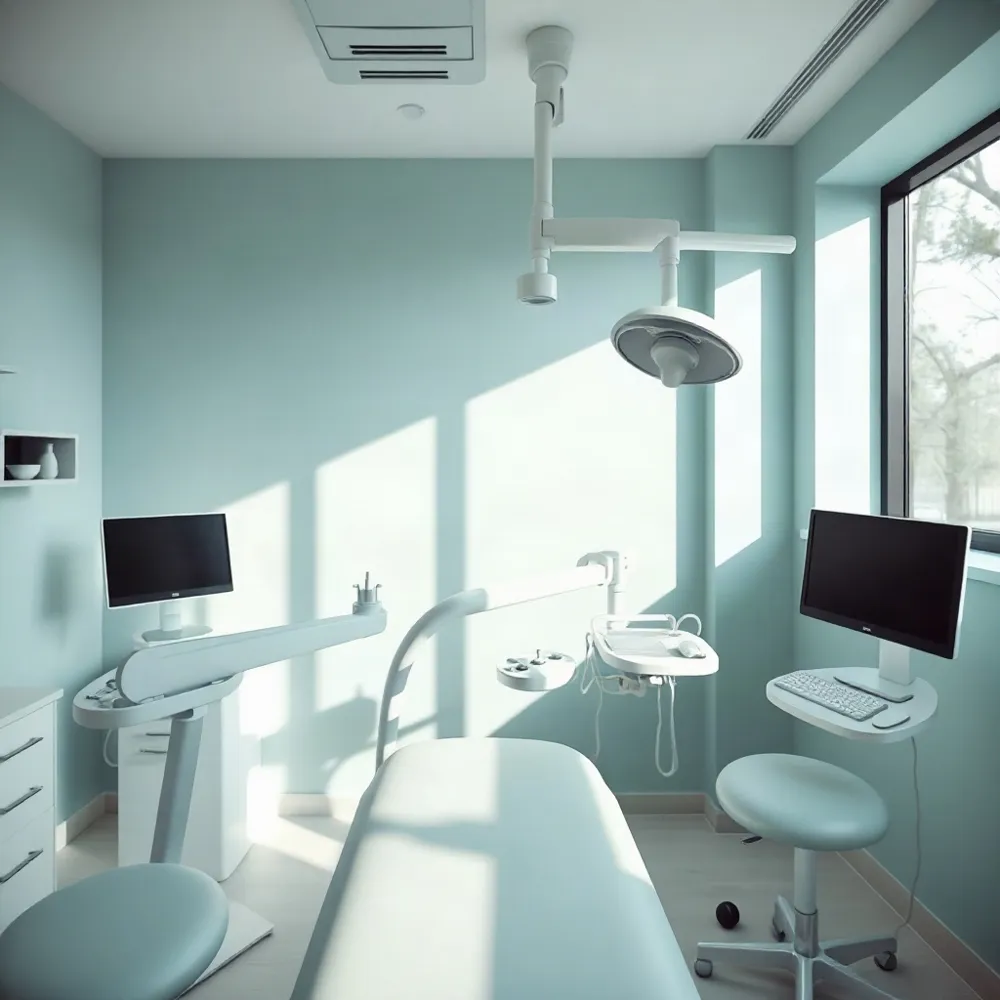 A 2024 study in PMC on patients' knowledge and perceptions of digital dentistry reports that most participants found digital impressions more comfortable than traditional ones, with many preferring them for follow-up care. Patients' Knowledge and Perceptions Towards Digital ... This preference is one reason more Live Oak practices, including V Dental, are retiring the goopy, gag-inducing alginate trays in favor of intraoral scanners.
Intraoral Scanners: The End of Goopy Impressions
Traditional impressions require a tray filled with viscous material that can trigger the gag reflex. Intraoral scanners like the iTero and Itero 3D systems replace that with a slim wand that captures thousands of images per second. Discover 5 Benefits Of iTero 3D Scanning Dental Technology At V Dental, the same iTero technology used for clear aligner checks also creates instant 3D models for crowns, veneers, and Invisalign, so you skip the gagging and the goop.
For a practice that treats anxious patients, the comfort payoff is immediate. As one dental blog notes, patients often comment that scanning feels like a simple "camera in the mouth" rather than a dental procedure. V Dental combines that gentle scan with sedation options, making even complex procedures feel manageable.
CBCT Imaging: Three-Dimensional Diagnosis in Minutes
Where traditional X-rays give a 2D flat image, cone beam computed tomography (CBCT) builds a 3D model of your teeth, roots, nerves, and jawbone. Accurate diagnosis with CBCT in Salt Lake Modern Dentistry explains how this technology reveals issues that plain films miss, such as hidden infections, impacted teeth, or the exact position of a nerve before implant placement.
V Dental uses CBCT 3D imaging in-house, which means your implant or root canal plan is based on a complete picture of your anatomy, not a guess. This reduces the chance of complications and shortens your time in the chair. For patients comparing options, this is a concrete difference: while some nearby offices refer you to an outside imaging center, V Dental captures the scan during your visit, so you leave with a diagnosis, not a referral.
| Technology | What It Replaces | Patient Benefit |
|---|---|---|
| iTero / Itero 3D scan | Goopy trays | No gagging, instant models |
| CBCT 3D imaging | 2D X-rays | 3D view for accurate diagnosis |
| Digital X-rays | Film X-rays | Up to 90% less radiation |
| Intraoral camera | Mirror exams | See what the dentist sees |
Digital X-Rays and Intraoral Cameras
Digital X-rays expose patients to significantly less radiation than traditional film, and the images appear on a screen within seconds. Combined with an intraoral camera, they let you see the same decay or crack the dentist sees, which builds trust and makes treatment recommendations feel more like a shared decision. V Dental pairs these tools with its family-friendly approach, so even children understand what's happening.
Patients often ask whether all this technology means higher fees. At V Dental, the modern equipment is part of the standard diagnostic process, and flexible financing keeps care accessible. In contrast, some competitors charge per scan or require separate imaging visits, which adds time and cost to your treatment plan.
Building Trust Through Digital Imaging
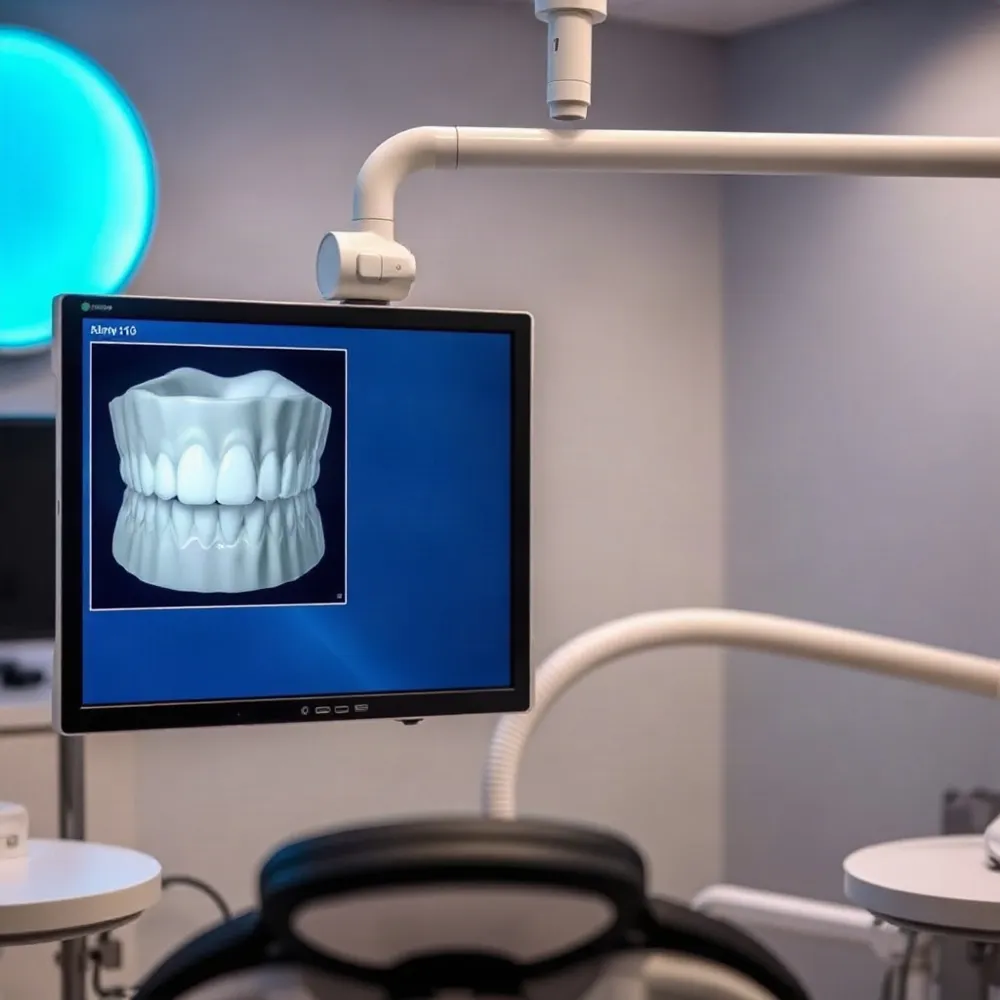 Intraoral cameras are among the most effective tools for closing the gap between what the dentist sees and what the patient understands. These small, pen-sized devices capture high-resolution images and real-time video inside the mouth, displaying them instantly on a chairside monitor. Instead of relying on technical jargon or abstract explanations, the dentist can point to the exact tooth, line of decay, or cracked filling visible on screen. This shared visual reference turns a vague description into a concrete, memorable conversation.
The impact on patient comprehension is significant. When people can see their own dental condition, they are more likely to understand the need for treatment and accept the recommended procedure. A study published in the National Library of Medicine highlights that patients who view intraoral images report better understanding and recall of their dental conditions, which reduces anxiety and builds trust. At V Dental in Live Oak, Texas, we integrate intraoral cameras into every comprehensive exam, allowing Dr. Brandon Villarreal to walk patients through their imaging in real time and answer questions on the spot.
This visual approach also transforms the treatment planning conversation. Rather than describing a cavity or a worn tooth in abstract terms, the dentist can show the image and explain what will happen during the restoration, what material will be used, and why the specific approach is recommended. For families, this is especially valuable: parents can see exactly what their child’s teeth look like and understand the rationale behind a recommended filling or sealant. The result is a more collaborative, informed decision-making process.
Competing practices often rely on verbal explanations or static X‑rays, which many patients find confusing. V Dental pairs the live intraoral camera view with digital X‑rays and 3D imaging to give a complete picture. This layered approach ensures that nothing is left to imagination, and it directly addresses the common patient concern of “how do I know this is really needed?” By seeing the evidence firsthand, patients feel more in control and less like they are being sold a procedure.
The Comfort Factor of Modern Scanning
Traditional dental impressions often trigger a gag reflex and create significant discomfort. Patients are asked to bite down on a tray filled with a thick, putty-like material that can feel cold, messy, and claustrophobic. Modern intraoral scanning, such as the iTero 3D scanner, eliminates that unpleasant experience entirely. Instead of goopy trays, a small wand is glided over the teeth, capturing thousands of images per second to create a precise digital model. The process is fast, comfortable, and well tolerated by patients of all ages, including children who are often the most anxious.
Beyond comfort, the scan provides instant, accurate data. This digital impression feeds directly into treatment planning for clear aligners, crowns, and other restorations, removing the need for remakes that are common with traditional impressions. The iTero scanner also includes advanced visualization tools, allowing patients to see a preview of their potential post-treatment smile. For a patient considering Invisalign, this is a powerful motivator: they can visualize the end result before committing to treatment. At V Dental, we use iTero scanning to make every visit easier and more engaging.
The shift from analog to digital also means fewer repeat visits. When a traditional impression is distorted or inaccurate, the patient must return for a new one. Digital scans are consistent, and the data is stored securely in the patient’s record, allowing for easy reference during follow-up appointments. This efficiency benefits both the patient and the practice, reducing chair time and improving overall satisfaction. The same technology that improves comfort also supports more accurate diagnosis and treatment, which is a win for everyone involved.
CBCT 3D Imaging for Precise Diagnosis
While intraoral cameras and 3D scanners handle the visible surfaces, cone beam computed tomography (CBCT) provides a three-dimensional view of the entire oral and maxillofacial region. Unlike traditional 2D X‑rays, which can obscure structures due to overlapping anatomy, CBCT produces high-resolution images of the teeth, roots, bone, nerves, and sinuses. This level of detail is essential for complex procedures such as dental implant placement, root canal therapy, and impacted tooth extraction. A CBCT scan allows the dentist to assess bone density, locate anatomical landmarks, and plan the surgical approach with a precision that would be impossible with flat images alone.
The value of CBCT becomes clear in implant dentistry. Before placing an implant, the dentist needs to know the exact dimensions of the available bone, the proximity to the mandibular nerve, and the angulation of the implant site. With a CBCT scan, this information is available in a single, quick scan that takes just a few seconds. The technology also supports the use of surgical guides, which are 3D printed templates that guide the drill precisely during placement, reducing surgical time and improving outcomes. For patients, this translates to fewer surprises during surgery, a smoother recovery, and a higher success rate.
For complex cases, the combination of intraoral scans and CBCT data allows for comprehensive digital planning. The dentist can overlay the 3D model of the teeth with the CBCT bone scan to simulate the entire procedure before making a single incision. This virtual planning is a game-changer for full-mouth rehabilitations, allowing the clinical team to anticipate challenges and prepare solutions in advance. At V Dental, we incorporate CBCT 3D imaging for implant consultations and surgical planning, ensuring that our patients benefit from the highest level of diagnostic accuracy.
Streamlining Workflow and Reducing Errors
Digital dentistry is not just about patient comfort; it also enhances the practice's workflow. With intraoral scanning, the need for traditional impression materials and the associated lab shipping time disappears. The digital file is sent electronically to the dental lab, where the restoration is fabricated using CAD/CAM technology. This reduces turnaround time for crowns, bridges, and veneers from weeks to days. For patients, this means fewer visits and less time in the chair.
The accuracy of digital impressions also reduces the incidence of ill-fitting restorations. Traditional impressions can distort due to moisture, tissue movement, or air bubbles, leading to a poorly fitting crown that may need to be redone. Digital scans capture the exact geometry of the prepared tooth, ensuring a precise fit the first time. This reduces the need for adjustments and repairs, saving time and money for both the patient and the practice. It also improves the longevity of the restoration, as a well-fitting crown is less likely to cause secondary decay or gum irritation.
Beyond the lab, digital records improve the overall patient experience. Images and scans are stored electronically, making it easy to show patients their progress over time, track changes, and share information with specialists when needed. This seamless flow of information reduces the risk of miscommunication and ensures that everyone involved in the patient's care is on the same page. At V Dental, we are committed to staying at the forefront of dental technology so that we can offer our patients the most efficient, accurate, and comfortable care possible.
| Technology | What It Does | Benefit to Patient |
|---|---|---|
| Intraoral Camera | Captures live images of teeth and gums | Better understanding and trust |
| iTero 3D Scanner | Creates digital impressions | No gagging, instant results |
| CBCT Imaging | 3D view of bone and anatomy | Precise implant planning |
| Digital X‑rays | Reduced radiation, instant images | Faster diagnosis, less exposure |
| CAD/CAM | Designs and mills restorations | Same-day crowns, fewer visits |
Patient Feedback on Digital Treatments
The shift to digital dentistry is as much about the patient experience as it is about clinical precision. When a practice adopts tools like intraoral scanners and 3D imaging, the most immediate change patients notice is comfort: no more goopy, gag-inducing impression material, no long waits for a separate imaging appointment. A 2020 study in PMC found that patients generally hold positive perceptions of digital technologies and that clear communication about the tools enhances their satisfaction and acceptance of care. That communication is exactly what separates a practice that merely owns a scanner from one that puts it to work for the patient.
For families in Live Oak, Texas, V Dental pairs these advances with a personal touch that general brochures rarely mention. The team doesn't just run the iTero 3D scanner; they explain what the screen shows, walk through the digital model, and let you see your own smile before treatment begins. This turns a clinical step into a shared decision point, which builds trust. Compare that to a traditional office that still relies on film X-rays and physical impressions, where the patient is often a passive recipient of care rather than an active participant.
What Modern Dental Technology Actually Changes
Modern dental technology improves patient comfort in concrete ways. Intraoral scanners like the iTero replace the unpleasant putty impression with a quick wand pass, and the scan appears on screen in real time. CBCT (cone beam computed tomography) gives a 3D view of the jaw that flat X-rays can't match, which is especially valuable for implant planning and for checking for hidden infection. These tools reduce the number of visits and the guesswork, which matters when you're scheduling a procedure around work or school.
Comfort. Digital impressions are faster and far less invasive than traditional putty. Patients who gag or have a strong gag reflex especially appreciate this.
Speed. Many scans are complete in under a minute, and the 3D model is available instantly. This shortens appointment times and often allows same-visit treatment planning.
Accuracy. Digital models and CBCT images are more precise than film, which reduces the chance of ill-fitting crowns or poorly placed implants.
The same principle that makes a CBCT scan valuable for implant placement also applies to everyday checkups. At V Dental in Live Oak, the CBCT 3D imaging is used not just for surgical planning but also for catching issues early, from impacted wisdom teeth to sinus problems that might show up on a routine exam. The technology doesn't replace the dentist's judgment; it gives the dentist better information to share with you.
Trust is the real product of all this gear. When a practice invests in modern tools and trains its team to use them well, patients feel it. A 2020 PMC study of patient perceptions noted that knowledge about digital devices correlates with more positive attitudes, which is why V Dental takes the time to explain what each scan shows and what it means for your treatment plan. You're not just handed a prescription for care; you're given the evidence to agree with it.
For those still on the fence about whether a digital-first practice is right for them, the decision often comes down to outcomes and peace of mind. Fewer remakes, fewer surprises, and a clearer picture of what's happening in your mouth are hard to argue with. V Dental offers flexible appointments and financing options, which means the transition to better technology doesn't have to be a financial strain. Whether it's an Invisalign consult that starts with a digital scan or a routine filling planned on a 3D model, the goal is the same: a visit that feels as good as the smile it creates.
| Technology | What It Does | Patient Benefit |
|---|---|---|
| iTero 3D scanner | Digital impressions in under a minute | No goopy putty, faster visits |
| CBCT 3D imaging | 3D view of jaw, teeth, and nerves | Precise implant planning, fewer surprises |
| Intraoral cameras | Shows the inside of your mouth on screen | Better understanding, less guesswork |
A Dentist Near Live Oak, TX
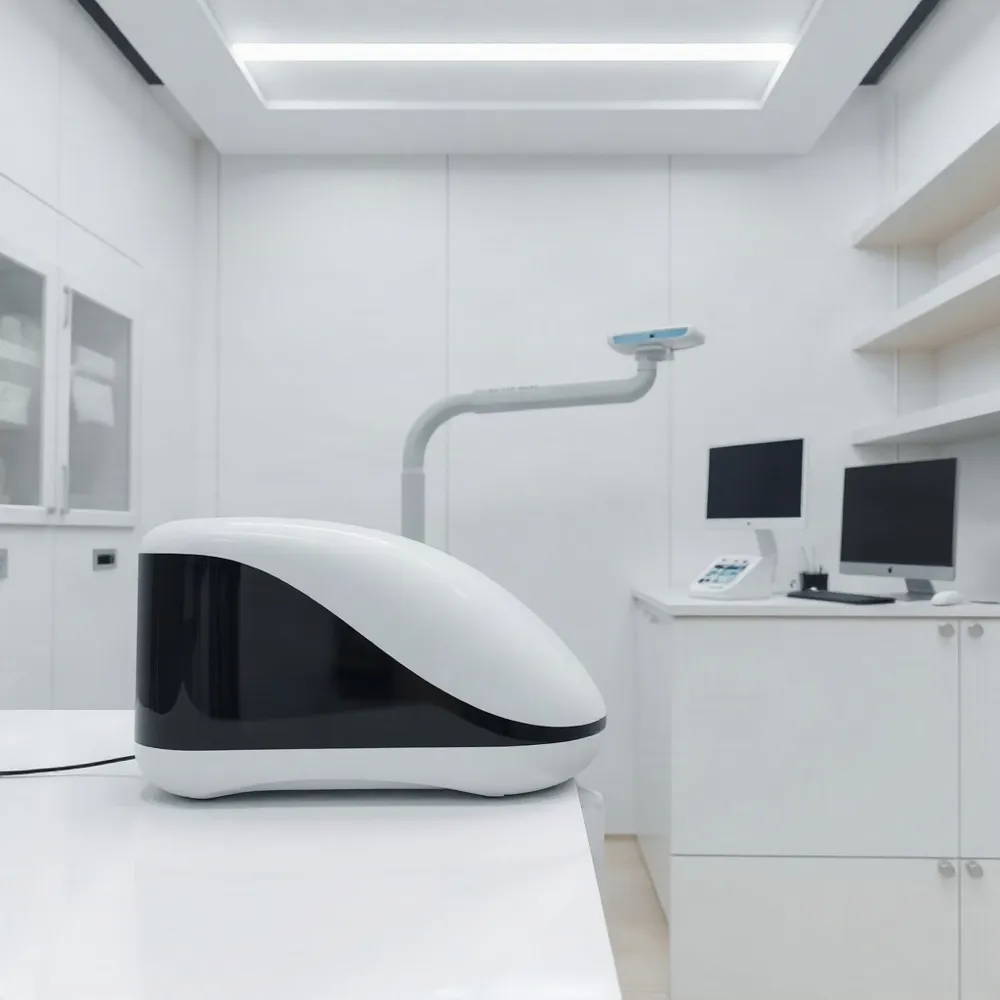 Digital dentistry describes the use of computer-controlled tools and imaging systems to replace or assist traditional manual techniques. Instead of relying solely on visual inspection, physical impressions, and film-based X-rays, modern practices use sensors, 3D scanners, and specialized software to plan and deliver care. This shift touches everything from routine cleanings and cavity detection to complex procedures like implants and full-mouth restorations.
The change is more than cosmetic. Digital tools often reduce appointment times, improve diagnostic accuracy, and make procedures more comfortable for patients. For example, intraoral scanners replace the messy, goopy impressions that many people dread, while 3D imaging gives dentists a detailed view of structures that plain X-rays miss. For the patient, this often means fewer visits, less rework, and a more predictable experience overall.
One of the most visible upgrades is the intraoral scanner. Instead of biting into a tray of putty, a small wand captures thousands of images per second to create a precise digital model. This data feeds directly into treatment planning tools for clear aligners, crowns, and other restorations. Practices that adopt this technology, such as V Dental, use it to streamline workflows and reduce the margin for error that comes with manual impressions.
Another pillar is 3D imaging, particularly cone-beam computed tomography (CBCT). Unlike standard X-rays that produce a single flat image, CBCT builds a three-dimensional model of the jaw, teeth, and surrounding anatomy. This is invaluable for implant placement, where knowing the exact position of nerves and sinuses can make the difference between a routine procedure and a complication. Dental 3D imaging provides the kind of detail that supports safer, more accurate treatment decisions.
Digital tools also improve patient education. With an intraoral camera or a 3D scan on the screen in front of them, patients can see exactly what the dentist sees. This transparency builds trust and helps people understand why a particular treatment is recommended. It turns a vague explanation into a visual conversation, which often leads to higher acceptance of treatment plans and better outcomes.
However, digital dentistry is not a single product but a spectrum of technologies. Some practices adopt a single tool, while others build an entirely paperless, image-based workflow. The key is how well these systems integrate into the daily routine and whether they genuinely improve the patient experience. When implemented thoughtfully, digital tools reduce chair time, improve diagnostic confidence, and often make the visit less stressful for both patient and provider.
Embracing the Future of Dental Care
Reviews from patients offer a window into what it's actually like to sit in our chair. Across Live Oak and nearby communities, people consistently call out the same things: the gentle touch, the clear explanations, and the way modern technology takes the anxiety out of the visit. One patient wrote that the iTero scanner made their Invisalign consult feel like a game, not a chore. Another mentioned how the 3D imaging made them finally understand their treatment plan for the first time.
What stands out in the feedback is how often people mention feeling heard. They come in nervous, leave confident, and bring their families back. Whether it's the absence of goopy impressions or the speed of a digital X-ray, the details add up. These aren't just compliments; they're a signal that the technology we use translates into real comfort and clearer outcomes.
- Warm, welcoming staff who take time to answer every question
- Minimal discomfort during procedures, thanks to advanced tech like CBCT and intraoral cameras
- Transparent pricing and flexible financing options
- Appointments that respect your time
Of course, online reviews only tell part of the story. The full picture comes from experiencing it yourself. Ready to see why patients keep recommending us? Book an appointment or explore our services to plan your visit.