Why a Trusted Family Dentist Matters
A family dentist is a licensed oral‑health professional who treats patients of all ages—from infants to seniors—providing preventive, restorative, orthodontic and cosmetic services under one roof. This continuity of care creates a "dental home" where the same team tracks oral‑health history across generations, building trust and allowing early detection of issues that may run in families. Modern dental technology—such as CBCT 3‑D imaging, digital X‑rays, intra‑oral cameras and iTero 3‑D scanners—enhances diagnostic accuracy, reduces radiation exposure and speeds treatment, making procedures like Invisalign aligners and implant placement more comfortable and precise. Personalized treatment plans tailor preventive care, fluoride applications, orthodontic options and cosmetic enhancements to each family member’s age, health status and aesthetic goals. Together, these elements ensure that every visit supports long‑term oral health while minimizing stress, cost and the need for multiple specialist referrals.
Understanding Family Dental Care Basics
 Family dentist meaning
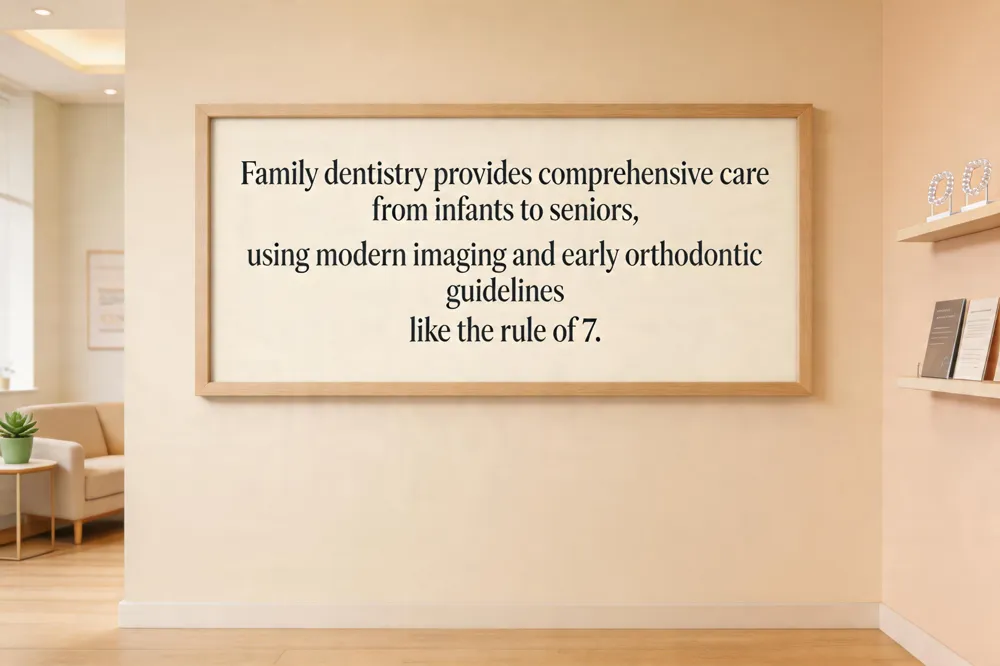
A family dentist is a general dentist who treats patients of every age—from infants and toddlers to seniors—under one roof. They provide preventive cleanings, exams, X‑rays, fillings, crowns, orthodontic options, and cosmetic procedures, maintaining a coordinated treatment plan that evolves as each family member ages.
Family dentist meaning
A family dentist is a general dentist who treats patients of every age—from infants and toddlers to seniors—under one roof. They provide preventive cleanings, exams, X‑rays, fillings, crowns, orthodontic options, and cosmetic procedures, maintaining a coordinated treatment plan that evolves as each family member ages.
Comprehensive services from kids to seniors Modern family practices such as V Dental in Live Oak, Texas, offer the full spectrum of care: pediatric preventive visits, fluoride and sealants, orthodontic assessments (including Invisalign), restorative work, implants, veneers, whitening, emergency care, and sedation for anxious patients. This one‑stop‑shop reduces referrals and simplifies scheduling for busy households.
Rule of 7 orthodontic guideline The “rule of 7” advises a comprehensive orthodontic evaluation by age seven, when first permanent molars erupt and mixed dentition is present. Early detection of crowding or bite issues allows simple interventions like space maintainers before more extensive treatment is needed.
Advanced imaging and digital tools Family offices employ CBCT 3‑D imaging, digital X‑rays, intra‑oral cameras, and iTero 3‑D scanners. These technologies improve diagnostic accuracy, lower radiation exposure, and enable precise treatment planning for implants, orthodontics, and cosmetic restorations.
Evaluating Practice Quality and Credentials
 How to check dentist background?
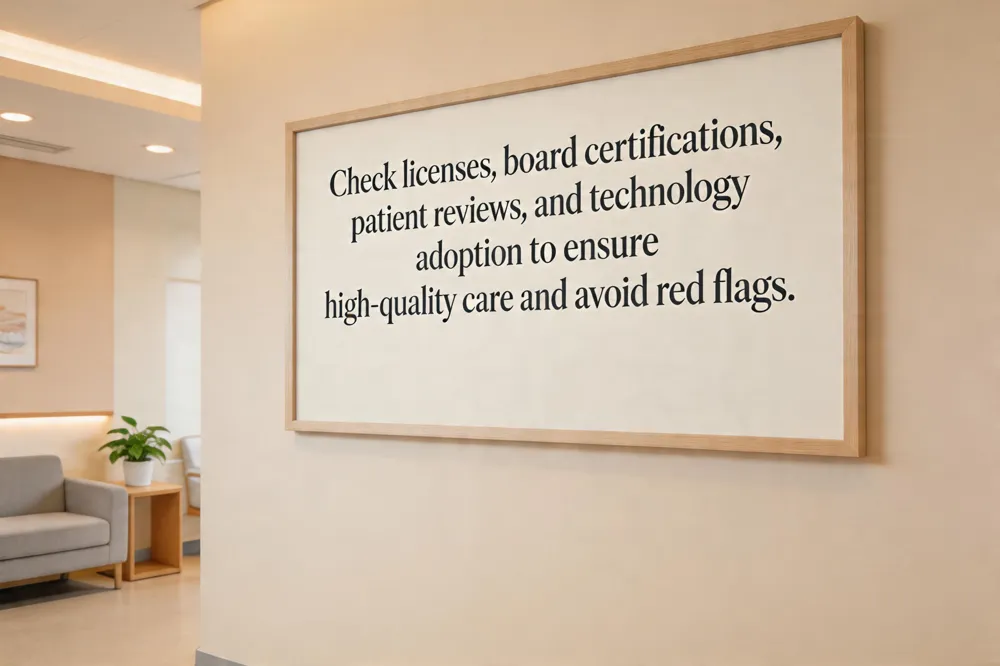
Visit the Texas State Board of Dental Examiners site to verify an active license and any disciplinary actions. Confirm board‑certification through the American Board of Dental Specialties or related boards. Search public records for malpractice claims and consult reputable patient‑review platforms for consistent feedback. Ask about recent continuing‑education courses and modern tools such as CBCT 3‑D imaging or iTero scanning. V Dental’s team meets all these criteria, with every practitioner fully licensed, board‑certified, and committed to ongoing education.
How to check dentist background?
Visit the Texas State Board of Dental Examiners site to verify an active license and any disciplinary actions. Confirm board‑certification through the American Board of Dental Specialties or related boards. Search public records for malpractice claims and consult reputable patient‑review platforms for consistent feedback. Ask about recent continuing‑education courses and modern tools such as CBCT 3‑D imaging or iTero scanning. V Dental’s team meets all these criteria, with every practitioner fully licensed, board‑certified, and committed to ongoing education.
Signs of a bad dentist? Rushed appointments, vague explanations, and hidden billing are red flags. Look for promotion‑driven sales pressure, outdated equipment, poor infection control, or dismissive attitudes toward pain and questions. Consistently negative or scarce online reviews also indicate problems.
What is the 80/20 rule in dentistry? Rtoto’s principle means roughly 80 % of a practice’s revenue comes from 20 % of patients—often those receiving extensive or cosmetic work. It also suggests spending 80 % of the conversation listening to patients and 20 % speaking, building trust and improving treatment acceptance.
Why is it so hard to find a good dentist? Limited insurance networks, regional dentist of high‑quality providers, opaque pricing, and difficulty assessing competence make the search challenging. Red‑flag behaviors such as rushed care or pressure for unnecessary procedures further erode confidence.
Insurance, Financing, and Access to Care
 How to find a dentist that takes your insurance? Log into your insurer’s portal or download the provider directory and filter for Live Oak, Texas offices. Call V Dental to confirm in‑network status, plan acceptance, request an estimate, and verify benefits for needed procedures. If coverage is limited, V Dental offers CareCredit and other financing options.
Texas Medicaid dental providers must be licensed dentists listed in regional Medicaid directories. They cover preventive exams, cleanings, fluoride, sealants, fillings, crowns, root canals, extractions and emergency care. V Dental does not accept Medicaid but offers options and financing.
Dental Grants of Texas (DGT) are free to apply and fund cosmetic or implant work after an oral‑health assessment and treatment. V Dental staff can guide eligibility and paperwork.
Free dental implants in Texas are rare, but charitable grant programs such as DGT, Doc’s Dental Grants, and Cosmetic Dentistry Grants can cover partial or full costs after care. V Dental assists with eligibility, financing, and payment plans.
Managing Anxiety and Pain During Visits
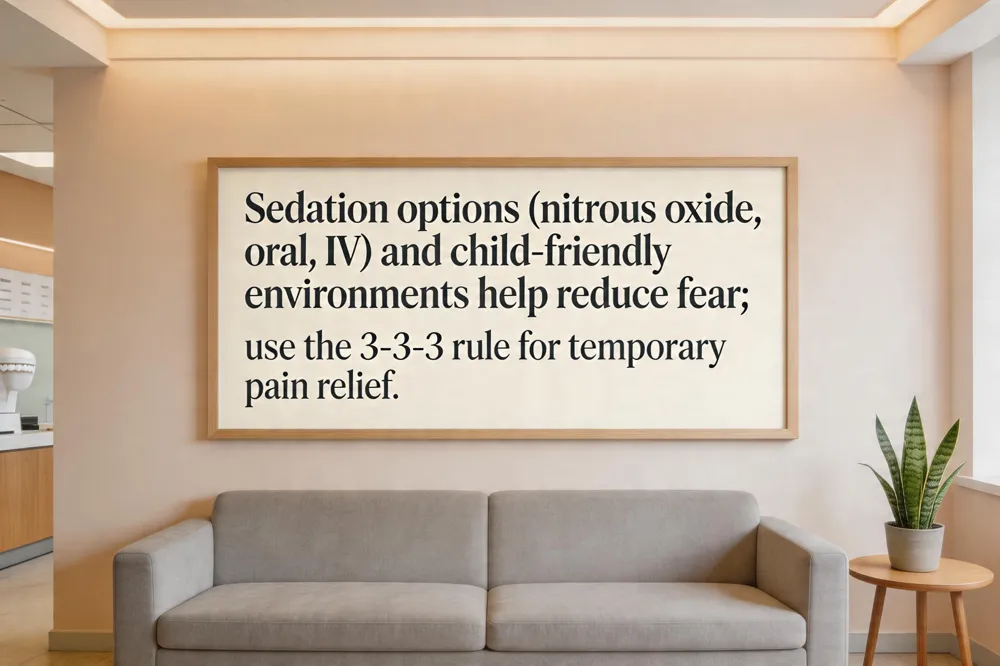 V Dental offers several sedation choices to keep anxious patients calm. Options include nitrous‑oxide “laughing gas” and oral sedatives such as midazolam, and IV sedation when deeper relaxation is needed. These FDA‑approved agents are administered by trained staff and are safe for both children and adults. Dentists, however, do not prescribe Ambien (zolpidem) because it is a sleep‑inducing medication unrelated to dental procedures; instead they refer patients to a primary‑care physician for such treatments. For sudden tooth ache, the 3‑3‑3 rule offers short‑term relief: three 200 mg ibuprofen tablets every three hours, for no more than three days, reducing inflammation while you arrange a dental visit. V Dental also creates a child‑friendly atmosphere with colorful décor, toys, and gentle staff who use distraction techniques. Comfort measures such as warm blankets, headphones, and the option of a soothing video further ease anxiety for young patients. Families feel confident about regular oral‑health care.
Practical Tips for Scheduling and Ongoing Care
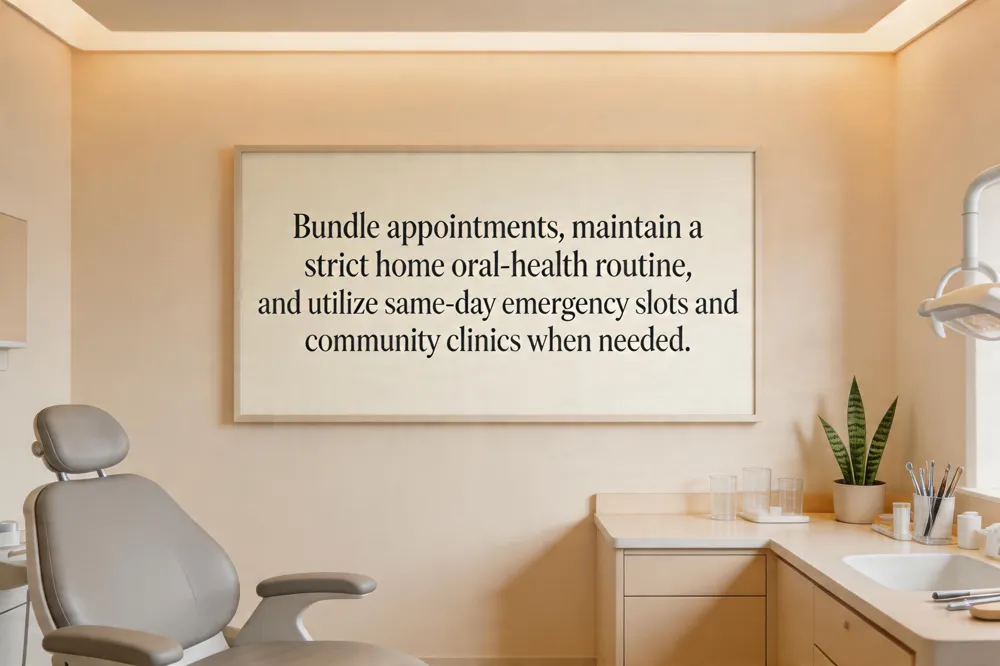 Family dental practices such as V Dental make it easy to book back‑to‑back appointments, allowing parents to schedule a child’s cleaning, a teen’s Invisalign check‑up, and an adult’s routine exam in one visit. Establish a preventive routine at home—brush twice daily with fluoride toothpaste, floss daily, and use antibacterial mouthwash—then keep up‑specific‑side check‑ups every six months for both kids and adults. In case of a sudden toothache, broken tooth, or lost crown, V Dental offers same‑day emergency slots and a clear protocol: call the office, receive a triage appointment, and, if needed, a rapid treatment to prevent infection. For families needing low‑cost or free dental care, Texas provides several community resources. Free dental clinics operate through health centers, university programs, and nonprofits like the Texas Dental Association’s Dental Lifeline, Mission of Mercy, and the San Antonio Christian Dental Clinic. V Dental can help patients connect with these services when insurance or finances are a barrier.
Your Path to a Healthy, Happy Smile
When choosing a family dentist, families should prioritize credentials, a full spectrum of services—from preventive cleanings to orthodontics and cosmetic work—convenient location and hours, child‑friendly atmosphere, modern diagnostic tools, and transparent financing. V Dental in Live Oak embodies these criteria: Dr. Brandon Villarreal and his team hold ADA‑recognized licenses, offer on‑site pediatric, orthodontic, and cosmetic expertise, and employ cutting‑edge technology such as CBCT 3‑D imaging, digital X‑rays, intra‑oral cameras, and the iTero 3‑D scanner to enhance accuracy and comfort. The practice also provides flexible payment plans, clear insurance coordination, and same‑day emergency slots. For families ready to upgrade their oral‑health routine, the next step is to schedule a brief, no‑obligation consultation at V Dental, explore the online patient portal for appointment booking, and review the practice’s patient‑education resources to begin building a lasting, happy smile for every household member.