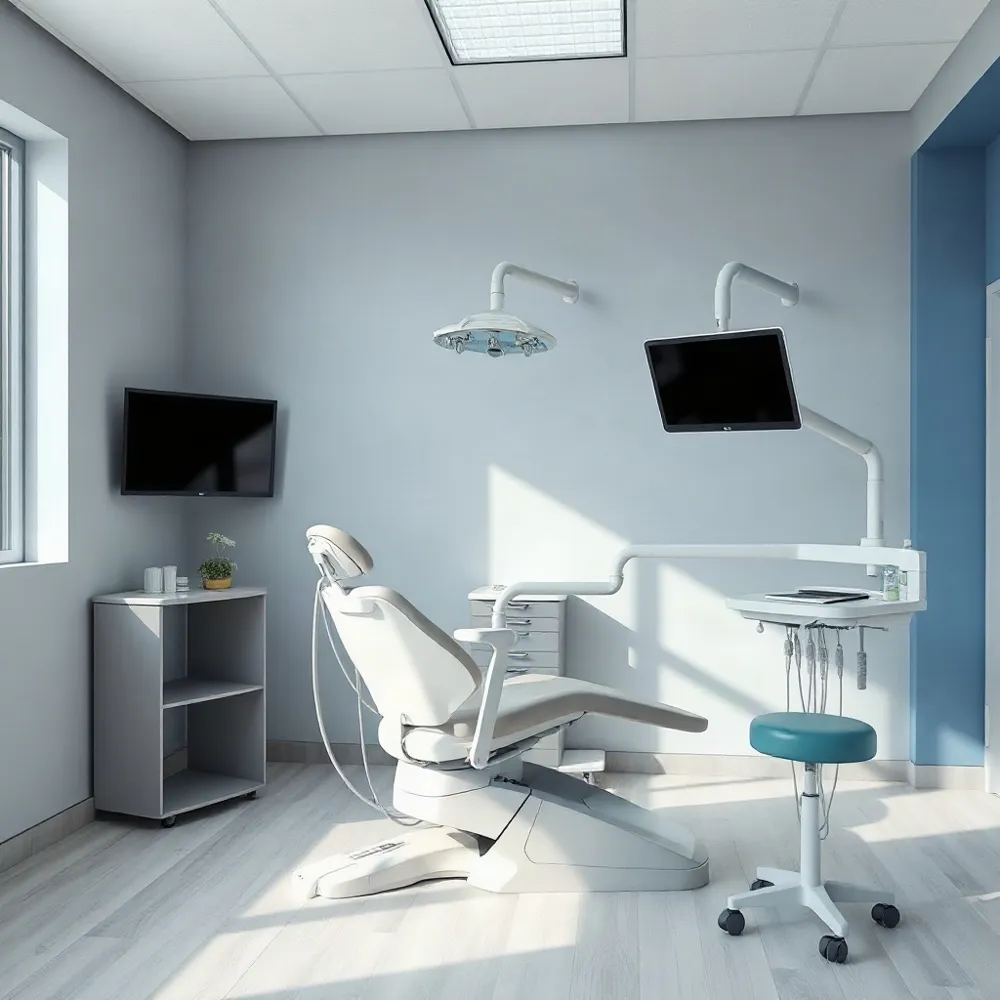
Why Preventive Orthodontics Matters for Teens
Preventive orthodontics takes a proactive approach to dental and jaw alignment, catching issues while a teen's facial bones are still growing. The American Association of Orthodontists recommends a first evaluation by age 7, but the adolescent years are the prime window for active treatment because the jaw bones remain flexible and responsive to correction.
Addressing orthodontic problems during this period can lead to shorter overall treatment times compared to waiting until adulthood. A 2023 study in the Journal of Orthodontics found that children who received early screenings needed 30% less treatment time later. Beyond aesthetics, properly aligned teeth reduce the risk of tooth decay, gum disease, and jaw pain while supporting better chewing function and self-confidence — benefits this article will explore in depth.
When to Start Orthodontic Care
The American Association of Orthodontists (AAO) advises that every child should complete their first orthodontic check-up by age 7. At this age, most children have a mix of baby and permanent teeth, which allows an orthodontist to spot early signs of crowding, bite problems, or jaw growth irregularities before they become harder to fix.
An early evaluation does not automatically mean braces. The orthodontist may recommend monitoring the child's development, beginning a short phase of interceptive treatment, or waiting until more permanent teeth have arrived. The goal is to identify the right timing for each child's specific needs rather than treating everyone at the same age.
When active treatment typically begins
For most teens, comprehensive orthodontic treatment with braces or clear aligners starts between ages 9 and 14. During this period, most permanent teeth have erupted, and the jaw bones are still growing and responsive to gentle pressure. The teenage years are often called the biological sweet spot for orthodontic care because the facial bones are expanding and sutures remain flexible, allowing corrections to occur more comfortably and predictably than in adulthood.
Signs that warrant an earlier visit
If a child is younger than 7 but shows any of the following signs, a parent should not wait for the recommended evaluation age to see an orthodontist:
- Difficulty chewing or biting food
- Mouth breathing during the day or snoring during sleep
- Jaws that shift, click, or make sounds when opening or closing
- Prolonged thumb sucking or pacifier use beyond age 5
- Early or late loss of baby teeth
- Frequent cheek biting
- Facial imbalance or asymmetry
These signals can point to developing orthodontic problems that benefit from early attention. As the AAO notes, if a parent notices something seems "off," they should contact an orthodontist immediately — not wait until the child turns 7.
How early evaluation supports long-term outcomes
A 2023 study in the Journal of Orthodontics reported that children who received early orthodontic screenings required 30% less treatment time compared with those who started treatment in their teens. Early detection of problems like crossbites, narrow arches, and jaw misalignment often allows for simpler, shorter interventions that reduce the complexity of later comprehensive care.
At V Dental, the first orthodontic visit follows the same thoughtful approach: a thorough exam using digital X-rays and an iTero 3D scan to assess jaw development, bite alignment, and tooth eruption patterns. The team then creates a personalized treatment timeline that accounts for each child's unique growth stage and goals.
Making the call at the right time for your family
There is no single ideal age that fits every teen. Some benefit from an early phase of treatment around age 7 or 8 to guide jaw growth, while others do best with a single comprehensive phase starting between 11 and 14. The most reliable approach is a professional evaluation by an orthodontist who can recommend the best timing based on each child's dental development, not just their age.
Common Orthodontic Problems in Children
Many of the orthodontic issues that teenagers and adults eventually address begin forming during childhood. Identifying these problems early is a central goal of preventive orthodontics, which aims to catch irregularities while the jaw is still growing and teeth are easier to guide. The most common issues fall into a few recognizable categories, each with its own causes and long-term implications.
Crowding. This occurs when the jaw lacks sufficient room to accommodate all permanent teeth, causing teeth to overlap, twist, or become displaced. Crowded teeth create tight spaces that are difficult to clean, raising the risk of cavities and gum disease. The American Association of Orthodontists notes that the space available for permanent front teeth does not increase with growth; after the 12-year molars come in, available space often decreases.
Overbite. An overbite describes excessive vertical overlap of the upper front teeth over the lower front teeth. While a small overlap is normal, an extreme overbite can cause the lower front teeth to bite into the roof of the mouth, lead to excessive wear on enamel, and increase the risk of trauma to the protruding upper teeth.
Underbite. An underbite is the opposite — the lower front teeth extend past the upper front teeth. This can be caused by a disproportionately large lower jaw, a small upper jaw, or both. Children with an underbite may have difficulty chewing and speaking, and the condition can worsen during adolescent growth spurts if not intercepted early. The healthychildren.org resource notes that such bite problems are best corrected during puberty, when facial bones are still growing.
Crossbite. In a crossbite, one or more upper teeth bite inside the lower teeth rather than outside. Crossbites can involve a single tooth or a whole section of the mouth (posterior crossbite). When the lower jaw shifts to accommodate the misalignment, it can cause asymmetrical facial growth, uneven tooth wear, and gum recession. Research in the PMC journal reports that up to 80% of unilateral posterior crossbites in mixed dentition involve a functional shift, making early correction important to prevent long-term skeletal asymmetry.
Open bite. An open bite prevents the upper and lower front teeth from meeting when the mouth is closed, leaving a visible gap. It often results from prolonged habits such as thumb-sucking, tongue-thrusting, or pacifier use beyond age three or four. Open bites can make biting into foods like apples difficult and may cause speech impediments. Habit-breaking appliances can be effective when the issue is caught early.
Impacted teeth and midline misalignment. An impacted tooth is one that fails to erupt into its expected position, often the upper canines or wisdom teeth. This can crowd neighboring teeth and require orthodontic or surgical intervention. Midline misalignment occurs when the center of the upper front teeth does not align with the center of the lower front teeth, which can create an uneven bite and an asymmetrical smile.
Hereditary versus acquired causes
Most orthodontic problems have a genetic component: the size of the jaw, number of teeth, and overall alignment tendencies are often passed down from parents. Inherited conditions include crowding (large teeth in a small jaw), missing or extra teeth, and discrepancies in jaw size that create underbites or overbites.
However, many issues are acquired through environmental factors. Prolonged thumb-sucking or pacifier use can reshape the dental arch and cause open bites. Mouth breathing , often linked to allergies or enlarged tonsils, is associated with narrowed arches and altered facial growth. Premature loss of baby teeth (from decay or injury) can allow neighboring teeth to drift into the empty space, blocking permanent teeth from erupting correctly. The AAO advises that
Is Early Orthodontic Treatment Necessary?
 Early orthodontic treatment — also called interceptive or Phase 1 treatment — is not needed for every child. But when an orthodontist identifies a developing problem at the recommended first check-up by age 7, early intervention can prevent small issues from turning into complex, costly ones.
When interceptive treatment is recommended
The American Association of Orthodontists advises that every child complete an orthodontic evaluation no later than age 7. At this age, a mix of baby and permanent teeth allows the orthodontist to spot early signs of misalignment or jaw growth problems. Three possible outcomes arise: no treatment is needed, the child is monitored periodically, or a problem is identified that lends itself to early treatment.
Interceptive treatment is most beneficial when a problem could worsen over time. Its purpose is to guide facial and jaw bone growth, create adequate space for permanent teeth, and reduce the need for future extractions or surgery. A 2023 study published in the Journal of Orthodontics found that children who received early screenings required 30% less treatment time compared to those who began care in their teens.
Specific problems that benefit from early care
Several orthodontic issues respond well to early intervention. At V Dental, where Dr. Brandon Villarreal uses modern diagnostic tools like CBCT 3D imaging and iTero scanning to assess each child's unique development, the team can identify these problems early and recommend the appropriate timing and type of treatment.
Underbites. When lower teeth extend in front of upper teeth, early correction can guide jaw growth and reduce the likelihood of needing orthognathic surgery later. Facemask therapy combined with a rapid palatal expander before age 10 is the method of choice for many cases.
Crossbites. Posterior crossbites affect 8–22% of children in the primary dentition and often involve a functional shift of the jaw. Early expansion with a palatal expander can correct the bite and prevent asymmetrical facial growth and TMJ issues.
Significant crowding. When there is not enough room in the jaw for all permanent teeth, early expansion or serial extraction can create space and reduce the need for tooth removal later. A palatal expander, for example, can reduce crowding by up to 65% while improving nasal airflow.
Harmful habits. Prolonged thumb sucking, tongue thrusting, or pacifier use beyond age 4 can cause open bites and speech problems. Habit-breaking appliances gently discourage these behaviors and prevent years of correction later.
What early treatment involves
Early orthodontic treatment is typically short-term — lasting 9 to 15 months — and uses simple appliances. A palatal expander may be activated daily for 4–6 weeks and left in place for 9–12 months to hold the correction. After the expander is removed, a child may wear a retainer while the remaining permanent teeth erupt. This Phase 1 approach can make a second phase of comprehensive treatment (usually in the early teen years) shorter, simpler, and less invasive.
For families in the Live Oak area, V Dental offers personalized evaluations that cover five essential questions: Is there an orthodontic problem? What treatment options are available? How long will it take? How much will it cost? The practice emphasizes flexible scheduling and financing to make early care accessible.
Why evaluation by age 7 matters even without immediate treatment
Even if no treatment is needed right away, an early evaluation provides a baseline. The orthodontist can monitor growth at regular intervals and intervene at the optimal time — typically during the adolescent growth spurt when the facial bones are still flexible and suture lines remain unfused. Waiting until all permanent teeth have erupted can make certain corrections, such as widening a narrow jaw, far more complex or even require surgery.
Common signs that a child may benefit from an early orthodontic visit include difficulty chewing or biting, mouth breathing, jaws that shift or click, crowded or protruding teeth, and early or late loss of baby teeth. If you notice any of these signs, you do not need a dentist's referral — many orthodontists offer check-ups at no cost. At V Dental, the team is ready to help families determine whether early treatment is the right path for their child's long-term oral health.
Pros and Cons of Early Orthodontic Treatment
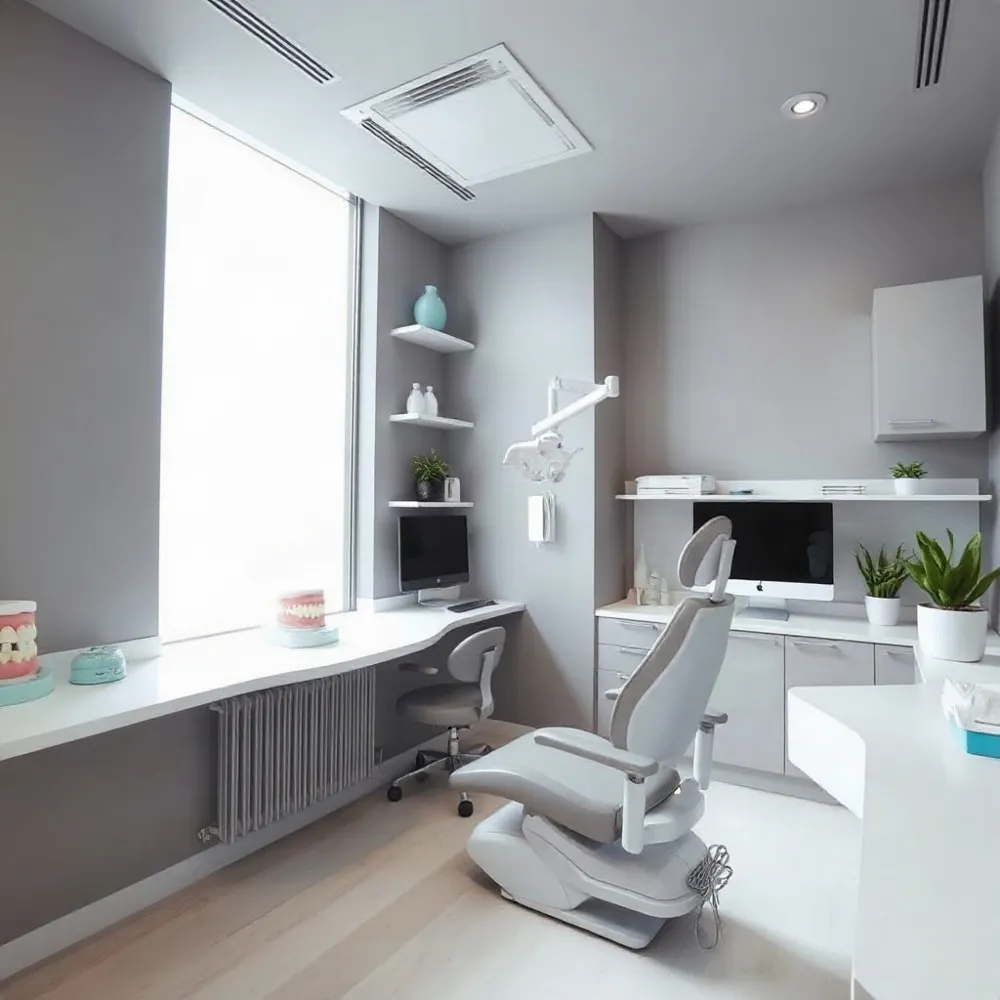 Early orthodontic treatment, often called Phase 1 or interceptive orthodontics, takes advantage of a child's active jaw growth to correct issues such as crossbites, significant crowding, and protruding teeth. Addressing these problems while the jaw bones are still pliable can prevent more severe misalignments later, reducing the need for future extractions and helping avoid permanent facial asymmetries. A 2023 study in the Journal of Orthodontics found that children who received early screenings required 30% less treatment time overall.
One of the strongest advantages is the relatively short active treatment period. Phase 1 usually lasts only 10 to 15 months, after which the child wears a retainer while the remaining permanent teeth erupt. This early intervention can simplify or even shorten a second phase of comprehensive treatment in the teen years.
Challenges of early treatment
Despite the clinical benefits, early treatment comes with real drawbacks. Patient burnout is a common concern — asking a 7- or 8-year-old to maintain perfect oral hygiene around fixed appliances, comply with food restrictions, and attend regular adjustments is a significant commitment. Poor cooperation can lead to enamel demineralization, cavities, or damage to the appliances, which undermines the treatment's goals. Parents must be prepared for close supervision throughout the process.
Not every orthodontic problem benefits from early care. Some issues, such as minor crowding or a mild overbite, are better addressed during the adolescent growth spurt when treatment can be completed in a single, shorter phase. Over-treating a child who is not ready can delay the overall timeline and add unnecessary cost.
The decision to pursue early orthodontic treatment should balance the child's specific bite problems, oral hygiene habits, and maturity level. For families considering this path, the team at V Dental offers personalized evaluations to determine whether early intervention or a watchful waiting approach is the better fit for a child's long-term dental health.
Braces vs. Invisalign for Teens
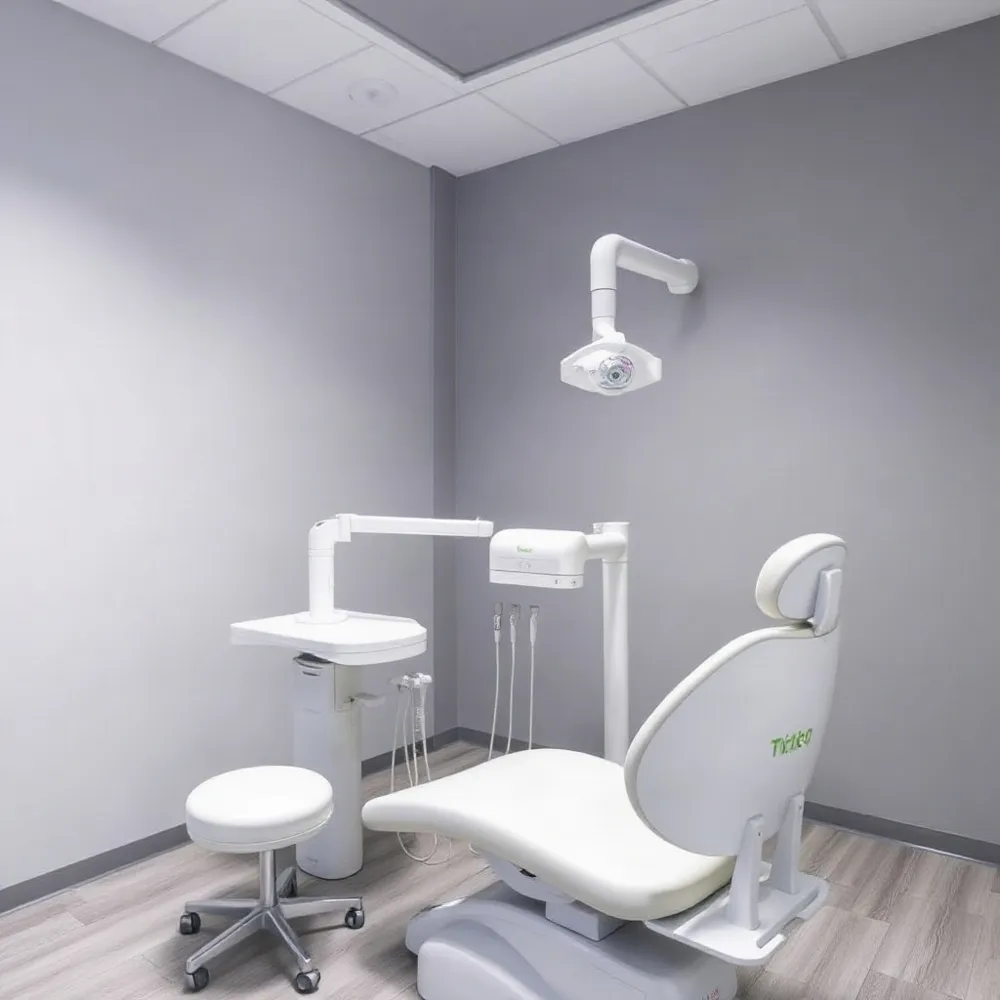 Choosing between traditional braces and clear aligners is one of the most common decisions families face when planning orthodontic care for a teenager. Both options effectively straighten teeth, but they suit different needs based on the complexity of the problem, the teen’s compliance, and daily lifestyle habits.
Braces: Ideal for complex issues with no compliance concerns
Braces remain a top choice for teens, especially when correcting severe crowding, significant bite misalignment, or rotated teeth. They consist of brackets bonded to the teeth with archwires threaded through them, all of which are fixed in place. This removes any concern about a teen not wearing the appliance consistently. Modern options include metal braces, tooth-colored ceramic braces, and self-ligating braces, which use a clip mechanism instead of elastic ties and may reduce the number of adjustment visits. Braces are particularly effective for complex movements such as root repositioning and vertical adjustments.
Invisalign: Discreet and removable for mild to moderate needs
Clear aligners, such as Invisalign, offer a nearly invisible treatment option that appeals to teens who are self-conscious about metal braces. The aligners are removable, making eating and oral hygiene easier — there are no food restrictions and brushing and flossing remain straightforward. They are best suited for mild to moderate crowding, spacing, or minor bite adjustments. However, success depends on the teen wearing the aligners for 20 to 22 hours per day, which requires discipline and consistency.
Using 3D imaging to make the right choice
A consultation using advanced 3D imaging helps an orthodontist or dentist evaluate the teen’s specific jaw structure, tooth positions, and bite alignment to recommend the most effective approach. At V Dental, digital scans with iTero 3D technology and CBCT imaging provide a precise picture of what each treatment option can achieve, allowing families to understand expected outcomes before committing to a path.
The decision ultimately balances clinical necessity with the teen’s ability to follow guidelines. For a 13-year-old with complex needs and a busy lifestyle, braces may offer the most predictable result. For a teen with mild crowding who is motivated to wear the aligners as directed, Invisalign delivers a comfortable and discreet alternative.
Orthodontist vs. Dentist for Orthodontic Care
Both a general dentist and an orthodontist can offer braces or clear aligners, but their training differs significantly. A dentist completes four years of dental school to earn a DDS or DMD degree. An orthodontist completes that same training and then spends an additional two to three years in an accredited residency program focused exclusively on aligning teeth and jaws. Only about 6% of dentists pursue this specialization, making orthodontists the clear experts for complex bite and jaw issues.
A general dentist may be a reasonable choice for a very straightforward case with mild crowding. For problems that involve an overbite, underbite, crossbite, or significant jaw asymmetry, an orthodontist has the deeper training to diagnose and treat those conditions effectively. An orthodontist's advanced understanding of tooth movement mechanics, growth guidance, and the interaction between the upper and lower jaws is what sets their care apart for complex cases.
The good news for parents is that a referral is not required. The American Association of Orthodontists advises families to contact an AAO orthodontist directly if they have a concern about their child's teeth or bite. Many orthodontists offer a free initial check-up to evaluate whether treatment is needed and, if so, what the best timing and approach would be.
At V Dental, the team uses advanced diagnostic tools such as iTero 3D scanning and CBCT imaging to assess both simple and complex orthodontic needs. For families looking for Invisalign or early interceptive care, having this technology on hand means the treatment plan is built on precise data, giving parents confidence in their choice of provider.
| Provider | Years of Training | Focus Area | Best For |
|---|---|---|---|
| General Dentist | 4 years of dental school | Overall oral health (cleanings, fillings, crowns) | Basic braces or aligners for simple cases |
| Orthodontist | 4 years dental school + 2–3 years residency | Exclusive specialization in tooth and jaw alignment | Complex bite issues, overcrowding, jaw growth guidance |
Cost and Insurance for Teen Braces
Understanding the financial side of orthodontic treatment helps families plan ahead without surprises. Many dental insurance plans cover a portion of braces for children and adolescents, but the specifics vary widely by provider and policy.
Insurance often covers braces for a 14-year-old if the plan includes orthodontic benefits — typically up to a certain age limit or lifetime maximum. However, not all dental plans include orthodontic coverage. Medicaid and CHIP may cover braces when they are deemed medically necessary, meaning the misalignment causes functional health problems rather than being purely cosmetic. Families should review their policy details or work with a provider who can verify benefits directly.
For a 15-year-old, free braces are not common, but some programs can eliminate or significantly reduce costs. Non-profit organizations such as Smiles Change Lives partner with orthodontists to offer low-cost or free treatment to eligible children and teens. Medicaid and CHIP also remain options for families meeting income requirements. At V Dental, the team helps verify insurance benefits and discusses treatment options like traditional braces or Invisalign clear aligners. The practice also offers flexible financing through Cherry and Sunbit, making remaining costs more manageable for families in Live Oak and the surrounding communities.
Malocclusion and TMJ Disorders
When the upper and lower teeth do not meet correctly, the jaw is forced to compensate. This places uneven, abnormal stress on the temporomandibular joints (TMJ) and the surrounding muscles, which can lead to a range of painful symptoms commonly grouped under temporomandibular disorders (TMD).
Symptoms of TMJ problems
- Persistent jaw pain or tenderness, especially when chewing
- Clicking, popping, or grating sounds in the jaw joint
- Difficulty opening the mouth fully or pain while biting
- Tension headaches from strained jaw muscles
Specific bite problems are strongly linked to these issues. A deep bite, where the upper front teeth overlap the lower front teeth excessively, forces the lower jaw to sit too far back, straining the joint. A crossbite, where one or more upper teeth sit inside the lower teeth, can cause the jaw to shift to one side, which may lead to facial asymmetry and TMJ discomfort over time.
Can orthodontic treatment help?
Orthodontic treatment can help. Correcting malocclusion so that the teeth meet evenly distributes chewing forces and stabilizes jaw tracking. Research supports that proper alignment reduces the risk of jaw discomfort and tension headaches later in life, as an aligned bite allows the muscles and joints to function without excessive strain.
V Dental offers TMJ treatment and Invisalign clear aligners to correct bite misalignment, along with digital X-rays and CBCT 3D imaging to assess jaw joint health. For teens in Live Oak and nearby communities, catching bite problems early can prevent chronic jaw pain and protect long-term joint function.
Take the Next Step for Your Teen’s Smile
An early evaluation sets the stage for a lifetime of healthier teeth, better bite function, and greater confidence. The American Association of Orthodontists recommends a first check-up by age 7, so don't wait until problems become complex.
At V Dental, personalized orthodontic care combines advanced tools like iTero 3D scanning and digital X-rays with flexible financing. Schedule a consultation today to explore options like braces or Invisalign for your teen.