Summer Habits, Healthy Teeth
Summer can loosen daily routines. Travel, late nights, sports, and time outdoors may make brushing and flossing easier to forget, even as frequent snacks and sweet drinks create more chances for teeth to face sugar and acid.
The basics still matter: brush twice a day with fluoride toothpaste and floss daily. The American Dental Association’s summer guidance for families recommends keeping these habits in place through busy holidays and school breaks.
For families in Live Oak, V Dental offers preventive care alongside services such as Invisalign and emergency treatment. Simple planning helps, too: pack a toothbrush and floss for trips, choose water often, and use a mouthguard for sports. These small adjustments can protect teeth and gums without letting summer activities take over the routine.
Keep Daily Care on Track
 Vacations and long summer days can disrupt routines, but brushing with fluoride toothpaste for two minutes twice a day and cleaning between teeth daily remain the foundation of home care. The American Dental Association’s summer guidance also recommends keeping these habits consistent for children and adults.
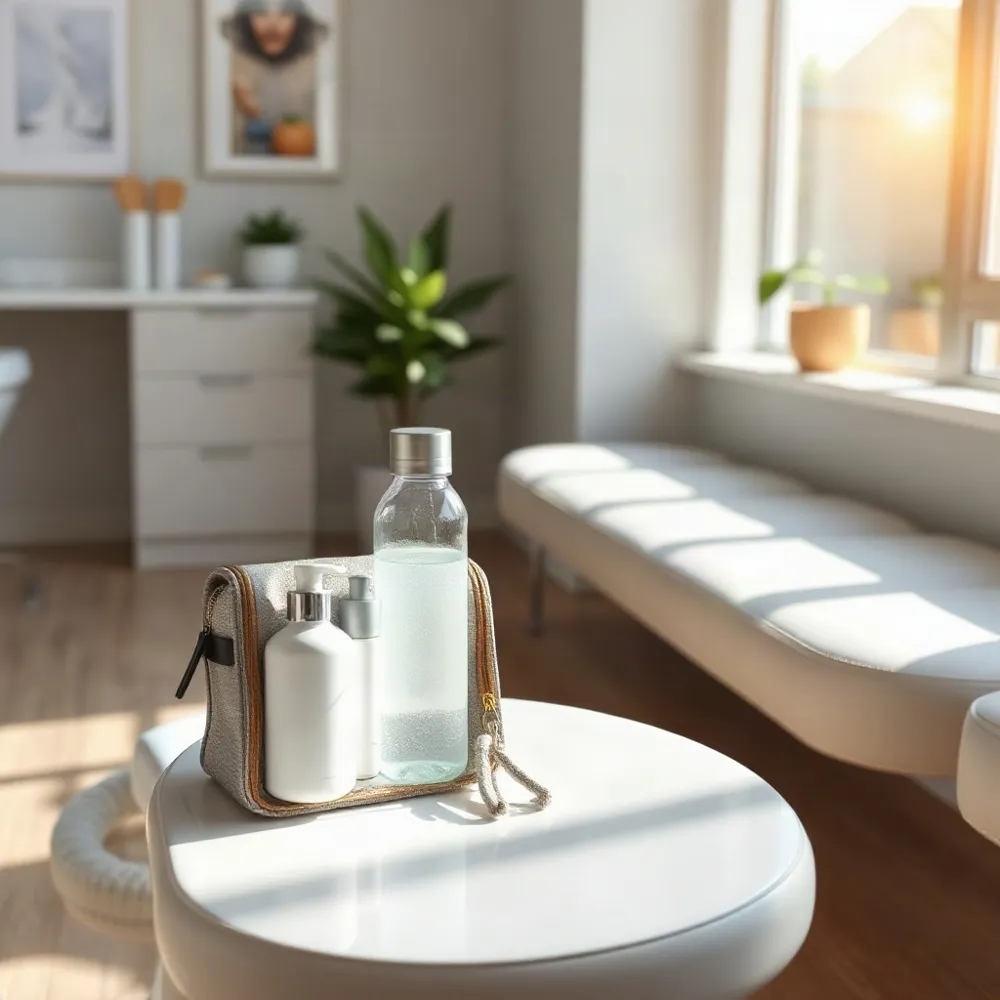
When traveling, pack a toothbrush, toothpaste, and floss somewhere easy to reach, rather than leaving them buried in luggage. Let the toothbrush air-dry when possible before putting it away, instead of sealing it while wet.
Drink water regularly in hot weather. It helps rinse food debris from the mouth and supports saliva, which helps protect teeth. Tap water may also provide fluoride, depending on the local supply, as described by the University of Colorado Anschutz School of Dental Medicine. If dry mouth persists despite drinking water, ask a dental professional about possible causes.
For summer sports, wear a mouthguard to help protect teeth from impact. After swimming, rinse with fresh water. Keep routine checkups and cleanings on schedule, since a visit can identify concerns and provide advice tailored to your needs. At V Dental in Live Oak, digital X-rays, intraoral cameras, and CBCT 3D imaging support examinations and personalized treatment planning.
Families can make brushing a shared routine, especially when school schedules no longer provide a regular rhythm. A late-summer checkup can give children a chance to address concerns before school resumes, while giving parents an opportunity to ask about care at home.
Choose Tooth-Friendly Foods
 What you snack on can affect how often teeth face sugars and acids. Fiber-rich fruits and vegetables, such as apples, pears, and carrots, encourage saliva and help clear food particles. By contrast, frequent sugary or sticky snacks, including caramels, candy, dried fruit, and starchy foods that cling between teeth, give acid-producing bacteria more to feed on.
Milk, cheese, and plain yogurt provide calcium and phosphorus that support enamel. Choose options with little or no added sugar. Fluoridated water is a tooth-friendly drink, while sugarless gum after a meal can stimulate saliva. The American Dental Association’s summer guidance for families also recommends plain water between meals and treating sugary drinks as occasional choices.
Soda, sports drinks, citrus beverages, and sour candies can expose teeth to acids. Some options are acidic even when they contain little or no sugar, so avoid sipping them over a long period. Having acidic foods or drinks with a meal, rinsing with water afterward, and waiting about 30 to 60 minutes before brushing can reduce prolonged acid exposure. A University of Colorado Anschutz overview of drink choices gives similar advice for acidic beverages.
Food choices also support gum health, but no single snack or drink treats gum disease. A balanced diet with fruits, vegetables, whole grains, and protein provides nutrients for oral tissues; vitamin C matters for gum health, while supplements mainly help when a deficiency is present. Water supports hydration and saliva, but cannot heal inflamed or infected gums.
Brush gently with fluoride toothpaste, clean between teeth daily, and keep regular dental checkups and cleanings. If gums continue to bleed or swell, or begin pulling away from teeth, seek a dental evaluation. At V Dental, preventive visits and personalized treatment planning can help identify concerns and guide care.
Separate Rules From Evidence
The “3-3-3 rule” usually means brushing three times a day for three minutes. Some versions add avoiding food or drink for three hours before bed; others advise waiting three minutes after eating before brushing. These variations point to an informal mnemonic, not a standardized dental recommendation.
Common guidance is to brush twice a day for two minutes with fluoride toothpaste and clean between teeth daily, as the American Dental Association's summer oral-care guidance explains. After acidic food or drinks, waiting about 30 minutes before brushing can help avoid wearing softened enamel, according to University of Colorado dental faculty.
The “50-40-30 rule” is also described inconsistently. It is sometimes presented as a percentage-based way to decide whether a damaged tooth may need a filling or a crown, but it is not a universally recognized clinical guideline. Treatment depends on the tooth’s condition and location, examination findings, imaging, and other factors.
At V Dental, CBCT 3D imaging is among the tools available to support assessment, alongside an individual examination. If a dentist recommends a filling or crown, ask what findings support that choice and whether other options are appropriate. A number-based rule cannot replace a personalized evaluation.
Protect Cavity-Prone Areas
 Back molars are especially prone to cavities, particularly in the pits and grooves on their chewing surfaces. Food and plaque can collect in these narrow spaces, where toothbrush bristles may not reach easily.
Other vulnerable areas include the spaces between teeth, the gumline, and exposed roots. Roots can become exposed when gums recede, and they lack the enamel covering the crown of a tooth. Brushing twice daily with fluoride toothpaste, cleaning between teeth each day, and attending regular checkups help protect these areas.
At V Dental, preventive care can be tailored to a patient’s needs, with examinations that help identify areas needing extra attention. The practice also offers digital X-rays and intraoral cameras to support dental evaluations.
Which teeth are most prone to cavities, and why?
Molars are a common concern because their uneven chewing surfaces can hold debris. Cavities can also start where teeth touch, along the gumline, or on exposed roots, so brushing alone is not enough to clean every surface. Daily flossing or another suitable interdental tool reaches between teeth, while a dental checkup can help spot concerns that are difficult to see at home.
What ingredients or features should you avoid when choosing toothpaste?
Most people should choose fluoride toothpaste unless a dental professional recommends otherwise. Sodium lauryl sulfate, strong flavorings, and other ingredients irritate some mouths. If mouth sores or sensitivity keep recurring, ask a dentist whether an SLS-free or unflavored toothpaste may be appropriate.
Be cautious with highly abrasive or aggressively marketed whitening toothpastes, especially if they are used improperly, since they may irritate gums or wear enamel. For children, use an age-appropriate amount and supervise brushing so they spit the toothpaste out rather than swallow it. The American Dental Association’s summer guidance for families also recommends brushing with fluoride toothpaste as part of children’s routine.
Make Prevention Part of Summer
Summer adjustments work best as reminders to protect everyday care, not substitutes for brushing, flossing, or regular dental visits. Water can support saliva and help rinse the mouth, but it does not replace fluoride toothpaste or cleaning between teeth. The University of Colorado guidance on hydration and oral health also advises avoiding all-day sipping of sugary or acidic drinks.
If dry mouth continues despite drinking water, or you notice gum symptoms, sensitivity, or another concern, contact a dental professional rather than relying on supplements or informal rules. A dentist can assess the cause and suggest care suited to your needs.
For families, summer can be a practical time to arrange routine visits before school schedules return. The American Dental Association’s summer guidance for children encourages families to book late-summer visits early and keep daily habits steady through travel and activities.
Small Adjustments, Lasting Protection
A steady brushing and flossing routine, water between meals, tooth-friendly snacks, and a mouthguard for sports can help protect teeth through summer. The American Dental Association’s summer tips also encourage families to keep preventive visits on the calendar.
At V Dental in Live Oak, preventive care can be tailored to each patient’s needs. Ask a dental professional about concerns such as sensitivity, dry mouth, or the right protection for your activities.