Healthy Habits Begin at Home
Children learn about oral care through the routines they see and share at home. When parents and other caregivers brush alongside them, choose tooth-friendly foods, and arrange dental visits, they help make care part of everyday life. The Head Start guidance on engaging parents in children’s oral health emphasizes that adult role modeling can help habits last into adulthood.
Cavities are common in childhood, and untreated decay can cause pain or infection that interferes with eating, speaking, playing, and learning, according to the CDC’s oral health guidance for children. Regular professional care can help families address concerns and support prevention.
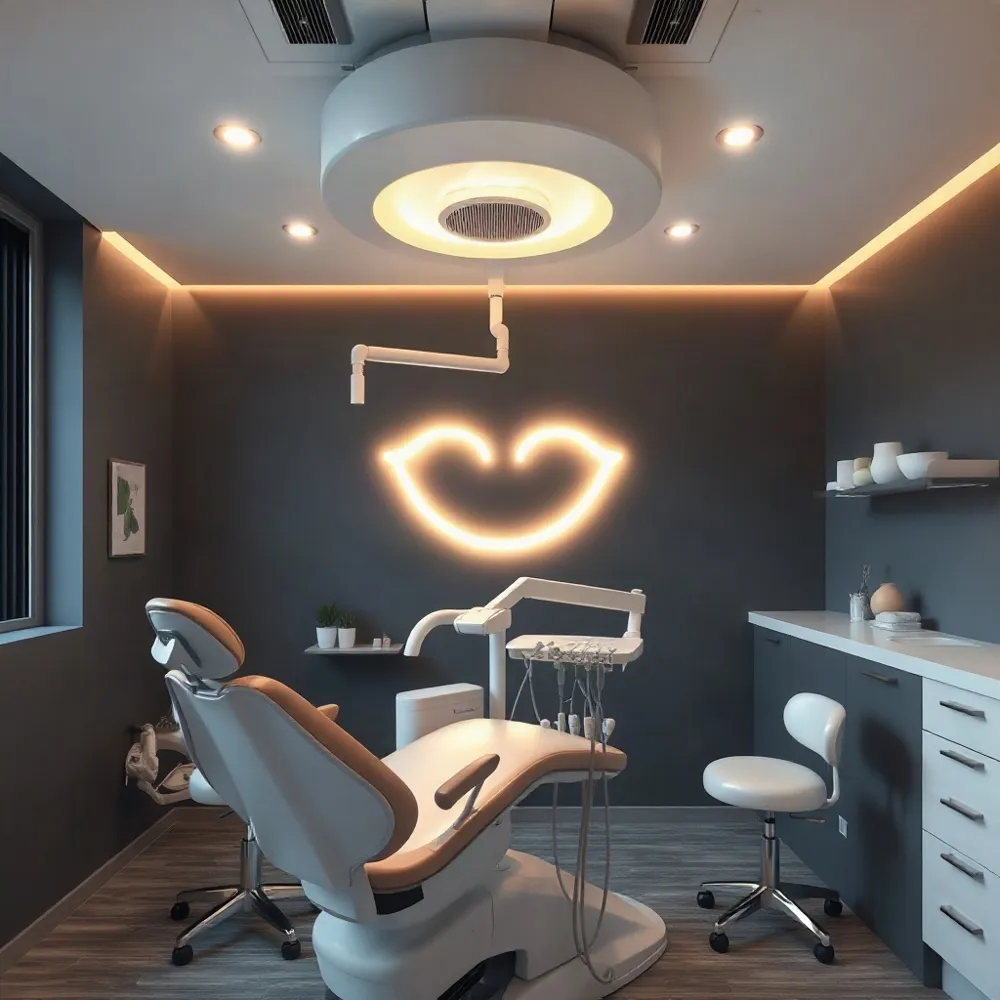
At V Dental in Live Oak, personalized treatment plans and modern tools such as digital X-rays and intraoral cameras support care tailored to each family. Parents, relatives, and other caregivers can work with dental professionals to build steady routines that grow with a child.
Make Daily Care a Family Routine
 A practical routine starts when the first tooth appears: brush twice a day for two minutes with a soft, child-sized toothbrush and fluoride toothpaste. Brush gently across the front, back, and chewing surfaces of every tooth. The ADA’s home-care guidance recommends twice-daily brushing and adapting care to each person’s needs.
Use a rice-grain-sized smear for children younger than three and a pea-sized amount from age three onward. Encourage children to spit out the toothpaste rather than swallow it. Children younger than six need supervision, and adults should continue helping until a child can brush thoroughly and spit reliably. Readiness for independent brushing varies, so check the child’s technique rather than relying on age alone.
Show children how to reach the back teeth and along the gumline, then let them practice while you watch and check their work. Brushing together makes the steps easy to copy. A timer or song can make two minutes feel manageable; keep the tone calm and use simple praise rather than pressure. Once teeth touch, help the child clean between them daily with floss or another suitable tool.
Families may encounter the “3-3-3 rule,” an informal phrase with varying meanings, sometimes describing brushing three times a day for three minutes and avoiding food or drink before bed. It is not an official ADA guideline. General ADA advice is to brush twice daily for two minutes and clean between teeth once a day; a dentist can tailor that routine to a child’s needs.
Replace a toothbrush every three to four months, or sooner if its bristles become frayed. At V Dental in Live Oak, digital X-rays and intraoral cameras support examinations, while personalized treatment plans allow the team to discuss a child’s care with the family.
Start Prevention Early
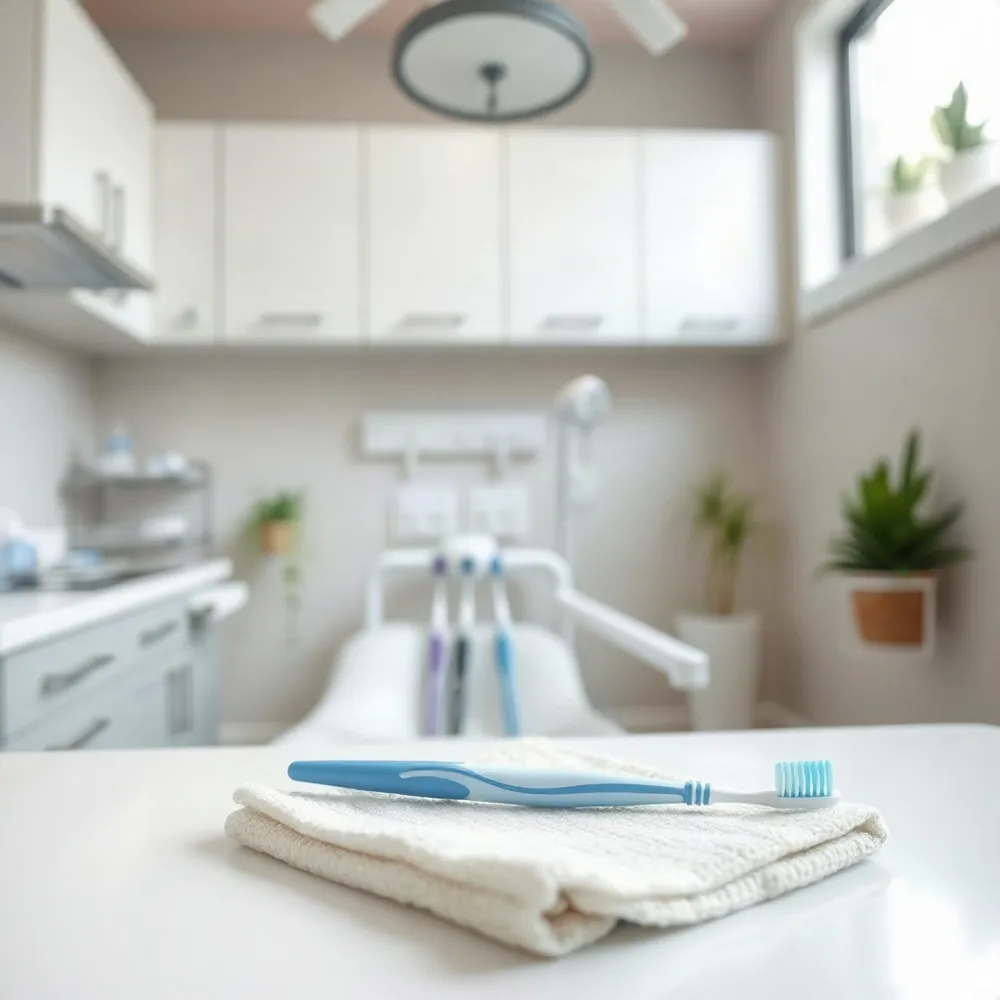 How can parents help prevent cavities in babies and young children? Begin oral care before teeth appear by gently wiping a baby’s gums with a soft, clean, damp cloth. When the first tooth emerges, start brushing with a small, soft-bristled toothbrush. Ask a dentist or doctor which toothpaste and amount are right for your child’s age.
Early, steady care helps make cleaning a familiar part of the day. Parents can show healthy habits by brushing their own teeth and choosing tooth-friendly foods and water. The CDC’s guidance for children’s oral health recommends twice-daily brushing and suggests asking a dentist or doctor about fluoride varnish when the first tooth appears.
Fluoride advice should fit the child, rather than follow a one-size-fits-all rule. The CDC advises consulting a dentist or doctor before using fluoride toothpaste for children younger than two. Arrange a first dental visit by the first birthday, and ask the clinician whether fluoride varnish is appropriate.
Limit frequent sugary snacks and drinks, and do not put a child to bed with a bottle containing anything other than water. For specific feeding and fluoride guidance, including for infants, ask a dental or medical professional. At V Dental, families can discuss preventive care as part of personalized treatment planning.
Make Dental Visits Part of Growing Up
Arrange a child’s first dental visit by their first birthday, or when the first tooth appears if that happens earlier. An early visit gives the dentist a chance to assess development, check for concerns, and offer guidance to caregivers, as the CDC recommends.
Checkups are often planned every six months, but that schedule is not right for every child. The American Dental Association’s home-care guidance says there is no single optimal recall interval; a dentist can recommend timing based on a child’s oral health, risk, and needs. Keep up with visits while baby teeth remain: these teeth support a child’s health and development and still need care.
Parents may hear about the “rule of 7,” usually referring to an orthodontic evaluation by age seven. An evaluation does not mean a child needs treatment. The “7-4 rule” is used inconsistently, and neither phrase is a universally recognized pediatric dentistry guideline. They are different from establishing a dental home by age one. Ask a dentist or orthodontist when an evaluation makes sense for your child.
At V Dental, family dentistry and digital X-rays support care tailored to each patient. Parents can bring up worries, scheduling or access barriers, and questions about a child’s development. A calm, collaborative conversation helps the dental team understand the family’s needs and discuss next steps.
Clean Between Teeth as They Touch
A toothbrush cleans many tooth surfaces, but its bristles may not reach tight spaces where food and plaque collect. Cleaning between teeth complements brushing by reaching those areas and helping remove buildup along the gumline.
The American Dental Association recommends cleaning between teeth once a day with floss or another suitable interdental cleaner. There is no required order: flossing before or after brushing is fine if the cleaning is thorough and consistent.
Begin when two teeth touch. Young children usually need an adult to do this for them, then can gradually take over as their dexterity develops. Many children are ready around age 10 or 11, but ability varies. V Dental’s personalized treatment plans can take a child’s individual oral-health needs into account.
The right tool depends on the child’s teeth and needs. Floss may suit tight spaces, while another interdental cleaner may work better in different areas. Ask a dental professional to recommend an appropriate option and demonstrate how to use it gently.
Respond to Tooth Decay Promptly
 What causes tooth decay in children, and how can parents stop it from getting worse? Decay begins when mouth bacteria feed on sugars and starches left on teeth, producing acids that wear away enamel. Frequent sugary snacks and drinks, inadequate brushing, and limited fluoride can raise the risk. The CDC’s guidance on children’s oral health notes that untreated cavities can cause pain and infection that interfere with eating, speaking, playing, and learning.
Can tooth decay in a young child be treated at home? No. Brushing with fluoride toothpaste and limiting frequent sugary foods and drinks can help protect teeth, but home care cannot repair a formed cavity. Arrange a dental evaluation promptly, even if the child has no pain. A dentist can assess the tooth and recommend care. Very early decay may sometimes be managed with preventive measures, while an established cavity may need a filling, as Johns Hopkins Medicine explains.
Until the appointment, continue gentle brushing twice a day and avoid relying on home remedies as a substitute for treatment. For children younger than two, ask a dentist or doctor about fluoride toothpaste. At V Dental in Live Oak, families can discuss a child’s concerns and receive a personalized treatment plan; the practice also uses digital X-rays and intraoral cameras to help assess oral health.
Facial swelling, fever, severe pain, or difficulty swallowing calls for urgent dental care. Contact a dental professional promptly, and seek emergency medical care if symptoms are severe or the child has trouble breathing or swallowing.
Protect Teeth and Gums Over Time
What oral health problems can result from poor dental hygiene? Plaque can build up when brushing and cleaning between teeth are inconsistent. Over time, it may contribute to tooth decay, cavities, and inflamed gums. Untreated decay can cause pain or infection and make chewing difficult; advanced gum disease can loosen teeth and, in severe cases, lead to tooth loss. The CDC’s guidance on children’s oral health also notes that untreated cavities can interfere with eating and other daily activities.
Can teeth be restored after years of inadequate brushing, or can they be remineralized naturally? Some very early enamel changes may be helped by fluoride, but enamel does not grow back, and a formed cavity or lost tooth structure cannot be repaired with home care alone. A dentist can examine the teeth and gums, assess the extent of damage, and explain whether care such as a filling, crown, or another restoration is appropriate. Treatment depends on the condition of each tooth.
V Dental in Live Oak uses digital X-rays, CBCT 3D imaging, and intraoral cameras to assess oral conditions and support personalized treatment planning. If a child has persistent pain, bleeding gums, swelling, or ongoing bad breath, contact a dental professional for an assessment rather than waiting for symptoms to worsen.
Consistent family habits can help protect remaining tooth structure: brush twice daily with fluoride toothpaste, clean between teeth, and keep up with dental visits. A professional assessment can identify concerns and guide a practical plan for the next steps.
Build the Habit Together
Children learn by watching the adults around them, so brushing together and choosing tooth-friendly foods can make healthy care feel like an ordinary part of family life. As children grow, let them take on more of the routine while staying involved enough to notice when they need help. Head Start guidance on parent involvement emphasizes modeling positive habits and supporting parents through clear, respectful conversations.
Questions about brushing, fluoride, discomfort, or changes in a child’s teeth are worth raising with a dental professional. At V Dental, personalized treatment plans and modern tools such as digital X-rays and intraoral cameras support conversations grounded in an individual child’s needs. Seek professional advice rather than relying on informal rules or trying to manage a cavity at home.