Understanding Pediatric Dental Sedation at V Dental
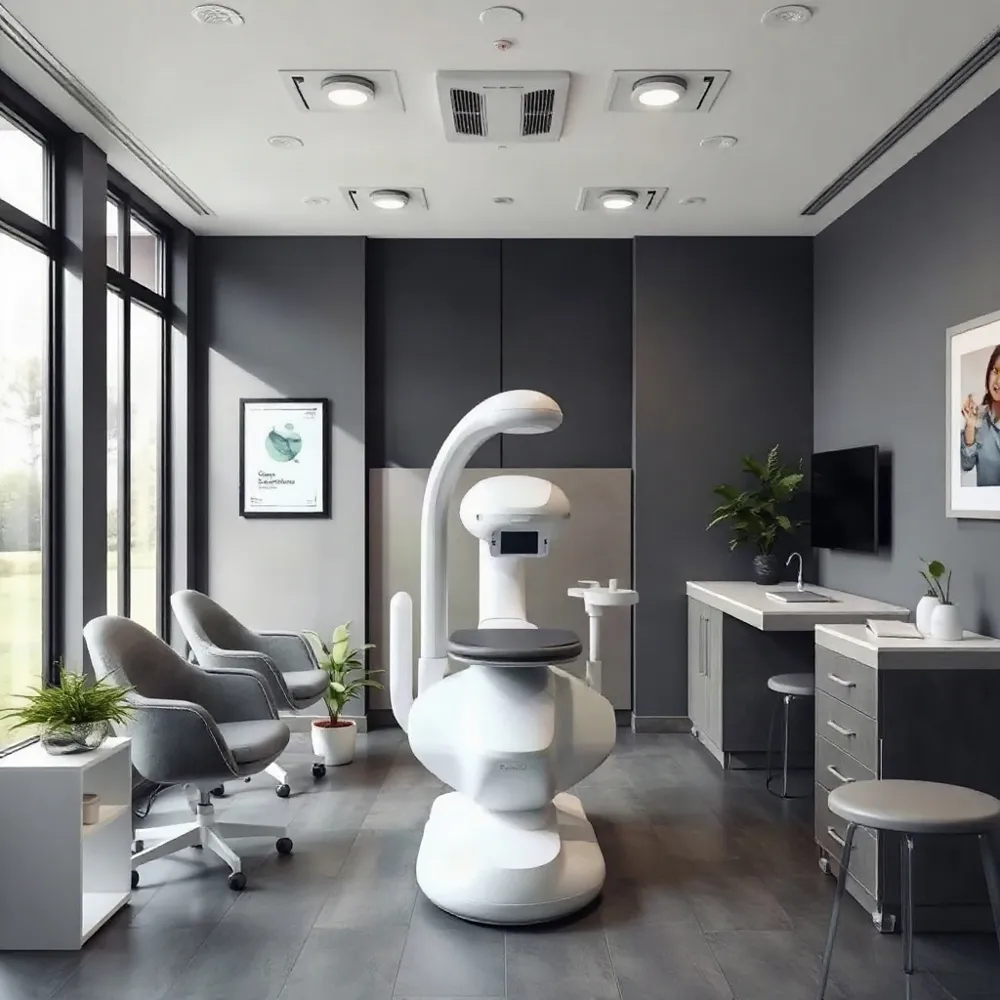
Many children experience feelings of nervousness or fear when facing dental visits. To address these challenges, V Dental provides specialized sedation dentistry designed to help young patients remain calm and still. By integrating comfort-focused care with modern technology, like CBCT 3D imaging and iTero 3D scanning, the team ensures precise treatment planning for every patient.
The primary goal of sedation is to maintain safety while allowing the dental team to deliver quality care. Because pediatric dental sedation is a specialized method used to keep children relaxed and pain-free, it is particularly effective for those with high anxiety or special needs. By utilizing personalized treatment plans, the practice helps children build trust and avoid the development of long-term dental phobias. This tailored approach ensures that appointments remain efficient and comfortable, ultimately supporting better long-term oral health outcomes for families in Live Oak.
Safety Standards and Professional Oversight
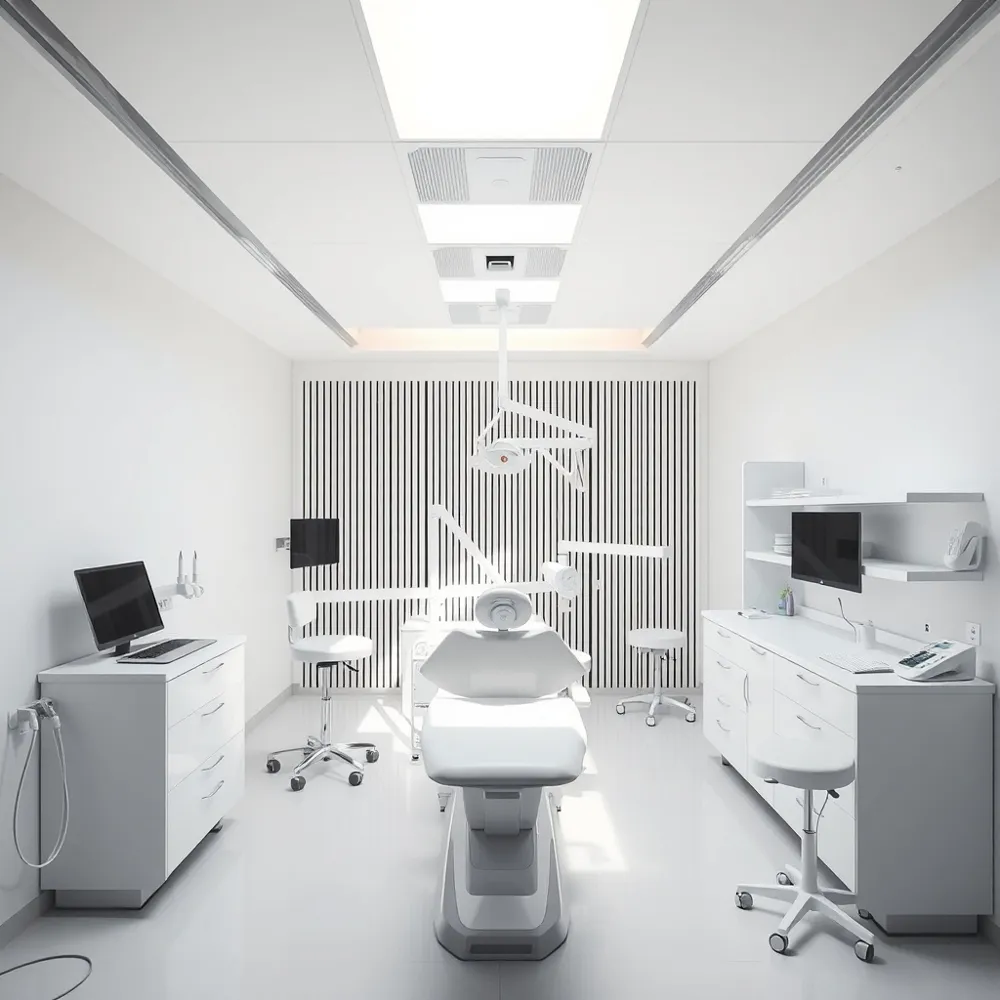 Pediatric dental sedation is considered safe when administered by qualified professionals who adhere to rigorous safety standards. Organizations such as the American Academy of Pediatric Dentistry (AAPD) and the American Society of Anesthesiologists (ASA) provide comprehensive guidelines for monitoring and managing sedation to ensure patient well-being. By following these protocols, dentistry teams can effectively manage potential risks like airway obstruction or respiratory depression.
Before any procedure, the team at V Dental conducts a thorough evaluation to determine the most appropriate and safest approach for your child’s specific needs. This mandatory assessment includes a detailed review of medical history, a physical examination, and the assignment of an ASA classification score to identify any contraindications. V Dental maintains this high standard of care by combining clinical expertise with advanced technology, including CBCT 3D imaging and iTero 3D scanning, to support precise diagnostics and safer, more efficient treatment plans.
Continuous surveillance is a critical pillar of safety during sedated appointments. Reliable centers utilize end-tidal carbon dioxide (EtCO2) monitoring alongside standard checks of heart rate and blood-oxygen levels, typically assessed every 5 minutes per AAPD guidelines. V Dental ensures that all emergency equipment and pharmacological interventions are readily available, keeping the office prepared for any potential physiological changes. If you have any questions about how these safety practices protect your child, the team is always available to discuss these personalized care plans.
Exploring Common Sedation Techniques
 Pediatric dentistry relies on a range of approaches to ensure children feel calm and secure during their appointments. V Dental in Live Oak, Texas, tailors these methods to the specific developmental needs and anxiety levels of each young patient. By integrating digital X-rays and other precise diagnostic tools into their workflow, the team determines which approach best supports a positive outcome.
Nitrous Oxide and Oral Sedation
The most common mild sedative is nitrous oxide, often called laughing gas. This inhaled gas is delivered through a comfortable nasal mask, helping children feel relaxed while remaining fully conscious and able to communicate. Because its effects are rapidly reversed by breathing pure oxygen, children can typically return to normal activities almost immediately after the appointment. For children with higher anxiety, oral sedation may be used. This involves administering medication that helps the child drift into a light sleep or feel deeply relaxed. Unlike nitrous oxide, oral options require a longer recovery window and strict pre-procedural fasting to ensure gut safety.
Managing Complex Dental Needs
For extensive dental work or cases where a child cannot tolerate other methods, deep sedation or general anesthesia may be indicated. These approaches often render the patient unconscious and require rigorous continuous monitoring of oxygenation, ventilation, and circulation. These services are typically reserved for children with complex medical histories or extensive oral health needs. At V Dental, every sedation plan begins with a thorough medical review to identify risks, following the American Academy of Pediatric Dentistry guidelines to ensure each child stays safe from induction through recovery.
Behavioral Alternatives to Medication
Many parents wonder, can dental procedures be performed on 4-year-olds without sedation? Often, the answer is yes. At V Dental in Live Oak, Texas, primary care focuses on personalized treatment plans designed to build trust and comfort, frequently allowing children to receive necessary care using non-pharmacological behavior management rather than medication.
Building Confidence Through Communication
The Tell-Show-Do method serves as a foundation for pediatric care. Dentists first explain the procedure in simple terms, demonstrate the tools using safe, non-threatening items, and then perform the task. This process demystifies the dental office, reducing the fear of the unknown that often triggers anxiety in young patients.
Using Creative Distraction
Distraction techniques play a significant role in minimizing distress. By redirecting a child's focus toward storytelling or engaging movies, the dental team can guide patients through treatments while they remain relaxed. Modern clinics like V Dental leverage advanced technology and comfortable office environments to facilitate these methods, ensuring the child feels secure throughout the appointment.
Encouraging Positive Behavior
Positive reinforcement strategies reward cooperation and bravery during every visit. By offering verbal praise or small incentives, clinicians encourage children to view their dental health as a positive experience. While pharmacological options exist when absolutely necessary, these behavioral alternatives effectively support long-term cooperation, preventing the development of dental phobias. The dental team will always perform a thorough assessment to determine if your child can comfortably proceed without chemical sedation.
Essential Pre-Procedure Preparation
Preparing for a sedation visit requires attention to detail to ensure your child remains comfortable and safe throughout their procedure. At V Dental, located in Live Oak, Texas, Dr. Brandon Villarreal and his team prioritize clear communication with parents to establish a customized pre-procedure plan that aligns with American Academy of Pediatric Dentistry guidelines.
Strict adherence to fasting protocols, often referred to as NPO (nothing by mouth), is a fundamental safety measure. Because sedatives can relax throat muscles, having an empty stomach significantly lowers the risk of aspiration. Typically, children must avoid solid foods starting at midnight before their appointment, and clear liquids may be restricted to two hours prior depending on specific clinical protocols. Following these rules exactly as provided by your dental team is vital for your child's wellbeing.
Beyond dietary adjustments, your child's current health status is a primary concern. The team at www.vdentaltx.com requires parents to screen for signs of illness like fevers, runny noses, or ear infections, generally within 48 hours of the scheduled visit. Respiratory congestion can interfere with certain sedation methods, making it necessary to reschedule if your child is not feeling well.
Finally, transparency regarding your child's medical history is non-negotiable. Before the procedure, disclose all medications, herbal supplements, and known allergies to the dental office. Whether it is a daily asthma inhaler or a new prescribed tablet, every detail helps the staff prevent adverse interactions. When you arrive, the staff may utilize advanced tools like iTero 3D scanning or digital x-rays to further support their planning, ensuring that every aspect of the care provided is informed by your child's unique health profile.
Anticipating Post-Sedation Recovery
 Understanding what to expect after a dental visit involving pediatric sedation is essential for a smooth recovery at home. Following the procedure, it is common for children to experience grogginess, drowsiness, and temporary confusion as the medication wears off, per Kids Health Info. Other frequent side effects include nausea, vomiting, headaches, and a temporary loss of memory regarding the dental procedure. You may also notice your child is wobbly, has slower reflexes, or exhibits slurred speech. While many children sleep longer than usual after their visit, they may occasionally experience shivering or hiccups. These effects typically subside within a few hours, though some children may have lingering symptoms, such as fatigue or disorientation, for up to 24 hours.
At V Dental, our team provides tailored discharge instructions because children require close, continuous supervision for at least 24 hours post-sedation. During this window, avoid allowing them to participate in activities that require physical balance or coordination, such as swimming, climbing, or using playground equipment, as noted by the American Academy of Pediatric Dentistry. It is important to keep your child in a safe, quiet environment and ensure they are positioned so their airway remains clear if they drift off to sleep.
Guidance on Post-Procedure Nutrition
Dietary adjustments are necessary to protect healing tissues and prevent discomfort. Begin by offering clear, cool fluids before moving on to soft foods, as recommended by Nationwide Children's Hospital. Avoid using straws, as the suction can irritate surgical sites or gum tissue, and stay away from hard, crunchy items that require significant chewing. Because local anesthesia used in conjunction with sedation may leave the mouth numb, supervise your child closely during their first post-procedure meal to prevent them from accidentally biting their own tongue, cheek, or lips.
Early Orthodontics and Long-Term Oral Health
The rule of seven suggests that children should receive their first orthodontic assessment by age seven. At V Dental, we utilize CBCT 3D imaging and iTero 3D scanning during these early screenings to identify developmental concerns before they become complex problems. By evaluating the growth of the jaw and the eruption of permanent teeth early, our team can guide dental development through proactive, less invasive corrective measures.
Benefits of Proactive Oral Assessments
Early evaluations allow our dentists to monitor alignment and structural growth without immediate intervention. Detecting potential crowded teeth, crossbites, or jaw inconsistencies early leads to more efficient treatment options. When dental issues are addressed during these formative years, children often gain a better foundation for their oral health, which frequently eliminates the need for more intensive restorative procedures that might later require pediatric sedation to manage.
By shifting the focus from reaction to prevention, we help families avoid the stress and costs associated with extensive dental work in the future. Integrating customized treatment plans at this age ensures that your child experiences a smoother, more confident progression toward a healthy, lasting smile.
Integrating Advanced Technology with Comfort
Advancements in dental technology significantly enhance both the precision of treatments and the comfort of pediatric patients. At V Dental, practitioners use CBCT 3D imaging to create detailed, accurate maps of a child's oral structure, which allows for highly personalized treatment planning. This high-tech approach serves to minimize invasive procedures and anxiety.
Digital X-rays and iTero 3D scanning further contribute to patient-centered care by streamlining diagnostic processes. These tools reduce overall appointment duration, helping young children remain calm throughout their visit. By integrating this modern equipment, V Dental ensures that families in Live Oak receive efficient, high-quality care backed by state-of-the-art diagnostic standards.
Partnering with V Dental for Your Child's Smile
Selecting the right approach for your child's dental care involves understanding the full range of available tools. From nitrous oxide for mild relaxation to more robust sedation methods for complex procedures, options are tailored to meet individual health needs and anxiety levels. At V Dental, Dr. Brandon Villarreal and his team prioritize a multidisciplinary approach that combines advanced technology, such as CBCT 3D imaging, with a commitment to patient comfort.
Safety and clear communication remain the foundations of our practice in Live Oak. We invite families to schedule a consultation to discuss personalized treatment plans that ensure a positive, stress-free clinical experience. By focusing on preventive maintenance and compassionate care, we aim to build lasting confidence in dental health for every patient.