Why Certain Foods Are Like a Natural Toothbrush
Some foods double as a natural toothbrush. Called "detergent foods," these firm, crisp options scrub tooth surfaces and stimulate saliva – the mouth's best defense against acids and decay. They help restore mouth pH to a healthy 7.0 after meals.
These foods support, but do not replace, regular brushing and flossing. The next sections cover the top 5 choices to incorporate into your routine.
Teeth-Cleaning Foods & Habits
- Crunchy apples and pears stimulate saliva production, which neutralizes acids and washes away food particles.
- Celery is called nature’s dental floss because its fibrous strands dislodge food and plaque from between teeth.
- Carrots are packed with vitamin C, calcium, and keratins that scrub tooth surfaces while chewing.
- Leafy greens (spinach, lettuce, kale) provide calcium, folic acid, and vitamin A to support saliva and gum health.
- Cheese contains casein and high phosphate content that fortify enamel and balance mouth pH.
- Broccoli and cucumbers offer high water content that rinses teeth and stimulates saliva flow.
- Green and black teas contain polyphenols that suppress plaque bacteria and reduce acid attacks on teeth.
- Fluoridated water strengthens enamel, washes away acids, and helps maintain high saliva levels.
- Food sequencing — eating cheese or milk after acidic meals — restores pH balance and lowers cavity risk.
- Teeth-friendly foods support hygiene but do not replace twice-daily brushing, daily flossing, and routine dental visits.
1. Crunchy Apples and Pears – Nature's Scrubbing Brush
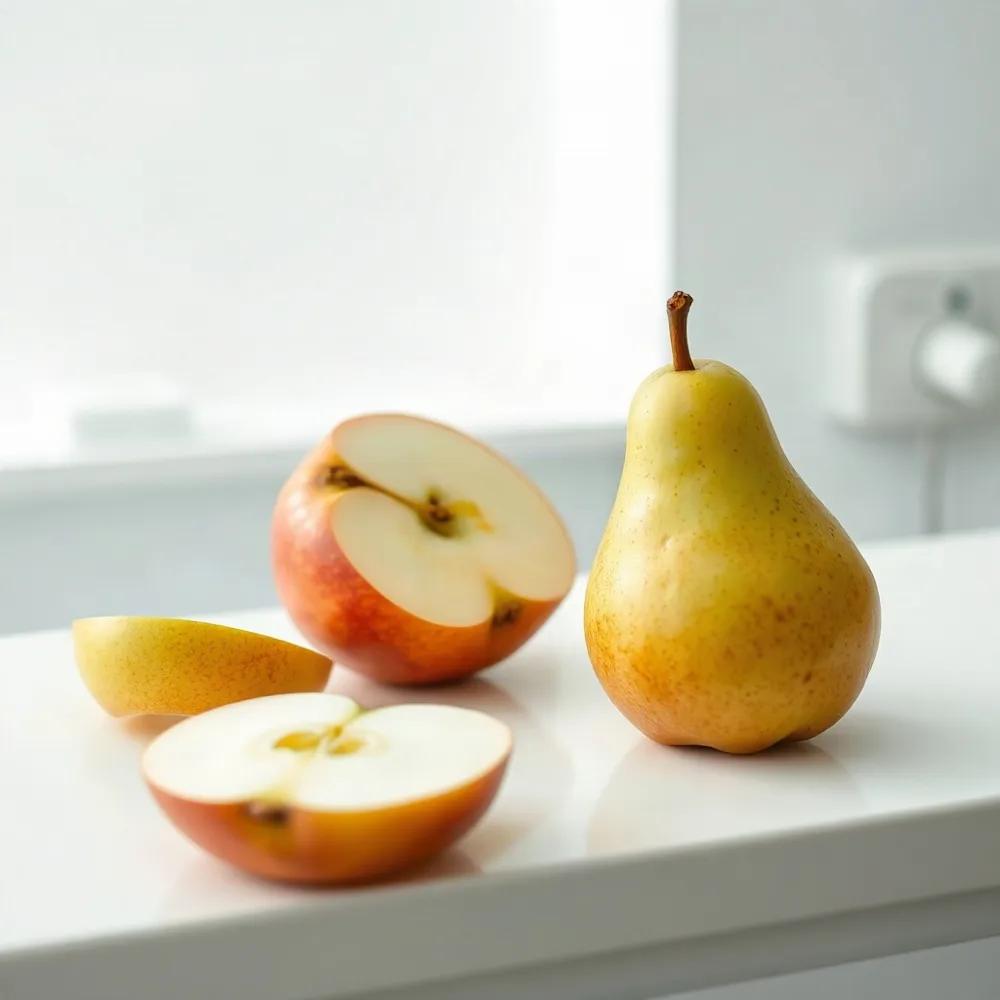 Crunchy, fiber-rich fruits like apples and pears act as natural scrubbers for your teeth. Their hard, fibrous texture requires significant chewing, which stimulates saliva production — the mouth's primary defense against cavities and gum disease. Saliva helps wash away food particles and neutralizes harmful acids, including the citric and malic acids found in the fruits themselves. Fresh apples, in particular, are far less likely to cause decay than apple juice, according to the University of Illinois Chicago College of Dentistry.
Raw pears share a similar benefit: they are effective at neutralizing mouth acids that cause decay. The chewing action also massages the gums, promoting healthy blood flow. For maximum benefit, these "detergent foods" are best eaten at the end of a meal, where they can act as a final cleaning step before brushing.
2. Carrots and Celery – Natural Dental Floss
 Carrots and celery are two of the most effective natural tooth cleaners you can eat. With their firm, crunchy texture, they act like scrub brushes on your teeth and gums.
Celery. Often called nature's dental floss, celery's fibrous strands help dislodge food particles and plaque from between teeth. Its high water content also stimulates saliva flow, which naturally washes away bacteria.
Carrots. Packed with vitamin C, calcium, and keratins, fresh carrots scrub tooth surfaces like a natural toothbrush. The chewing action required breaks them down into small, abrasive pieces that clean as you eat.
To get the most benefit, eat carrots and celery at the end of a meal as a "detergent food." This helps neutralize mouth pH and scrub away residue left by sugary or acidic dishes. Pairing them with a glass of water further rinses the mouth and keeps saliva levels high.
3. Leafy Greens – A Vitamin-Packed Teeth Scrubber
 Spinach, lettuce, and kale do more than build strong bodies. These leafy greens are rich in calcium, folic acid, and other vitamins that teeth and gums need to stay healthy. Their crunchy texture also helps scrub plaque and food particles from tooth surfaces as you chew, acting as a natural cleaner.
Beyond scrubbing, the nutrients in leafy greens offer targeted support. Vitamin A promotes saliva production, which helps wash away bacteria and neutralizes acids. Vitamin C strengthens the connective tissues in gums and helps resist infection. Folic acid supports the health of gum cells, reducing the risk of inflammation and periodontal disease.
Including a serving of leafy greens at every meal is a simple way to fight periodontal disease. At V Dental in Live Oak, Dr. Brandon Villarreal emphasizes that personalized nutrition habits complement modern preventive care, helping patients maintain a healthy smile between visits.
4. Cheese – A Tasty Enamel Fortifier and pH Balancer
Cheese offers a triple benefit for your teeth. It is low in sugar, packed with calcium, and contains a protein called casein that helps fortify tooth enamel. Its high phosphate content works to balance the pH level in your mouth, which helps preserve enamel from acid attacks.
The act of chewing cheese also stimulates saliva production. Saliva is your mouth's best natural defense, washing away bacteria and food particles. The calcium and phosphates found in dairy like cheese, milk, and plain yogurt further help remineralize and rebuild tooth enamel.
5. Crunchy Vegetables – Cucumbers, Broccoli & More
Beyond carrots and celery, other crunchy vegetables offer their own cleaning benefits. Cucumbers, with their high water content, help rinse teeth and stimulate saliva flow, which naturally washes away food particles and bacteria. Broccoli delivers vitamin C and K for gum and bone health while acting as a natural teeth cleaner.
Popcorn can help dislodge debris stuck between teeth, though it should be eaten plain — avoid butter and salt that can harm enamel. For the best natural clean, eat raw vegetables at the end of a meal. Their crisp texture scrubs tooth surfaces and massages gums, and the extra chewing generates more saliva to neutralize acids. Think of them as a handy snack or meal finisher that supports your daily brushing and flossing routine.
How to Make These Foods Work Best for You
Knowing which foods help clean your teeth is only half the picture. The timing and order in which you eat them can amplify their benefits.
Use Food Sequencing to Protect Enamel
Food sequencing is a simple strategy: eat an acid-neutralizing food like milk, unsweetened tea, or cheese right after a sweet or acidic meal. This practice helps prevent prolonged acid attacks on your teeth, as noted by the UIC College of Dentistry. Ending a meal with a piece of cheese or a glass of milk can quickly restore your mouth's pH balance and reduce cavity risk.
Make Detergent Foods Your Final Course
Firm, crisp foods like apples, celery, carrots, and pears act as natural scrubbers. To get the most out of them, eat one as the last item in your meal. This allows the food's texture to help dislodge debris and stimulate saliva flow, which is the mouth's best natural defense against cavities and gum disease, according to URMC.
Limit Sugary Snacks and Drink Fluoridated Water
Snacking on sugary or acidic foods throughout the day keeps your teeth under constant acid attack. Instead, consume those items as part of a meal, when your mouth produces more saliva to neutralize acids. Drinking fluoridated water during and after meals helps wash away sugars and acids, while also providing fluoride, which strengthens enamel.
These Foods Support Good Hygiene, They Do Not Replace It
Eating teeth-friendly foods can enhance your oral health, but it is not a substitute for regular brushing and flossing. To keep your teeth in top shape, continue to brush twice a day, floss once daily, and visit your dentist for routine checkups. The practice at V Dental emphasizes personalized treatment plans that combine professional care with smart daily habits.
The Role of Water and Saliva in Natural Cleaning
Water is the best choice for a tooth-friendly drink. Fluoridated water helps prevent cavities by strengthening enamel and washing away food particles and acids. It also keeps saliva levels high.
Saliva is the mouth's first line of defense against cavities and gum disease; it reduces acid attacks and restores minerals to teeth using calcium and phosphate. Drinking water during and after meals helps rinse away sugars. When water is not available, sugar-free gum can stimulate saliva to similar effect.
Foods That Fight Plaque and Harmful Mouth Bacteria
Green and black teas are rich in polyphenols that either kill or suppress plaque bacteria, preventing them from creating acids that attack teeth. Brewed tea can also provide fluoride, depending on the water used.
Cheese and dairy products like milk and yogurt neutralize acid in the mouth and provide calcium and phosphates that help rebuild enamel. Cheese contains casein that fortifies tooth enamel, and its high phosphate content balances pH levels.
Fibrous vegetables such as carrots, celery, and broccoli scrub tooth surfaces and stimulate saliva flow, which is the body's natural defense against bacteria. Cucumbers and leafy greens also contribute by requiring vigorous chewing.
No food replaces professional cleaning for established plaque. These foods support oral hygiene but should be combined with regular brushing, flossing, and dental visits.
Which Foods to Limit for a Healthy Smile
Sugary items such as candy, cake, and dried fruit feed decay-causing bacteria, which produce acids that attack enamel. Sticky sweets cling to teeth and prolong these acid attacks. Starchy foods like soft bread and potato chips can get trapped between teeth, increasing decay risk.
Carbonated soft drinks are a leading source of added sugar among children and teens, and their phosphoric and citric acids erode tooth enamel. Alcohol and certain medications dry out the mouth, reducing saliva's protective effects.
Limit between-meal snacking, and eat sweets during meals when saliva production is higher to neutralize acids and rinse away food particles.
Eat Your Way to a Brighter Smile
Crunchy fruits and vegetables, dairy products like cheese and yogurt, and leafy greens each play a role in keeping teeth clean and healthy. Their textures scrub away food particles, their nutrients strengthen enamel, and they stimulate saliva to neutralize acids.
These foods support good oral hygiene, but they do not replace brushing and flossing. The best routine combines a nutrient-rich diet with regular professional care. Scheduling a checkup at V Dental helps catch issues early and keeps your smile on track.
One final tip: make detergent foods the last thing you eat at a meal. An apple, celery stick, or carrot finished after your main dish acts as a natural toothbrush, helping to restore your mouth's pH balance and rinse away lingering particles.