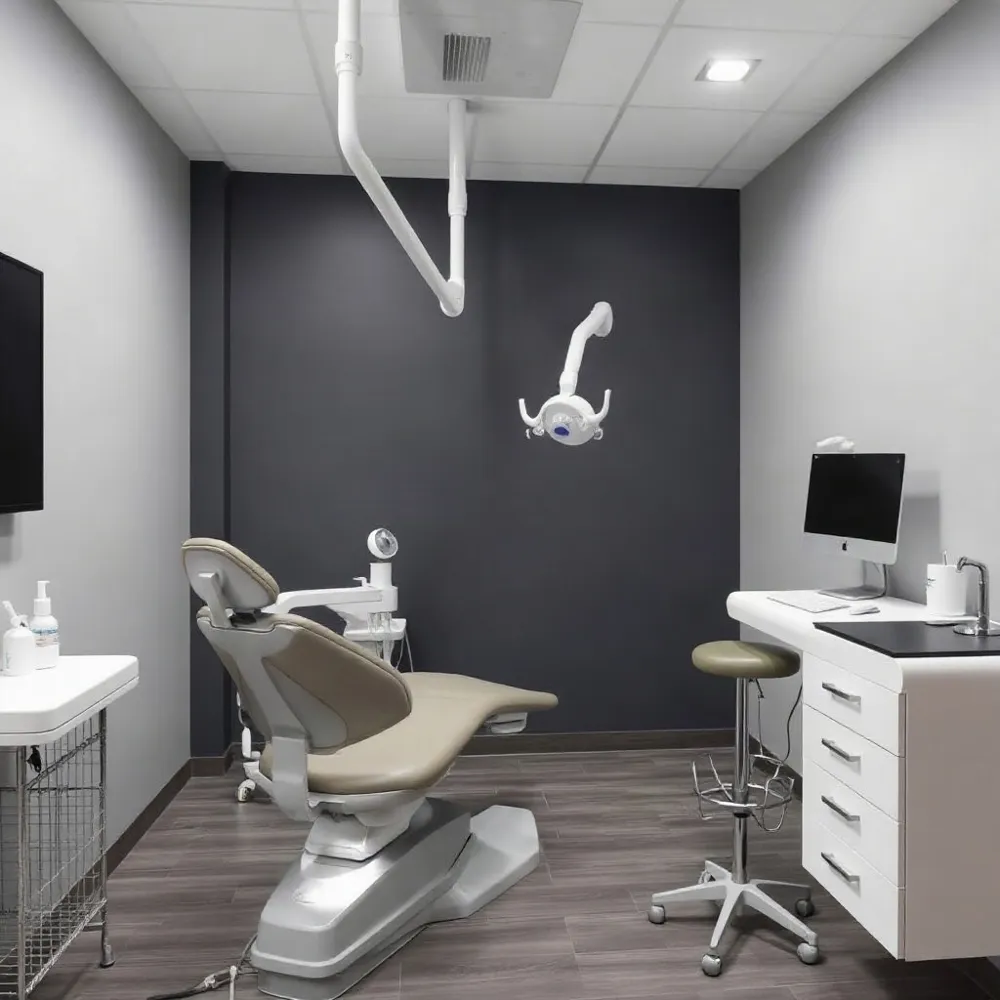
Dental Implants and the Path to Affordable Care
Dental implants represent a significant investment, often ranging from $3,000 to over $50,000 depending on the complexity of your procedure. At V Dental in Live Oak, Texas, we believe everyone deserves access to restorative care, which is why we provide personalized treatment plans alongside flexible financing options designed to fit your unique budget. Exploring these financial paths can remove barriers to the high-quality care recommended by the American Dental Association.
Understanding Dental Implant Costs and Insurance Coverage
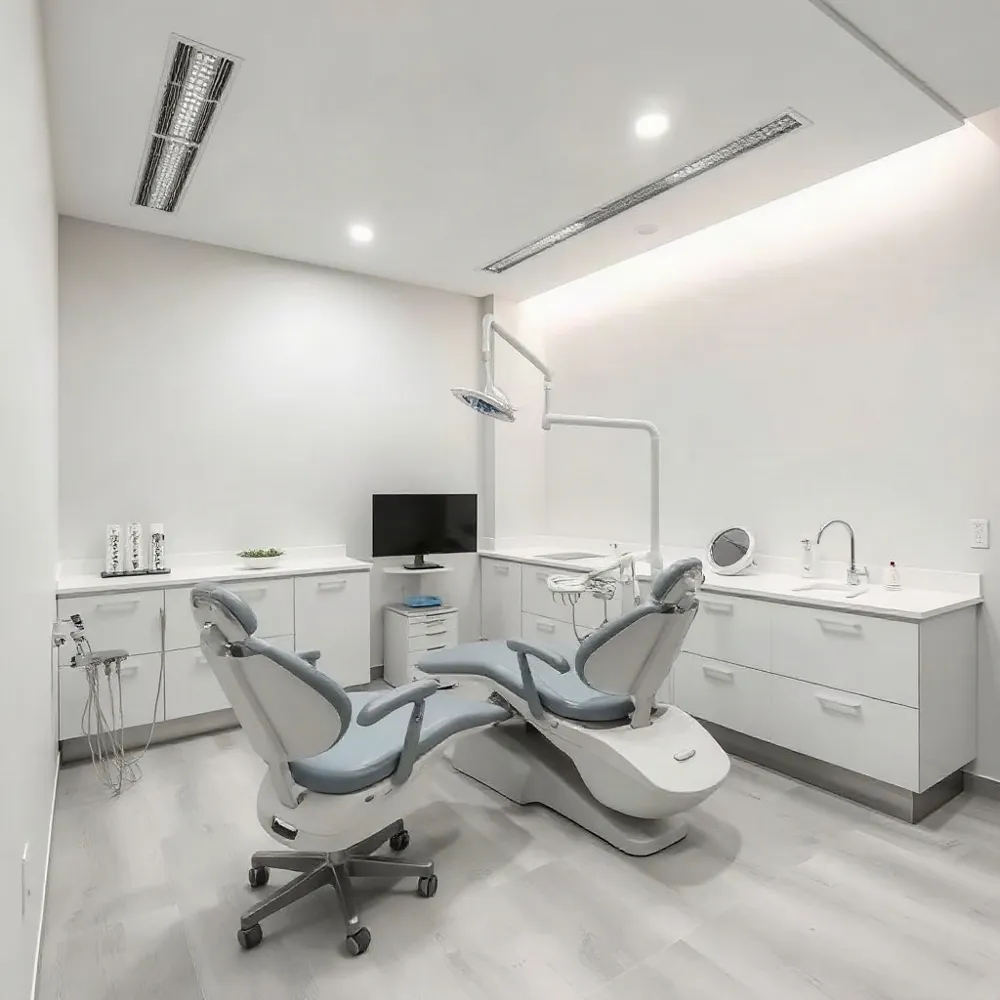 The national average cost for a single dental implant in the United States is $2,143, with typical procedure costs ranging between $1,646 and $4,175, per 2023-2024 CareCredit data. These figures serve as a baseline, but final costs often fluctuate based on individual case variables such as the number of teeth requiring replacement, the complexity of the surgical placement, and whether you require preparatory treatments like bone grafting.
How much do dental implants typically cost with and without insurance?
The cost of dental implants varies significantly based on factors such as the number of teeth being replaced, the complexity of the procedure, and whether you require additional treatments like bone grafting. Without insurance, patients typically pay the full out-of-pocket cost, which can be substantial depending on the scope of the restoration. If you have dental insurance, your plan may cover a portion of the crown or restoration, though it is rare for policies to cover the entire implant procedure. Because insurance coverage and actual fees depend on your specific plan and the personalized treatment plan designed by your dentist, these costs are not uniform. We recommend requesting a personalized treatment estimate from our office to understand your specific financial requirements.
Many standard dental insurance plans classify implants as elective or cosmetic treatments, which limits the available coverage. While some policies contribute toward the costs of the crown or necessary tooth extractions, it is infrequent for a plan to cover the surgical implant itself. According to the American Dental Association, providing clear communication regarding financing is vital for case acceptance.
Common Financing Options for Dental Implants
Dental implant financing offers several flexible paths to help manage the cost of treatment. Patients often utilize Health Savings Accounts (HSAs) or Flexible Spending Accounts (FSAs) to cover expenses using pre-tax dollars for medically necessary components like abutments and bone grafting. Many dental practices also partner with third-party medical lending platforms, such as CareCredit or Sunbit, which provide specialized credit lines for healthcare procedures. Additionally, some offices offer in-house payment plans that allow patients to break down the total cost into manageable monthly installments. Exploring these diverse options can help make restorative dental care more accessible and budget-friendly.
Flexible Payment Strategies
Beyond standard credit lines, patients can consider Buy Now, Pay Later platforms such as Cherry, which often feature 0% APR and rapid approval processes without requiring hard credit pulls. At V Dental, we provide personalized financing options to assist patients in managing the costs associated with dental implant procedures, helping to remove financial barriers to treatment.
Combining multiple strategies is often the most effective way to manage a large treatment plan. For example, a patient might apply pre-tax funds from an HSA to cover a portion of the balance, then finance the remainder through an in-house installment plan. Per American Dental Association guidance, establishing a clear protocol for these options can significantly increase case acceptance by creating a transparent, non-judgmental environment for discussing financial obligations.
Financing Dental Implants with Less-Than-Perfect Credit
 Finding accessible ways to manage dental implant costs is possible even when your credit history is not ideal. Many modern financing providers look at a broader range of financial factors beyond a traditional credit score, significantly increasing the likelihood of approval. For instance, platforms like Cherry and Sunbit typically perform soft credit checks that do not lower your score during the application process, allowing you to explore your options without immediate worry.
Specialized lending services provide alternatives for those who may not meet the criteria of traditional bank loans. HFD stands out for its high approval rates, often exceeding 99 percent, and a fast application process that usually takes under 3 minutes. For patients who prefer to avoid traditional credit evaluations entirely, companies like iCare Financial offer dedicated programs designed to assist those with lower credit scores. If individual approval remains a challenge, some financing programs also allow for the use of a co-signer to bolster your application.
Navigating these choices does not have to be a solitary process. At V Dental, we emphasize personalized care and transparent communication, which includes helping you identify the most suitable payment strategy for your specific budget. We encourage patients to speak with our team about their credit situation during a consultation, as we are committed to finding a workable plan that brings restorative, high-quality care within reach. For more information on navigating various patient financing options, you can review the Patient Financing Options guidance provided by the American Dental Association.
Steps to Afford Dental Implants When on a Tight Budget
Managing the cost of restorative care often feels overwhelming, but several strategies exist to make dental implants more accessible. Many patients find that using pre-tax dollars through a Flexible Spending Account or Health Savings Account provides significant savings on medically necessary components, such as bone grafts or abutments.
For those seeking additional flexibility, V Dental works with patients to create a customized financial plan. This often includes a phased treatment approach, where we break the multi-stage implant process into smaller parts, such as extractions, post placement, and final crown restoration, to spread the total investment over several months.
What steps can I take if I cannot afford the full cost of dental implants?
When immediate full-arch or multi-implant solutions feel out of reach, you might consider a high-quality removable denture as a bridge. This allows you to restore function and aesthetics today, with the option to modify or transition to implants as your budget allows. Combining multiple payment strategies often yields the best results; you can apply insurance benefits first, use personal savings, and then utilize third-party financing for the remaining balance. Per American Dental Association guidance, clearly defined financing options help practices maintain transparency and patient comfort throughout the treatment process.
- Consult with our team at V Dental to discuss phased treatment scheduling that aligns with your specific budget.
- Check your employer benefits for Health Reimbursement Arrangements (HRA) that may cover costs excluded by standard insurance.
- Research local dental school clinics where supervised residents perform procedures at reduced fees for patients who lack traditional insurance or financing.
- Inquire about third-party healthcare credit cards that offer promotional interest-free periods if the balance is settled within a set timeframe.
How Most Patients Pay for Dental Implants
 Most patients manage the investment of dental implants by layering multiple payment strategies. Rather than relying on a single source, individuals frequently combine personal savings, specialized Patient Financing Options, and insurance benefits to cover the full scope of their restorative care.
Dental insurance rarely covers the entire cost of an implant, but it often contributes to associated procedures such as extractions or the final crown. Patients typically maximize these benefits first, then use third-party financing platforms like CareCredit or Sunbit to bridge the remaining balance. These financing tools allow patients to pay over time, often through promotional 0% APR periods, preventing the need to delay essential treatment.
Personalized payment plans at V Dental
For patients seeking a direct route to affordability, V Dental offers a clear, manageable installment schedule, frequently available with $0 down payment options. By moving away from rigid, one-size-fits-all financing, the practice allows patients to access high-quality restorative care that fits their specific monthly budget.
A formal consultation at V Dental serves as the starting point for developing these financial strategies. During this visit, a treatment coordinator reviews individual insurance coverage and explores various lending options, ensuring that the chosen path reflects the patient's unique financial reality. Beyond standard financing, some patients also look toward professional membership discounts or specialized grants to further reduce their out-of-pocket expenses.
Credit Score Requirements for Dental Financing
Finding a way to manage your restorative care often starts with understanding your financing options. There is no universal minimum credit score required for dental financing, as requirements vary significantly depending on the specific lender or financing program you choose.
What is the minimum credit score required to qualify for dental financing?
While many traditional lenders look for credit scores of 650 or higher to offer standard terms, some specialized healthcare financing platforms are designed for a broader range of profiles. Certain providers offer options that may approve applicants with credit scores as low as 550. Some companies, such as HFD, maintain an approval rate exceeding 99 percent, typically declining applications only in cases involving open bankruptcy or issues verifying identity.
If you are concerned about your current score, several strategies can help you secure funding. Many lenders now allow patients to check for prequalification online, which provides a look at potential rates and terms without triggering a hard credit inquiry that could impact your score. Adding a co-signer to your application can also improve your chances of approval. V Dental, located in Live Oak, Texas, offers flexible financing options to assist with restorative procedures like dental implants, and our team is happy to discuss which paths best suit your financial situation.
- Use prequalification tools to view eligibility without a hard credit pull.
- Consider a co-signer to strengthen your application for larger treatment plans.
- Consult with your practice about internal payment options that may bypass traditional bank requirements per American Dental Association guidelines.
Take the Next Step Toward Your Restorative Smile
Dental implants serve as a lasting investment in your oral health and confidence. By utilizing flexible patient financing options, you can effectively remove the upfront cost barrier and begin your care journey sooner.
At V Dental in Live Oak, Texas, we partner with you to identify a payment strategy that fits your unique budget. Whether you prefer third-party financing, specialized medical credit cards, or combining multiple payment methods, our team provides personalized guidance to simplify the process.
Contact our office today to schedule a consultation with Dr. Brandon Villarreal. We look forward to discussing how we can make your dental implant treatment affordable and accessible.