A More Digital Dental Visit
Dental care increasingly uses digital tools to capture images, record details, and help plan treatment. Artificial intelligence (AI) is an emerging layer: software can look for patterns in dental images or patient information and offer findings for a clinician to review. A review of digital dentistry describes tools such as CBCT imaging, digital radiography, and intraoral scanners as ways to support planning and communication, while noting that their benefits depend on the case and workflow (digital dentistry review).
The distinction matters. Imaging and scanning collect or display information; AI may analyze it. Neither makes a diagnosis on its own or removes the need for a dentist to assess the patient, explain options, and decide what care is appropriate. AI is intended to support, not replace, clinical judgment (American Dental Association guidance).
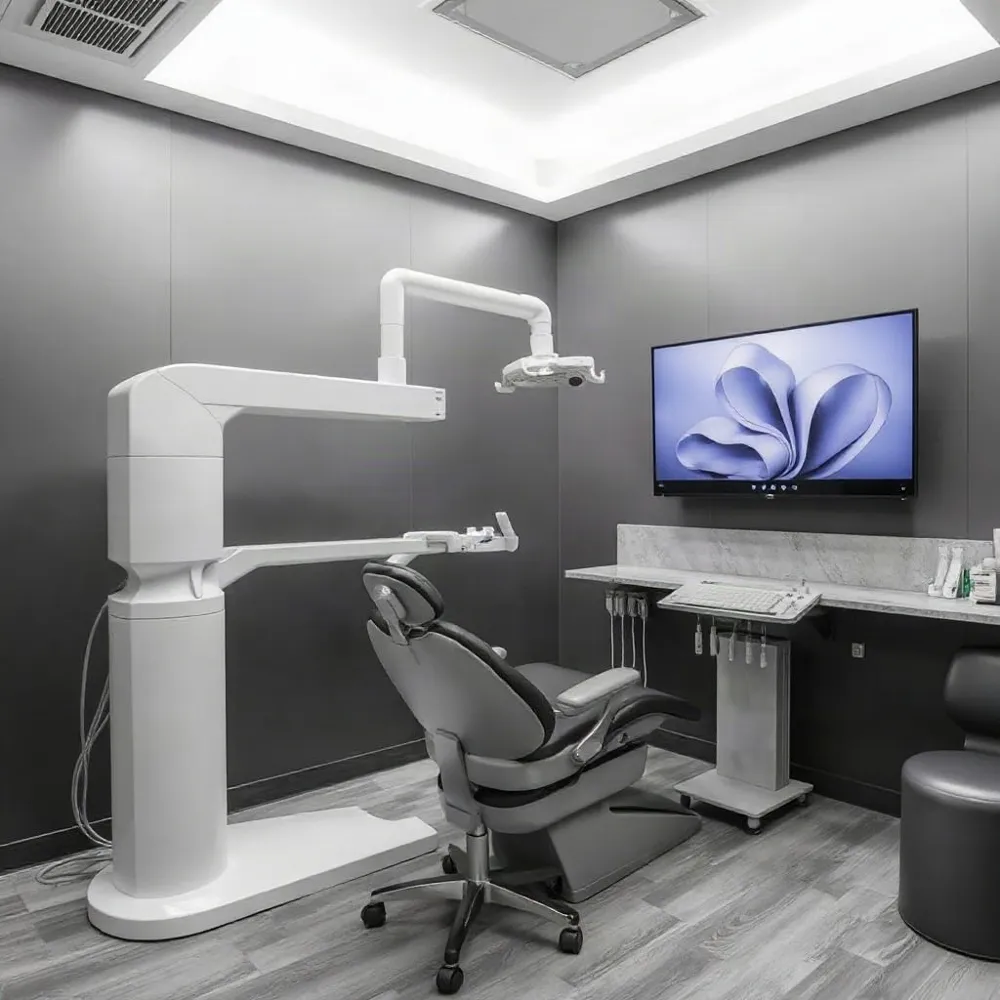
Digital tools may make it easier to discuss findings, support efficient workflows, and tailor treatment planning, but those outcomes are not guaranteed for every patient. V Dental’s listed technology includes CBCT 3D imaging, digital X-rays, intraoral cameras, and iTero 3D scanning. The available information does not establish that the practice uses AI software.
Digital Tools Patients May Encounter
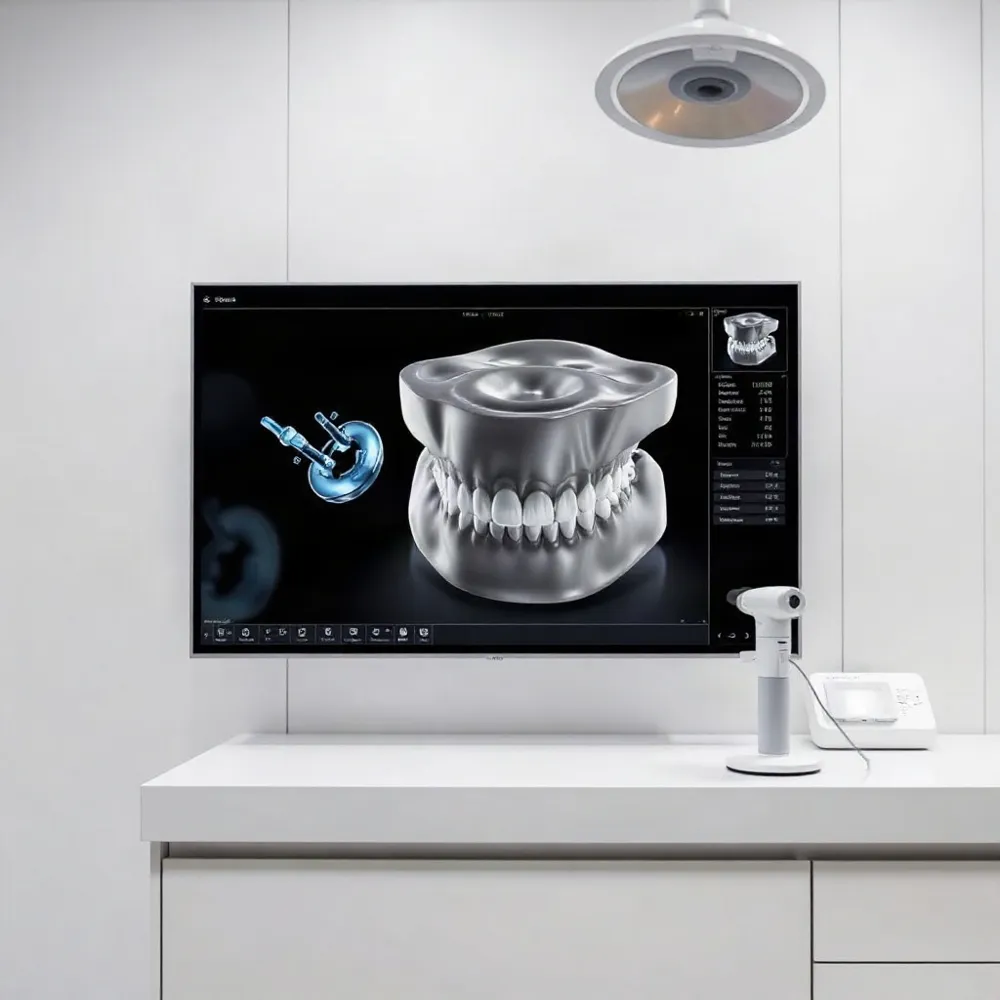 Digital tools can make dental images and treatment plans easier to review together. At V Dental in Live Oak, the available technology includes digital X-rays, CBCT 3D imaging, intraoral cameras, and iTero 3D scanning.
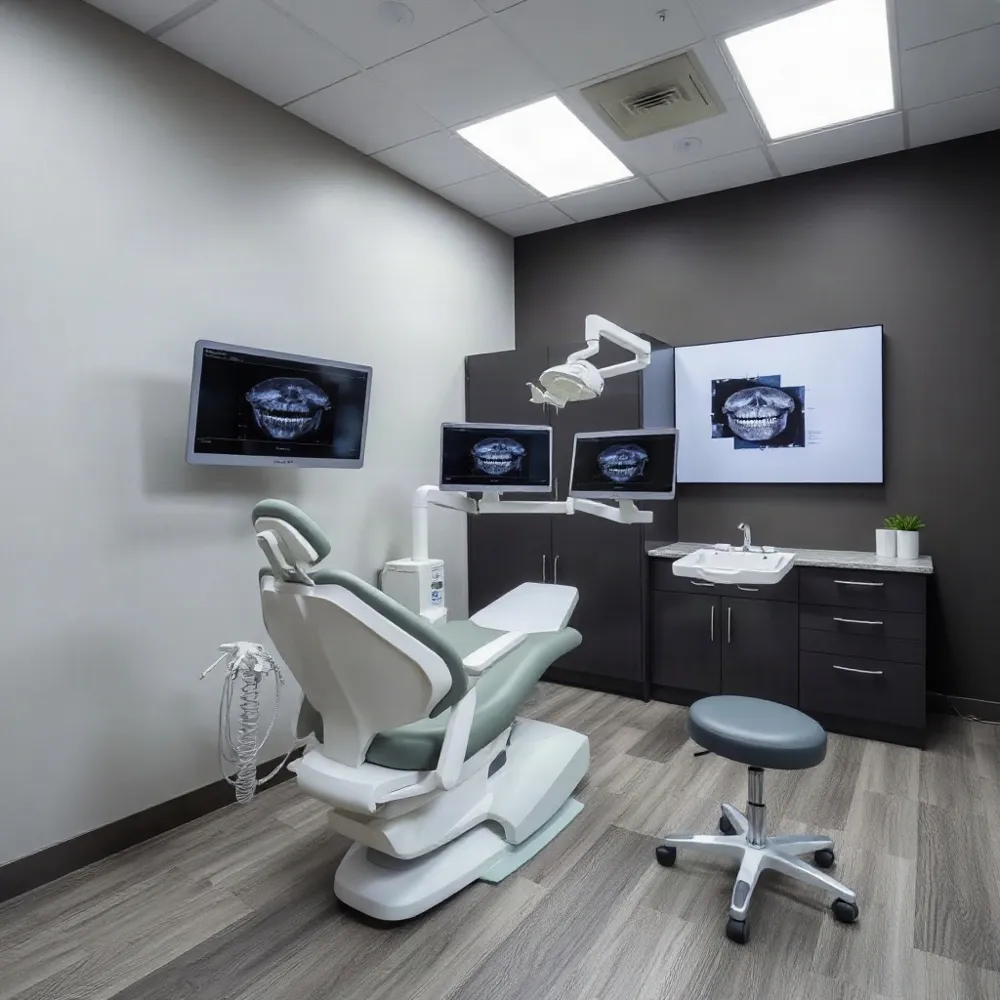
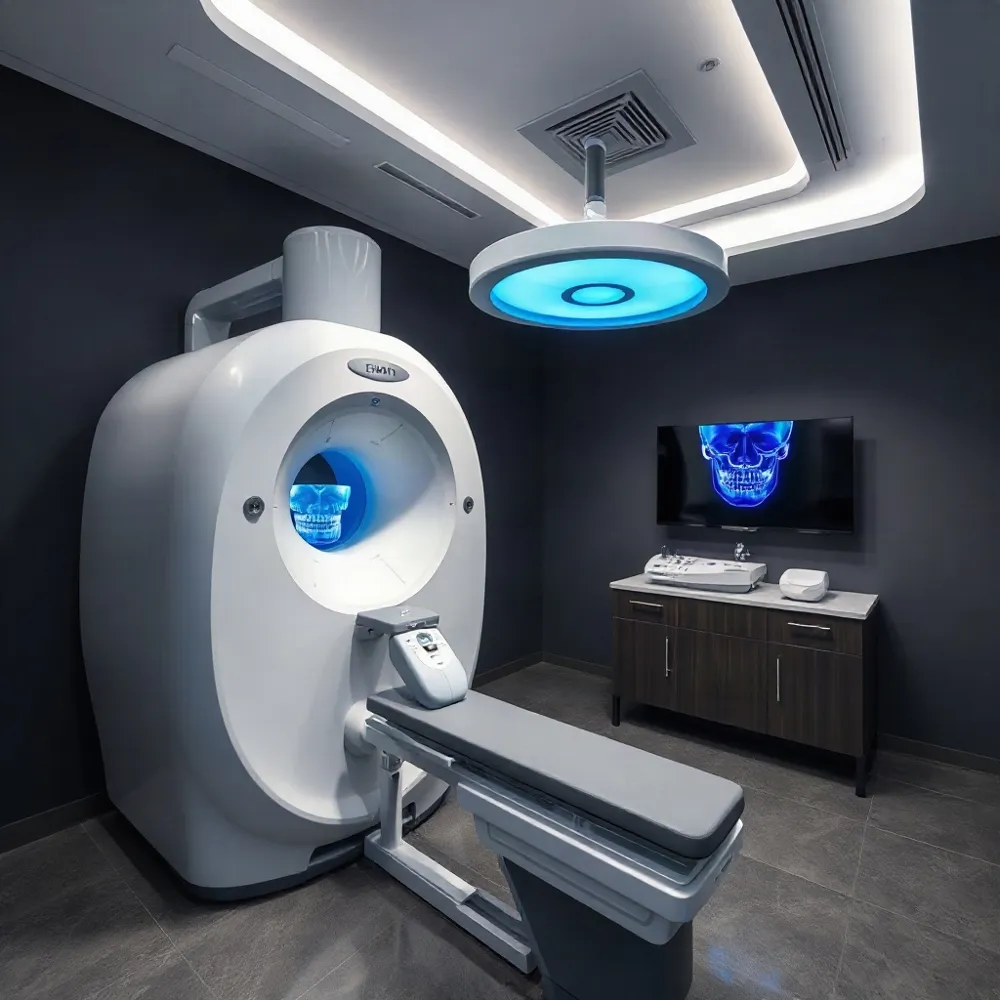
Digital X-rays capture images of teeth and nearby tissues. CBCT imaging provides a detailed three-dimensional view of teeth and surrounding structures, which can help a dentist assess a case and plan care such as dental implant treatment. These images inform a professional assessment rather than diagnosing or treating a patient on their own. Digital imaging and planning tools can also help clinicians explain a patient’s oral condition and discuss treatment options.
An intraoral camera takes close-up images inside the mouth, giving patients a clearer view of findings they may otherwise have difficulty seeing. Intraoral and iTero scans capture the shape of teeth and gums as a digital model, without traditional impression materials. Some patients find scanning more comfortable than impression trays, and a visual model can support conversations about proposed care. Digital impressions and patient communication may also help the dental team plan restorative work.
Digital models can support restorative design and personalized planning. Depending on the procedure and the practice’s workflow, digital steps may also help appointments run more efficiently, but they do not guarantee fewer visits or a particular result.
These are digital dentistry tools, not necessarily artificial intelligence systems. V Dental’s use of imaging, cameras, and scanning does not establish that the practice uses AI, and the tools do not independently make diagnoses or treatment decisions.
Where AI Enters Dental Care
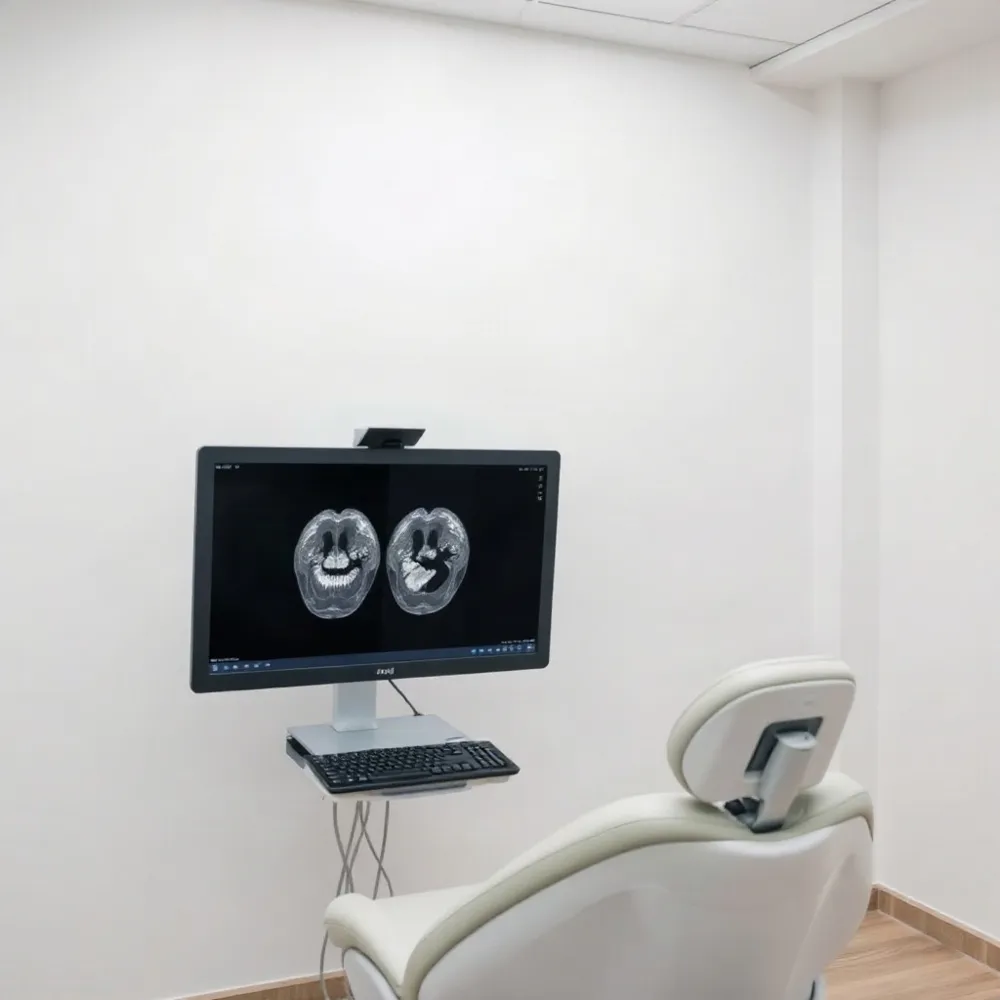 Artificial intelligence (AI) in dentistry is used or studied mainly as decision support. Software can examine radiographs, intraoral scans, and other patient information to find patterns and flag areas for a dentist to review. A review of dental AI applications describes uses that include identifying possible decay, changes in bone, and other abnormalities, while emphasizing that findings need professional interpretation (2024 review of AI applications in dental care).
Some systems classify image findings or separate structures in scans, such as teeth and jaw anatomy. This can help organize information for assessment and planning. In implant care, AI may help analyze factors such as bone structure; in orthodontics, researchers are studying tools to support treatment planning and predict tooth movement. These applications inform a clinician’s review rather than determine treatment on their own.
Predictive analytics is another developing use. By examining patient information and patterns in previous outcomes, AI may help a dental team identify people who could benefit from closer monitoring or preventive attention. These are potential applications, not assurances that a system can forecast an individual patient’s health.
AI may also assist with research, dental education, and practice administration. Tools can help researchers analyze large datasets, support training through simulated cases, and handle routine work such as scheduling, billing, or documentation. When administrative systems fit the practice’s workflow, they may leave staff with more time for patient care.
These uses are not equally established or available in every office. V Dental’s stated digital tools include CBCT 3D imaging, digital X-rays, intraoral cameras, and iTero 3D scanning, but that does not establish that the practice uses AI. The American Dental Association’s overview of AI in dentistry describes image analysis and planning as ways to assist clinicians, while calling for attention to safety, privacy, and responsible use.
Accuracy Depends on Context
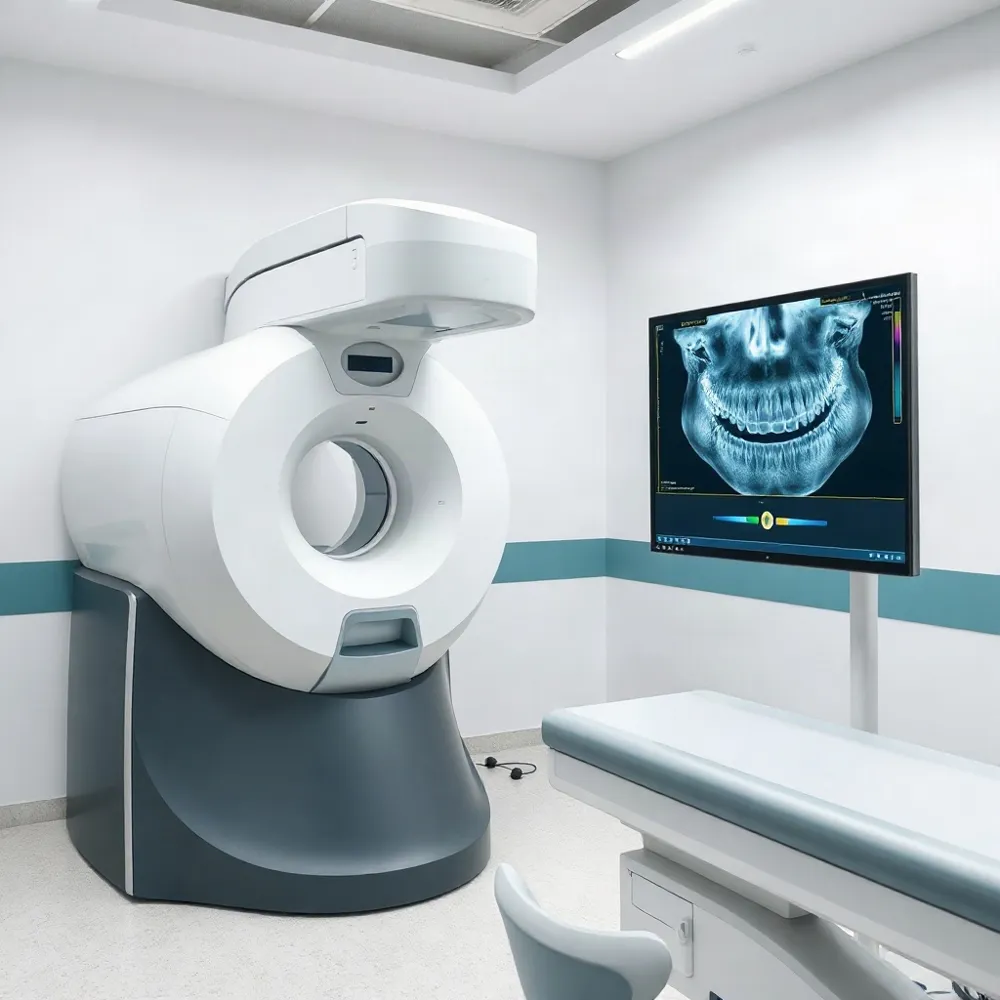 How accurate is artificial intelligence in dentistry, and what are its limitations? There is no single accuracy level that applies to every dental AI tool. Performance depends on the system’s task, image quality, training data, patient population, and clinical setting. A tool built to flag possible decay, for example, may not be suited to assessing bone loss.
AI can miss a finding or flag an area that is healthy, so its output needs professional review. Results may also be less reliable when a model is used with patients, imaging equipment, or image quality unlike those represented in its training data. A 2025 systematic review of dental AI studies highlights the need to interpret research results cautiously because many studies may not reflect a wide range of patients and settings.
Reliable systems need large, diverse, high-quality data, along with safeguards for privacy and informed consent. Developers and practices should be clear about a tool’s purpose and limits, and systems should be tested on data separate from their training sets and assessed in real-world trials. These steps help establish whether a tool is suitable for clinical use, rather than simply showing that it performed well during development. Research on dental AI validation emphasizes independent testing and further clinical trials.
Even a well-tested system cannot fully interpret a patient’s symptoms, medical and dental history, preferences, or the findings of an in-person examination. V Dental’s digital X-rays, CBCT 3D imaging, intraoral cameras, and iTero 3D scanning can give a dentist useful visual information, but those technologies are not evidence that the practice uses AI. Images and software outputs remain part of a broader assessment.
AI is best treated as support for professional judgment, not as an independent source of diagnosis or treatment. Dentists must review what a system flags, weigh it against other clinical information, and decide whether further assessment or care is appropriate.
The Dentist Remains Central
Will artificial intelligence replace dentists? The evidence points to a supporting role, not a substitute for care. AI may help review images or inform treatment planning, but it cannot perform a hands-on examination or bring a dentist’s experience, empathy, and communication to a visit. The American Dental Association’s overview of AI in dentistry describes these tools as aids to clinical judgment.
A dentist checks any AI suggestion against the patient’s images, symptoms, health and dental history, and preferences. The dentist explains what the findings may mean, discusses options, and remains responsible for decisions about care. At V Dental, digital X-rays, CBCT 3D imaging, intraoral cameras, and iTero 3D scanning provide information for the team to review; these listed tools should not be mistaken for proof that the practice uses AI.
Dentists also show more caution about AI for clinical decisions than for administrative work such as charting or billing, according to the ADA’s survey of dentists’ AI use and attitudes. Adoption is still developing, and safe use depends on training, transparent systems, appropriate testing, patient-data protection, and fit with existing practice workflows.
Digital Dentures and Individual Fit
Are digitally made dentures better than conventional dentures? Not automatically. Digital scans can create a three-dimensional model of the mouth, and computer-guided design can help plan a denture. For some patients, scanning may avoid impression materials that feel uncomfortable and support clearer treatment discussions, as described in this overview of digital dentistry.
Comfort and fit still depend on a person’s anatomy, the materials and fabrication method, and the dentist’s assessment. A digital design does not guarantee a better result, and adjustments may be needed after the denture is made. Conventional impressions and fabrication can remain suitable, too.
Discuss oral health, comfort, expected adjustments, and costs with a dentist before choosing an approach. Digital tools are part of dental care broadly, but their availability and suitability vary by practice and patient.
A Common Rule Needs Clarification
What does the 3-3-3 rule in dentistry mean? There is no single official dental definition. Some people use it as a brushing reminder, while others apply it to toothache or baby-tooth milestones. These are informal interpretations, not universal clinical rules.
For everyday oral hygiene, brush twice a day for two minutes with fluoride toothpaste, and clean between your teeth once a day. If you have persistent tooth pain or swelling, contact a dentist. Ask a dentist about concerns involving a child’s teeth, rather than relying on a rule of thumb.
Technology With a Human Guide
Digital images and scans can make dental information easier to see and discuss, while AI may help clinicians identify patterns or organize information. At V Dental, CBCT 3D imaging, digital X-rays, intraoral cameras, and iTero 3D scanning support the practice’s digital workflow. These tools do not, by themselves, determine what care a patient needs.
The benefits of AI are potential, not guaranteed. Reviews of dental AI describe the need for reliable validation, protection of patient information, and careful professional review of system outputs in a 2024 review of AI applications in dental care. A dentist’s examination and judgment remain essential to interpreting findings in each patient’s circumstances.
Patients can ask which technologies are being used, what each contributes, and how the dentist interprets the results. Clear answers help make digital information part of a thoughtful conversation about care, rather than a substitute for one.