Care That Grows With Your Family
Finding dental care that works for a toddler, a busy adult, and an older relative can mean juggling different providers, schedules, and needs. A family dentist may offer one long-term home for routine care as those needs change, but practices vary in the ages they accept and the services they provide, so confirm the fit before booking.
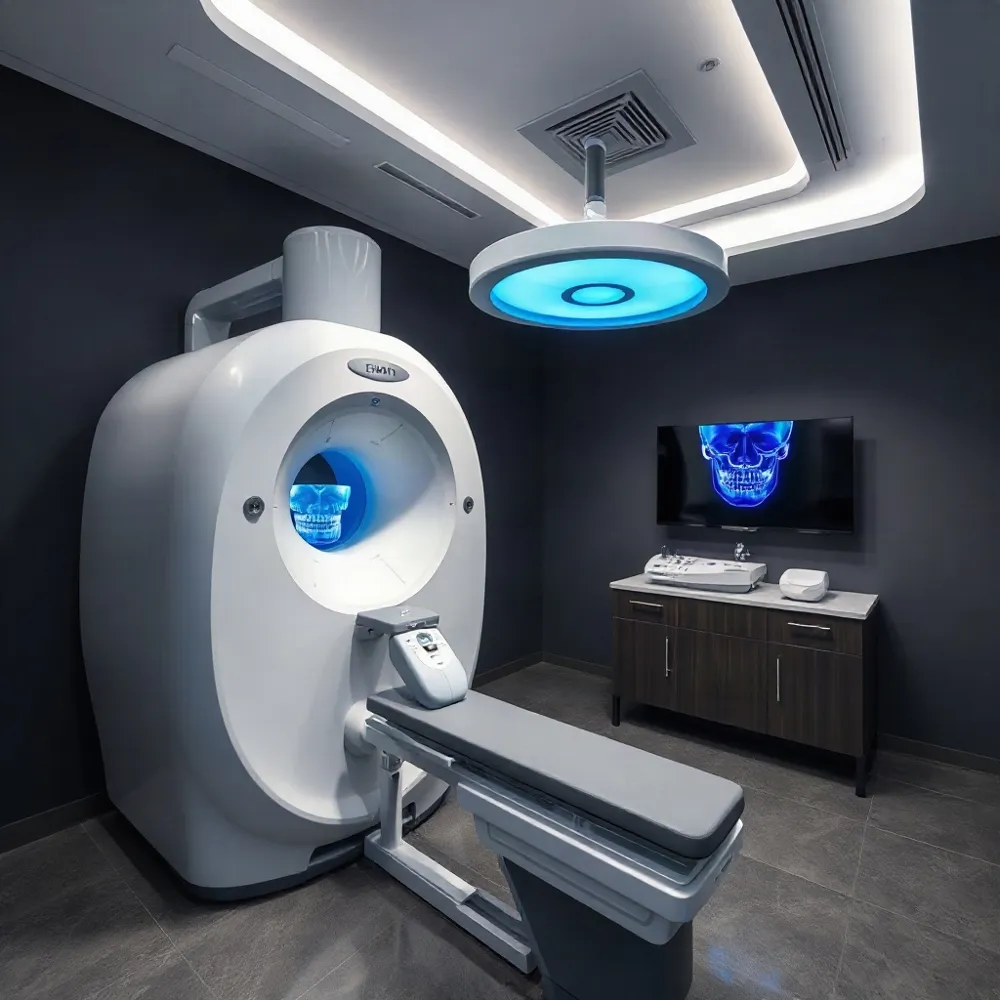
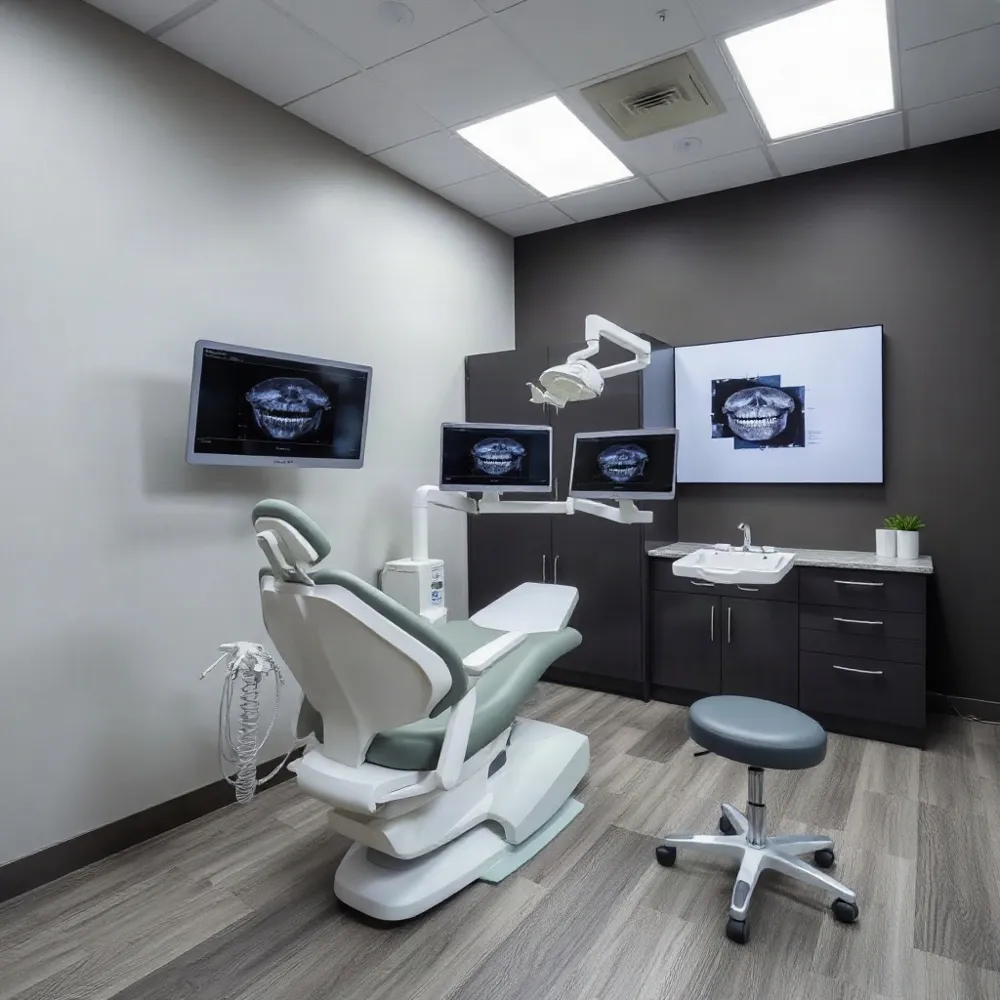
For a household in Live Oak, V Dental offers preventive care alongside services such as dental implants, Invisalign, and emergency care, giving family members options as their needs evolve. Its CBCT 3D imaging, digital X-rays, and intraoral cameras support assessment and treatment discussions.
Convenience matters, but it is only part of the decision. Consider whether the dentist’s experience fits your family, whether the team explains recommendations clearly, and whether patients feel comfortable asking questions. Also check appointment access, insurance and financing details, and how the practice handles urgent needs. A good fit balances clinical care with communication, comfort, and costs your household can plan for.
Choose for Long-Term Fit
 How do you choose the right family dentist? Start by looking for a practice that can provide or coordinate preventive, restorative, and other care as your household’s needs change. Ask what services are available in the office and when a referral may be needed. V Dental’s stated services include preventive care, Invisalign clear aligners, dental implants, cosmetic bonding, veneers, teeth whitening, and emergency care. These options are worth discussing with the dentist, who can explain which may suit each patient.
Keeping records with one dental team can help the practice follow changes over time, consider relevant family history, and tailor preventive guidance. Continuity does not mean everyone receives the same plan: recommendations should reflect each person’s own dental and medical history, current needs, and preferences. V Dental says it develops personalized treatment plans, giving families a starting point for discussing how care is adapted to the individual.
Check the dentist’s qualifications, active state license, and experience with the ages and needs in your family, including children and older adults. Review clinician biographies, ask about relevant training, and consult reputable professional directories or state licensing resources. Ask how the team handles care beyond its usual services, including referrals for specialist treatment.
Communication matters as much as the service list. A dentist should listen to concerns, explain examination findings and options in plain language, and give patients time to make informed decisions. Online reviews can offer clues about communication and staff interactions; look for recurring themes across reviews rather than treating one comment as conclusive.
Practical fit can shape whether a family keeps up with routine visits. Compare the office’s location, available appointment times, and hours with your household’s schedule. Confirm insurance policies, request clear cost estimates before treatment, and ask about payment or financing options. If several relatives need care, ask whether appointments can be coordinated on the same day.
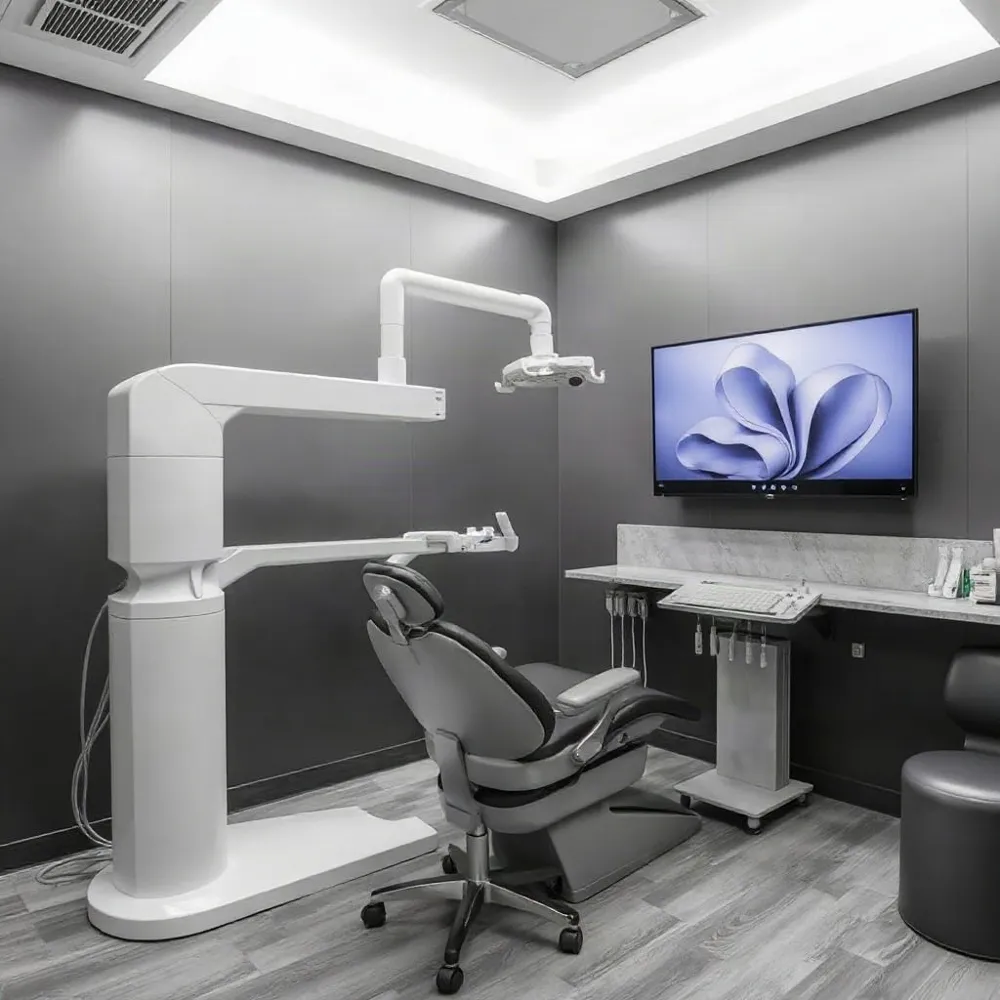
A first appointment or introductory consultation offers a chance to assess the environment, meet the team, and raise questions before committing to ongoing care. Discuss medical and dental history, individual concerns, available services, and how the office handles urgent needs. Notice whether explanations are clear and whether you feel comfortable returning. For patients who feel anxious, V Dental also lists sedation options among its care offerings, which families can ask the team about.
Recognize Warning Signs Early
 What are red flags to watch for when choosing a dentist? Start with communication. If a dentist cannot explain a diagnosis, treatment recommendation, or cost in clear terms, pause and ask questions before agreeing to care. At V Dental, personalized treatment plans and flexible financing are part of the practice’s approach, so patients can discuss recommended care and payment options.
Be cautious if you feel pressured to accept elective treatment, or any procedure, before you understand why it is recommended and have time to consider your options. A dentist should review relevant medical and dental history and explain the records or findings behind a recommendation. Ask why X-rays are needed, what they may show, and how the results affect the proposed plan.
Dismissed questions, rushed appointments, or unwillingness to discuss a dentist’s qualifications and treatment plan can also signal a poor fit. Pay attention to how the team responds to dental anxiety: concerns deserve a respectful answer, not impatience. V Dental offers sedation options for patients who need additional support during treatment.
Notice basic safety practices, too. A clean treatment area and careful infection-control procedures matter; if something seems inadequate, ask the staff how instruments and surfaces are handled. Check that the dentist holds a valid state license, and read patient reviews for recurring comments about communication, costs, or safety. One complaint alone may not tell the whole story.
If you still feel uncertain after asking questions, pause before proceeding and consider getting a second opinion. You should understand the proposed care well enough to make a considered decision.
Make Children Feel At Home
 Does family dentistry include care for children? Yes. Many family dentists treat children as well as adults, but age limits and available pediatric services differ between practices. Ask whether the office sees your child’s age group and what care it provides. V Dental can confirm which services are available for a particular child when the family contacts the office.
Children’s care may include examinations and cleanings, cavity prevention and treatment, and practical guidance on brushing and other home-care habits. Needs change as baby teeth give way to permanent teeth and the jaw develops, so ask how the practice adapts preventive advice and monitors those changes. A child’s first dental visit is generally recommended by their first birthday or within six months after the first tooth appears.
A welcoming setting and clear, age-appropriate explanations can help a child understand what to expect. Parents can ask how the team introduces children to the exam, responds to anxiety, and encourages questions. Familiarity with a consistent dental team may also make visits feel more routine over time.
When considering care in Live Oak, families can ask V Dental about the services available for their child’s age and needs. Its team can also discuss how appointments are approached and what preventive guidance may suit the child.
Keep Dental Visits In Later Life
Should older adults continue seeing a dentist regularly? Yes. Age alone is not a reason to stop routine dental care. Teeth and gums can change over time, and regular examinations and cleanings give the dental team a chance to check for cavities, gum disease, dry-mouth-related problems, and other concerns.
Health conditions and medications can affect saliva, gum health, comfort, and the way dental treatment is planned. Tell the dentist about changes in your health or prescriptions, even when they seem unrelated to your mouth. These details help the team assess risks and adjust recommendations to your current needs.
There is no single visit interval that suits every older adult. Your dentist can recommend a schedule based on your oral health, medical history, medications, and any concerns found during an examination. Keep appointments as advised, and contact the office if you notice new pain, sores, bleeding, or difficulty chewing.
Seeing a consistent dental team can help track changes and update your care plan over time. At V Dental in Live Oak, care includes digital X-rays and CBCT 3D imaging, which support assessment, and personalized treatment planning. The practice also offers sedation options, which patients can discuss if anxiety makes visits difficult.
Understand Geriatric Dental Care
Is there a dental specialty for older adults? Yes. Geriatric dentistry focuses on oral-health needs that can become more common with age, including dry mouth, gum disease, tooth decay, tooth wear, and tooth loss. These concerns vary from person to person, so care should reflect an individual’s health and priorities.
Experience with senior care can help a dentist adapt treatment to a patient’s medical conditions, medications, mobility, and comfort needs. For example, a dental team may need to consider how a health condition affects oral care or whether getting into the office and sitting through treatment presents difficulties.
Not every older adult needs a geriatric dentistry specialist. A general dentist can provide routine examinations and other ongoing care, then coordinate with a specialist when a particular concern calls for additional expertise. Regular checkups also give the dental team a chance to review changing needs and update the care plan.
At V Dental, the team can discuss an older patient’s concerns and help determine an appropriate next step. Family members can bring up symptoms, medication changes, or comfort and mobility needs so the dental team can consider them when planning care.
Choose A Practice You Can Trust
A practice that suits your household should match its actual needs, from preventive visits to care for children, adults, and older relatives. At V Dental in Live Oak, services include preventive care, implants, Invisalign, emergency treatment, and sedation options, while digital X-rays and CBCT imaging support assessment and planning.
Ask how the team explains recommendations, responds to anxiety, handles urgent concerns, and provides cost estimates or financing information. Then take time to consider whether communication, comfort, appointment access, and available care feel right for your family. Convenience matters, but trust and a good fit matter just as much.