Two Implant Options, Different Uses
Mini and traditional dental implants both anchor replacement teeth, but they are not interchangeable choices. The right fit depends on jawbone anatomy, bite forces, the tooth or teeth being replaced, and the patient’s goals, not simply on choosing the smaller implant or the lower initial price.
Traditional implants are generally wider and use a post with a separate connector for a crown, bridge, or denture. Mini implants are narrower and often have a one-piece design. They are commonly used to help secure loose dentures, while traditional implants serve a wider range of tooth-replacement needs.
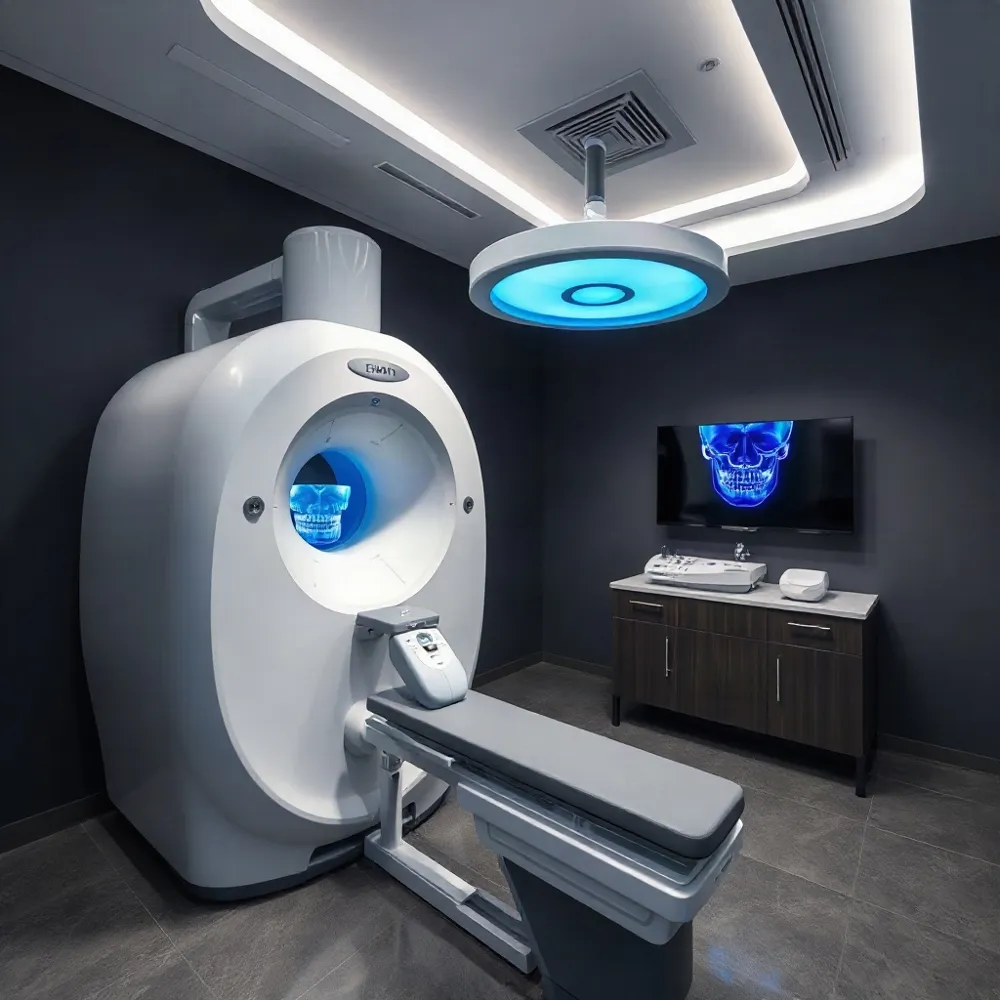
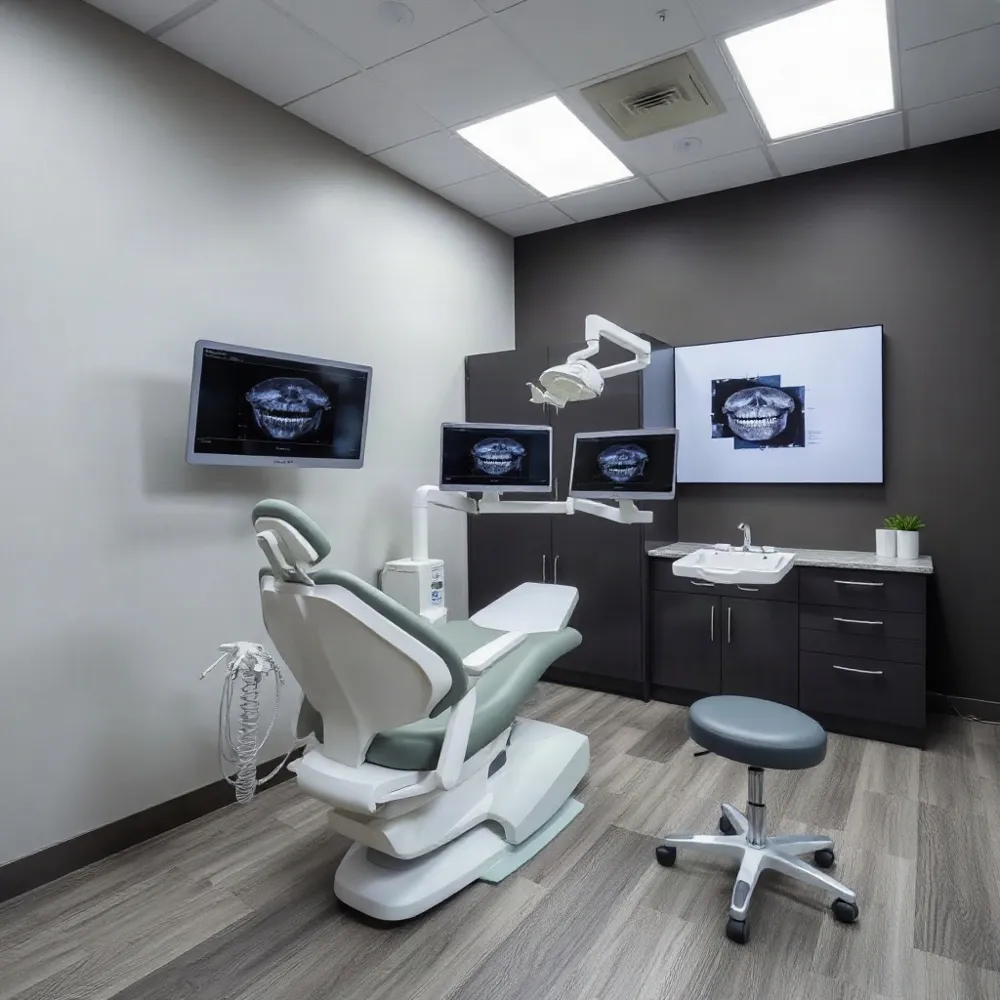
At V Dental in Live Oak, CBCT 3D imaging can support assessment of jawbone structure as part of personalized treatment planning. An examination helps connect the clinical findings with the restoration and treatment approach that suit each patient.
How the Implant Types Differ
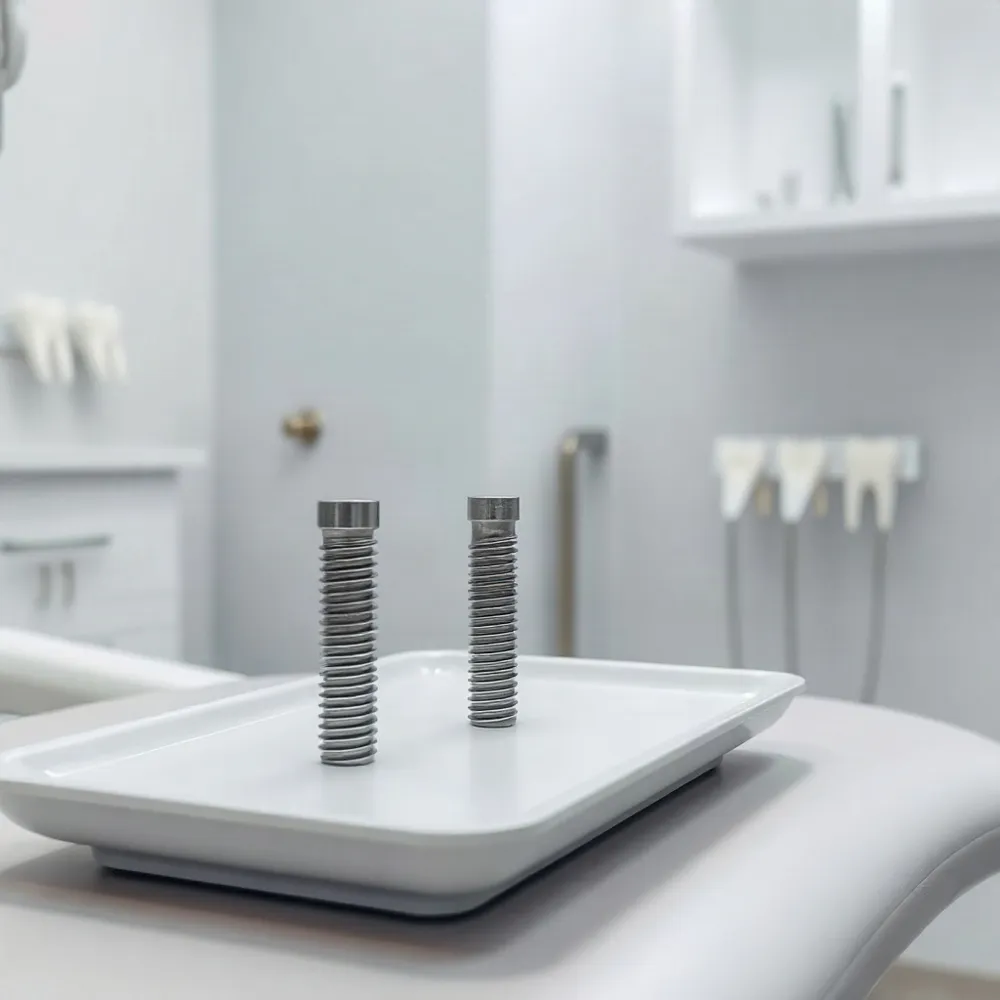 Implant options differ in width, design, and the restorations they can support. A conventional implant is typically about 3.5–6 mm wide. It usually has a post placed in the jawbone and a separate abutment that connects the post to a crown, bridge, or denture. The parts of a conventional dental implant help explain how the restoration attaches.
Mini implants are generally under 3 mm wide and commonly combine the implant and connector in a one-piece design. Their narrower profile may fit some limited spaces or areas with reduced bone volume, but they still need suitable bone support and healthy or treated gums. V Dental uses CBCT 3D imaging as part of its modern technology, which can help assess jaw anatomy when planning treatment.
Conventional implants can support single crowns, bridges, and dentures. They are often considered for individual missing teeth, including molars that face substantial chewing forces. Mini implants have a particularly established role in stabilizing removable lower dentures; selected cases may also involve smaller teeth, such as incisors. A small size does not make a mini implant suitable for every tooth or bite.
The options are not interchangeable. Full-arch restorations may be supported by several implants, while mini implants are not automatically appropriate for a full arch or for every type of restoration. At V Dental, treatment plans are personalized to the patient's oral health and goals, so the recommendation can account for bone, bite, tooth location, and the restoration needed.
Benefits and Alternatives
Implants can restore chewing and speaking by anchoring a crown, bridge, or denture. A replacement tooth may look and feel natural, although the result depends on the person’s oral health and treatment plan. Dental implants can also support removable or fixed restorations.
Because an implant replaces a tooth root, it may help preserve the jawbone after tooth loss. An implant-supported tooth also does not rely on reshaping neighboring teeth, unlike a traditional bridge, which uses crowns on adjacent teeth to hold the replacement in place.
Each alternative has trade-offs. Bridges are fixed, but depend on neighboring teeth. Dentures can replace several teeth or a full arch without surgery, but are removable and may shift or need adjustment. Implants require surgery and healing, and may involve greater upfront cost. Dental implant candidacy also depends on bone, oral tissues, and health factors, as described by the Mayo Clinic.
At V Dental in Live Oak, CBCT 3D imaging can help assess jaw anatomy as part of treatment planning. The choice among an implant, bridge, or denture should account for the number of missing teeth, the condition of nearby teeth and bone, health, budget, and personal preferences. An implant is not automatically the best fit for every patient.
Personalized Evaluation Matters
Choosing an implant starts with the condition of your mouth and your goals, not a quick comparison of implant sizes. A dental professional will consider jawbone height, width, and quality, gum health, bite forces, jaw movement, the implant’s position, and the type of restoration planned.
Traditional implants generally need enough healthy bone for support. If bone is insufficient, grafting may be considered. Mini implants may fit some narrower areas, but their smaller size does not automatically remove the need for grafting or make someone a suitable candidate. An implant candidacy assessment also considers oral tissues, medical conditions, medications, and tobacco use.
An examination and imaging help the dentist assess anatomy and plan placement. At V Dental, CBCT 3D imaging is among the technologies available to support that evaluation; it does not guarantee that implants are appropriate or that a particular option will work.
Active gum disease, bone loss, smoking, and some health conditions or medications can affect healing. These factors may need review or treatment before placement, so an online checklist cannot determine candidacy. Medical history and oral hygiene habits should be part of the conversation.
Before deciding, discuss what you want the restoration to do, possible alternatives, the expected timeline, comfort needs, risks, costs, and financing. Ask how healing and ongoing care fit your circumstances. A personalized plan can help you weigh those questions alongside the clinical findings.
Costs and Long-Term Expectations
Published estimates put mini implants at about $500–$1,500 each and traditional implants at roughly $3,000–$5,500 or more per implant. These broad figures are not a personal quote or V Dental pricing, and they may not include every part of treatment.
The total can depend on how many implants are needed, whether the restoration is a crown, bridge, or denture, and the costs of imaging, extractions, or bone grafting. Location and case complexity also affect the estimate. V Dental offers flexible financing, but patients should ask for an itemized treatment estimate after an examination and confirm what insurance may cover.
A lower initial price does not automatically mean better value. The right comparison includes whether the implant suits the tooth location and bite forces, along with possible maintenance, repair, or replacement costs.
How long do mini dental implants typically last? Their lifespan varies with placement, oral health, cleaning, and the forces placed on them. Long-term evidence is less established for some mini-implant uses than for traditional implants, so no lifespan estimate should be treated as a guarantee. A small prospective study comparing single-piece and conventional implants followed patients for only 12 months and did not specifically study mini implants, so it cannot establish their long-term performance study limitations and findings.
The implant fixture may remain in place while its crown or denture needs adjustment or replacement. Regular dental visits and careful cleaning help maintain the restoration and the tissues around it; implant care includes cleaning and routine professional checkups Mayo Clinic’s dental implant care guidance.
Treatment Steps and Healing
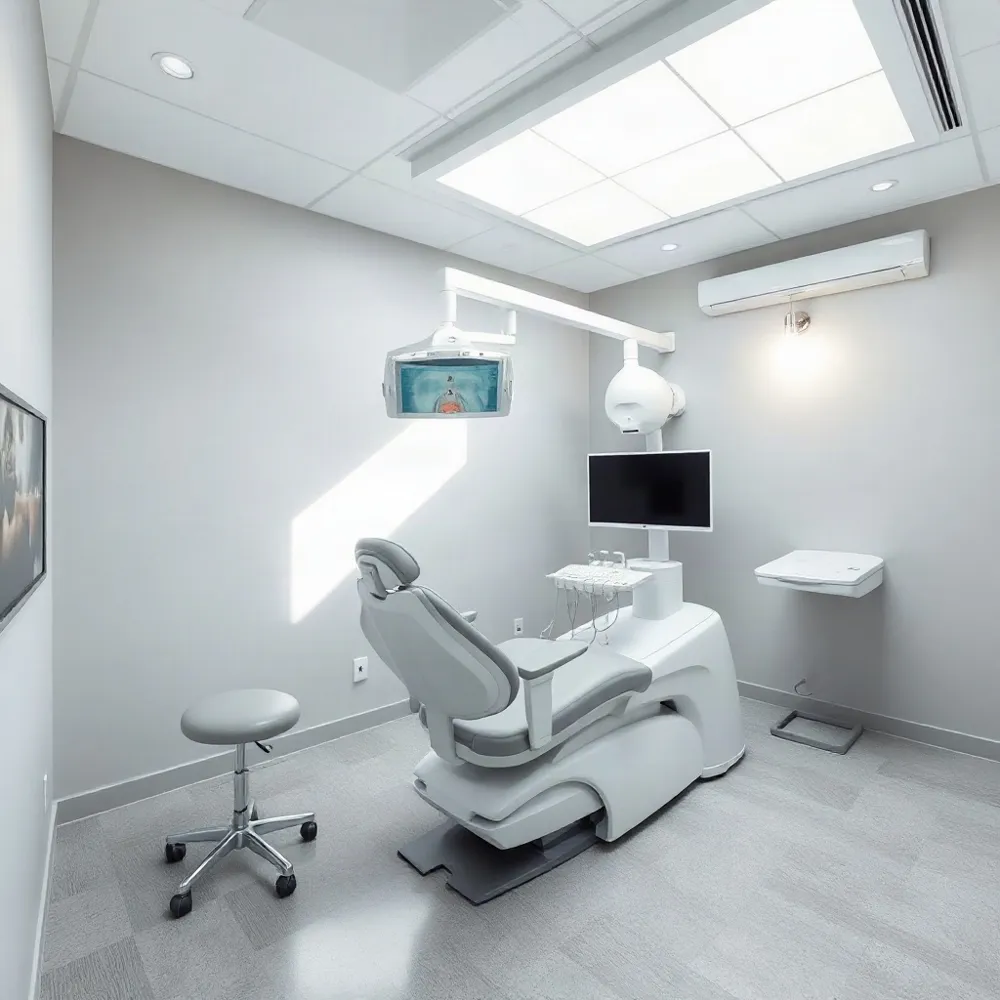 Treatment usually begins with an examination, medical-history review, and imaging to plan implant position. At V Dental, CBCT 3D imaging can help assess the jaw as part of planning. A damaged tooth may need removal, and bone grafting may be considered if the jaw needs more support.
The implant is placed with anesthesia, then the site heals as bone integrates with the implant, a process called osseointegration. After integration, the dentist may attach an abutment and then a custom crown, bridge, or denture. Some steps can be combined, but the sequence depends on the person’s anatomy and treatment plan.
Anesthesia is used during surgery, and sedation may also be an option; V Dental offers sedation options. Soreness, swelling, or bruising can occur afterward, though recovery varies. Initial gum healing is different from the longer period needed for bone integration. Traditional implants commonly need several months before the final restoration is attached, while selected mini-implant cases may allow earlier restoration. Same-day treatment is not guaranteed. Mayo Clinic’s overview of implant surgery explains that treatment is often staged, with healing between steps.
For full-arch treatment, several implants can support a fixed bridge or a removable denture. Extractions or grafting may be part of the plan, and temporary teeth may be used while the implants heal. The number of implants and timing of the final restoration depend on the case.
Follow your dentist’s aftercare instructions and attend scheduled follow-up visits so healing can be checked. Contact the dental office if symptoms worsen or concern you.
Risks and Protecting Implant Health
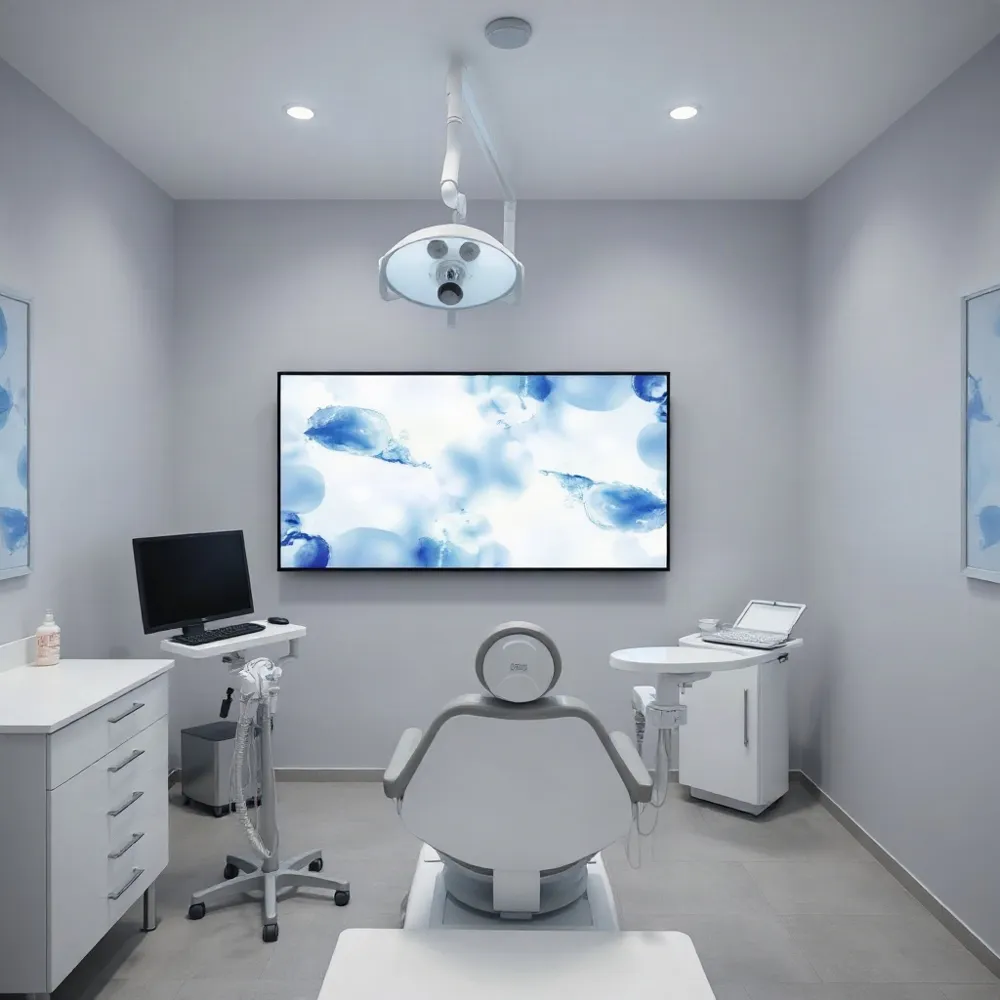 Dental implant surgery can cause temporary soreness, swelling, bruising, or minor bleeding. Infection is also possible. Less commonly, surgery may injure nearby teeth, blood vessels, or nerves, causing pain or numbness; these are risks, not expected outcomes for every patient. The Mayo Clinic’s overview of implant surgery describes these potential complications.
A major concern is failure to integrate, meaning the implant does not bond securely with the jawbone. Infection or inflammation around an implant can also threaten its long-term health. Other possible issues include gum or bone changes, loosening, and wear or damage to the crown, bridge, or denture. Risk varies with health, bone quality, placement, bite forces, and care, so no single cause explains every failure. The Cleveland Clinic’s guide to dental implants outlines factors that can affect candidacy and healing.
Tell your dentist if you smoke, have active gum disease or uncontrolled diabetes, struggle with oral hygiene, or grind your teeth. These factors may affect healing or place extra stress on an implant. At V Dental, CBCT 3D imaging can help assess jaw anatomy as part of personalized treatment planning.
Brush and clean around implants daily, attend regular dental checkups, and contact your dentist about persistent pain, swelling, bleeding, or looseness. V Dental’s evaluation can help patients discuss symptoms and appropriate follow-up.
Choose With a Clinical Assessment
Mini and traditional implants serve different purposes, so neither is an automatic substitute for the other. A dental professional can assess bone structure, bite, oral and general health, restoration needs, timeline, and budget before recommending an approach. Dental implant treatment planning is based on individual needs, not implant size alone.
At V Dental in Live Oak, CBCT 3D imaging can support an individualized evaluation. Ask to review the proposed treatment plan and estimate, including any additional procedures and financing options, before deciding.