When Tooth Pain Needs Attention
A mild toothache may ease, but pain that is severe, worsening, or not relieved by medication needs prompt attention. Tooth pain can come from decay, a crack, or infection, and symptoms alone cannot confirm the cause. Contact a dentist for an assessment, especially if pain persists or comes with swelling or fever, as advised by the Cleveland Clinic.
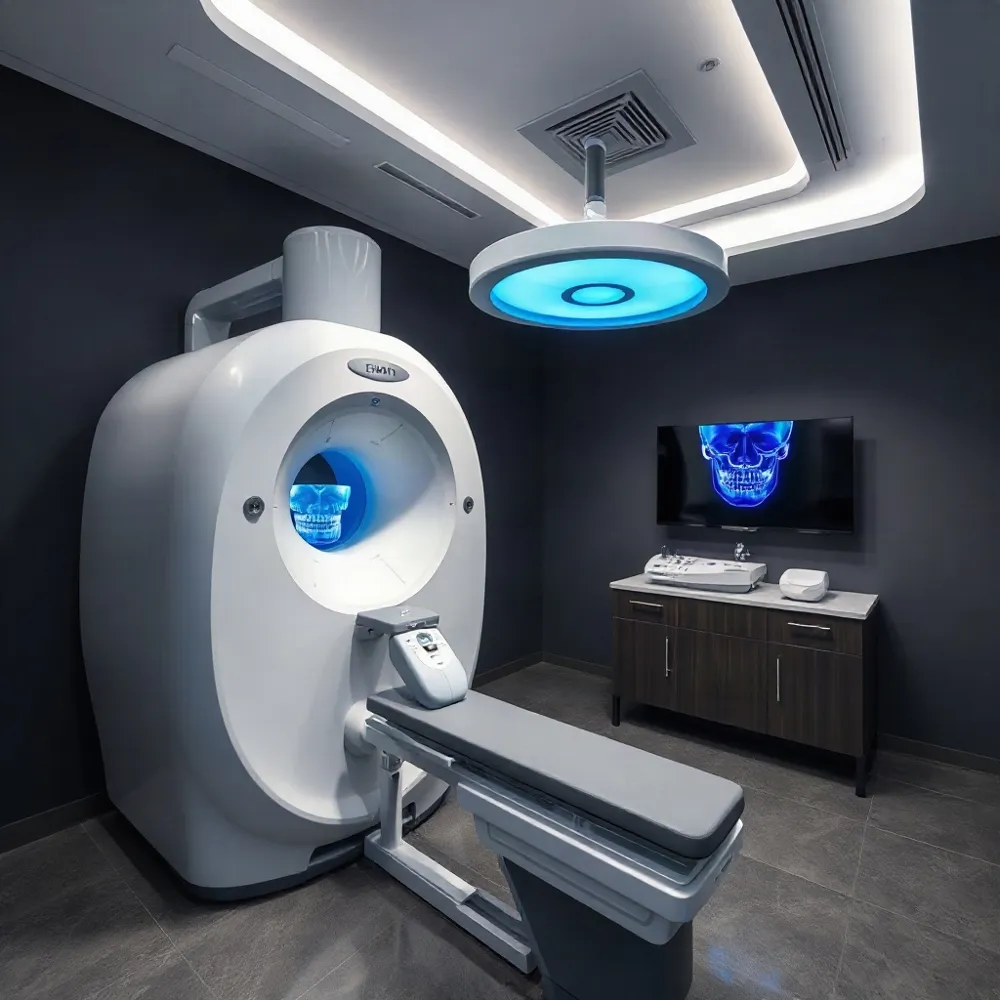
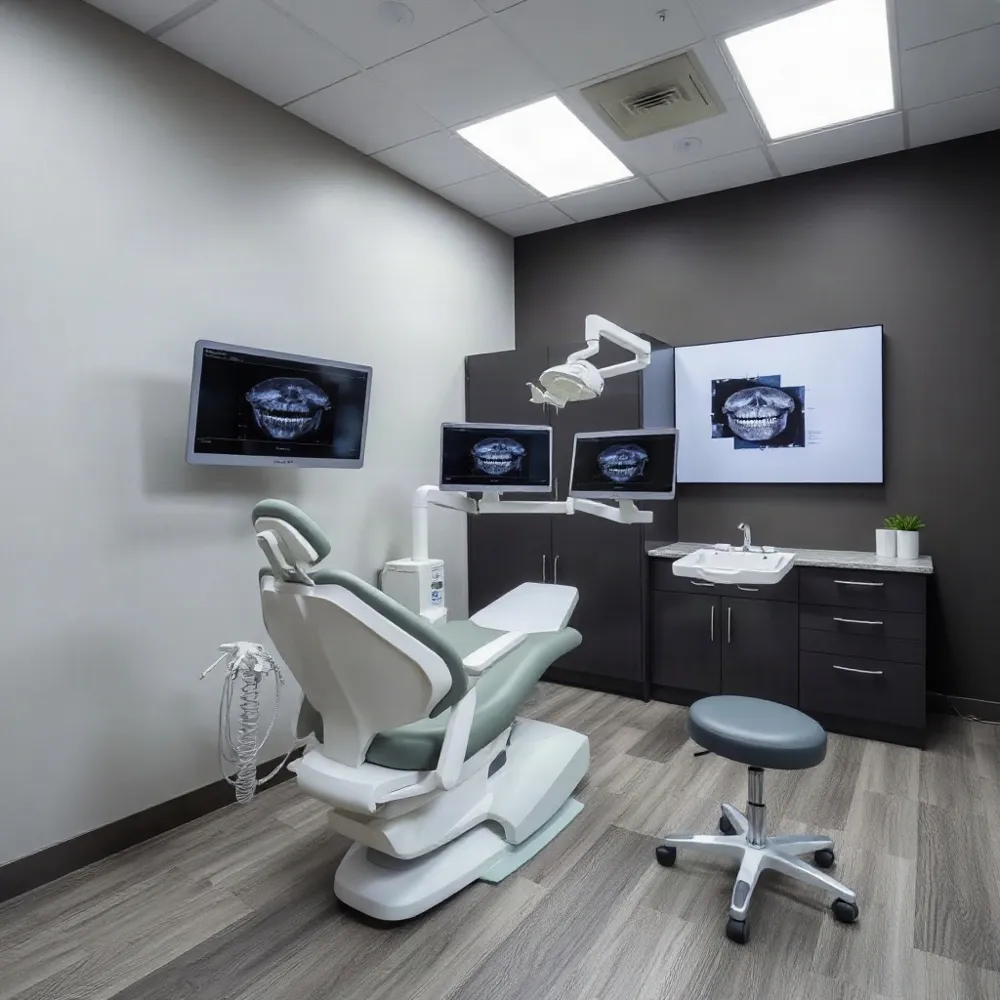
Rinsing with warm water, gently flossing to clear trapped food, or using an appropriate over-the-counter pain reliever may offer temporary comfort. These steps cannot diagnose or fix the problem, so arrange dental care rather than waiting for pain relief to last. V Dental’s team examines urgent concerns and may use an X-ray to help identify the cause.
Seek emergency medical care if tooth pain or swelling makes breathing or swallowing difficult. Otherwise, call a dental office promptly for guidance and treatment.
What Toothache May Be Signaling
 Tooth pain can start for several reasons, and the sensation alone may not reveal the cause. Cavities, gum disease, and infections such as an abscess are common possibilities. A cracked or injured tooth, a damaged filling or crown, exposed roots, grinding or clenching, and food trapped between teeth can also bring pain or sensitivity. Cleveland Clinic’s overview of toothache causes describes why an examination is needed to identify the source.
Swelling or tenderness around a tooth or gum, sensitivity that lingers, a foul taste or odor, and fever may accompany an infection. Bacteria can reach the inner part of a tooth through decay or damage, but these signs can have other explanations, so they cannot confirm an abscess on their own.
A dentist may examine the teeth and gums and take X-rays to look for problems beneath the surface. An untreated abscess can damage nearby tissue and teeth, and infection may spread, so suspected infection deserves prompt dental attention.
Contact a dentist promptly if you notice signs of infection, especially facial swelling or fever. Difficulty swallowing or breathing calls for emergency medical care. At V Dental, an emergency assessment can include an examination and, when needed, X-rays to help identify the cause and guide treatment.
Recognizing an Urgent Dental Problem
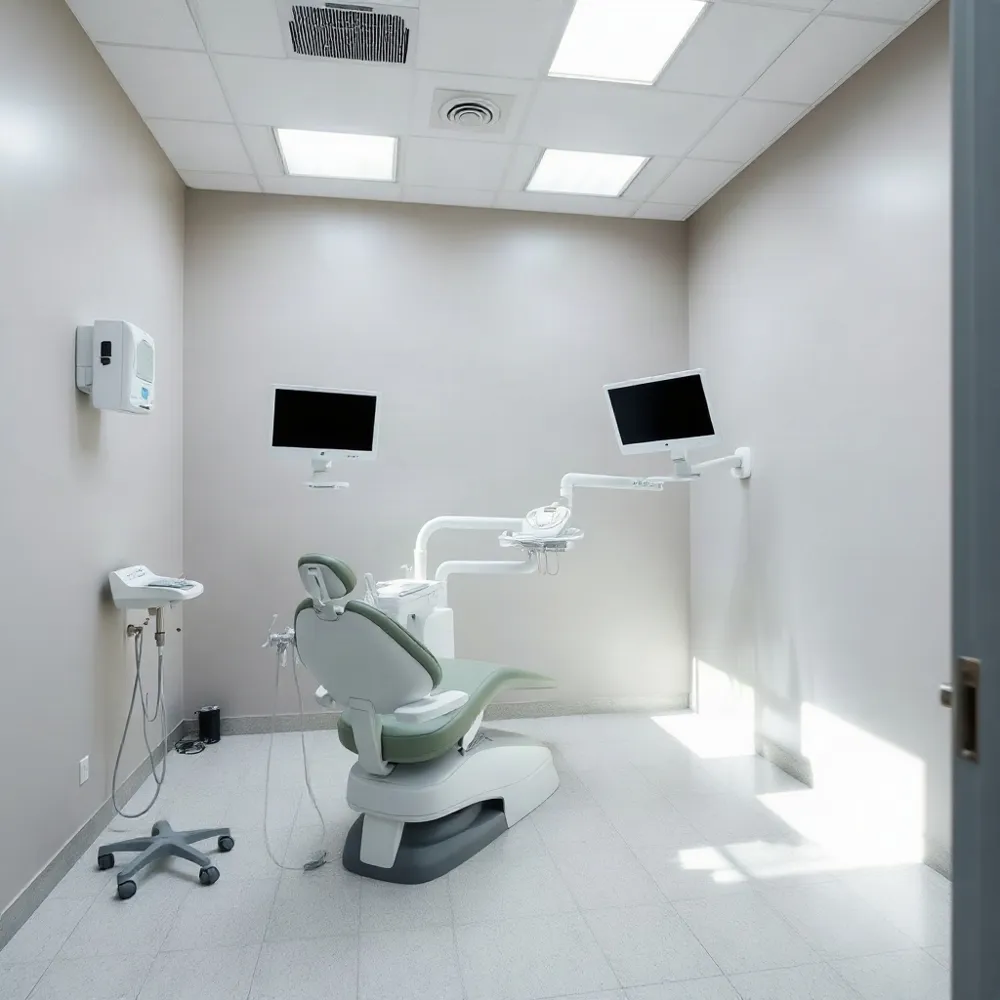 A dull or mild ache still deserves a dental appointment, even if it comes and goes. Severe, persistent, throbbing, or worsening pain, especially pain that does not ease with medication, calls for prompt attention. Contact a dentist rather than waiting to see whether these symptoms pass. V Dental treats urgent problems such as severe toothache, infections, and broken or cracked teeth, and its team can examine the tooth and determine whether imaging is needed.
Seek prompt dental care for facial or gum swelling, fever, pus or a foul taste, or difficulty chewing. A knocked-out or badly broken tooth, a loose adult tooth, and bleeding that will not stop also need urgent assessment. These signs can point to infection or damage that needs professional treatment. Cleveland Clinic’s dental emergency guidance recommends contacting a dentist as soon as possible for severe toothache.
Do not wait more than a day or two to contact a dentist about a toothache, even if it seems mild. For severe pain or infection signs, call promptly and describe what is happening. While arranging care, rinse gently with warm water and floss carefully to clear trapped food. A cold compress on the outside of the face may help with swelling. Do not put aspirin or other painkillers directly on the tooth or gums.
Trouble breathing or swallowing, rapidly spreading swelling, broken facial bones, or another serious injury requires immediate emergency medical care. Go to an emergency department for these symptoms; a hospital can address urgent medical risks, while dental follow-up may still be needed for the tooth.
Temporary Relief While Arranging Care
Home care may ease discomfort while you arrange an appointment, but it cannot identify or treat the cause. Gently rinse with warm water and floss carefully to dislodge food caught between teeth. If you suspect an abscess, a mild salt-water rinse may temporarily soothe the area, but prompt dental care is still needed. Cleveland Clinic’s dental emergency guidance recommends contacting a dentist as soon as possible for severe pain.
For swelling or pain, hold a cold compress wrapped in cloth against the outside of your cheek for short intervals, especially after an injury. An over-the-counter pain reliever may help if it is safe for you; follow the product label. Never place aspirin or another pain medicine directly on a tooth or gum, since it can burn or damage tissue.
Avoid foods and drinks that trigger sensitivity, including very hot, cold, or sugary items, and keep your head elevated when resting. These steps offer temporary comfort, not treatment. Mayo Clinic’s toothache first-aid advice also stresses that home care does not replace a dental evaluation.
If pain becomes severe or unbearable, contact a dentist promptly for urgent assessment. Fever, chills, swelling, or feeling seriously unwell can signal a more serious problem; seek urgent dental or medical care, and go to an emergency department if you have trouble breathing or swallowing. V Dental evaluates emergency concerns with an examination and, when needed, X-rays to help identify the problem.
Choosing Dental Care or Emergency Care
For most tooth-related emergencies, start by calling a dentist as soon as possible. Call the office before going in and describe your symptoms; staff can advise you on next steps, and the office may have an after-hours number for urgent problems, as Cleveland Clinic’s dental emergency guidance explains. V Dental evaluates emergencies such as severe toothaches, abscesses, and broken teeth, using an examination and X-rays when needed to help identify the cause.
A dentist can usually assess and treat the tooth itself. An emergency department may help control symptoms with pain relief or prescribe antibiotics when appropriate, but it generally cannot provide restorative procedures such as fillings or crowns. Arrange dental follow-up even if you receive care elsewhere, because symptom relief does not repair the underlying problem.
Go to an emergency department for trouble breathing or swallowing, bleeding that will not stop, serious facial trauma, or severe pain with concerning symptoms such as swelling or fever. If you cannot reach a dentist and symptoms are less severe, urgent care may assess you, offer limited symptom management, and direct you to dental care. V Dental’s emergency evaluations can help determine what treatment is needed once you reach a dental office.
Finding Care When Cost Is a Concern
 If cost is a concern, call a dental office promptly rather than waiting for the pain to pass. Explain that you are uninsured or have limited funds, and ask about the urgent exam cost, payment plans, financing, reduced-cost care, or treating the most urgent problem first and planning the rest in stages.
Community health centers, dental school clinics, and local low-cost dental programs may offer other options. Availability and eligibility vary, so contact programs directly to ask what care they provide and how to apply.
A cold compress or label-directed over-the-counter pain medicine may help while you arrange care, if the medicine is safe for you. These steps do not treat the cause, and aspirin should not be placed directly on a tooth or gums. V Dental evaluates urgent dental problems, including severe toothache and infection, with an examination and X-rays when needed.
Go to an emergency department or call 911 for trouble breathing or swallowing, uncontrolled bleeding, or serious facial trauma. Emergency care can address serious medical concerns, but dental follow-up may still be needed for treatment such as a filling or crown, as Cleveland Clinic explains.
Do Not Let Severe Pain Wait
Severe tooth pain deserves prompt assessment. A dentist can identify its cause and recommend treatment before the problem worsens; untreated dental emergencies can lead to spreading infection or tooth loss, according to the Cleveland Clinic.
Contact a dentist as soon as possible and describe your symptoms. At V Dental, emergency visits include an examination and, when needed, X-rays to help find the source of the problem. If swelling makes breathing or swallowing difficult, seek emergency medical care immediately.