When Tooth Pain Needs Attention
A sudden toothache can come from something minor, such as food caught between teeth, or signal decay, a crack, or infection. Because symptoms alone cannot reliably identify the cause, persistent or worsening pain deserves a dentist’s assessment. Toothache causes and symptoms
This guide explains how to recognize warning signs, use safe measures for temporary relief, and decide where to seek help. Warm-water rinsing, gentle flossing, and suitable over-the-counter pain medicine may help while you arrange care. Avoid placing painkillers directly on the tooth or gums, which can injure tissue.
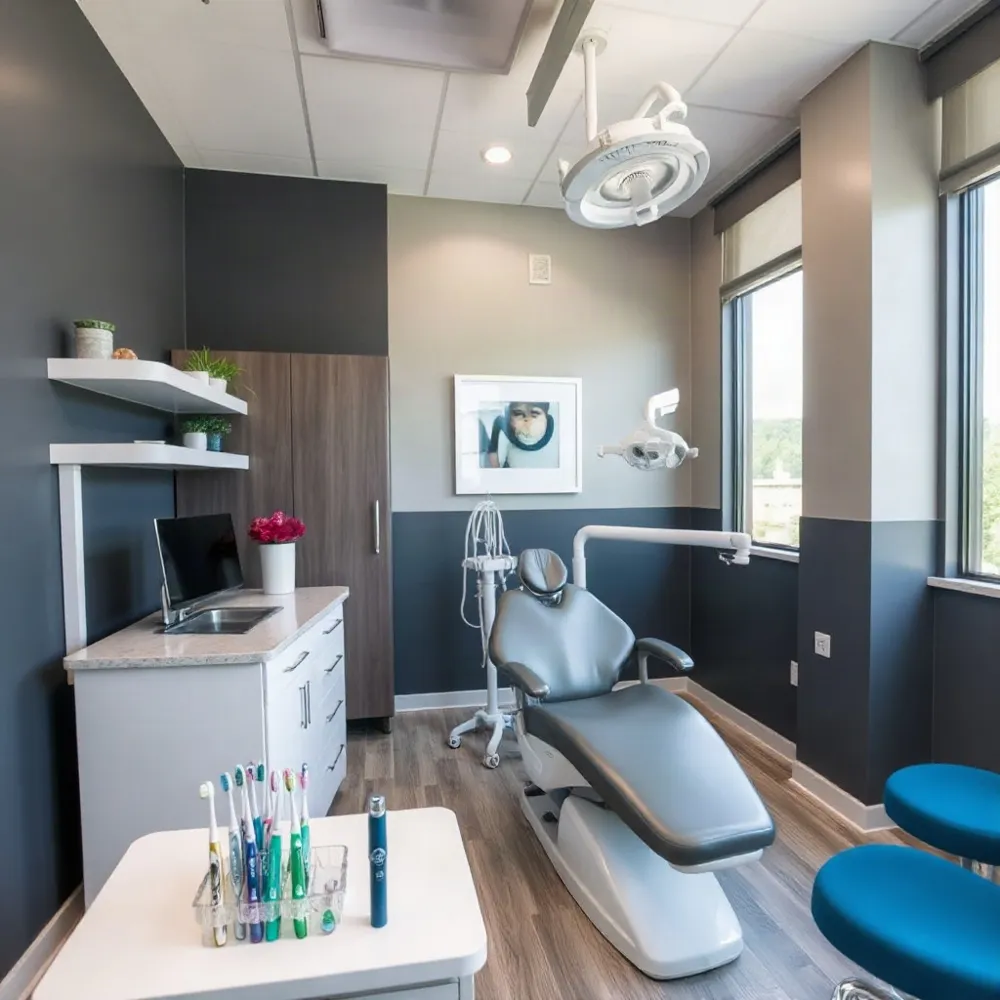
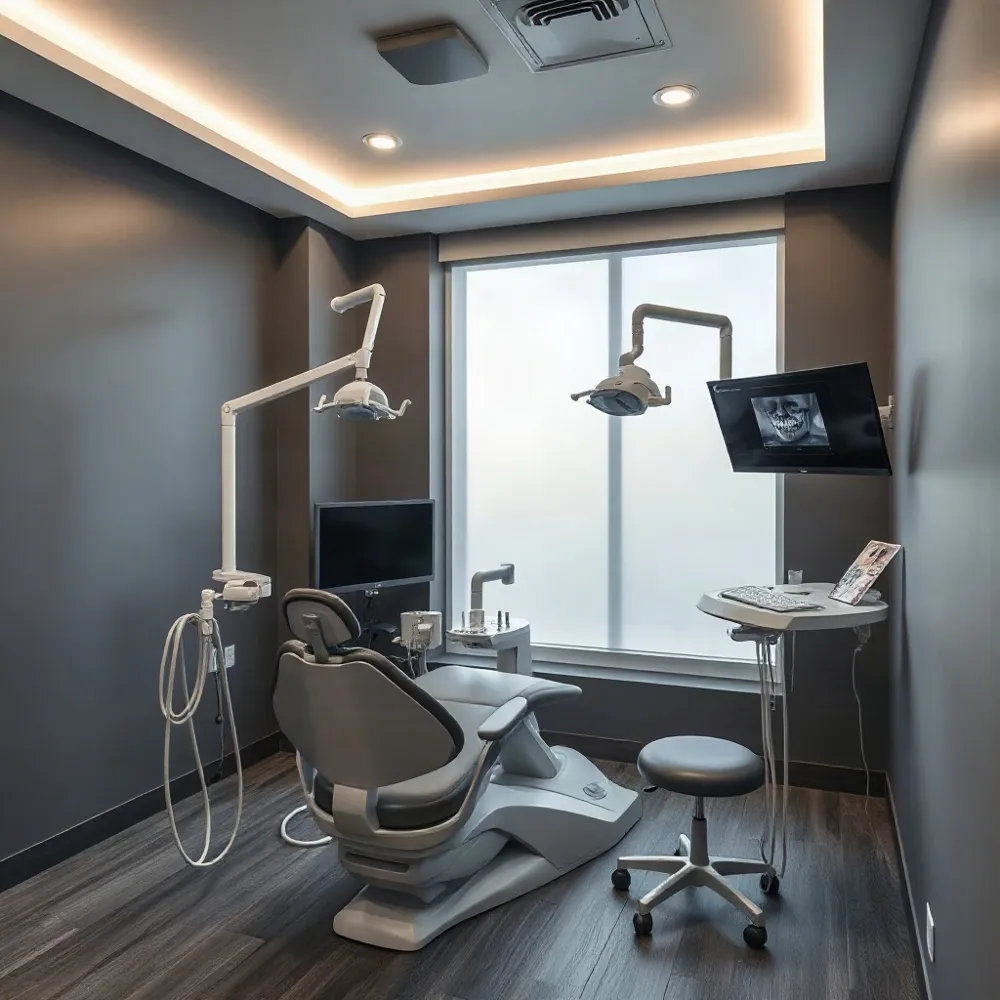
An emergency department may help manage severe symptoms when dental care is unavailable, but it generally cannot provide fillings or other restorative treatment. A dentist must evaluate and treat the underlying problem. V Dental in Live Oak offers emergency care, alongside services such as digital X-rays and CBCT 3D imaging to support assessment.
Find the Cause Behind the Pain
 Toothaches can come from cavities, a cracked tooth, damaged fillings or crowns, gum disease, receding gums, grinding or clenching, or food temporarily trapped near the gum line. An abscess, which is an infection around a tooth or gum, can also cause pain. The range of possible causes is broad, and symptoms alone cannot reliably identify the problem. Cleveland Clinic’s overview of toothache causes explains why an examination may be needed.
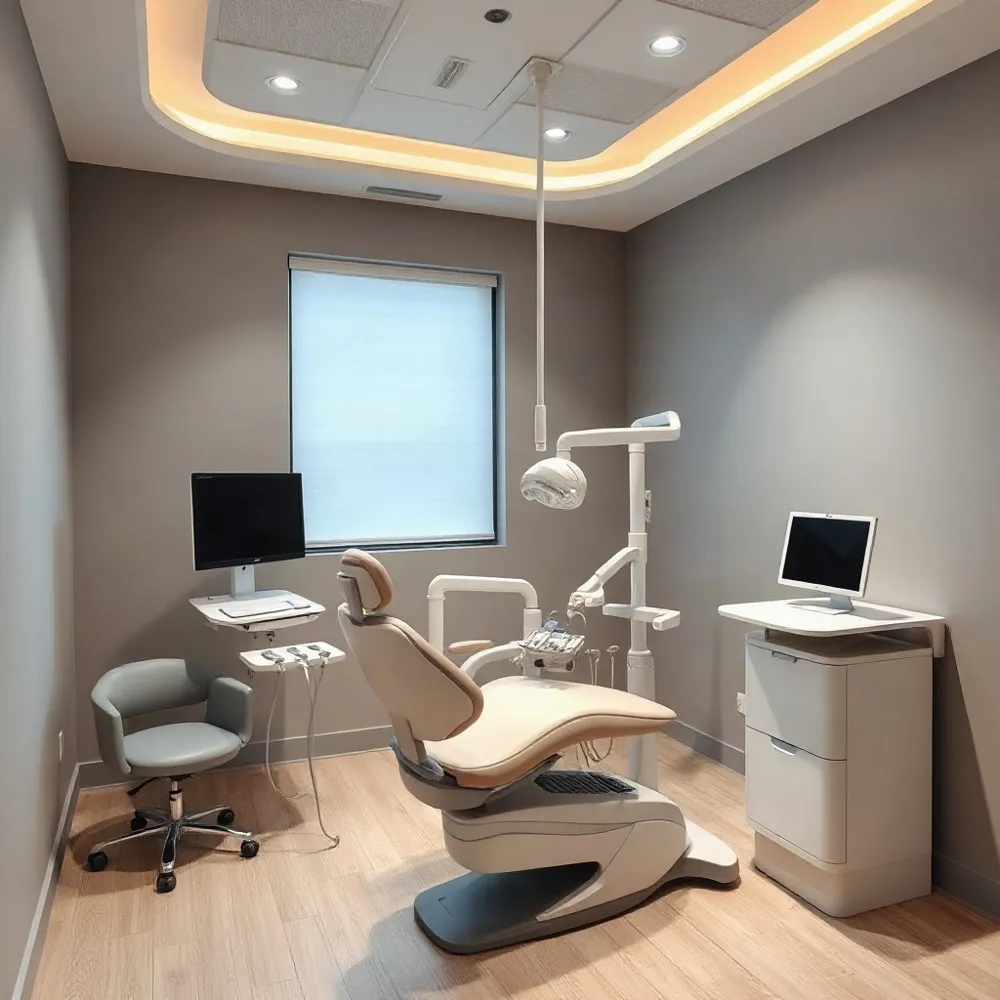
The pain may feel dull, sharp, or throbbing, or appear mainly when you bite or eat something hot or cold. A dentist examines the teeth and gums and may take X-rays to check for problems beneath the surface. At V Dental in Live Oak, digital X-rays, CBCT 3D imaging, and intraoral cameras can support the assessment and help inform a personalized treatment plan.
Treatment depends on what the examination finds. A cavity may need a filling, while a damaged tooth or restoration may need repair or replacement. An infection that reaches the inner tooth may require root canal treatment, and extraction may be considered if the tooth cannot be saved. Gum disease calls for professional care, while a dentist may recommend a night guard if grinding is contributing to tooth damage.
Persistent throbbing pain, pain when biting, facial or gum swelling, pus or a foul taste, fever, or feeling unwell can point to a serious infection. Contact a dentist promptly, even if the pain eases, because pain relievers can reduce symptoms without treating the cause. Do not try to drain an abscess yourself. Trouble breathing or swallowing, rapidly worsening swelling in the face or neck, confusion, or feeling severely ill calls for immediate emergency medical care. Mayo Clinic’s toothache guidance also advises urgent help for breathing or swallowing difficulty.
Use Temporary Relief Safely
 While arranging dental care, rinse gently with warm water or mild salt water, then carefully floss around the sore tooth to clear trapped food. These steps may ease irritation, but they will not treat decay or infection. The Mayo Clinic’s toothache first-aid guidance also recommends gentle rinsing and flossing while you arrange professional care.
For pain or swelling, hold a cold compress wrapped in cloth against the outside of your cheek. Resting with your head slightly elevated may also make discomfort easier to manage. Avoid applying heat to facial swelling.
An over-the-counter pain reliever may help if it is appropriate for you. Follow the product label, and ask a pharmacist or clinician if you are unsure. Never place aspirin or another pain medicine directly on a tooth or gums, since it can burn the tissue.
The online “3-3-3 rule” refers to three 200 mg ibuprofen tablets, three times a day, for up to three days. It is not an official dental guideline or dosing advice; take ibuprofen only as directed on its label or by a clinician. It may be unsuitable for people with kidney disease, stomach ulcers, certain medication interactions, or during pregnancy. Ask a healthcare professional if you are unsure.
Temporary relief is not a substitute for an examination. V Dental provides emergency dental care in Live Oak, and its digital X-rays and CBCT imaging can support assessment of dental problems. Contact the practice for guidance and appointment availability. Seek urgent care for facial swelling with fever, or trouble swallowing or breathing.
Recognize Urgent Warning Signs
 Tooth pain can vary from brief sensitivity to a severe, throbbing ache. Pain that is worsening, keeps returning, disrupts sleep or eating, or does not improve with appropriate over-the-counter medicine deserves prompt attention. Contact a dentist as soon as possible if pain is severe or persistent, even if it eases for a while.
Swelling in the face or gums, fever, pain when biting, pus or a foul taste can point to a problem that needs prompt dental care. A cracked, broken, loose, or knocked-out tooth also needs quick assessment. If an injury causes bleeding that will not stop, press clean gauze firmly against the area while seeking care. These warning signs are described in Cleveland Clinic guidance on dental emergencies.
Trouble breathing or swallowing, rapidly spreading facial or neck swelling, or swelling near the eye calls for emergency medical care rather than waiting for a dental appointment. For other urgent symptoms, call a dentist promptly for advice on where to go. Emergency care is offered alongside services such as digital X-rays and CBCT 3D imaging, which can help inform an examination.
Mild pain that is brief and improving may be monitored at first. Arrange a dental appointment if it lasts beyond a day or two, returns, or persists despite temporary relief. Mayo Clinic’s toothache guidance also advises contacting a dentist or doctor promptly for lasting pain, fever, or signs of infection.
Pain that suddenly disappears does not prove that the tooth has healed. Decay, a crack, or infection may remain even when symptoms fade. A badly decayed tooth can stop hurting if its nerve is severely damaged or dies, but the underlying damage may still need treatment. Arrange an examination promptly; depending on what the dentist finds, care may include a filling, root canal treatment, or extraction.
Choose the Right Place for Care
For most toothaches, call a dentist first. A dentist can examine the tooth and treat the cause, while pain medicine or other temporary measures may only ease symptoms. V Dental in Live Oak offers emergency dental care, along with diagnostic tools such as digital X-rays and CBCT 3D imaging to help assess dental problems.
If you cannot reach a dentist, urgent care may assess your symptoms and offer temporary relief, but it cannot replace the dental treatment needed to address the source of the pain. An emergency department can evaluate severe symptoms and may provide pain relief or prescribe antibiotics when clinically appropriate. Antibiotics are not needed for every toothache and cannot repair or remove an affected tooth. Most emergency departments do not provide fillings, crowns, or other restorative dental procedures, so arrange dental follow-up promptly. University of Utah Health explains the limits of emergency-room care for toothaches, and the Cleveland Clinic’s dental emergency guidance also recommends contacting a dentist first when possible.
Go to an emergency department for trouble breathing or swallowing, rapidly spreading swelling of the face or neck, uncontrolled bleeding, or a major facial injury. These signs may indicate an immediate medical risk. If pain is manageable and none of these symptoms are present, contact a dentist for a prompt appointment rather than expecting the emergency department to provide definitive dental care.
Act Quickly When the Office Is Closed
What should you do if you have a dental emergency outside normal office hours? Call your dentist first. Voicemail or the practice website may list after-hours instructions or an emergency number. V Dental provides emergency care in Live Oak, so contact the office to ask what options are available; do not assume its hours or after-hours arrangements.
If you cannot reach your dentist, contact an urgent dental clinic for advice and prompt assessment. For a knocked-out permanent tooth, hold it by the crown, rinse it gently without scrubbing or removing attached tissue, and seek dental care immediately. If you cannot gently return it to its socket, keep it moist in milk or saliva. Cleveland Clinic says the best chance of saving the tooth is when it is returned to its socket within one hour, without forcing it. Read the dental emergency guidance.
Go to an emergency department or call 911 for trouble breathing or swallowing, rapidly spreading swelling, severe uncontrolled bleeding, or serious facial injury. Emergency-room clinicians can address urgent medical concerns, but dental follow-up may still be needed for treatment such as a filling or crown.
Ask About Ways to Manage Cost
If cost is a concern, tell the dental office before treatment begins. Ask which care is most urgent, whether treatment can be staged, and if payment plans, financing, or an in-office membership savings plan are available. V Dental offers flexible financing and can discuss personalized treatment plans, helping patients understand the care being recommended.
Reduced-cost options may also be available through Federally Qualified Health Centers, dental school clinics, or local nonprofit dental events. Families can check whether children qualify for Medicaid or CHIP, and ask clinics about fees and eligibility before booking.
Request a written cost estimate and ask what it includes before proceeding. If the proposed plan is difficult to afford, ask whether there are safe alternatives or a schedule for completing treatment over time. Severe tooth pain, facial swelling, or fever still warrants prompt dental assessment. Cleveland Clinic guidance on dental emergencies advises seeking care for serious symptoms rather than waiting for the problem to worsen.
Relief Starts With the Right Care
Home measures may ease discomfort, but they cannot identify or fix the cause. Tooth pain that persists, returns, or worsens should be assessed by a dentist, even if it temporarily settles. Toothache guidance from Mayo Clinic recommends contacting a dental professional when pain continues or infection signs appear.
Contact V Dental for guidance and to ask about appointment availability. The practice offers emergency dental care and can assess the problem and discuss appropriate next steps.
If tooth pain comes with difficulty breathing or swallowing, or swelling that is spreading rapidly, seek immediate medical attention rather than waiting for a dental appointment. Emergency dental guidance distinguishes urgent medical warning signs from problems that can be treated at a dental office.