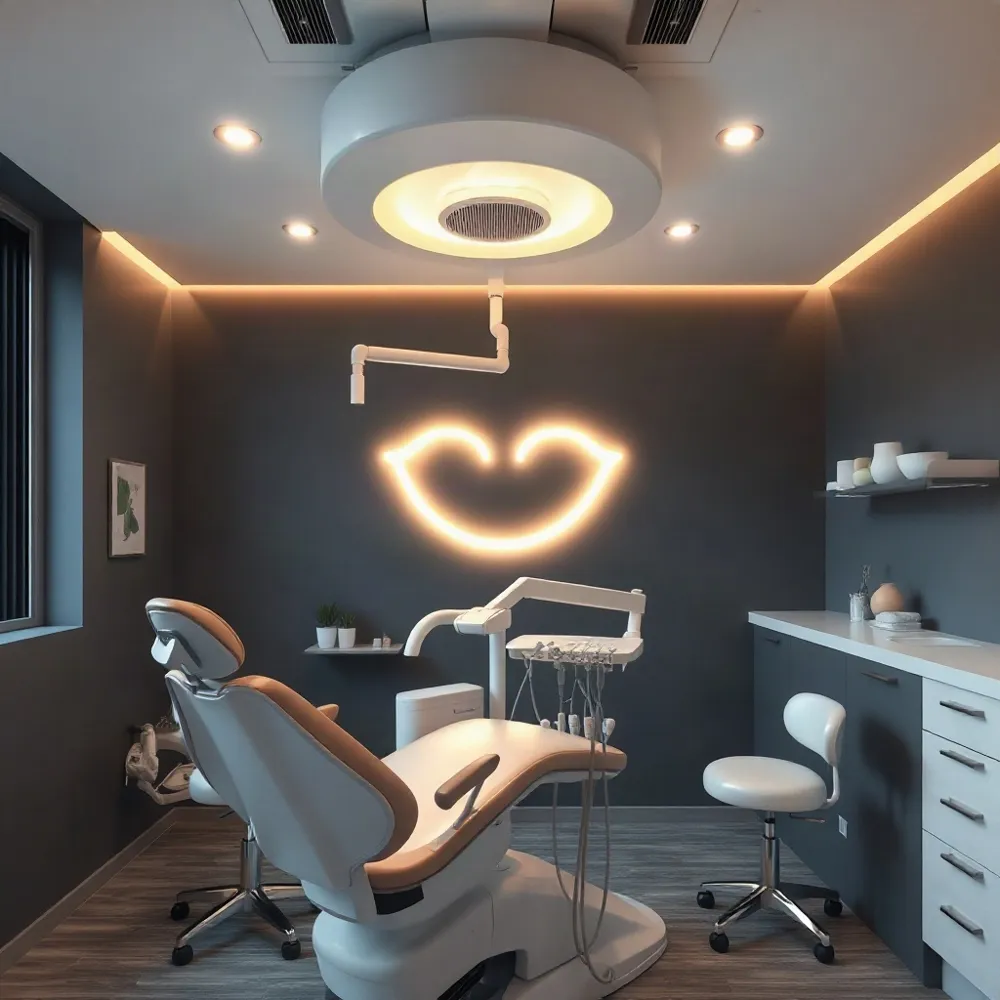
Smarter Family Dental Care Starts Here
Simplifying oral health management begins with bundling your preventive, basic, and major care into a single, cohesive family dental plan. By consolidating services, families can better track long-term health trends and streamline treatment planning. National Association of Dental Plans data shows access to consistent benefits correlates with better health outcomes, as routine checkups allow for early intervention.
At V Dental in Live Oak, Texas, patients experience this integrated approach firsthand. Dr. Brandon Villarreal and his team provide a full spectrum of preventive dentistry alongside restorative and aesthetic options like Invisalign and dental implants. Rather than navigating fragmented care, families in Live Oak benefit from a unified practice where personalized records ensure more effective, long-term oral maintenance.
How Dental Insurance Works
 Understanding how your dental insurance functions is essential for maintaining both your oral health and your budget. Most dental insurance operates as a cost-sharing model where you pay a monthly premium. Before benefits activate, you may need to satisfy an annual deductible, followed by coinsurance where you pay a set percentage of the remaining costs. Plans cap their total annual payout through an annual maximum, which typically ranges between $1,000 and $2,000.
Most policies use a standard three-tier coverage structure. Preventive care, such as exams and cleanings, is often fully covered. Basic procedures like fillings or root canals typically require partial patient payment, while major services such as crowns or implants carry the highest out-of-pocket costs. At V Dental, we help patients navigate these complexities and verify their coverage to ensure care remains affordable.
Navigating Waiting Periods and Plan Limits
Carriers frequently impose waiting periods before covering basic or major services, though these can often be waived if you provide proof of 12 months of continuous prior coverage. It is vital to check your specific policy, as some plans exclude pre-existing conditions like missing teeth. While some consumers look for 'full coverage' plans, these are not all-inclusive; they simply extend benefits from the 100% preventive tier down to lower-percentage tiers for restorative and major work. The team at V Dental assists patients in reviewing their unique plan details to maximize benefits and understand out-of-pocket responsibilities before treatment begins.
Individual Plans vs. Employer Coverage
 Selecting the right dental coverage often involves deciding between an individual family dental plan and a group policy provided by an employer. Individual plans are purchased directly, offering families the freedom to choose a carrier and coverage level that aligns with their specific oral health history, whereas employer-provided coverage is typically limited to the options selected by the company, though it often includes the benefit of employer-subsidized premiums.
A distinct advantage of individual coverage is its portability. Because it is not tied to your employment status, your dental protection remains consistent even if you change jobs or retire. Conversely, group plans are restricted to the duration of your employment, creating a potential gap in benefits if your professional circumstances shift. According to the National Association of Dental Plans, roughly 87% of the population has some form of dental benefit, and navigating these options is easier when you understand which model prioritizes your autonomy versus cost savings.
Patients at V Dental benefit from a team that understands the complexities of both models. When comparing coverage, Dr. Brandon Villarreal and his staff can help you assess your specific needs, such as the necessity for orthodontic care or major restorative work, to determine if an individual plan provides better long-term value than a employer-funded group option. Located in Live Oak, Texas, the practice focuses on personalized care, ensuring that your financial decisions support your health rather than being dictated solely by insurance constraints.
What to Look for in Your Dental Plan
When evaluating dental insurance options, start by comparing key plan details like the annual maximum benefit, deductible amount, and coinsurance percentages for preventive, basic, and major services. The National Association of Dental Plans reports that while most DPPO plans have an annual maximum of $1,500 or more, few enrollees actually reach this limit, making it a critical ceiling for your family's budgeting.
Pay close attention to waiting periods for major procedures. While preventive care like cleanings is often covered immediately, other treatments may be delayed. Distinguishing between network types is also vital, as DPPO plans offer flexibility to see providers outside a network, whereas DHMO plans usually mandate a narrow, fixed list of dentists to receive coverage.
Check if your preferred treatments, such as dental implants or orthodontics, are listed as covered benefits or exclusions, as many standard insurance products do not cover cosmetic services like teeth whitening. At V Dental, our team helps families navigate these complex details by clarifying how specific plan limitations affect your out-of-pocket costs. By examining exclusion lists and understanding how benefit rates apply to advanced care, you ensure that your selected policy aligns with your long-term oral health requirements.
Bundling: Savings and Efficiency for Families
Managing family healthcare often leads to the decision of whether to bundle dental coverage with other services or maintain standalone plans. Many commercial carriers like Cigna or Humana provide packages that integrate dental with vision and hearing insurance. While these all-in-one bundles offer the simplicity of a single premium, standalone dental plans often feature broader provider networks and lower out-of-pocket costs for complex procedures. For families using the Health Insurance Marketplace, dental is available as a bundled health plan component or a separate stand-alone policy, though adult dental coverage is not guaranteed as an essential benefit in all plans.
Beyond insurance administrative models, family-specific bundling centers on the efficiency of your clinical experience. Choosing a comprehensive practice for the entire household allows for same-day appointments and the consolidation of medical records, which helps dentists track long-term oral health trends more effectively. This continuity of care often builds trust, significantly reducing dental anxiety for children and older family members alike.
At www.vdentaltx.com, this full-service model consolidates preventive, restorative, and cosmetic care under one roof in Live Oak to simplify family management. By providing specialized services like Invisalign and dental implants alongside standard cleanings, the practice ensures that navigating a variety of treatment needs happens in a single, familiar environment. This approach removes the stress of coordinating multiple specialists while maintaining the personalized care necessary to avoid more extensive, costly procedures down the road.
Coordination Challenges: Bundling and Downcoding
Navigating the complexities of dental insurance often reveals obstacles that can affect your overall coverage. As defined by the American Dental Association, bundling occurs when third-party payers systematically combine distinct procedures into a single service, which frequently leads to reduced total benefits for the patient. A related challenge is downcoding, where an insurance carrier alters a submitted procedure code to one representing a less complex or lower-cost treatment, often without notifying the provider or the patient.
Patients may also encounter the Least Expensive Alternative Treatment provision. This policy permits insurers to pay only for the most basic version of a procedure, regardless of the clinical recommendation. To avoid these discrepancies, V Dental emphasizes a transparent approach to treatment planning. By utilizing advanced diagnostics like CBCT 3D imaging and digital X‑rays, the team ensures that all recommended procedures are grounded in clinical necessity rather than insurance carrier constraints. Requesting pretreatment estimates is a vital step here, as it clarifies what your plan covers and helps confirm that your care decisions remain a priority between you and your dentist.
Beyond Insurance: Discount Plans and In-House Memberships
 For families looking to manage oral health costs without traditional insurance, dental discount plans offer a practical membership model. These programs provide access to a network of dentists who agree to perform services at fixed, pre-negotiated rates. Unlike standard insurance, these plans often have no waiting periods or annual benefit maximums.
Many local practices implement internal strategies to keep care affordable. Beyond general discount programs, clinics may offer package deals for routine services or interest-free, long-term financing options. For example, V Dental integrates flexible financial options and special offers directly into its practice, ensuring high-quality care like implants or Invisalign remains accessible for the Live Oak community.
When using insurance or discount memberships, timing remains a strategic component of financial planning. Spacing major restorative procedures across two calendar years helps patients maximize their annual limits and lower total out-of-pocket expenses. Establishing a relationship with a local provider such as V Dental allows families to consolidate these plans, streamline treatment, and receive personalized advice on when to schedule more significant work to keep costs manageable.
Your Family's Smile, Your Best Investment
Consolidating your dental benefits into a single, cohesive family plan remains the most effective strategy for managing both health and finances. Rather than juggling separate policies, a family-focused practice like V Dental streamlines your care by keeping records, histories, and treatment progress in one accessible location.
By centralizing your preventive and restorative needs, you reduce coordination stress and ensure faster interventions. We encourage you to schedule a consultation at our Live Oak clinic today, where our team will help you design a personalized savings strategy tailored to your household's requirements.