Your Path to Stress-Free Dentistry in Live Oak
For many, the noise of a dental drill or the sight of instruments triggers a deep-seated fear. Research indicates that approximately 20% of the population experiences dental anxiety, with 5% suffering from a severe phobia that leads to the total avoidance of professional oral care. This cycle of avoidance is concerning because neglected dental issues often escalate into painful conditions that require more invasive interventions later.
At V Dental, we prioritize patient comfort by offering specialized sedation dentistry. This approach uses precise medication to manage stress and discomfort, allowing you to remain calm and responsive while we perform your treatment. By minimizing your anxiety, we can often complete complex procedures more efficiently, reducing the total number of visits you need.
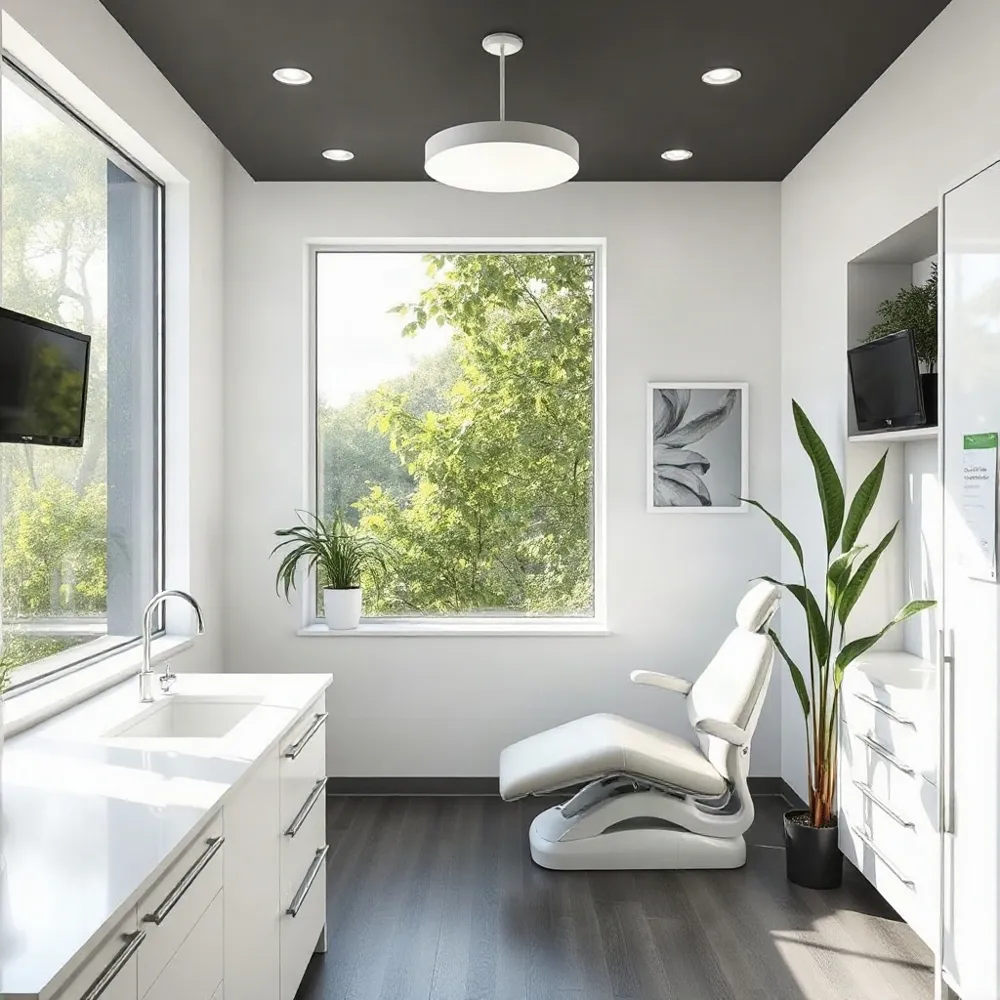
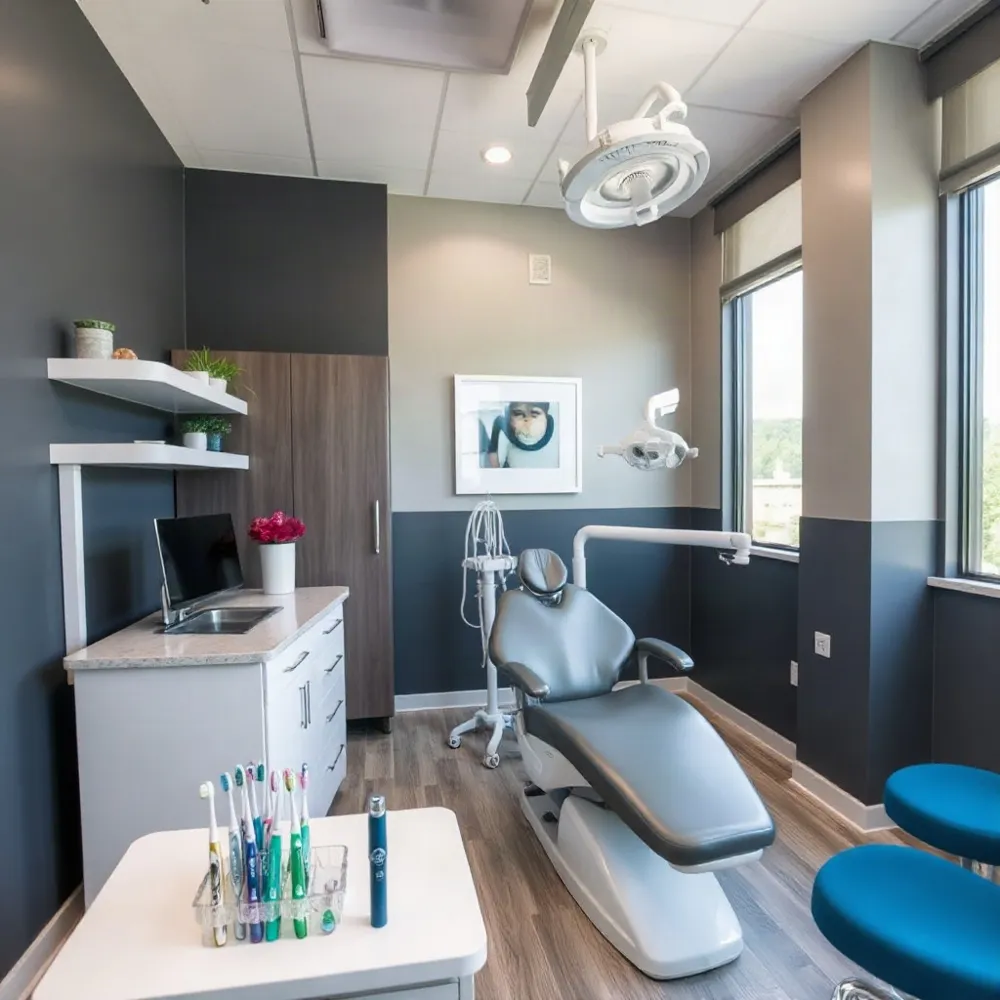
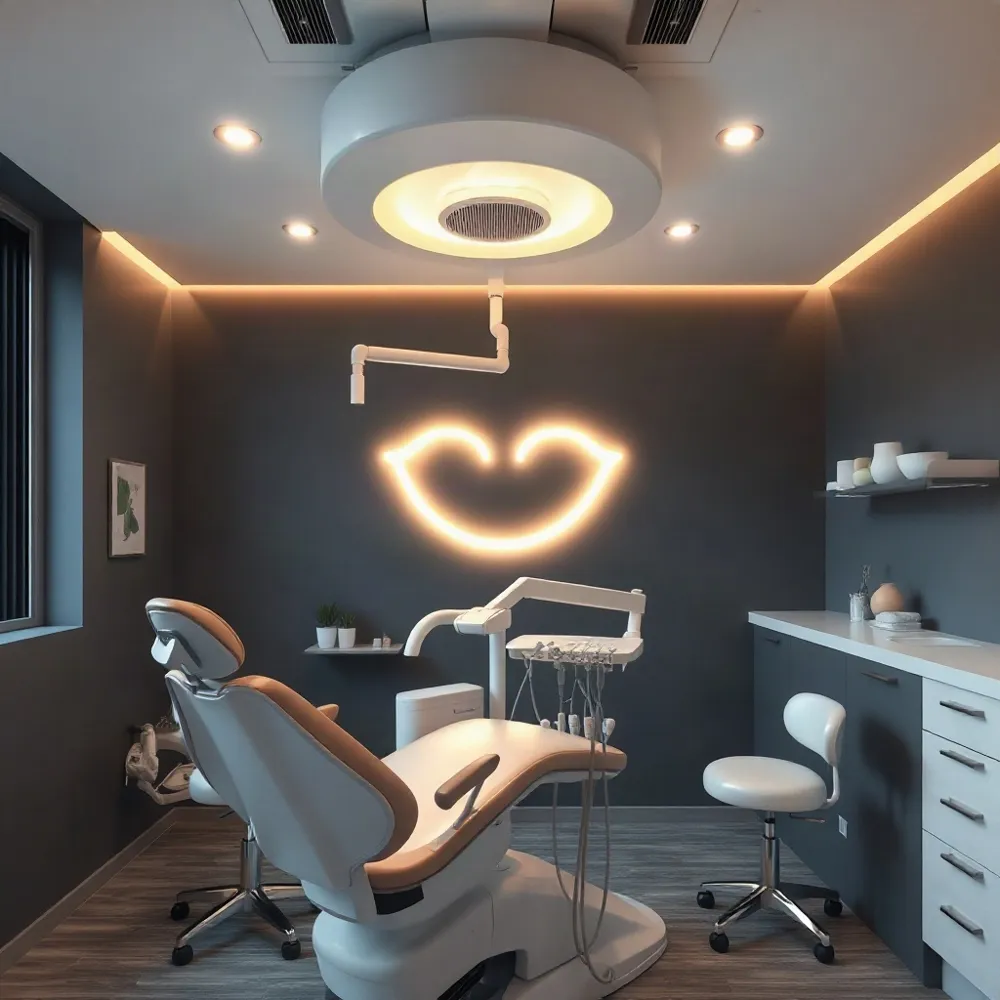
Our practice in Live Oak is built on providing a safe, relaxed environment tailored to your unique health profile. We integrate modern diagnostic tools, such as digital X-rays and 3D scanning, to ensure every treatment plan is precise and effective. Whether you are coming in for a routine cleaning or a restorative procedure, our team maintains rigorous safety protocols to support your well-being from the moment you sit in the chair.
Understanding Sedation Dentistry and Its Primary Benefits
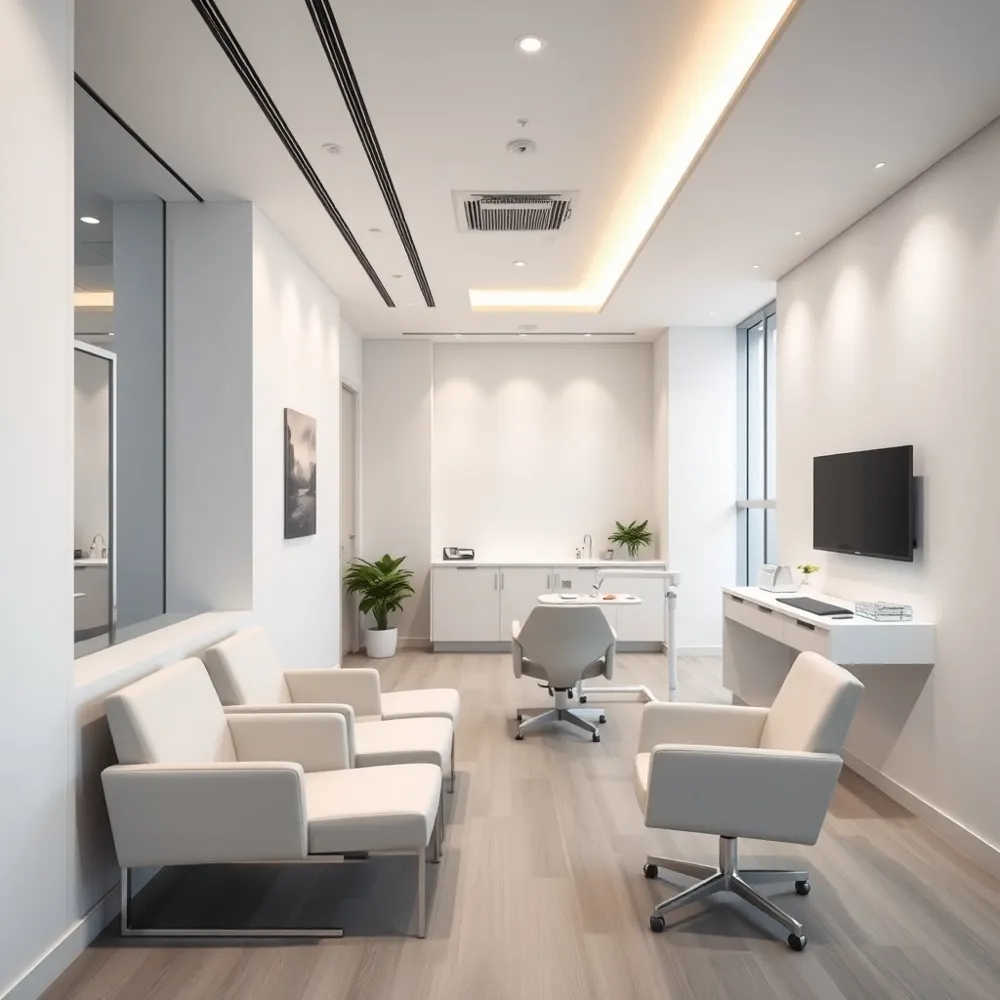 Sedation dentistry utilizes various medications to help patients relax, manage anxiety, and remain comfortable during dental procedures. It is commonly recommended for individuals who experience dental fear, have a sensitive gag reflex, or require lengthy, complex treatments. Depending on your needs, sedation can range from minimal relaxation to inducing a state of deep sleep where you remain largely unaware of the procedure. Common methods include nitrous oxide ("laughing gas"), oral conscious sedation, and intravenous (IV) sedation. At V Dental, we offer these options to ensure your visit is as comfortable, calm, and stress-free as possible.
Why Patients Choose Sedation for Comfort
Many individuals avoid visiting the dentist due to triggers like the sound of a drill, fear of needles, or a persistent gag reflex. StatPearls identifies dental phobia as a primary barrier to regular care, noting that roughly 5 percent of the population experiences severe anxiety that leads to total avoidance. By using controlled sedation, our team at V Dental helps bypass these physical and psychological barriers, allowing patients to maintain their oral health without the distress associated with traditional appointments.
Clinical Benefits and Treatment Efficiency
Beyond immediate comfort, sedation dentistry provides significant clinical advantages. When patients are relaxed, practitioners can move more efficiently, often completing complex procedures in a single visit rather than scheduling multiple appointments. According to the Cleveland Clinic, this consolidated approach is particularly beneficial for those with sensitive teeth or extensive restorative needs. At V Dental, we focus on maximizing your chair time efficiency, ensuring high-quality results while minimizing the time you need to spend in the clinic.
The Anatomy of Dental Anxiety and Management Techniques
Dental anxiety is a widely documented phenomenon reported by approximately 20% of the general population. This complex issue stems from both external experiences and internal biological factors. Many people develop these feelings due to past traumatic care, negative associations with the clinical environment, or even vicarious learning from the experiences of others. From a biological perspective, our natural fight-or-flight response can be triggered by the extreme vulnerability of the mouth and the loss of personal control that occurs when someone else is working in our personal space. Additionally, individual genetics and personality traits can influence how one perceives pain and stressful situations. Recognizing these triggers is the important first step toward managing anxiety and ensuring you receive the consistent dental care necessary for long-term health.
Why is dental anxiety so common?
The cycle of anxiety often creates a self-reinforcing pattern. When individuals avoid care due to fear, minor issues remain untreated and escalate into significant health complications, such as tooth decay or periodontal disease. This neglect leads to the need for more invasive, complex treatments later, which unfortunately validates the original fear and anxiety. According to StatPearls, about 5% of the population experiences such severe anxiety that they avoid all professional dental care entirely. Breaking this cycle requires a focus on psychological safety and comfortable patient experiences.
What techniques can help manage dental anxiety?
Managing dental fear involves a combination of behavioral, psychological, and pharmacological approaches tailored to individual comfort. Developing a foundation of trust with a dental team is essential for minimizing stress at the start of an appointment. Beyond establishing rapport, many patients find relief through controlled breathing techniques and open communication throughout a procedure. When behavioral strategies are insufficient, clinical sedation provides a reliable way to maintain peace of mind. At V Dental, we utilize sedation methods including nitrous oxide, which provides rapid anxiety reduction through a comfortable mask, to ensure you feel secure while receiving care. We focus on personalized treatment plans, ensuring that every patient in Live Oak receives an environment designed to make their visit calm and efficient.
Exploring the Four Levels of Dental Sedation
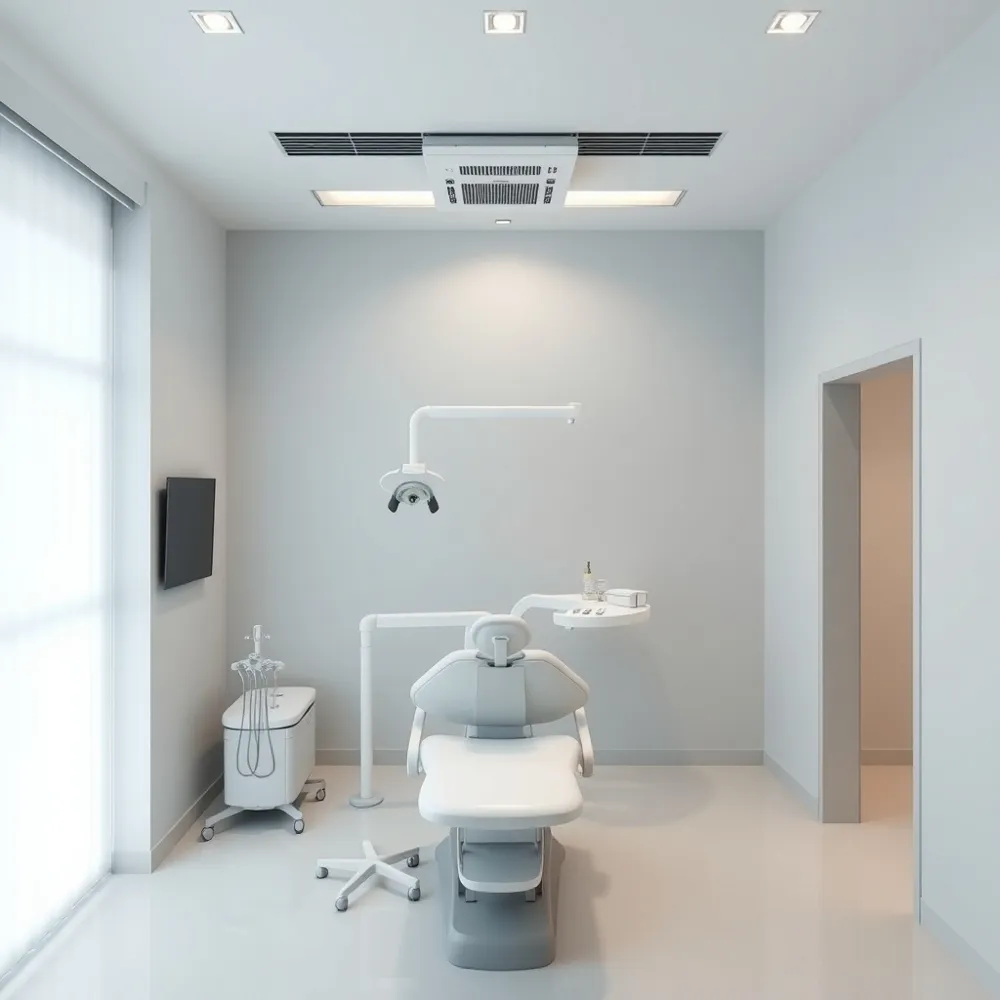 Sedation dentistry relies on a tiered framework to provide tailored anxiety management. As noted by StatPearls, these categories help clinicians ensure patient cooperation and comfort while maintaining different states of consciousness and protective reflexes.
What are the different levels of sedation in dentistry?
The four primary categories range from minimal relaxation to full, medically induced unconsciousness. Minimal sedation usually involves nitrous oxide, which allows you to remain awake, alert, and capable of functioning normally shortly after the mask is removed. Moderate sedation is commonly achieved through oral medication, inducing a state where you are noticeably drowsy but continue to respond to verbal cues or light physical touch.
Deep sedation is typically administered intravenously, placing you in a twilight state where you may fall asleep but remain potentially arousable. At the final level, general anesthesia renders you fully unconscious, which requires advanced monitoring and specialized support. Regardless of the chosen level, it is critical to remember that conscious sedation does not replace pain medication. Your dentist will still administer local anesthesia to ensure the procedure remains pain-free while the sedatives focus on managing your anxiety.
Comparing Oral Conscious Sedation and IV Sedation Methods
What is the difference between oral sedation and IV sedation?
Oral sedation provides a convenient, non-invasive option where you take a prescribed medication shortly before your visit. This method is often preferred for managing mild to moderate anxiety during routine care. Conversely, IV sedation allows for medication to be delivered directly into the bloodstream, creating a rapid, highly effective state of deep relaxation ideal for complex or multi-hour procedures. Because the sedative is administered intravenously, your clinician can precisely adjust your levels in real-time, matching your specific comfort needs as the appointment unfolds. In contrast, once an oral pill is taken, the dosage cannot be modified, making this route better suited for predictable treatment durations.
What should I expect during IV sedation?
Undergoing IV sedation, which often utilizes medications like midazolam, quickly induces a serene, trance-like state. You remain conscious enough to follow verbal cues, but the experience frequently triggers a potent amnesic effect. Most patients find that they have little to no recall of the treatment session afterward. Throughout the process, the team continuously tracks vitals like blood pressure and heart rate to ensure safety. Following protocols observed at www.vdentaltx.com, you should arrange for a guardian to drive you home afterward and monitor your comfort for 24 hours, as the medication induces a level of relaxation that precludes operating machinery.
Ensuring Safety Through Professional Monitoring and Protocols
Is dental sedation safe?
When administered by trained dental professionals, sedation dentistry is a highly safe and regulated practice. Before any procedure, our team at V Dental conducts a thorough review of your medical history to ensure you are a suitable candidate and to determine the safest approach for your individual needs. This rigorous pre-assessment is fundamental to clinical safety. Throughout the appointment, we utilize advanced monitoring equipment to track your vital signs, including oxygen levels, heart rate, and blood pressure, ensuring you remain stable at all times. While side effects can occur, they are typically mild and temporary, such as brief drowsiness or minor nausea. By offering various levels of sedation, we prioritize your comfort and safety during every stage of your dental care.
What are the common side effects and disadvantages of sedation?
Common side effects of sedation dentistry include drowsiness, nausea, headaches, dry mouth, dizziness, or lightheadedness, most of which are typically temporary. Depending on the method used, patients may also experience soreness or bruising at the site of an IV injection. A significant practical disadvantage is that the medication’s lingering effects require patients to have a trusted companion accompany them to and from the clinic, as operating a vehicle is unsafe. According to research on conscious sedation, patients must not drive or operate machinery for 24 hours following moderate or deep sedation. In rarer cases, some patients may experience low blood pressure or breathing difficulties, highlighting the importance of disclosing full health histories. At V Dental, our team is fully trained and CPR-certified, providing peace of mind through the presence of reversal agents like flumazenil to ensure your safety throughout the procedure.
Insurance Considerations and the Value of Sedation
Is sedation dentistry covered by insurance?
Whether or not sedation dentistry is covered depends on your dental insurance plan, as many providers classify these services as elective. While standard coverage is not guaranteed, exceptions are sometimes made if your dentist documents that sedation is medically necessary. This may apply if you have severe dental anxiety, a strong gag reflex, special needs, or require a complex surgical procedure that is difficult to perform otherwise. Because policies vary, we recommend contacting your insurer or our team to verify specific details. If insurance coverage is unavailable, we offer flexible financing options at www.vdentaltx.com to ensure your oral healthcare remains accessible and affordable.
Is sedation dentistry worth it?
Sedation dentistry transforms your experience by allowing you to receive care in a state of deep relaxation, preventing the negative cycle of dental anxiety and procedure avoidance. Choosing to use sedation helps you secure your oral health, as it allows dentists to perform needed treatments more efficiently. Our clinic at www.vdentaltx.com prioritizes your safety by utilizing rigorous protocols and professional monitoring throughout your treatment. If the fear of discomfort has been a barrier to your dental health, sedation is a highly effective way to comfortably access the restorative or cosmetic care you deserve.
Taking the Next Step Towards Comfortable Oral Healthcare
Your journey to a stress-free dental experience begins with a conversation about your specific health history and comfort goals. At www.vdentaltx.com, Dr. Brandon Villarreal creates personalized treatment plans, ensuring the sedation level chosen is both safe and effective for your unique needs. Whether you require mild nitrous oxide or deeper options, we focus on your absolute comfort. Do not let dental anxiety delay your care. Contact us today to schedule your consultation and reclaim your oral health with confidence.