Make the First Visit Count
A child’s first dental visit is a chance to build familiarity with dental care and check how the teeth and jaws are developing, not just to address a problem. The American Dental Association recommends scheduling after the first tooth appears and no later than the first birthday.
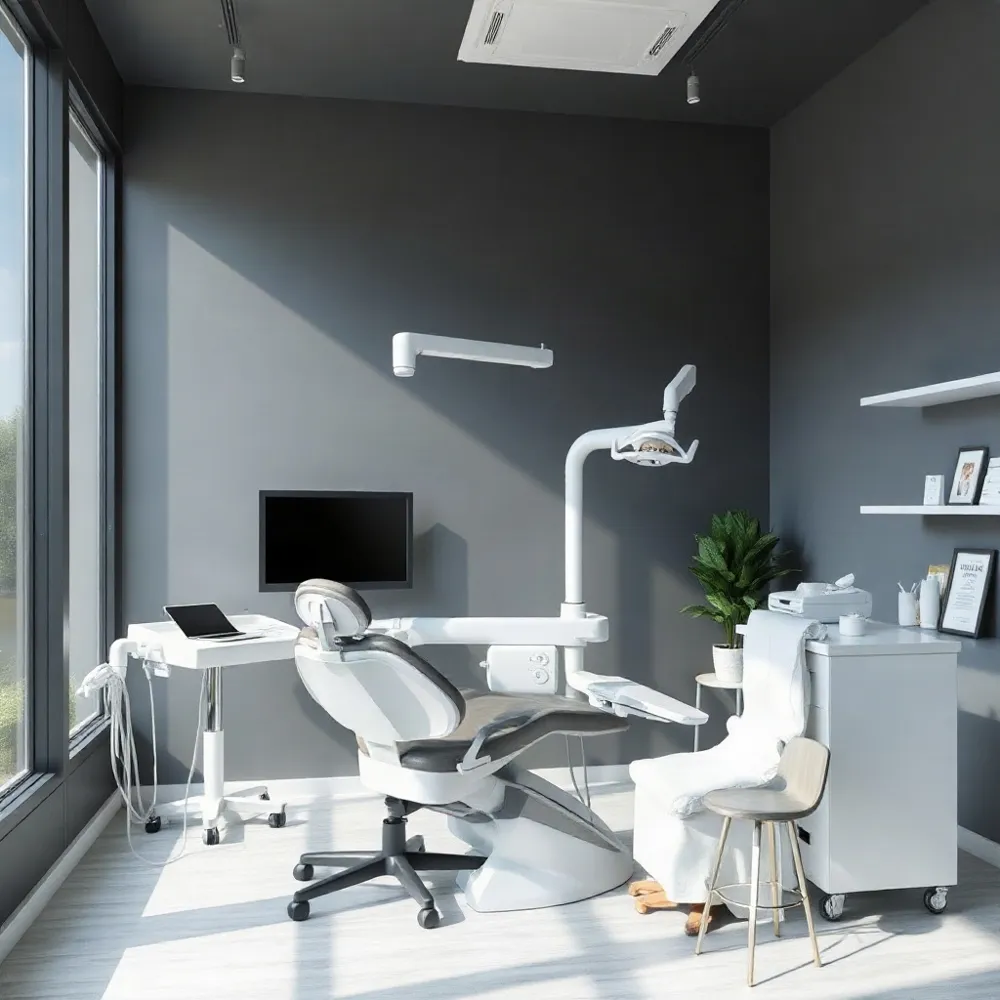
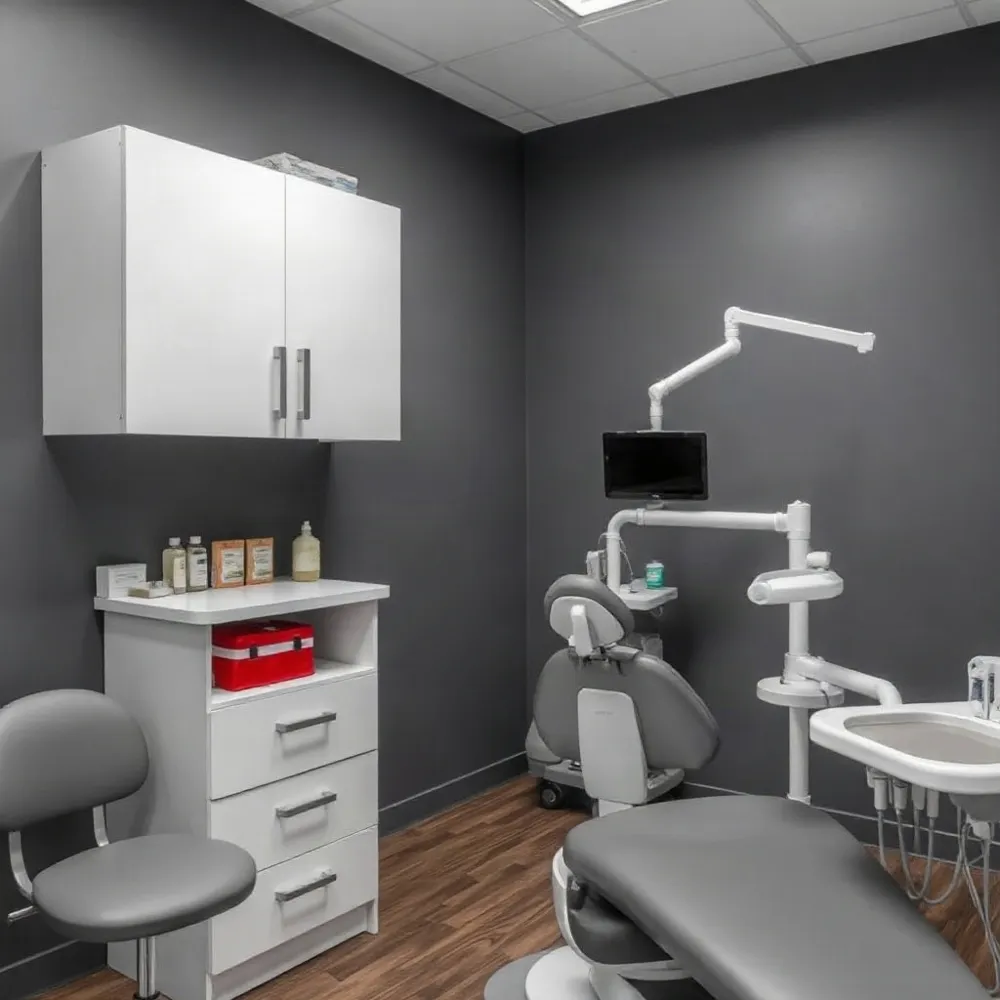
For families in Live Oak, V Dental offers preventive care alongside services for the whole family, with digital X-rays and intraoral cameras among its modern technologies. This checklist explains when to book, what an early appointment may include, and how caregivers can help a child feel more at ease.
Choose the Right Time to Begin
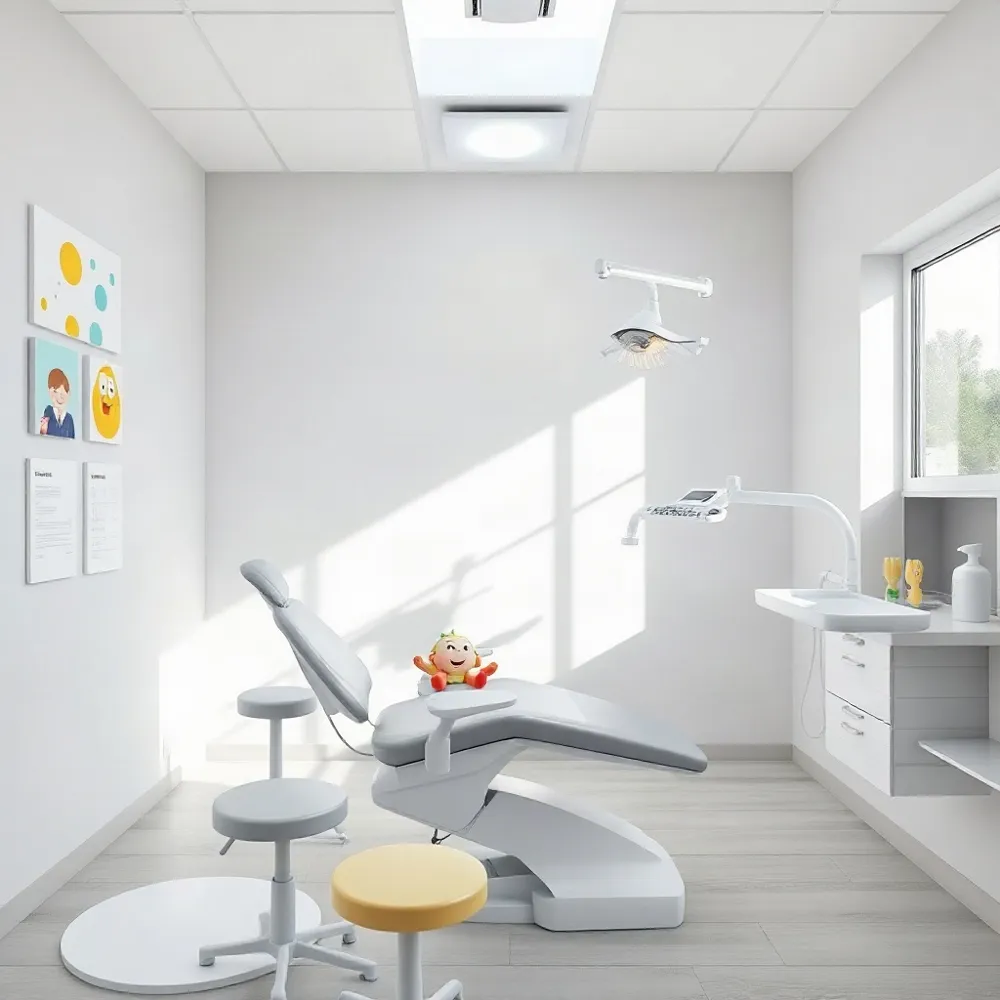 When should a child have their first dental visit? Schedule it within six months after the first tooth appears and no later than the first birthday. The American Dental Association’s guidance for a baby’s first dental visit recommends going after the first tooth erupts, because cavities can develop once teeth are present. An appointment can be useful even when you do not see a problem.
A first checkup gives the dentist a chance to assess the teeth, gums, bite, and jaw as they develop. It also gives caregivers time to ask about mouth cleaning, feeding, teething, pacifier use, and finger-sucking habits. Stanford Children’s Health’s first-visit guidance notes that the visit can be scheduled earlier when appropriate.
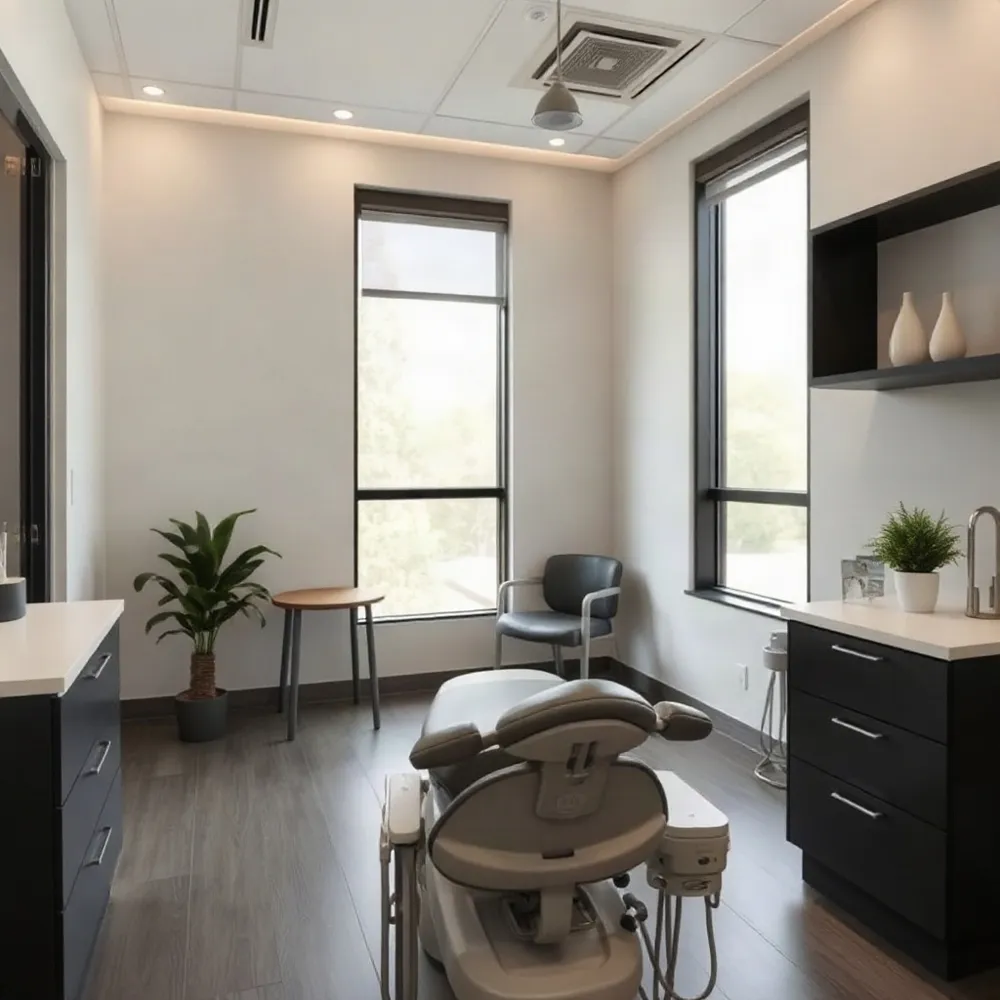
At V Dental, a family and cosmetic dentistry practice in Live Oak, caregivers can discuss a child’s needs as part of a family dental appointment. Sharing health history and questions ahead of time helps the dentist plan for the child’s visit.
Choose a time when your child is usually rested and alert. A morning appointment may suit some young children, though familiar routines matter most. Wiggling or crying can happen during an unfamiliar exam; these reactions are common and do not mean the visit has failed. V Dental’s personalized treatment planning allows the team to consider each patient’s needs, including a young child’s comfort during care.
Build Healthy Habits Early
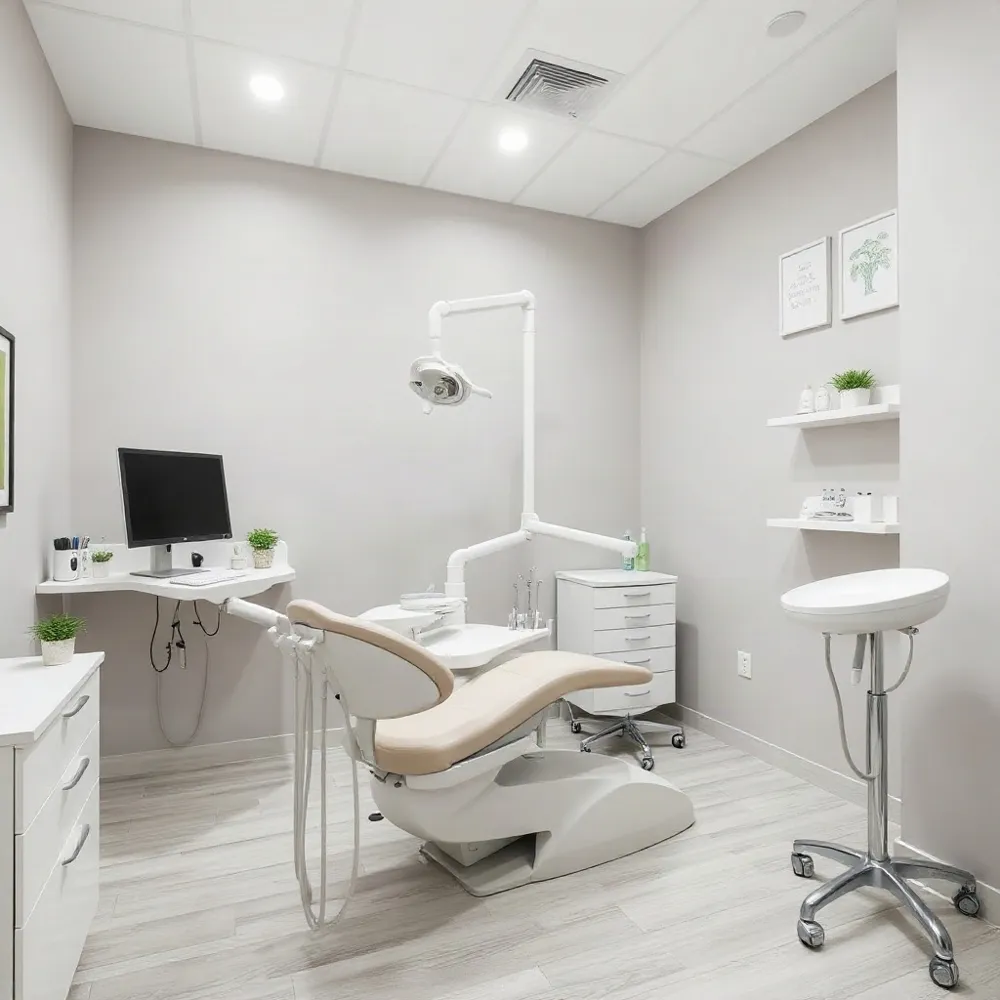 Why should children visit a dentist from an early age? Regular checkups let a dentist monitor the teeth, jaws, bite, and gums as they develop, while checking for cavities or other concerns. Early appointments also give caregivers a chance to ask for advice tailored to the child, rather than relying on guesswork at home. The American Dental Association’s guidance on a baby’s first dental visit notes that cavities can develop once teeth appear.
That guidance can cover brushing technique, fluoride, feeding, and foods or drinks that may contribute to tooth decay. Baby teeth matter beyond the time they remain in the mouth: healthy teeth support comfortable eating and clear speech, and help make room for permanent teeth to develop. At V Dental, personalized treatment plans and digital X-rays are among the tools available to support care suited to each patient’s needs.
Early visits can also make the dental setting more familiar, which may help a child feel more at ease with care over time. Checkups commonly take place every six months, but the schedule can vary. A dentist may suggest visits every three months to build a child’s confidence or monitor a developmental concern, as Stanford Children’s Health explains. V Dental’s family dentistry practice in Live Oak can discuss a child’s needs and recommend an appropriate follow-up plan.
Know What the Appointment May Include
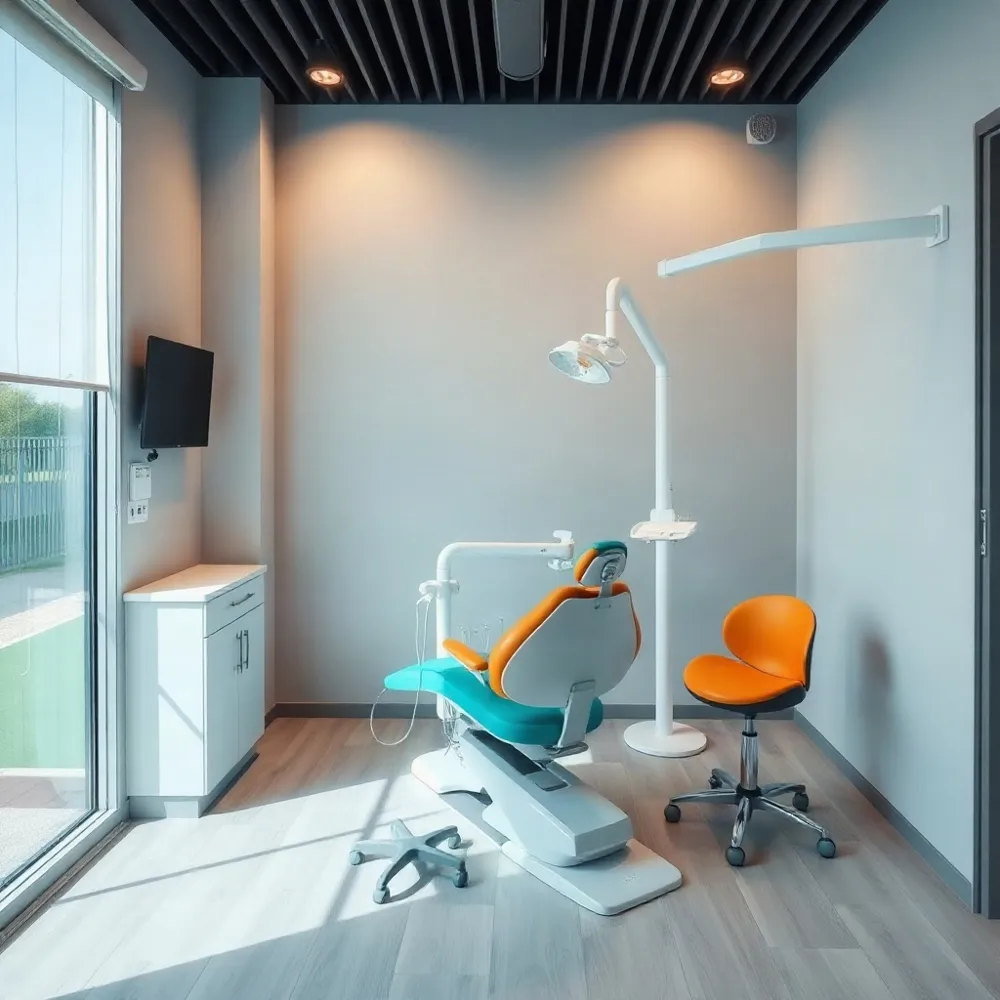 What happens during a child’s first dental visit? The appointment is usually an introduction as well as a checkup, and often takes about 30 to 45 minutes. Its length and activities depend on the child’s age and needs, according to Stanford Children’s Health.
The dentist reviews the child’s health history and examines the teeth, jaws, bite, gums, and other oral tissues. This helps assess growth and development and look for cavities, injuries, or other concerns. Share relevant medical details and any questions so the dentist can tailor the appointment to your child.
A young child who does not want to sit alone may be examined while sitting on a parent’s lap, as the American Dental Association’s guidance on a baby’s first dental visit explains. A calm, familiar presence can make the examination feel less intimidating, though the dentist can advise what works best for the child and the visit.
If appropriate, the dentist may gently clean and polish the teeth, removing plaque, tartar, or stains. The visit can also include a demonstration of home-care techniques, such as brushing or flossing, and a discussion about whether fluoride is suitable. At V Dental, digital X-rays and intraoral cameras are among the modern tools used in care, while recommendations for a child depend on individual needs.
X-rays are not routine for every young child. A dentist may recommend them when needed to diagnose decay or assess a specific concern, such as whether an injured baby-tooth root could affect an adult tooth. Ask why an image is being considered and how it would help guide care.
Prepare for a More Reassuring Visit
How can parents prepare a child for their first dental visit? Start with a short, upbeat explanation suited to the child’s age. You might say the dentist will count and check their teeth and help keep their smile healthy. The American Dental Association’s guidance for a baby’s first dental visit also suggests explaining the visit positively and practicing opening the child’s mouth.
A storybook about dental visits or a simple pretend check at home can make the setting feel less unfamiliar. Let the child take turns being the dentist and patient, or practice counting teeth with a clean toy mirror. Avoid promises about exactly what will or will not happen; instead, explain that the dental team will guide them through the appointment.
Keep your own tone calm and matter-of-fact. Children may notice an adult’s worry, so avoid frightening descriptions or sharing personal dental fears. If your child is nervous, acknowledge that feeling without making the appointment sound threatening.
Before leaving, gather relevant health, medication, and dental information, and jot down questions about teeth, teething, pacifiers, or other habits. Sharing a child’s health history and typical response to unfamiliar situations can help the dentist plan an age-appropriate visit, as Stanford Children’s Health advises.
Tell the dental team if your child tends to become anxious, has difficulty with unfamiliar settings, or may need extra support. At V Dental, care includes personalized treatment planning, so sharing those details can help the team consider the child’s needs. Ask the office in advance whether forms can be completed before the appointment, and confirm timing or any requested accommodations directly with the dental team.
Keep Care Going at Home
Daily routines matter between appointments. The Stanford Children’s Health guidance recommends wiping a baby’s gums with a clean, damp cloth before teeth erupt. Once the first tooth appears, brush it with a small, soft-bristled toothbrush and a rice-grain-sized amount of fluoride toothpaste.
After age three, use a pea-sized amount and encourage your child to spit out the toothpaste instead of swallowing extra. Caregivers should help with brushing until about age seven or eight. Letting children watch and copy a steady brushing pattern can help prevent missed spots.
Use bottles for breast milk or formula, not juice, soft drinks, or other sweetened drinks. Have your child finish a bottle before sleep and brush afterward; encourage cup use around the first birthday. Limit sticky or hard candy, fruit leather, sweetened drinks, and juice, and offer whole fruit instead. V Dental’s preventive care can complement these home routines with guidance suited to a child’s needs.
Start With One Simple Appointment
The next step is to book your child’s first dental visit by about age one, or within six months of the first tooth appearing, as Stanford Children’s Health recommends.
Before the appointment, share relevant health information and your child’s needs, then bring questions about anything from teething to daily care. At V Dental in Live Oak, personalized treatment plans and modern tools such as intraoral cameras can support clear, child-specific guidance.
Think of the visit as a first introduction, not a test your child must pass. A familiar, supportive appointment gives you a chance to understand your child’s oral health and ask what to do next.